Rf Radiation: How It Works, Results and What to Expect
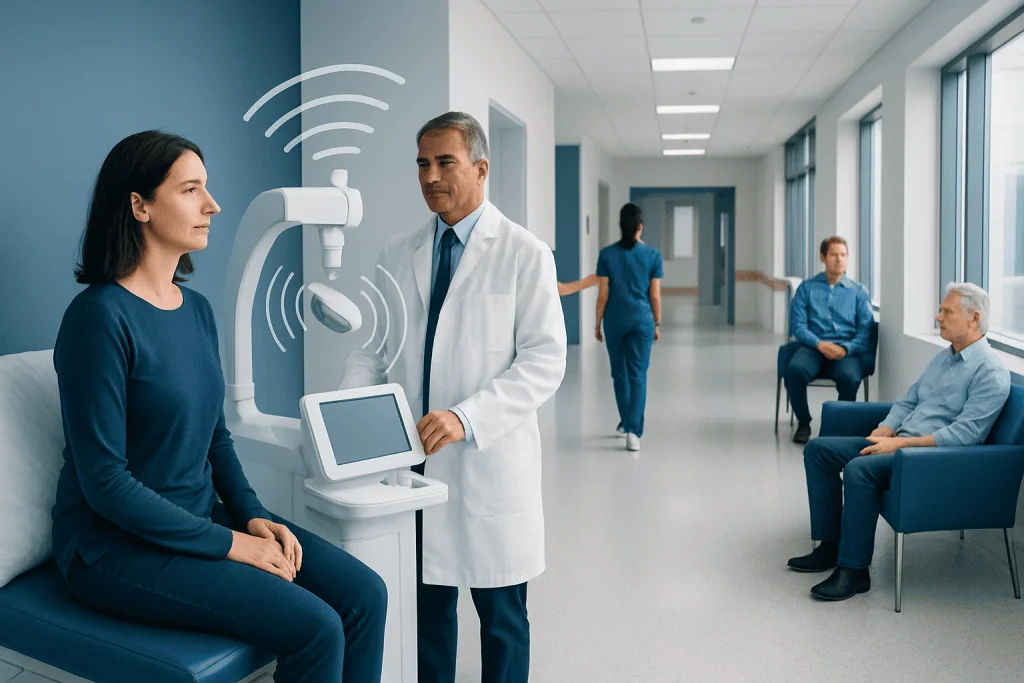
Medical RF skin tightening uses controlled energy to heat tissue and support collagen remodeling. Most people experience temporary warmth, redness, or mild swelling after treatment.
Key Takeaways
- Medical RF skin tightening uses controlled energy to heat tissue and support collagen remodeling.
- Most people experience temporary warmth, redness, or mild swelling after treatment.
- Results are gradual and vary with skin quality, treatment area, device type, and the number of sessions.
- RF treatments are not a substitute for surgery when there is substantial skin laxity.
- Professional assessment is important for people with implanted electronic devices, pregnancy, active skin infection, or certain medical conditions.
RF radiation used in aesthetic skin treatments delivers controlled radiofrequency energy to warm selected layers of the skin. This heating can stimulate collagen remodeling, with results developing gradually over weeks to months rather than immediately.
RF Radiation Overview: How It Works
RF radiation, or radiofrequency radiation, refers to energy in the electromagnetic spectrum. In medicine and aesthetic care, specially designed devices use controlled radiofrequency energy to create heat in targeted tissue. For non-surgical skin tightening, the goal is usually to warm the deeper skin layers while protecting the surface of the skin.
Controlled heating may cause existing collagen fibers to contract temporarily and can stimulate the body’s longer-term collagen remodeling response. Collagen is a structural protein that helps skin feel supported and resilient. Because collagen renewal takes time, improvements in skin texture or firmness tend to appear gradually.
Radiofrequency is also used in other medical settings, including certain surgical and pain-management procedures. These uses differ substantially in device design, energy level, treatment target, and safety considerations. A cosmetic RF procedure should therefore be understood as a medical-aesthetic treatment rather than as a general measure of everyday environmental RF exposure.
What Does RF Radiation Do to Your Body?
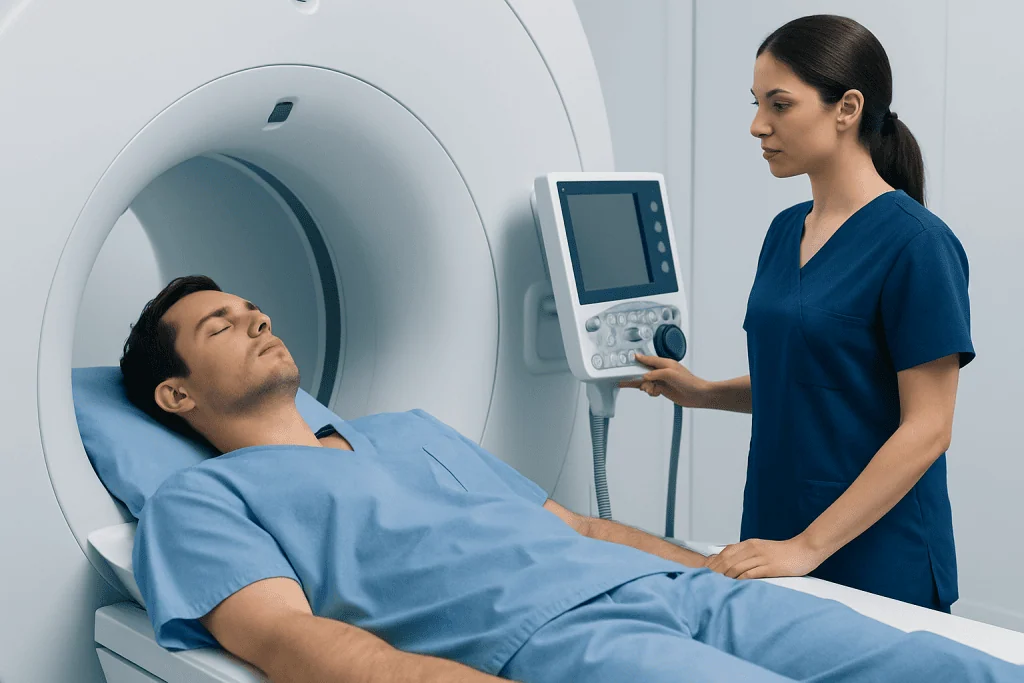
During a professionally performed RF skin-tightening procedure, the main intended effect is localized heating. The applicator delivers energy to the planned area, and the device may monitor temperature or use cooling to help protect the outer skin. The treated area is generally the skin and underlying superficial tissue, not the entire body.
RF heating generated by RF radiation will affect the parts of the body closest to the treatment applicator quickest. How deeply heat reaches depends on the device, settings, applicator design, skin thickness, and whether the treatment is monopolar, bipolar, multipolar, or combined with another technology. Clinicians adjust treatment plans to the area being treated, such as the face, neck, abdomen, arms, or thighs.
Some people notice immediate warmth or mild temporary tightening from collagen fiber contraction. The longer-term response involves gradual repair and collagen remodeling. RF treatments do not remove large amounts of loose skin, and they do not reliably produce the same degree of contour change as surgical lifting procedures.
Everyday RF radiation exposure from sources such as communication equipment is assessed differently from treatment exposure. Medical devices are intended to focus energy in a selected location for a limited time. RF radiation testing for medical devices evaluates performance and safety parameters, while public-health guidance on environmental exposures addresses different patterns and intensities of exposure.
Candidacy, Benefits and Whether RF Is Worth It

RF skin tightening may be considered by adults with mild to moderate skin laxity who would like a non-surgical option and understand that changes are usually subtle to moderate. It may be used on the face and body, depending on the device and the clinician’s assessment. People often choose it because treatment is usually performed without incisions and with limited downtime.
Whether RF is really worth it depends on the individual goal. It may be worthwhile for someone seeking gradual improvement in skin firmness, texture, or early laxity and who is comfortable with maintenance treatments when recommended. It may be less suitable for someone expecting a dramatic lift, major volume restoration, or correction of significant excess skin.
A consultation should review skin quality, degree of laxity, previous procedures, medications, medical history, and realistic treatment goals. A clinician may discuss alternatives such as topical skin care, injectable treatments, energy-based procedures, or surgery. For people considering a non-surgical approach, radiofrequency treatment can be planned around the treatment area and desired outcome.
RF may not be appropriate for everyone. Pregnancy, an active rash or infection at the treatment site, poor wound healing, certain metal implants, pacemakers or other implanted electronic devices, and some neurological or connective-tissue conditions may require postponement, specialist advice, or an alternative approach. The treating clinician should confirm device-specific contraindications.
What Happens During an RF Skin-Tightening Procedure?
Before treatment, the clinician reviews the person’s health history, examines the skin, discusses expected outcomes, and obtains consent. Makeup, creams, and jewelry near the planned area may need to be removed. Photographs may be taken for clinical comparison, and the skin may be marked to guide even treatment coverage.
A gel, cooling method, or both may be used depending on the system. The clinician places the handpiece against the skin and moves it across the treatment area in a controlled pattern. People commonly describe a warm sensation, sometimes with brief stronger pulses of heat. The provider should be told promptly if the heat becomes painful.
Session length depends on the body area and technology used. Some people have one treatment, while others are advised to have a series of sessions. The number and spacing of sessions should be individualized rather than assumed from another person’s experience or promotional claims.
Afterward, the clinician provides skin-care and activity guidance. A qualified provider should use approved equipment, appropriate eye protection where needed, documented infection-control practices, and settings suited to the patient’s skin type and treatment location.
How Long Does It Take to See Results From RF Skin Tightening?
Some people notice a temporary sense of tightness shortly after treatment, but meaningful changes from collagen remodeling usually develop over several weeks. For many patients, the gradual effect becomes more noticeable over two to six months, although the timing and degree of change differ between individuals and technologies.
Results can be influenced by age, genetics, sun exposure, smoking, nutrition, weight changes, hydration, the severity of skin laxity, and the treatment plan. A clinician may recommend photographs under similar lighting to help assess subtle changes fairly over time.
Results are not permanent because skin continues to age and collagen naturally changes over time. Maintenance sessions may be discussed for suitable patients. Consistent sun protection, avoiding tobacco, managing major weight fluctuations where possible, and following a personalized skin-care plan can help support skin health.
Recovery, RF Radiation Exposure Effects and Risks
Recovery after non-invasive RF skin tightening is usually brief. The skin may look mildly red or feel warm, sensitive, or slightly swollen for several hours and sometimes longer, depending on the treated area and treatment intensity. Most people can return to routine activities soon after the session, unless their clinician advises otherwise.
Possible RF radiation exposure symptoms in the treated area include transient tenderness, tingling, dryness, or sensitivity. Less common complications can include prolonged redness, bruising, blistering, burns, changes in skin color, uneven results, scarring, or worsening of an existing skin condition. Risks may be higher when treatment is performed by an inadequately trained provider, when unsuitable settings are used, or when aftercare instructions are not followed.
Patients should protect the treated skin from excessive heat and sun exposure as advised, use gentle products if the area is sensitive, and avoid picking or exfoliating irritated skin. They should contact the treating clinic if pain is severe or increasing, if blisters develop, if redness spreads, or if there are signs of infection such as drainage or fever.
These localized treatment effects should not be confused with concerns about general RF radiation exposure. The health implications of RF exposure depend on frequency, intensity, duration, distance from the source, and the type of device. Clinicians can explain how a specific medical device is designed to manage heat and limit exposure outside the treatment target.
What Does RF Do to Your Brain?
External RF skin-tightening treatment is designed to act locally in the selected skin and superficial tissue. When a facial or neck procedure is performed correctly with an appropriate device, it is not intended to deliver treatment energy to the brain. The clinician selects the treatment area and settings carefully, following the device instructions and medical safety guidance.
People with a neurological condition, history of seizures, implanted neurostimulators, shunts, cochlear implants, or other medical devices should discuss this before treatment. The safety decision may depend on the device being considered and the exact location of the planned procedure.
Headaches, dizziness, confusion, weakness, speech changes, or new neurological symptoms are not expected benefits of cosmetic RF treatment and should not be dismissed. A person who develops urgent neurological symptoms should seek prompt medical assessment rather than assuming they are related to routine treatment recovery.
When to Seek Medical Care
Medical advice is appropriate before RF treatment for anyone with an implanted device, a history of skin reactions, a tendency to form abnormal scars, active acne inflammation, rosacea flare-ups, recent facial surgery, or a current illness. A clinician can identify whether treatment should be delayed, modified, or avoided.
After treatment, prompt review is important for severe pain, blistering, extensive swelling, skin that becomes pale, dark, or unusually numb, persistent redness, drainage, fever, or symptoms that do not improve as expected. These concerns are uncommon, but early assessment can help protect the skin and guide treatment.
Acibadem International’s multidisciplinary specialists and JCI-accredited hospitals assess and treat aesthetic and dermatologic concerns for international patients, with treatment decisions based on individual medical needs and safety considerations.
Frequently asked questions
Is RF radiation the same as radiation used in X-rays?
No. Radiofrequency energy is non-ionizing electromagnetic energy, whereas X-rays are ionizing radiation. In aesthetic RF treatment, the intended effect is controlled localized heating rather than imaging or DNA-damaging ionization.
Does RF skin tightening hurt?
Most people feel warmth and occasional stronger heat during treatment. The sensation should remain tolerable, and the provider can adjust settings or technique if it becomes uncomfortable.
Can RF skin tightening cause burns?
Burns are uncommon but possible, particularly if energy settings, device contact, cooling, or patient selection are not appropriate. Choosing a qualified clinician and reporting excessive heat immediately helps reduce this risk.
How many RF skin-tightening sessions are needed?
The number of sessions depends on the device, treatment area, skin laxity, and the person’s goals. Some technologies are designed for a single session, while others are commonly delivered as a series.
Can RF treatment be used if a person has a pacemaker?
A person with a pacemaker or another implanted electronic device should not proceed without specific medical advice. The treating clinician and the physician managing the implant should review the planned device and treatment area.
Can RF radiation affect the brain during facial treatment?
Properly performed facial RF treatment is designed to heat targeted skin tissue, not the brain. Anyone with a neurological condition or implanted device should disclose it during consultation so safety can be assessed individually.
References
- U.S. Food and Drug Administration
- American Academy of Dermatology Association
- World Health Organization
- International Commission on Non-Ionizing Radiation Protection
This article is for general information only and is not a substitute for professional medical advice. Please consult a qualified doctor about your individual situation.
Explore treatments in Turkey — costs, top hospitals & a free quote
JCI-accredited · board-certified surgeons · reply within 24h
Add us as a Preferred Source to see more of our trusted health content across Google Search, AI Overviews and Discover.

More from the Health Library



Related Specialists

Assoc. Prof. Dr. Nefise Nazlı Yenigül
Gynecology & Obstetrics
Prof. Dr. Fulya Ağaoğlu
Radiation Oncology
Dr. Fatma Erbay Apaydın
Infectious Diseases & Clinical Microbiology
Prof. Dr. Sibel Kahraman Aközer
Anesthesiology