

Ripe Avocado: An Evidence-Based Guide for Patients

A ripe avocado gives slightly to gentle pressure but should not feel mushy. Skin color can help, but firmness is usually a more reliable sign than color alone.
Key Takeaways
- A ripe avocado gives slightly to gentle pressure but should not feel mushy.
- Skin color can help, but firmness is usually a more reliable sign than color alone.
- Avocados can ripen at room temperature; refrigeration helps slow ripening once they are ready.
- Ripe avocado is nutritious, but portion size still matters because it is calorie-dense.
- People with food allergy symptoms, severe stomach pain, or signs of foodborne illness should seek medical advice.
A ripe avocado is usually slightly soft when gently pressed, easy to cut, and creamy inside without large brown strings or widespread dark spots. This guide explains how to recognize ripe avocado, ripen it safely, store it correctly, and understand when avocado may not be suitable for some people.
What Is a Ripe Avocado?
A ripe avocado is an avocado that has reached the best stage for eating: the flesh is creamy, the flavor is mild and nutty, and the fruit cuts easily without being watery or stringy. For most people, the simplest sign is texture. When gently pressed in the palm of the hand, a ripe avocado should yield slightly but spring back a little rather than collapsing.
Ripeness matters because it affects both taste and use. An underripe avocado can be hard, bland, and difficult to mash or slice. An overripe one may taste stale and have brown, mushy, or fibrous areas. For salads, toast, dips, and sandwiches, a properly ripe avocado usually offers the best texture and flavor.
Different varieties may look different on the outside. Some darken as they ripen, while others stay greener. Because of this, skin color alone is not a perfect test. A combination of gentle pressure, overall appearance, and the condition under the stem cap tends to give a more reliable answer.
How to Tell If an Avocado Is Ripe
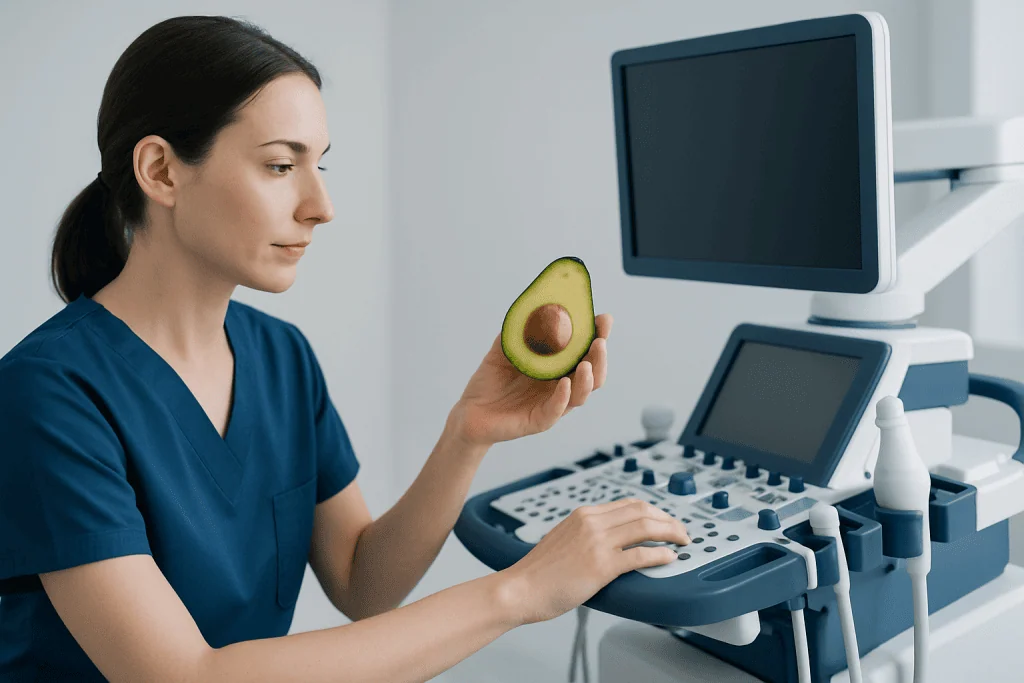
The safest and most useful way to assess a ripe avocado is to hold it in the palm and press very gently with fingertips. A ready-to-eat avocado should feel slightly soft, not hard. It should also not feel deeply indented, wet, or unevenly mushy, as these can suggest overripeness or internal bruising.
The small stem cap can offer another clue. If it lifts off easily and the area underneath is green, the avocado is often ripe. If the area under the cap is brown, the fruit may be overripe. If the cap does not come off easily, it may need more time. This method can be helpful, but it should be done gently to avoid damaging fruit that will not be bought or used right away.
Visual signs can support the decision. A ripe avocado often has skin that looks full and unwrinkled. Very shriveled skin may suggest dehydration or age. Cracks, mold, leaking fluid, or a sour smell are warning signs that the avocado should not be eaten.
- Likely underripe: hard, firm, difficult to press
- Likely ripe: slightly soft with even pressure response
- Likely overripe: very soft, sunken spots, strong odor, brown flesh throughout
How to Ripen Avocado Safely at Home

Avocados usually ripen best at room temperature. Placing them on a kitchen counter away from direct sunlight is often enough. Depending on how firm they are when purchased, ripening may take a few days. Checking once daily can help avoid missing the ideal stage.
Some people place avocados in a paper bag to help concentrate naturally produced ethylene gas, which can speed ripening. Adding a banana or apple to the bag may increase this effect. The fruit should still be checked regularly so it does not become overripe.
Once an avocado is ripe, refrigeration can slow further ripening and help preserve texture for a short time. If an avocado has already been cut, limiting air exposure is important because the flesh browns when it oxidizes. Although browning is not always dangerous, quality declines over time, and very old cut fruit should be discarded.
Heating methods intended to “ripen” avocado quickly, such as microwaving or baking, may soften the fruit but do not create the same flavor and texture as natural ripening. These methods can leave the flesh uneven, watery, or disappointing for eating.
Storage, Food Safety, and Signs It Has Gone Bad
Whole unripe avocados are generally best kept at room temperature until they soften. Once ripe, they can be moved to the refrigerator to slow spoilage. Cut avocado should be stored in a covered container in the refrigerator and eaten relatively soon for best quality.
Exposure to air causes browning. A little lemon or lime juice may help reduce this on cut surfaces, and pressing wrap or a sealed container against the flesh can also limit contact with air. Even so, storage is not indefinite. If the avocado develops an unpleasant smell, extensive slime, visible mold, or unusual discoloration beyond minor surface browning, it should be thrown away.
Food safety matters especially for people who are pregnant, older, immunocompromised, or living with chronic illness. While avocado itself is often part of a balanced diet, any perishable cut produce can become unsafe if stored too long or handled poorly. Good hand hygiene, clean utensils, and refrigeration help reduce risk.
People who develop significant digestive symptoms after eating contaminated or spoiled food may need medical assessment, particularly if vomiting or diarrhea is severe. Persistent stomach complaints may also relate to digestive conditions that deserve evaluation, such as gastroenteritis or other causes of abdominal discomfort.
Nutrition and Health Considerations
Ripe avocado is known for its healthy fat content, especially monounsaturated fat, along with fiber, potassium, and several vitamins. For many people, it can fit well into a balanced eating pattern and may help meals feel more satisfying. Its soft texture can also make it useful for people who have difficulty chewing harder foods.
At the same time, avocado is relatively calorie-dense compared with many fruits. That does not make it unhealthy, but it does mean portion awareness can be helpful for people managing energy intake or weight-related goals. Pairing avocado with vegetables, beans, eggs, fish, or whole grains can support a more balanced meal.
Individuals with certain digestive concerns may tolerate avocado differently. Because it contains fiber and specific carbohydrates, some people notice bloating or discomfort after eating it. If symptoms are recurrent, a clinician or dietitian can help look for patterns and whether another condition, including irritable bowel syndrome, might be contributing.
For people receiving nutrition advice after surgery or for chronic disease, avocado may be included as part of a personalized plan. In some cases, broader support with diet and nutrition care can help patients choose portions and foods that match their medical needs.
Who Should Be Cautious With Avocado?
Although avocado is well tolerated by many people, not everyone should eat it freely. Some individuals have an avocado allergy or cross-reactivity related to latex allergy. Symptoms may include itching in the mouth, swelling, hives, stomach upset, or in rare cases more serious allergic reactions. Any breathing difficulty, throat swelling, or widespread reaction needs urgent medical attention.
People taking medicines that affect potassium balance or those with certain kidney conditions may need individualized dietary advice. Avocado contains potassium, which is beneficial for many people but may need attention in some medical situations. A healthcare professional can explain whether dietary potassium matters for a particular patient.
Texture can also be an issue for infants, older adults, or people with swallowing disorders. A soft ripe avocado is often easier to manage than firm fruit, but anyone with choking or swallowing concerns should follow advice tailored to their condition. If there is difficulty swallowing, specialist assessment may sometimes be needed, and some patients may be referred for gastroenterology care when symptoms involve the digestive tract.
Practical Ways to Use Ripe Avocado
Ripe avocado can be used in many simple, balanced meals. It can be sliced onto toast, added to salads, mashed into a dip, or served with eggs, vegetables, beans, or grilled fish. The goal does not need to be making avocado the center of every meal; it can be one useful ingredient among many whole foods.
For patients who are trying to eat more heart-conscious meals, avocado can sometimes replace foods high in saturated fat, such as some creamy spreads. That said, no single food prevents disease on its own. Overall eating pattern, activity, sleep, smoking status, and medical care remain important to long-term health.
If a person finds that avocado repeatedly triggers bloating, reflux, nausea, or abdominal pain, it may help to keep a food and symptom record rather than assuming the fruit is always the cause. Some symptoms can overlap with conditions such as gastritis or other digestive disorders, and persistent problems deserve proper evaluation.
When to Seek Medical Care
Most questions about ripe avocado can be handled at home, but medical advice is important in some situations. A person should seek prompt care if avocado causes signs of allergy, especially swelling of the lips or throat, wheezing, dizziness, or trouble breathing. Severe or rapidly worsening symptoms should be treated as urgent.
Medical assessment is also sensible if someone develops ongoing vomiting, severe diarrhea, fever, dehydration, or strong abdominal pain after eating avocado or any other food. Repeated digestive symptoms after eating certain foods may point to intolerance, allergy, infection, or an underlying gastrointestinal condition.
Patients with chronic kidney disease, complex digestive disease, or medically restricted diets may benefit from asking whether avocado is appropriate for them. Near the end of the care pathway, a multidisciplinary team can help with personalized advice. Acibadem International’s specialists in JCI-accredited hospitals diagnose and treat digestive and nutrition-related concerns for international patients, including support through check-up and screening when symptoms need a broader evaluation.
Frequently asked questions
How can someone tell if an avocado is ripe without cutting it?
A ripe avocado usually gives slightly when pressed gently in the palm of the hand. It should not feel rock hard, but it also should not feel mushy or sunken. Firmness is usually more dependable than skin color alone.
Is a brown avocado always unsafe to eat?
Not always. A small amount of surface browning after cutting is often due to oxidation and does not necessarily mean the avocado is unsafe. However, if the fruit smells sour, feels slimy, has mold, or is brown and mushy throughout, it should be discarded.
What is the fastest safe way to ripen an avocado?
The most reliable method is to leave it at room temperature for a few days. A paper bag, sometimes with a banana or apple, may help speed the process. Methods that use heat may soften the fruit but usually do not produce the same quality as natural ripening.
Should ripe avocado be kept in the refrigerator?
Yes, refrigeration can help slow further ripening once the avocado is ready to eat. Whole ripe avocados usually keep better in the refrigerator than on the counter. Cut avocado should also be refrigerated in a covered container.
Is ripe avocado healthy to eat every day?
For many people, avocado can be part of a healthy daily diet because it provides unsaturated fat, fiber, and useful micronutrients. Still, it is calorie-dense, so portion size may matter depending on a person's energy needs and health goals. People with kidney disease or special diets should ask their clinician for individualized advice.
Can avocado cause an allergic reaction?
Yes, some people can be allergic to avocado, and reactions may range from mild itching to more serious symptoms. People with latex allergy may be more likely to react. Any breathing difficulty, throat swelling, or faintness after eating avocado requires urgent medical attention.
References
- U.S. Department of Agriculture
- Centers for Disease Control and Prevention
- National Institute of Diabetes and Digestive and Kidney Diseases
- American Academy of Allergy, Asthma & Immunology
This article is for general information only and is not a substitute for professional medical advice. Please consult a qualified doctor about your individual situation.
Explore treatments in Turkey — costs, top hospitals & a free quote
JCI-accredited · board-certified surgeons · reply within 24h
Add us as a Preferred Source to see more of our trusted health content across Google Search, AI Overviews and Discover.

More from the Health Library

ALT — Explained by Medical Evidence, Not Myths

Acid Reflux Hurting Back: What Patients Need to Know

Newsletter on Health and Fitness: What Patients Need to Know

How Often Should You Get a General Health Screening?

Missed Abortion: What Patients Need to Know

Reddish Colour Stool: An Evidence-Based Guide for Patients
Related Specialists

Assoc. Prof. Dr. Gürbüz Görümlü
Medical Oncology
Dr. Zeki Yenidünya
Internal Medicine
Dr. İlkay Kisa Özdemir
Intensive Care
Dr. Sinan Aksu
Orthopedic Surgery & Traumatology