Rms Treatment: How It Works, Results and What to Expect
RMS treatment is planned by a multidisciplinary cancer team and commonly includes chemotherapy plus local treatment with surgery and/or radiotherapy. Many people with localized rhabdomyosarcoma can be treated with curative intent, while metastatic disease usually needs more intensive and individualized care.
Key Takeaways
- RMS treatment is planned by a multidisciplinary cancer team and commonly includes chemotherapy plus local treatment with surgery and/or radiotherapy.
- Many people with localized rhabdomyosarcoma can be treated with curative intent, while metastatic disease usually needs more intensive and individualized care.
- Treatment begins with careful staging, because the tumour site, subtype and spread strongly influence the recommended approach.
- Follow-up care is essential to monitor response, manage late effects and support physical and emotional recovery.
- Clinical trials may provide access to carefully studied new approaches for eligible patients.
RMS treatment usually combines chemotherapy with surgery, radiotherapy, or both to treat rhabdomyosarcoma, a rare cancer that develops from immature muscle cells. The treatment plan and outlook depend on the tumour’s location, subtype, extent of spread, surgical findings and the person’s overall health.
Overview: how RMS treatment works
RMS treatment refers to treatment for rhabdomyosarcoma (RMS), a cancer that begins in cells that normally develop into skeletal muscle. Although it can occur at any age, it is most common in children and adolescents. It may arise in many areas of the body, including the head and neck, eye socket, urinary or reproductive organs, arms, legs, chest and abdomen.
Because microscopic cancer cells may be present beyond the visible tumour, treatment RMS commonly uses more than one method. Chemotherapy treats cancer cells throughout the body, while surgery and radiotherapy focus on the original tumour area. The team selects and sequences these treatments according to the person’s risk group, which is based on factors such as tumour subtype, location, stage and whether it can be completely removed safely.
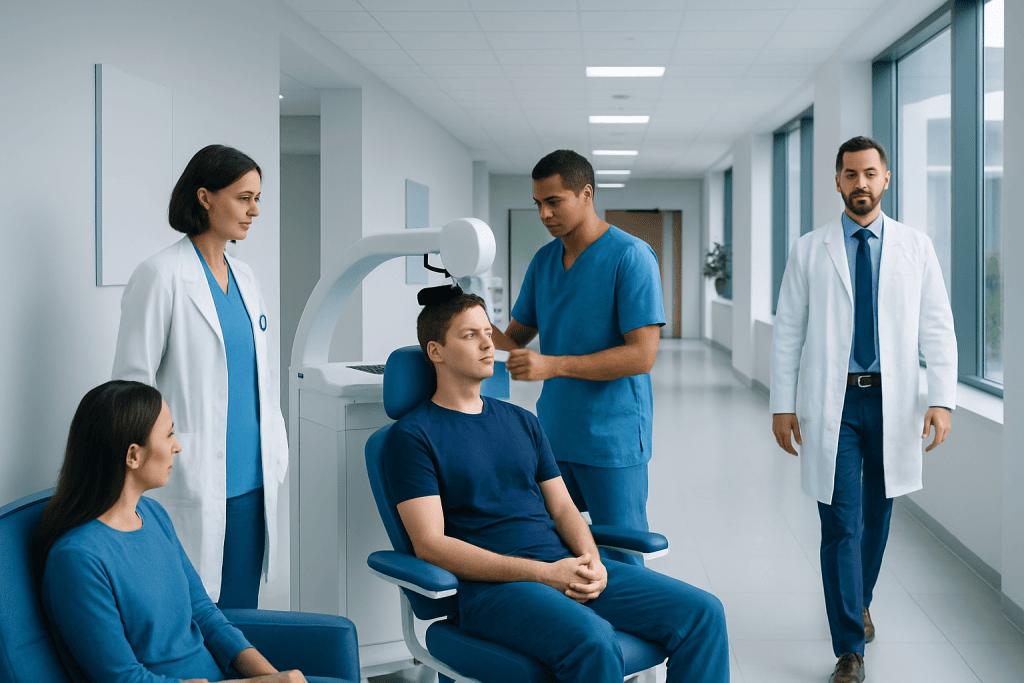
Care is ideally coordinated by specialists in paediatric or sarcoma oncology, surgery, radiation oncology, pathology, radiology, rehabilitation and supportive care. This coordinated approach aims to control the cancer while protecting function, appearance, growth and long-term quality of life wherever possible.
How treatment is planned: diagnosis, staging and candidacy
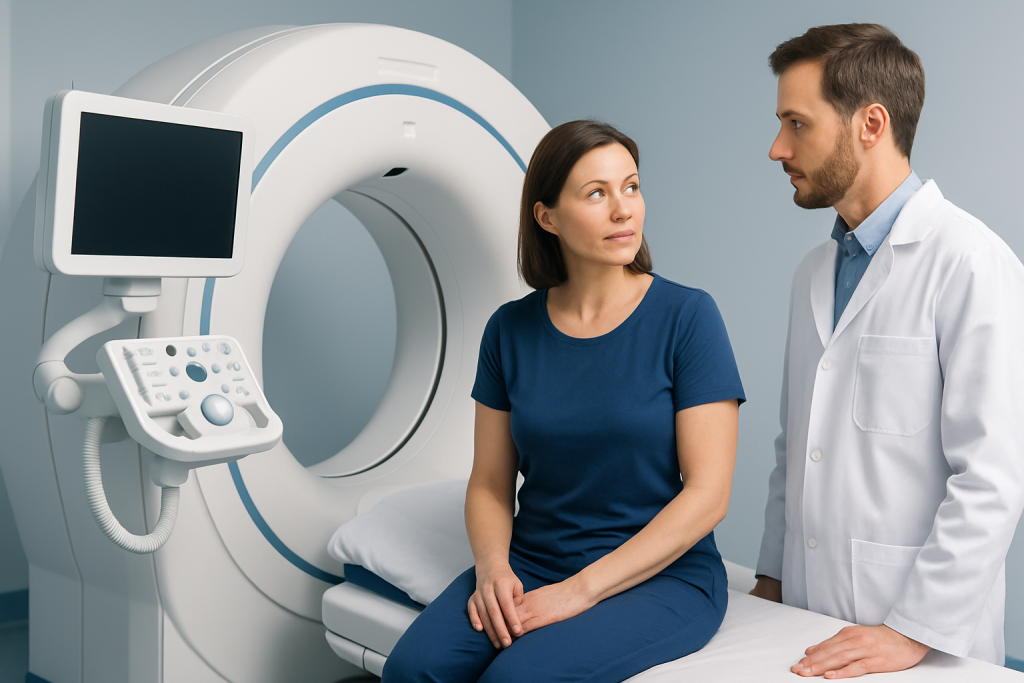
Before treatment begins, doctors confirm the diagnosis with a biopsy. A specialist pathologist examines the tissue and may perform molecular tests, because certain genetic features can help distinguish RMS subtypes and inform risk assessment. Imaging tests, such as magnetic resonance imaging (MRI), computed tomography (CT), positron emission tomography (PET) and bone marrow tests in selected cases, help show the tumour’s extent.
Staging describes whether the cancer is confined to its starting area, involves nearby lymph nodes or has spread to distant organs. Doctors also consider the surgical group, meaning how much tumour remains after any operation, if surgery was performed. These details help determine whether treatment should use standard-risk, intermediate-risk or high-risk approaches.
Not every person needs surgery at the outset. A tumour near the eye, bladder, prostate, spinal structures or important nerves may first be treated with chemotherapy, with radiotherapy and carefully timed surgery considered later. The best candidates for each treatment are identified individually after balancing cancer control against potential effects on organs and function.
- Localized RMS has not spread to distant sites.
- Regional RMS may involve nearby lymph nodes or tissues.
- Metastatic RMS has spread to distant areas, such as the lungs, bone, bone marrow or other organs.
What happens during RMS treatment
Chemotherapy is a central part of RMS treatment and usually starts soon after diagnosis. It is given in cycles over many months, often through a vein or an implanted central line. The drug combination and duration vary by risk group and treatment protocol. Regular blood tests and clinical reviews help the team assess response and manage side effects such as low blood counts, nausea, tiredness, hair loss or infection risk.
Surgery may be used to remove the tumour when this can be done safely without causing unacceptable loss of function. In some cases, a limited biopsy is all that is appropriate initially, followed by chemotherapy and radiotherapy. Reconstructive surgery may be considered when needed to restore appearance or function after tumour removal.
Radiotherapy uses precisely planned high-energy radiation to destroy cancer cells in the original tumour area and, when indicated, affected lymph nodes. It may be recommended when tumour remains after surgery, when surgery would be too damaging, or when there is a higher chance of cancer returning locally. Modern planning techniques aim to limit radiation exposure to nearby healthy tissues.
Supportive care is part of every treatment plan. It can include infection prevention, blood product support, nutritional care, pain management, physiotherapy, fertility counselling where relevant, psychological support and educational support for children and families. Rhabdomyosarcoma treatment may also involve referral to specialist services for rehabilitation and long-term survivorship care.
Benefits, risks and recovery timeline
The main benefit of combined treatment is that it addresses both the primary tumour and cancer cells that may be too small to detect on scans. For localized disease, treatment is often delivered with curative intent. For advanced disease, treatment may still shrink or control cancer, relieve symptoms and, in selected situations, support long-term remission.
Recovery does not follow one fixed timeline. Chemotherapy is often given over approximately six months to a year depending on the protocol, while radiotherapy is generally delivered on weekdays over several weeks. Surgical recovery varies from days to months according to the site and complexity of the operation. Fatigue may continue after active treatment and usually improves gradually.
Possible short-term risks include infections during periods of low white blood cell counts, bleeding or anemia, nausea, mouth sores, bowel changes, skin irritation in the radiation field and temporary or lasting effects on energy levels. Surgery can bring site-specific risks such as pain, scarring, reduced movement or changes in organ function.
Some effects can appear months or years later, particularly in children whose bodies are still growing. These may include changes in growth, fertility, heart function, hormone production, learning, bone development or risk of a second cancer. Long-term follow-up helps identify and address these concerns early, and the care team explains relevant risks before treatment starts.
What is the survival rate for RMS?
Survival rates for rhabdomyosarcoma vary widely, so a single number cannot accurately predict an individual outcome. The most important influences include whether the cancer is localized or metastatic, the tumour subtype, its location, lymph node involvement, genetic findings, response to early chemotherapy and whether complete local control can be achieved.
In general, outcomes are more favorable for many people with localized RMS than for those whose cancer has spread at diagnosis. Embryonal RMS and tumours in certain favorable locations may have a better outlook than alveolar RMS or tumours in higher-risk sites, although individual circumstances differ. Survival statistics also reflect people treated in previous years and may not fully represent current care.
The treating oncologist is best placed to discuss prognosis using the person’s staging results, pathology and treatment response. Asking about the planned risk group, treatment goals and the timing of response assessments can provide more useful guidance than relying on broad statistics alone.
What are the most promising new treatments for rhabdomyosarcoma?
Research into RMS is focused on improving outcomes for high-risk and relapsed disease while reducing long-term side effects for people with lower-risk disease. RMS clinical trials may study new chemotherapy combinations, targeted medicines aimed at cancer-driving pathways, immune-based approaches, improved radiotherapy techniques and ways to tailor treatment more closely to molecular features.
Targeted therapies and immunotherapies are not yet standard treatment for all people with RMS. Their benefit may depend on the tumour’s subtype and molecular profile, and many remain under investigation. Genetic and molecular testing can help identify whether a tumour has features that may be relevant to a trial or an individualized treatment discussion.
For some patients, a clinical trial can be a reasonable option at diagnosis, after relapse or when standard treatments have limited benefit. Participation is voluntary, and clinicians should explain the purpose of the study, potential benefits, uncertainties, alternatives and additional visits or tests. A specialist sarcoma centre can advise whether suitable trials are available.
What are the characteristics of Stage 4 RMS cancer?
Stage 4 RMS cancer generally means rhabdomyosarcoma has spread from the original site to distant parts of the body at diagnosis. Common sites of spread can include the lungs, bone, bone marrow and distant lymph nodes, though the pattern differs from person to person. Stage 4 disease is also called metastatic RMS.
Symptoms depend on the primary tumour and where it has spread. Some people have symptoms related to the original mass, such as swelling, pain, changes in urination or bowel habits, nasal symptoms or reduced movement. Others may have few symptoms from metastatic sites, which is why complete staging scans and tests are important.
Treatment generally includes systemic chemotherapy together with individualized local treatment to the primary tumour and, in some circumstances, sites of spread. Stage 4 RMS is more challenging to treat than localized disease, but treatment decisions should be made by an experienced multidisciplinary team and reviewed as response information becomes available.
How quickly does rhabdomyosarcoma spread and when to seek medical care
Rhabdomyosarcoma can grow and spread relatively quickly, but its pace is not the same in every person. Growth rate depends on the tumour subtype, location and biological characteristics. A new or enlarging lump, persistent unexplained swelling, a mass that seems deep or firm, ongoing pain, unusual bleeding, persistent nasal blockage, a bulging eye, or new urinary or bowel difficulties should be assessed promptly by a doctor.
Urgent medical assessment is important for symptoms such as trouble breathing, severe or worsening pain, weakness, new loss of bladder or bowel control, significant bleeding, fever during chemotherapy, or signs of infection. During active treatment, the oncology team should provide clear instructions on when to call immediately and where to seek emergency care.
Early evaluation does not mean a symptom is cancer; many lumps and symptoms have non-cancerous causes. However, timely examination and appropriate imaging or referral can help establish the cause. Acibadem International’s multidisciplinary specialists and JCI-accredited hospitals diagnose and treat rhabdomyosarcoma for international patients, with care plans coordinated across relevant specialties.
Frequently asked questions
Is RMS treatable?
Yes, rhabdomyosarcoma is treatable, and many cases of localized RMS are treated with the aim of cure. Treatment usually combines chemotherapy with surgery, radiotherapy or both. The likelihood of successful treatment depends on the subtype, location, stage, response to therapy and other individual factors.
What does RMS mean in cancer care?
In cancer care, RMS usually means rhabdomyosarcoma. It is a soft-tissue sarcoma that develops from immature cells that can form skeletal muscle. It is different from rhabdomyolysis, a non-cancerous condition involving muscle breakdown.
Is surgery always needed for rhabdomyosarcoma?
No. Surgery is useful when the tumour can be removed safely, but it is not always the first or best option. Chemotherapy and radiotherapy may be used to shrink or control tumours in areas where surgery could seriously affect important organs or function.
How long does RMS treatment last?
The overall treatment course commonly lasts several months and may extend to about a year, depending on the risk group and treatments required. Chemotherapy is usually delivered in cycles, while radiotherapy and surgery have their own schedules. Follow-up monitoring continues for years after active therapy ends.
Can rhabdomyosarcoma come back after treatment?
Rhabdomyosarcoma can recur, either near the original site or elsewhere in the body. Follow-up appointments, examinations and imaging when clinically needed are designed to monitor for recurrence and treatment effects. New or persistent symptoms between scheduled visits should be discussed with the care team.
Are clinical trials available for RMS?
Clinical trials may be available for newly diagnosed, high-risk or relapsed rhabdomyosarcoma. They test approaches such as new drug combinations, targeted therapies, immune-based treatments or refined radiation techniques. Eligibility depends on factors including age, previous treatment, tumour subtype and disease extent.
References
- National Cancer Institute
- American Cancer Society
- Children’s Oncology Group
- European Society for Paediatric Oncology
- World Health Organization
This article is for general information only and is not a substitute for professional medical advice. Please consult a qualified doctor about your individual situation.
Oncology care in Turkey — second opinion and treatment plan
JCI-accredited · board-certified surgeons · reply within 24h
Add us as a Preferred Source to see more of our trusted health content across Google Search, AI Overviews and Discover.

More from the Health Library

Related Specialists
Dr. Emel Çolakoğlu
Ophthalmology
Dr. Mustafa Şener Yıldırım
Intensive Care
Fzt. Gizem Sevimli
Physical Medicine & Rehabilitation
Dr. Bakytbek Kazybaev
Cardiovascular Surgery