Saline Solution for Nebulizer: A Complete Medical Overview
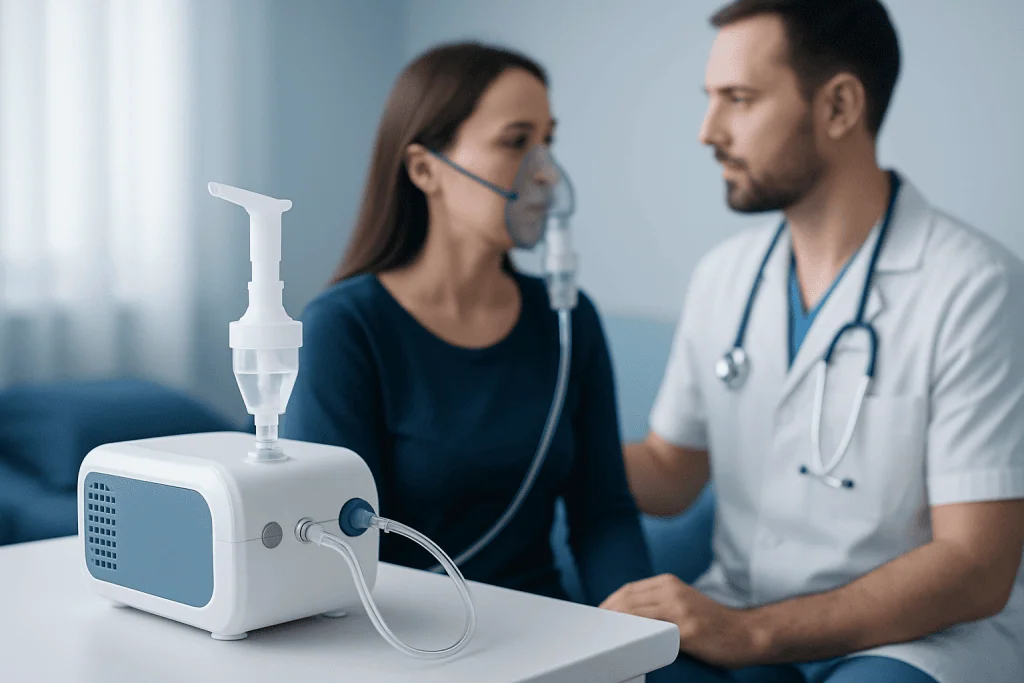
Nebulized saline is commonly used to hydrate the airways and make mucus easier to clear. Only sterile saline products intended for inhalation should be used in a nebulizer unless a clinician gives different instructions.
Key Takeaways
- Nebulized saline is commonly used to hydrate the airways and make mucus easier to clear.
- Only sterile saline products intended for inhalation should be used in a nebulizer unless a clinician gives different instructions.
- Saline is not a substitute for rescue medication in severe breathing distress or an asthma attack.
- Careful cleaning of the nebulizer is important to reduce contamination and infection risk.
- Medical advice is especially important for infants, older adults, and people with chronic lung or heart conditions.
Saline solution for nebulizer is usually sterile salt water inhaled as a fine mist to add moisture to the airways and help loosen mucus. It may be used on its own or alongside prescribed inhaled medicines, but the right type, amount, and frequency should be guided by a qualified clinician.
What saline solution for nebulizer is and what it does
Saline solution for nebulizer is sterile salt water that is turned into a mist and inhaled through a mask or mouthpiece. In simple terms, it helps add moisture to the breathing passages. This can make thick or sticky mucus easier to loosen and clear, and it may also reduce dryness and irritation in the nose, throat, or lower airways.
Most often, nebulized saline is used as supportive care rather than a cure for the underlying cause of symptoms. It does not treat every breathing problem on its own, but it can be helpful in people who feel congested, have thick secretions, or need airway humidification. Depending on the situation, a doctor may recommend saline alone or as part of a broader care plan for conditions such as asthma or bronchitis.
Saline used in nebulizers may come in different strengths, including normal saline and hypertonic saline. Normal saline is gentler and commonly used for humidification. Hypertonic saline has a higher salt concentration and may draw water into the airways, which can help move mucus, but it may also trigger coughing or airway irritation in some people. For that reason, stronger saline solutions should only be used when specifically recommended.
When nebulized saline may be recommended
Clinicians may suggest nebulized saline when a person has thick mucus, dryness in the airways, or difficulty clearing secretions. It is used in some children and adults with viral respiratory illnesses, chronic mucus production, or recovery after certain respiratory treatments. In some cases, saline is used before chest physiotherapy or other airway clearance techniques to make mucus easier to remove.
It may also be used together with inhaled medicines. For example, some treatment plans involve bronchodilator therapy delivered by nebulizer, such as bronchodilator therapy, followed by other measures to help open the airways and improve mucus clearance. In other situations, a healthcare professional may combine or sequence saline with nebulizer treatment using prescribed medications, depending on the diagnosis and symptoms.
However, not every cough, wheeze, or blocked nose should be treated with nebulized saline at home. The decision depends on age, overall health, the cause of symptoms, and whether there are warning signs such as labored breathing, fever, bluish lips, chest pain, or poor feeding in infants. When symptoms are persistent or unclear, medical assessment is the safest approach.
Types of saline and why sterile products matter

The safest option for a nebulizer is a sterile saline product specifically intended for inhalation. This is important because the lungs are sensitive, and any contamination can introduce germs or particles into the airways. Homemade salt water, tap water, or nonsterile nasal rinses should not be placed into a nebulizer unless a clinician has given clear instructions, because they may not be safe for inhalation.
Normal saline usually contains 0.9% sodium chloride and is commonly used to moisturize the airways. Hypertonic saline contains a higher salt concentration and may be recommended in selected conditions involving thick mucus. Because hypertonic saline can sometimes provoke coughing or temporary airway narrowing, some patients need supervised first use or a bronchodilator beforehand.
The saline product should match the reason for treatment. A person may see terms such as preservative-free, sterile, single-use, or inhalation solution on the label. These details matter. Preservatives that are acceptable in some other products may irritate the airways when inhaled. If there is any uncertainty, a pharmacist, respiratory therapist, or doctor can confirm whether a saline solution is appropriate for nebulizer use.
- Use only sterile saline labeled for inhalation when possible.
- Do not substitute tap water or homemade saline.
- Check whether the product is normal saline or hypertonic saline.
- Follow storage and single-use instructions on the packaging.
How to use saline in a nebulizer safely
A nebulizer turns liquid into a breathable mist using compressed air, ultrasonic vibration, or mesh technology. The medicine cup is filled with the amount prescribed or advised, and the mist is inhaled through a mouthpiece or face mask while breathing calmly. Good technique matters, because it affects how much mist actually reaches the airways.
Hands should be washed before handling the saline or nebulizer parts. The mask or mouthpiece should fit well, and the session should be done in an upright, comfortable position whenever possible. During treatment, slow relaxed breathing is usually recommended. Young children may need close supervision to keep the mask in place and to watch for any signs of distress.
Cleaning is a crucial part of safe nebulizer use. After each session, the medication cup and removable parts should be cleaned according to the manufacturer’s instructions and the advice of the healthcare team. Parts usually need regular disinfection and complete air-drying. A poorly cleaned device can harbor bacteria or mold, which may lead to infection or airway irritation. Some people with chronic lung disease may also benefit from specialist support, including respiratory therapy and rehabilitation as part of long-term care.
Benefits, limits, and possible side effects
The main benefit of saline nebulization is airway hydration. By moistening secretions and airway surfaces, it can make coughing more productive and reduce the sensation of dryness. Some people find that this improves comfort, particularly during respiratory infections, in dry environments, or when mucus is thick.
At the same time, saline has limits. It does not replace antibiotics when a bacterial infection needs treatment, and it does not act like a rescue inhaler during severe breathing tightness. In someone with wheezing, shortness of breath, or chest tightness, the treatment plan may need medications that target airway narrowing or inflammation rather than saline alone.
Possible side effects are usually mild but can include coughing, throat irritation, a salty taste, or temporary discomfort during inhalation. Hypertonic saline is more likely than normal saline to trigger coughing or bronchospasm, especially in people with reactive airways. If symptoms worsen during treatment, the nebulizer should be stopped and medical advice sought. People who have known lung disease, repeated wheezing, or a diagnosis such as COPD should use saline under professional guidance.
Who should be especially cautious
Infants, very young children, older adults, and people with chronic heart or lung disease may need individualized advice before using nebulized saline. These groups can be more sensitive to changes in breathing, and they may have difficulty explaining symptoms or using the equipment correctly. A doctor may also want to identify the true cause of congestion or cough before recommending treatment.
People with asthma or a history of bronchospasm should be particularly careful with hypertonic saline, because it can sometimes narrow the airways temporarily. If a clinician has prescribed saline in this setting, they may also recommend another inhaled medicine first or advise the first dose under supervision. Individuals with severe breathing symptoms should not rely on saline as self-treatment.
Anyone who is immunocompromised or has a history of frequent chest infections should pay close attention to hygiene and product selection. Single-use sterile vials may reduce contamination risk. A clinician or respiratory specialist can advise on whether a nebulizer is appropriate and whether other approaches, such as inhalers, humidification, chest physiotherapy, or further testing, are better suited to the person’s needs.
When to seek medical care
Medical advice is important if breathing symptoms are new, severe, recurring, or not improving. A doctor should assess any person who has rapid breathing, persistent wheezing, chest pain, fever that does not settle, dehydration, or symptoms that interfere with sleep, daily activity, or feeding. In babies and small children, poor feeding, unusual sleepiness, grunting, or visible pulling in of the chest with breathing should be treated urgently.
Emergency care is needed for severe shortness of breath, bluish lips or face, confusion, fainting, or a person who cannot speak in full sentences because of breathlessness. Saline nebulization is not emergency treatment for a severe asthma attack or significant respiratory distress. If a prescribed rescue medicine is available, it should be used exactly as directed while urgent help is sought.
When symptoms continue despite home care, clinicians may recommend examination, lung function testing, imaging, or other treatment depending on the cause. Near the end of the care pathway, some patients may benefit from multidisciplinary respiratory assessment. Acibadem International’s multidisciplinary specialists in JCI-accredited hospitals diagnose and treat respiratory conditions for international patients when further evaluation is needed.
Frequently asked questions
Can saline solution be used in any nebulizer?
Many nebulizers can deliver sterile saline, but the product and device should be compatible and used according to the manufacturer’s instructions. A clinician or pharmacist can confirm whether a specific saline solution is suitable for a particular machine.
Is saline solution for nebulizer the same as contact lens saline or nasal rinse solution?
No. Products made for contact lenses or some nasal rinses are not automatically safe for inhalation. For nebulizer use, sterile saline intended for inhalation is the safest choice unless a healthcare professional advises otherwise.
Can nebulized saline help with cough and mucus?
It may help by moistening the airways and thinning secretions, which can make mucus easier to clear. However, it does not treat every cause of cough, so persistent or worsening symptoms still need medical assessment.
What is the difference between normal saline and hypertonic saline in a nebulizer?
Normal saline is gentler and is often used to hydrate the airways. Hypertonic saline contains more salt and may help draw water into the airways to loosen mucus, but it can also cause more coughing or irritation in some people.
Can a person make saline at home for a nebulizer?
Homemade saline should not be used in a nebulizer unless a clinician specifically instructs otherwise. Nonsterile mixtures may carry germs or particles that can irritate the lungs or increase infection risk.
How often can saline be used in a nebulizer?
The best schedule depends on age, symptoms, the type of saline, and any underlying lung condition. Because overuse or the wrong concentration may cause irritation, frequency should follow the healthcare team’s advice.
References
- American Lung Association
- National Heart, Lung, and Blood Institute
- American Academy of Pediatrics
- National Health Service
- European Respiratory Society
This article is for general information only and is not a substitute for professional medical advice. Please consult a qualified doctor about your individual situation.
Explore treatments in Turkey — costs, top hospitals & a free quote
JCI-accredited · board-certified surgeons · reply within 24h
Add us as a Preferred Source to see more of our trusted health content across Google Search, AI Overviews and Discover.