Scopophobia: Symptoms, Causes, and Treatment — Complete Patient Guide

Scopophobia is more than shyness; it is a fear response that can disrupt everyday activities. Common signs include anxiety in social settings, avoidance, and physical symptoms such as sweating or a racing heart.
Key Takeaways
- Scopophobia is more than shyness; it is a fear response that can disrupt everyday activities.
- Common signs include anxiety in social settings, avoidance, and physical symptoms such as sweating or a racing heart.
- It may occur on its own or alongside social anxiety, panic symptoms, trauma-related distress, or body-image concerns.
- Diagnosis is based on a clinical mental health assessment rather than a blood test or scan.
- Treatment often includes psychotherapy, especially cognitive behavioral therapy, and sometimes medication.
Scopophobia is an intense, persistent fear of being looked at, watched, or stared at by other people. It can affect daily life, relationships, school, or work, but with proper assessment and treatment, many people improve significantly.
What is scopophobia?
Scopophobia is an intense fear of being watched, looked at, or stared at by other people. A person with scopophobia may feel overwhelming self-consciousness, anxiety, or panic when they believe attention is focused on them, even in ordinary situations such as speaking in class, walking into a room, eating in public, or making eye contact.
This fear is not simply a personality trait or ordinary nervousness. Many people feel shy from time to time, but scopophobia is more persistent and distressing. It can lead to avoidance of social situations, interfere with work or school, and limit relationships or independence.
Scopophobia is often discussed in relation to anxiety disorders, especially social anxiety disorder, because the symptoms can overlap. However, the fear in scopophobia centers specifically on being observed or scrutinized. A careful clinical evaluation helps clarify whether it is a specific phobia, part of social anxiety, or linked to another mental health condition.
Symptoms and how scopophobia can affect daily life
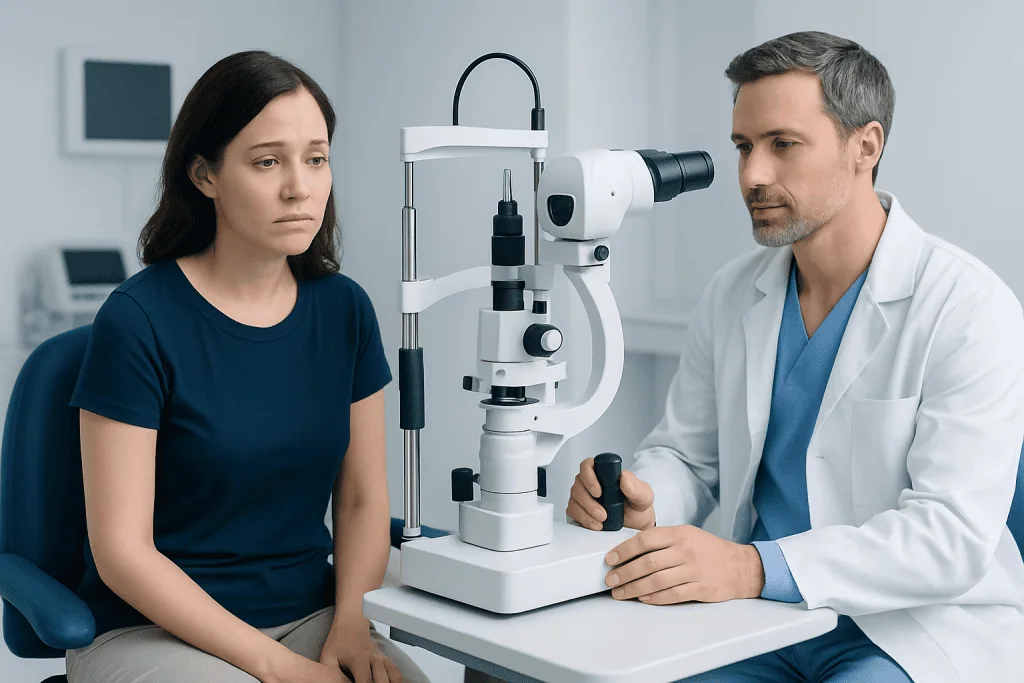
The symptoms of scopophobia can be emotional, physical, and behavioral. Emotionally, a person may feel dread, embarrassment, shame, or a strong urge to escape when they think others are looking at them. Some people recognize that their fear is stronger than the actual situation would suggest, but still feel unable to control it in the moment.
Physical symptoms often reflect the body’s stress response. These may include a racing heartbeat, sweating, trembling, shortness of breath, nausea, dizziness, blushing, muscle tension, or a sense of panic. In some people, the fear becomes so intense that it resembles a panic attack, especially in crowded or highly visible settings.
Behavioral signs usually involve avoidance. A person may avoid eye contact, public speaking, video calls, meetings, social gatherings, restaurants, public transportation, or any situation where attention might fall on them. Some may wear clothing, hats, or makeup in ways that help them feel less noticeable.
Over time, this pattern can affect many parts of life:
- Reduced participation at school or work
- Difficulty forming or maintaining relationships
- Avoidance of routine appointments or errands
- Lower confidence and increasing isolation
- Stress, low mood, or worsening anxiety
What causes scopophobia and who is at risk?
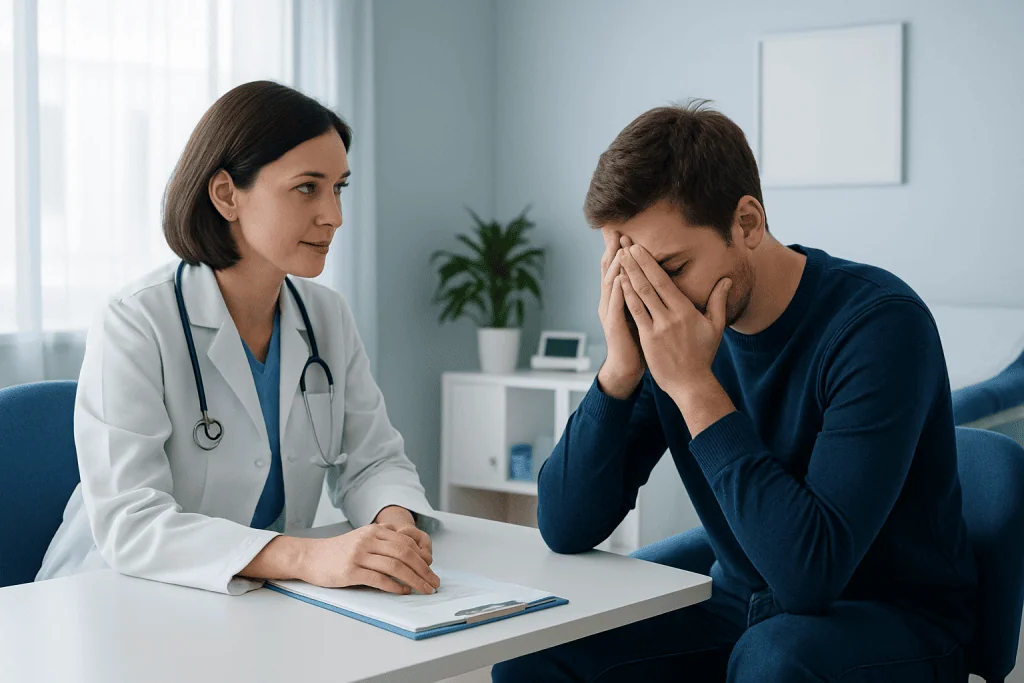
There is no single cause of scopophobia. Like many phobias, it likely develops through a mix of psychological, biological, and social factors. Some people have a general tendency toward anxiety, while others develop the fear after difficult experiences such as bullying, humiliation, harsh criticism, public embarrassment, or trauma.
Scopophobia may also be linked with other mental health concerns. It can appear alongside panic attacks, social anxiety, depression, body-image distress, or trauma-related symptoms. In some cases, a person may become highly aware of blushing, shaking, sweating, or a visible medical condition and start fearing that others will notice and judge them.
Risk factors can include a family history of anxiety disorders, a naturally sensitive or inhibited temperament, chronic stress, and repeated negative social experiences. Adolescence and young adulthood are common times for social fears to become more noticeable, though scopophobia can affect people at any age.
It is important to remember that the fear is not a sign of weakness or lack of willpower. Phobic reactions involve real nervous system responses. Understanding this can help reduce self-blame and encourage people to seek support earlier.
How doctors diagnose scopophobia
Diagnosis begins with a detailed conversation about symptoms, triggers, daily functioning, and medical and mental health history. A doctor, psychiatrist, or psychologist will ask when the fear started, how often it happens, how severe it feels, and what situations are avoided because of it. They will also explore whether other conditions, such as broader social anxiety or panic symptoms, may be present.
There is no single laboratory test or brain scan that confirms scopophobia. Instead, diagnosis is clinical and based on patterns of fear, distress, avoidance, and the impact on daily life. The evaluation may include standardized questionnaires about anxiety, mood, or trauma-related symptoms to help build a clear picture.
Sometimes medical issues can contribute to symptoms that resemble anxiety, such as palpitations, dizziness, or tremor. A clinician may therefore review physical health, medications, sleep, caffeine use, and other factors. This helps ensure that treatment addresses the full situation rather than only the visible symptoms.
Accurate diagnosis matters because treatment depends on the underlying problem. For example, someone with a specific fear of being watched may benefit from a slightly different therapeutic focus than someone whose main difficulty is a broader pattern of social anxiety or recurrent panic.
Treatment options for scopophobia
Scopophobia can be treated, and many people improve with structured care. Psychotherapy is usually the main treatment. In particular, cognitive behavioral therapy helps people identify unhelpful thought patterns, understand fear responses, and gradually face feared situations in a safe, planned way. Exposure-based techniques may be introduced step by step so that the person can build confidence without becoming overwhelmed.
Other forms of therapy may also help, especially when the fear is connected to trauma, self-esteem, or relationship difficulties. Treatment can include relaxation skills, breathing strategies, attention training, and practical ways to reduce avoidance. If symptoms are part of a broader mental health condition, the care plan may also address that condition directly through psychiatric evaluation and treatment.
Medication is not the right choice for everyone, but it may be considered when anxiety is severe, persistent, or linked with depression or frequent panic symptoms. A doctor may discuss anti-anxiety or antidepressant medicines as part of a wider treatment plan. Medication decisions should always be individualized and monitored by a qualified clinician.
For some people, a combination approach works best. Therapy can reduce the fear itself, while lifestyle support and, when appropriate, medication can make it easier to engage in treatment and return to usual activities. In selected cases where anxiety is strongly tied to visible bodily symptoms such as blushing or trembling, clinicians may also evaluate related conditions and supportive care options, including psychological counseling.
Self-care, coping strategies, and prevention
Self-care does not replace professional treatment, but it can support recovery. One helpful step is learning to notice early signs of anxiety and using calming strategies before fear peaks. Slow breathing, grounding techniques, regular sleep, limiting excess caffeine, and maintaining a predictable daily routine can all reduce the intensity of physical anxiety symptoms.
It can also help to reduce avoidance gradually rather than all at once. For example, a person might begin by practicing brief eye contact with a trusted friend, then attending a small gathering, and later joining a meeting or class discussion. Small, repeated steps often work better than forcing a major exposure before someone feels ready.
Support from family or friends can make a meaningful difference. Loved ones can help by listening without judgment, avoiding criticism, and encouraging treatment rather than speaking for the person or helping them avoid every trigger. Keeping a simple journal of situations, thoughts, physical symptoms, and progress may also reveal patterns and improvements over time.
There is no guaranteed way to prevent scopophobia, but early attention to anxiety, bullying, trauma, or growing social withdrawal may reduce long-term impact. When fear begins to change everyday choices, professional support is often the most effective next step.
When to seek medical care
It is a good idea to seek medical or mental health care if fear of being watched is persistent, causes distress, or starts affecting daily life. This includes avoiding school, work, public places, social events, healthcare appointments, or routine tasks because of fear that others may look at or judge you.
Prompt evaluation is especially important if symptoms are worsening, panic attacks are occurring, sleep is being disrupted, or low mood is developing. Anyone who feels hopeless, severely isolated, or unable to function safely should seek urgent professional help. A qualified clinician can assess whether scopophobia is present and whether related conditions need treatment as well.
In complex cases, multidisciplinary assessment may be helpful. Acibadem International’s multidisciplinary specialists and JCI-accredited hospitals diagnose and treat anxiety-related conditions for international patients, with care tailored to the individual’s symptoms and overall health.
Frequently asked questions
Is scopophobia the same as social anxiety?
Not exactly. Scopophobia refers specifically to fear of being watched, stared at, or observed, while social anxiety is broader and can include fear of embarrassment, criticism, or judgment in many social situations. However, the two can overlap, and some people experience both.
Can scopophobia cause panic attacks?
Yes, it can. If the fear becomes intense, a person may develop symptoms such as chest tightness, rapid heartbeat, dizziness, trembling, or a strong urge to escape. These symptoms can resemble or trigger a panic attack.
What triggers scopophobia?
Triggers vary from person to person. Common examples include public speaking, eating in public, entering crowded places, being photographed or recorded, making eye contact, or feeling visually exposed in a group. Past embarrassment, bullying, or trauma may make these triggers stronger.
Can scopophobia go away without treatment?
Mild symptoms may improve if stress decreases or confidence grows, but persistent scopophobia often continues without targeted help. Avoidance can sometimes make the fear more entrenched over time. Professional treatment can reduce symptoms and improve daily functioning.
How is scopophobia treated?
Treatment usually focuses on psychotherapy, especially cognitive behavioral therapy and gradual exposure techniques. Some people also benefit from medication when anxiety is severe or occurs with depression or panic symptoms. A clinician can tailor treatment to the person's needs and diagnosis.
When should someone get help for scopophobia?
Help is recommended when fear is persistent, distressing, or starts limiting work, school, relationships, or routine activities. It is also important to seek care if panic attacks, depressed mood, or strong social withdrawal are present. Early support often makes treatment easier and more effective.
References
- National Institute of Mental Health
- American Psychiatric Association
- National Health Service
- Mayo Clinic
- World Health Organization
This article is for general information only and is not a substitute for professional medical advice. Please consult a qualified doctor about your individual situation.
Explore treatments in Turkey — costs, top hospitals & a free quote
JCI-accredited · board-certified surgeons · reply within 24h
Add us as a Preferred Source to see more of our trusted health content across Google Search, AI Overviews and Discover.