Side Neck Pain Left Side: Possible Causes and When to Seek Care

Most left-sided neck pain is caused by muscle strain, posture problems, or minor joint irritation. Pain that shoots into the arm, causes numbness, or follows an injury may suggest nerve or spine involvement.
Key Takeaways
- Most left-sided neck pain is caused by muscle strain, posture problems, or minor joint irritation.
- Pain that shoots into the arm, causes numbness, or follows an injury may suggest nerve or spine involvement.
- Self-care such as rest, gentle movement, heat or ice, and posture changes can often help mild cases.
- Urgent assessment is important if neck pain comes with weakness, fever, severe headache, chest pain, or trouble breathing.
- A medical evaluation may include a physical exam and, when needed, imaging or other tests to identify the cause.
Side neck pain left side is commonly linked to muscle strain, posture-related tension, or irritation in the joints and soft tissues of the neck. In some cases, it can also relate to nerve compression, infection, or referred pain from nearby structures, so the pattern of symptoms matters.
Overview: what left-sided neck pain can mean
Side neck pain left side is usually caused by a problem in the muscles, tendons, ligaments, or small joints of the neck. A strained muscle after sleeping in an awkward position, long hours at a desk, stress-related muscle tension, or overuse during exercise are among the most common reasons. For many people, the pain improves within days to a few weeks with simple self-care.
However, neck pain is not a single condition. The exact cause often depends on where the pain is felt, whether it stays in one spot or spreads, and whether there are other symptoms such as headache, numbness, dizziness, sore throat, or shoulder pain. Pain on the left side may come from tissues in the neck itself or be referred from nearby areas, including the shoulder, jaw, or upper back.
This symptom is best understood by looking at the pattern rather than the side alone. Mild stiffness after sleeping awkwardly is different from pain that follows an accident, wakes a person at night, or travels down the arm. Recognizing those differences can help guide the next step, whether that is home care, a routine medical visit, or urgent assessment.
Common symptoms that can occur with left side neck pain
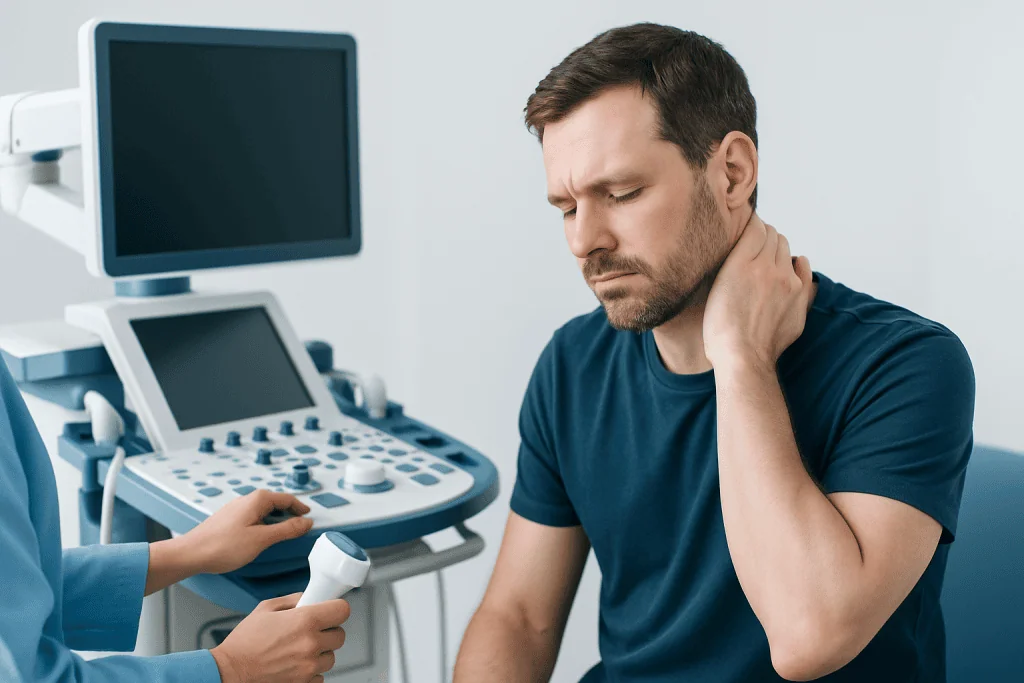
Left-sided neck pain may feel dull, tight, aching, sharp, or burning. Some people mainly notice stiffness and reduced ability to turn the head, while others feel a tender spot along the side of the neck. The discomfort may be worse after computer work, carrying a bag on one shoulder, exercise, or sleeping with poor neck support.
Additional symptoms can help narrow down the cause. Muscle-related pain often feels sore or tight and may improve with rest, gentle stretching, or heat. Joint irritation can cause pain with turning or tilting the head. If a nerve is irritated, the pain may shoot into the shoulder, arm, or hand and may come with tingling, numbness, or weakness.
Other associated symptoms deserve closer attention because they may point away from a simple strain. These include fever, swollen glands, severe headache, sore throat, dizziness, balance problems, jaw pain, chest discomfort, or pain after trauma. In some cases, neck pain is part of a broader problem such as a herniated disc or another spine-related condition.
- Localized soreness or stiffness
- Pain when turning the head left or right
- Headache starting at the base of the skull
- Shoulder or upper back tightness
- Tingling, numbness, or weakness in the arm
- Fever, swelling, or significant tenderness
Possible causes of side neck pain on the left

The most common cause is muscle strain. This can happen after sleeping in an awkward position, working at a screen without support, carrying heavy bags, repeated lifting, or sudden neck movement. Stress can also contribute by making the neck and shoulder muscles tighten for long periods. In these cases, the pain often feels tender or stiff rather than deep or electric.
Another frequent source is irritation in the joints of the cervical spine. Age-related wear, inflammation, or minor mechanical strain can affect the small facet joints that help the neck move. Disc problems can also cause one-sided pain, especially if a disc bulges or presses on a nerve root. This may lead to pain that radiates into the shoulder or arm, similar to cervical herniated disc symptoms.
Less common causes include swollen lymph nodes, throat or dental infections, temporomandibular joint problems, and referred pain from the shoulder. In rare cases, serious conditions such as meningitis, certain inflammatory diseases, fractures, or vascular problems can involve the neck. Left-sided neck pain is not usually a heart symptom, but pain that occurs with chest pressure, sweating, nausea, or shortness of breath needs urgent medical attention.
Risk factors include poor posture, prolonged device use, physically demanding work, stress, previous neck injury, arthritis, and weak supporting muscles around the neck and upper back. Understanding these contributors can help explain why pain develops and how it can be prevented from returning.
How doctors evaluate the cause
Diagnosis begins with a detailed history. A doctor may ask when the pain started, whether there was an injury, what movements make it worse, and whether there are related symptoms such as headache, fever, arm numbness, or weakness. Information about work habits, sleep position, exercise, and previous spine problems is also useful.
The physical examination usually includes checking posture, range of motion, muscle tenderness, and areas of spasm. The doctor may also test strength, reflexes, and sensation in the arms to see whether a nerve might be involved. If the pain is linked to the shoulder, jaw, throat, or lymph nodes, those areas may be examined as well.
Many cases of uncomplicated neck strain do not need imaging right away. X-rays, MRI, CT, or other tests may be considered if symptoms are severe, persistent, follow trauma, or suggest nerve compression, infection, or another structural problem. When the clinical picture points to a spine-related cause, evaluation may include advanced imaging and, in selected cases, MRI scan assessment to look at discs, nerves, and soft tissues in more detail.
Treatment options for left-sided neck pain
Treatment depends on the cause, severity, and duration of symptoms. For mild strain or posture-related pain, doctors often recommend a short period of relative rest, gentle movement, and practical changes such as improving workstation setup or pillow support. Heat or ice may be suggested depending on what feels more comfortable. Many people improve without invasive treatment.
When pain lasts longer or affects daily life, structured care may help. This can include targeted exercises, posture training, stretching, and manual techniques guided by a qualified professional. In some cases, a doctor may recommend physical therapy and rehabilitation to improve mobility, reduce muscle tension, and support recovery in a safe way.
If nerve irritation or a disc problem is suspected, treatment may be tailored to reduce pressure on the affected structures and maintain function. Some people benefit from a broader spine evaluation, especially if symptoms travel into the arm or recur. Depending on the findings, the care plan may overlap with approaches used for spine surgery candidates, although surgery is usually reserved for selected cases such as significant nerve compression, progressive weakness, or persistent pain that does not respond to conservative measures.
Most people do not need surgery. The main goals are to relieve pain, restore movement, improve sleep and daily activity, and prevent recurrence by addressing posture, strength, and movement habits.
Self-care and prevention strategies
Simple measures can support healing in many mild cases. Gentle neck movement is usually better than complete immobility for long periods, unless a doctor has advised otherwise after an injury. Short breaks from screens, adjusting monitor height, and keeping the shoulders relaxed may reduce ongoing strain. A supportive sleep position can also make a difference.
Prevention focuses on reducing repeated stress on the neck. This means setting up a workstation so the head is not held forward for long periods, using both shoulders evenly when carrying loads, and building strength in the upper back and shoulder blade muscles. Regular activity and stretching can help maintain mobility.
Helpful self-care steps may include:
- Applying heat or ice for short periods if it relieves discomfort
- Taking frequent movement breaks during desk work or travel
- Using a pillow that keeps the neck in a neutral position
- Avoiding sudden heavy lifting when the neck is already painful
- Practicing stress reduction if tension contributes to muscle tightness
If pain continues to return, a medical review may be useful to look for an underlying mechanical issue or an unrecognized shoulder, jaw, or spine problem. Near the end of the care pathway, some international patients may choose assessment at centers such as Acibadem International, where multidisciplinary specialists in JCI-accredited hospitals diagnose and treat neck and spine conditions.
When to seek medical care
Medical advice is appropriate if side neck pain left side lasts more than a few days without improvement, keeps returning, or interferes with sleep, work, or normal movement. A routine appointment is also sensible if the pain spreads into the shoulder or arm, or if there is tingling, numbness, or weakness.
Prompt or urgent care is important after a fall, sports injury, car accident, or any trauma that could affect the neck. Immediate assessment is also needed if neck pain occurs with fever, a severe headache, confusion, trouble walking, loss of bladder or bowel control, chest pain, shortness of breath, or sudden arm weakness. These symptoms may point to a condition that needs rapid evaluation.
It is also important to seek care for swollen glands, persistent sore throat, unexplained weight loss, or pain that is severe, worsening, or present at rest and at night. While these situations are less common, they should not be ignored. A qualified doctor can determine whether the cause is a straightforward strain or something that needs specific treatment.
Frequently asked questions
Why does the left side of the neck hurt?
The left side of the neck often hurts because of muscle strain, tension, poor posture, or irritation in the small joints of the neck. It can also come from a pinched nerve, shoulder problems, swollen lymph nodes, or referred pain from nearby structures.
Can side neck pain left side be caused by sleeping wrong?
Yes. Sleeping with the neck twisted or unsupported can strain the muscles and joints on one side of the neck. This type of pain usually improves over several days with gentle movement, supportive positioning, and simple self-care.
When is left-sided neck pain a sign of something serious?
It may be more serious if it follows an injury or comes with fever, severe headache, weakness, numbness, chest pain, shortness of breath, or trouble walking. Pain that is intense, worsening, or present at night also deserves medical assessment.
How long should side neck pain left side last?
Mild muscle-related neck pain often improves within a few days to two weeks. If symptoms persist, keep returning, or begin to affect arm strength or sensation, a doctor should evaluate the cause.
What helps left side neck pain at home?
Many people feel better with relative rest, gentle stretching, heat or ice, and improved posture during work and sleep. Long periods of complete immobility are usually not helpful unless a doctor has advised them after trauma.
Can a pinched nerve cause pain on one side of the neck?
Yes. A pinched or irritated nerve in the cervical spine can cause one-sided neck pain that may travel into the shoulder, arm, or hand. Tingling, numbness, or weakness make nerve involvement more likely and should be assessed.
References
- National Institute of Neurological Disorders and Stroke
- American Academy of Orthopaedic Surgeons
- National Health Service
- Mayo Clinic
- MedlinePlus
This article is for general information only and is not a substitute for professional medical advice. Please consult a qualified doctor about your individual situation.
Joint and spine care in Turkey — expert assessment & treatment
JCI-accredited · board-certified surgeons · reply within 24h
Add us as a Preferred Source to see more of our trusted health content across Google Search, AI Overviews and Discover.

More from the Health Library



Related Specialists

Dr. Şenol Coşkun
Cardiology
Dt. Ceren Ayözger
Dentistry
Assoc. Prof. Dr. Işil Yıldız
Gastrointestinal Oncology Unit Clinical Service
Dr. Feyha Kahya Aydoğan
Ear Nose & Throat