Sids Treatment: How It Works, Results and What to Expect
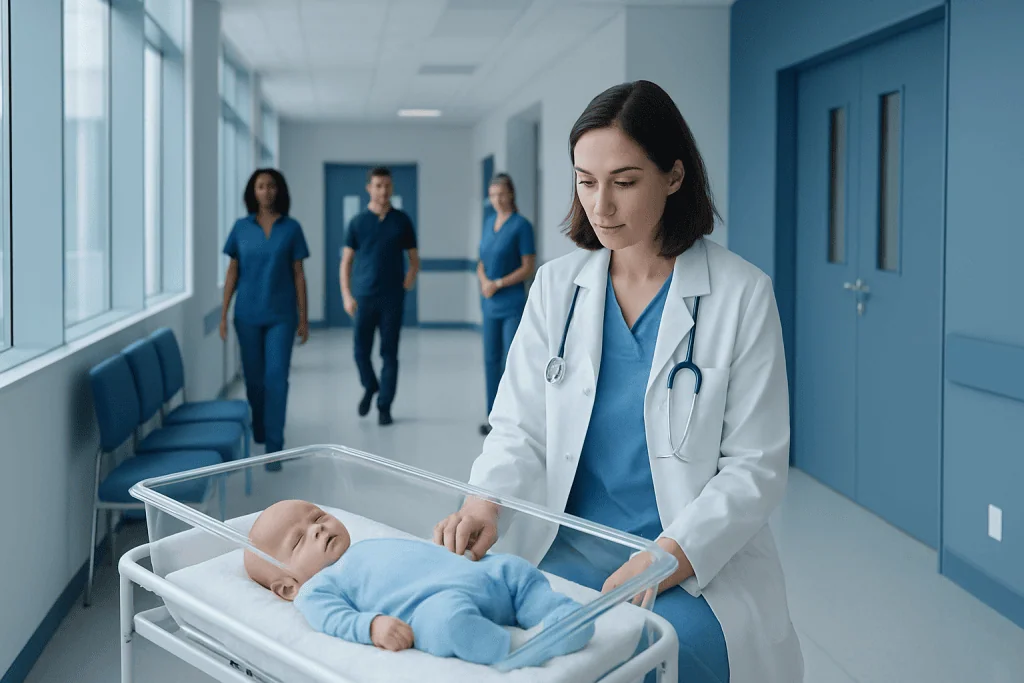
SIDS is the sudden, unexplained death of an infant under 1 year of age after a thorough investigation. There is no treatment that can reverse SIDS, so prevention and safe sleep practices are central.
Key Takeaways
- SIDS is the sudden, unexplained death of an infant under 1 year of age after a thorough investigation.
- There is no treatment that can reverse SIDS, so prevention and safe sleep practices are central.
- The risk is highest during early infancy, particularly between 1 and 4 months of age.
- Babies should sleep on their backs, on a firm flat surface, in their own clear sleep space.
- A baby who is unresponsive, not breathing normally or turning blue needs emergency medical help immediately.
SIDS treatment does not involve a procedure or medicine that can reverse sudden infant death syndrome after it occurs. The most effective approach is prevention: creating a safe sleep environment, attending routine infant care, and addressing individual health concerns with a paediatric clinician.
SIDS Treatment: What It Means in Practice
SIDS treatment mainly means reducing risk before an event occurs and providing compassionate medical and emotional support if a sudden infant death has happened. Sudden infant death syndrome, or SIDS, is the unexpected death of an infant younger than 12 months that remains unexplained after a complete investigation, including a review of the circumstances, medical history and post-mortem examination.
Because SIDS is diagnosed only after death and its exact cause is not fully understood, there is no operation, medicine or emergency treatment that can cure it. Public-health guidance therefore focuses on safe infant sleep and reducing known risk factors. These measures lower risk but cannot eliminate it entirely, and parents should not blame themselves when an infant death occurs.
For families with concerns about their baby’s breathing, feeding, growth, sleep or medical history, a paediatric assessment can identify conditions that may need care. This is different from SIDS itself; some health problems can cause serious symptoms and may be treatable when recognised promptly.
How SIDS Prevention Works
Safe sleep recommendations work by helping to keep an infant’s airway clear and reducing the chance of overheating, rebreathing exhaled air or becoming trapped in soft bedding. Babies are safest when placed on their backs for every sleep, including naps, until their first birthday. Back sleeping does not increase choking risk in healthy babies; infants’ protective airway reflexes help them clear fluids while lying on their backs.
The sleep surface should be firm, flat and designed for infant sleep, such as a safety-approved cot, bassinet or bedside sleeper with a fitted sheet. Soft mattresses, sofas, armchairs, adult beds, loungers and inclined sleep products are not safe routine sleep spaces. The baby’s sleep area should remain clear of pillows, loose blankets, nests, positioners, stuffed toys and bumper pads.
Room-sharing is recommended, particularly during the first months of life, while bed-sharing carries additional risk in many situations. The baby can sleep in the parents’ room but in a separate, appropriate sleep space. Smoking or nicotine exposure, alcohol, cannabis, sedating medicines and extreme fatigue can make bed-sharing especially hazardous.
- Place the baby on their back for all sleep periods.
- Use a firm, level sleep surface with only a fitted sheet.
- Keep the sleep area free from loose and soft items.
- Dress the baby lightly and avoid overheating.
- Offer routine vaccinations and regular well-baby care.
Who Needs Extra Assessment or Support?

Most families can follow standard safe sleep guidance without special testing. A clinician may recommend more individualised advice when a baby was born prematurely, had a low birth weight, has ongoing breathing concerns, significant reflux with concerning symptoms, a neurological condition, heart disease or a known genetic or metabolic disorder. These health concerns do not mean SIDS will occur, but they may affect the baby’s overall care plan.
Home cardiorespiratory monitors are not routinely recommended as a way to prevent SIDS. Consumer devices and medical-grade monitors cannot reliably prevent sudden infant death, and alarms may create false reassurance or unnecessary anxiety. Monitoring may be prescribed for a specific medical reason, such as certain breathing disorders, but this decision should be made by the child’s medical team.
Families who have previously experienced an unexpected infant death, or who have another child with unexplained episodes of collapse, colour change or breathing difficulty, should seek specialist paediatric guidance. Assessment may involve paediatricians and, when indicated, cardiology, neurology, respiratory medicine, genetics or other relevant services.
What Happens When an Infant Is Found Unresponsive?
An infant who is unresponsive, not breathing normally, gasping, pale or blue requires emergency help immediately. Caregivers should call local emergency services and begin infant cardiopulmonary resuscitation if they are trained to do so, following the dispatcher’s instructions. Emergency teams will provide urgent assessment and resuscitation where appropriate.
In a suspected sudden unexpected infant death, medical professionals and relevant authorities follow local legal and clinical procedures. These often include an examination of the infant, a review of medical and family history, a careful assessment of the sleep environment and circumstances, and a post-mortem examination. The purpose is to establish the most accurate cause of death where possible and to identify any health or safety factors that may be relevant.
Families may also need immediate emotional support, clear communication and follow-up. Bereavement services, primary care clinicians, paediatric teams and specialist grief counsellors can help parents, siblings and other caregivers manage the practical and emotional effects of a devastating loss.
What Week Is Riskiest for SIDS?
SIDS risk is greatest during the early months of life, with the highest risk generally occurring between 1 and 4 months of age. It can occur at any point during the first year, which is why safe sleep guidance should be followed for every sleep until a baby reaches 12 months.
Risk is much lower after 6 months of age and continues to decline as babies grow and develop stronger head and body control. However, a baby’s changing abilities do not make unsafe sleep settings safe. A clear, firm and flat sleep surface remains important throughout infancy.
Once a baby can roll independently in both directions, caregivers should still place the baby on their back at the start of sleep. If the baby rolls independently during sleep, it is usually not necessary to repeatedly turn them over, provided the sleep space is clear and the mattress is firm and flat.
How Long Does a SIDS Investigation Take?
The length of a SIDS investigation varies by country, local legal processes, the complexity of the case and the tests needed. Initial examinations and information gathering begin promptly, but final findings may take weeks or months. Some cases need specialised laboratory, toxicology, genetic or pathology testing, which can extend the timeline.
A death is not usually classified as SIDS until a thorough investigation has found no clear explanation. In some cases, an alternative cause is identified, such as infection, an inherited heart rhythm condition, an accidental sleep-related hazard or another medical disorder. In other cases, even detailed investigation cannot establish a definitive cause.
Families can ask the responsible medical examiner, coroner, hospital team or bereavement coordinator about expected timeframes, available updates and when a final report may be provided. They may also ask whether family members should receive medical or genetic evaluation based on the findings.
Is SIDS Basically Suffocation?
No. SIDS is not simply another term for suffocation. SIDS is a diagnosis used when an infant’s death remains unexplained after a comprehensive investigation. It is thought to involve a combination of factors, including a vulnerable infant, a critical stage of development and environmental sleep factors, but the precise mechanisms are still being studied.
Suffocation, entrapment and strangulation are separate, potentially preventable causes of sleep-related infant death. They may occur when a baby’s airway is blocked by soft bedding, an adult body, a pillow, a gap in a sleep surface or an unsafe product. A full investigation aims to distinguish these causes when possible.
Although they are different diagnoses, the same safe sleep measures can reduce risks from many sleep-related dangers. Clear messaging about safe sleep is important because it supports prevention without assigning blame to families.
At What Age Is SIDS No Longer a Worry?
By definition, SIDS applies only to infants younger than 1 year. The risk falls substantially after 6 months and is very low after the first birthday. Even so, safe sleep habits remain useful during the first year because infants can still be vulnerable to accidental suffocation or entrapment in unsafe sleep environments.
After infancy, children have different sleep safety needs. Toddlers should continue to have an age-appropriate, safe sleeping environment, while caregivers should follow product guidance for cots, beds, sleepwear and other equipment. Parents can discuss the safest transition from cot to bed with their child’s clinician if they have questions.
For international patients, Acibadem International’s multidisciplinary specialists and JCI-accredited hospitals can assess infant health concerns and guide families who need paediatric evaluation. Any urgent symptoms, however, should be managed through local emergency services without delay.
Frequently asked questions
Is there a cure or treatment for SIDS?
There is no cure or treatment that can reverse SIDS because it is diagnosed after a sudden infant death remains unexplained despite a thorough investigation. Prevention focuses on safer sleep practices, routine infant healthcare and prompt assessment of concerning symptoms.
Can a baby monitor prevent SIDS?
Home baby monitors have not been shown to prevent SIDS. Some monitors may be useful when prescribed for a specific medical condition, but they should not replace safe sleep practices or medical advice.
Should babies sleep on their side to reduce SIDS risk?
No. Babies should be placed on their backs for every sleep until age 1 year unless a clinician gives individual medical instructions. Side sleeping is less stable and a baby may roll onto their stomach.
Does breastfeeding reduce the risk of SIDS?
Breastfeeding is associated with a lower risk of SIDS and is encouraged when possible and desired. Families should still follow safe sleep guidance whether a baby is breastfed, formula-fed or combination-fed.
Can overheating increase SIDS risk?
Overheating may increase risk, so infants should be dressed appropriately for the room and should not have their heads covered during sleep. A light sleep sack designed for infants can be used instead of loose blankets when suitable.
When should a parent seek medical care for a baby?
Urgent medical care is needed if a baby is difficult to wake, has trouble breathing, turns blue or grey, has a seizure, feeds poorly with marked weakness, or has a sudden major change in behaviour. For less urgent concerns about breathing, sleep, feeding or growth, parents should arrange prompt advice from a paediatric clinician.
References
- American Academy of Pediatrics
- Centers for Disease Control and Prevention
- National Institute of Child Health and Human Development
- World Health Organization
- The Lullaby Trust
This article is for general information only and is not a substitute for professional medical advice. Please consult a qualified doctor about your individual situation.
Explore treatments in Turkey — costs, top hospitals & a free quote
JCI-accredited · board-certified surgeons · reply within 24h
Add us as a Preferred Source to see more of our trusted health content across Google Search, AI Overviews and Discover.