Sigmoid Colon: A Complete Medical Overview
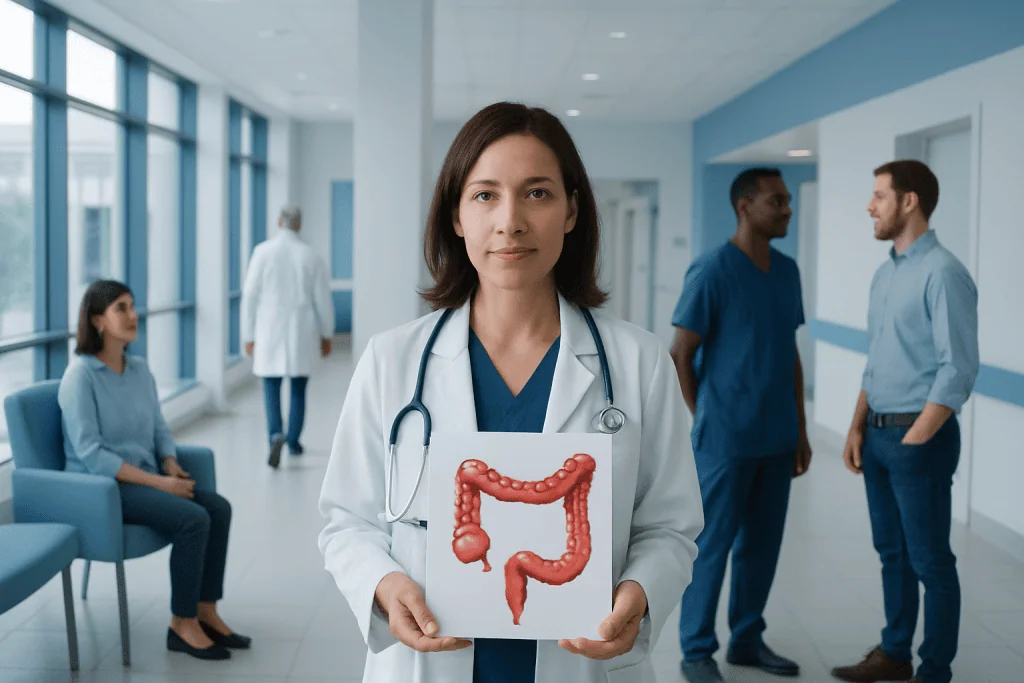
The sigmoid colon is the last mobile part of the colon before the rectum. Its main roles are storing stool, absorbing some water, and helping coordinate bowel movements.
Key Takeaways
- The sigmoid colon is the last mobile part of the colon before the rectum.
- Its main roles are storing stool, absorbing some water, and helping coordinate bowel movements.
- Common sigmoid colon problems include diverticulosis, diverticulitis, polyps, volvulus, inflammation, and cancer.
- Symptoms linked to sigmoid colon disease may include lower abdominal pain, bloating, constipation, diarrhea, or blood in the stool.
- Doctors evaluate sigmoid colon concerns with history, examination, stool tests, imaging, and colonoscopy when needed.
- Persistent bowel changes, rectal bleeding, severe pain, or unexplained weight loss should be assessed by a doctor.
The sigmoid colon is the S-shaped section of the large intestine that connects the descending colon to the rectum. It plays an important role in storing and moving stool, and it can be involved in common digestive conditions such as diverticular disease, inflammation, polyps, and colorectal cancer.
Overview: what the sigmoid colon is and why it matters
The sigmoid colon is the curved, S-shaped final segment of the large intestine before the rectum. It sits in the lower abdomen, most often on the left side, and acts as a transition zone between the descending colon and the rectum. In simple terms, it helps hold stool temporarily and then move it forward when the body is ready for a bowel movement.
Although it is a normal part of digestive anatomy, the sigmoid colon is also a common site for several bowel conditions. Because stool becomes more formed as it passes through the colon, this area is exposed to pressure and strain. That is one reason why diverticular disease, twisting of the bowel, polyps, and some cancers are often discussed in relation to the sigmoid colon.
Understanding the sigmoid colon can help people make sense of symptoms such as left lower abdominal pain, changes in bowel habits, bloating, or rectal bleeding. These symptoms do not always mean there is a serious illness, but they are worth discussing with a healthcare professional if they persist, worsen, or occur with other warning signs.
Anatomy and function of the sigmoid colon
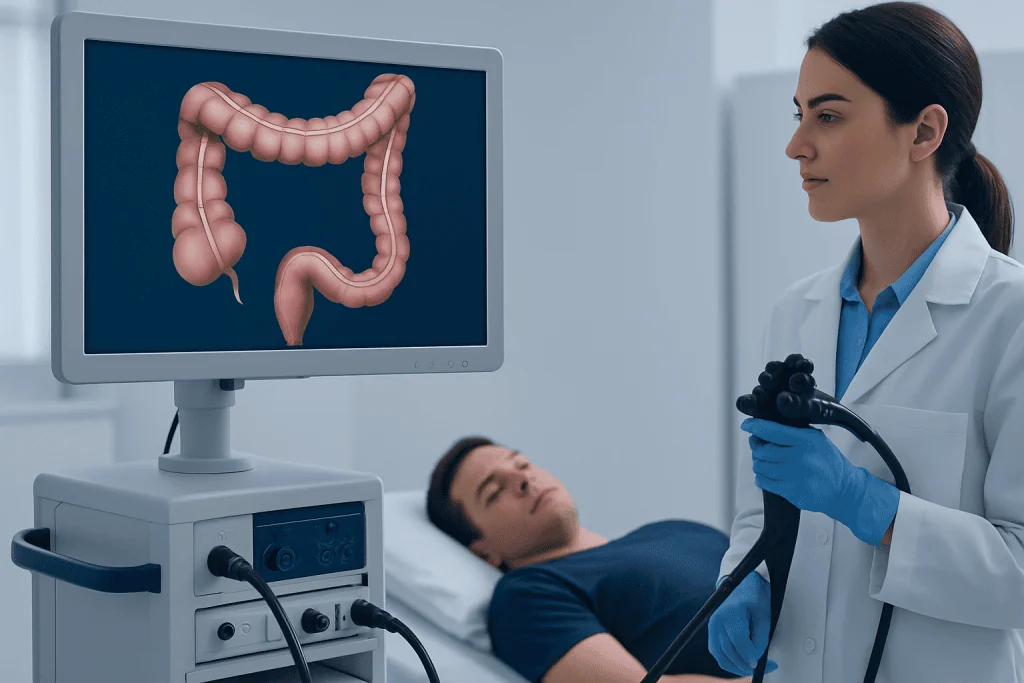
The large intestine includes the cecum, ascending colon, transverse colon, descending colon, sigmoid colon, rectum, and anus. The sigmoid colon is the last colon segment before the rectum. Its curved shape and mobile position help it accommodate stool as it collects and prepares to be passed.
The inner lining of the sigmoid colon absorbs some water and electrolytes from intestinal contents. By the time stool reaches this area, it is usually more solid than it was in the upper parts of the bowel. The sigmoid colon also contracts in coordinated waves that move stool toward the rectum, especially after meals or when the body responds to the urge to defecate.
This section of the bowel contains blood vessels, nerves, and muscle layers that work together to support normal bowel function. If the muscles do not move properly, if the passage becomes narrowed, or if the lining becomes inflamed, symptoms can develop. Problems in the sigmoid colon may affect comfort, bowel regularity, and, in some cases, overall digestive health.
- Storage: temporarily holds stool before elimination
- Water balance: absorbs some remaining fluid
- Movement: pushes stool into the rectum through muscular contractions
- Coordination: helps regulate the final stage of a bowel movement
Common conditions that affect the sigmoid colon
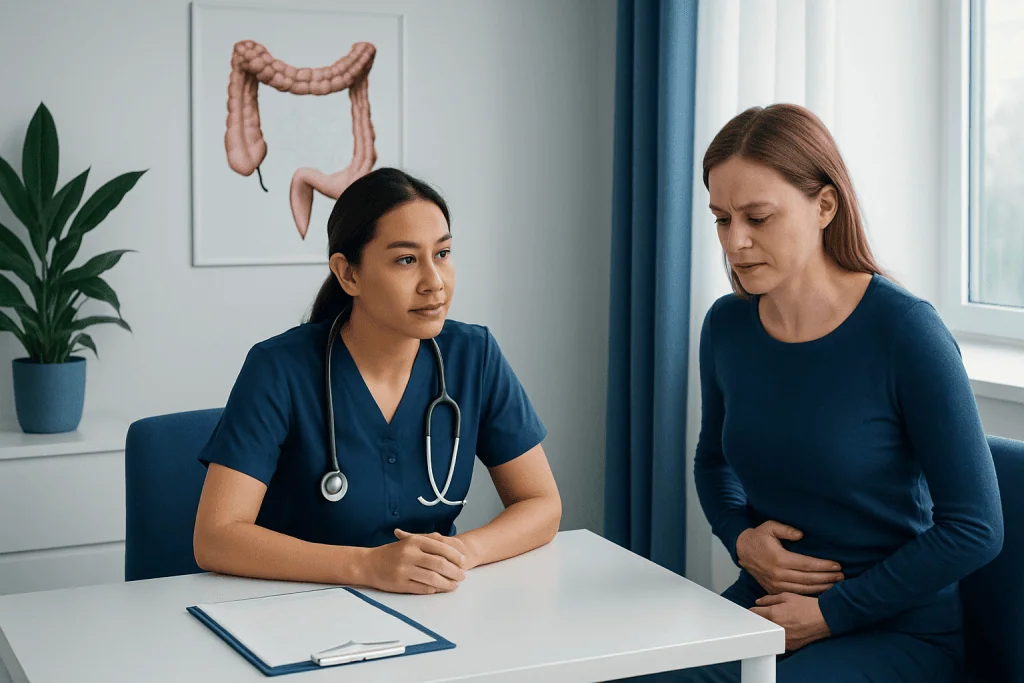
Several different disorders can involve the sigmoid colon. One of the most common is diverticulosis, in which small pouches form in the bowel wall. These pouches often cause no symptoms, but they can become inflamed or infected, leading to diverticulitis. Diverticulitis often causes left lower abdominal pain, fever, tenderness, and changes in bowel habits. Readers looking for more detail on this condition may find diverticulitis helpful.
Another important condition is the development of colon polyps. Polyps are growths that arise from the inner lining of the bowel. Many are benign, but some can become cancerous over time. This is why screening colonoscopy is so important. The sigmoid colon is also a frequent location for colon cancer, especially in older adults or in people with a family history of colorectal disease.
The sigmoid colon can also be affected by inflammatory bowel disease, especially ulcerative colitis, which may cause diarrhea, urgency, abdominal pain, and blood in the stool. Less commonly, the sigmoid colon may twist on itself, a condition called sigmoid volvulus. This can lead to bowel obstruction, abdominal swelling, pain, constipation, and inability to pass gas, and it usually needs urgent medical care.
Other possible issues include narrowing from scar tissue, reduced blood flow to the bowel wall, infection, and functional bowel disorders such as irritable bowel syndrome. These conditions can sometimes cause similar symptoms, so a medical evaluation is often needed to identify the true cause.
Symptoms linked to sigmoid colon problems
Symptoms of sigmoid colon disease vary depending on the specific condition, how severe it is, and whether it develops suddenly or gradually. Some people have no symptoms at all, especially with early polyps or uncomplicated diverticulosis. Others may notice discomfort that comes and goes over time.
Common symptoms include pain or cramping in the lower abdomen, especially on the left side, bloating, constipation, diarrhea, a sensation of incomplete emptying, or changes in stool frequency. Blood in the stool may appear bright red or darker, and mucus may also be present in some inflammatory conditions. Some people experience nausea, fever, reduced appetite, fatigue, or unintended weight loss.
Symptoms can overlap with other digestive conditions, including hemorrhoids, food intolerance, infections, and disorders higher up in the colon. For that reason, the pattern matters. A doctor may ask when symptoms started, whether they are worsening, whether they wake the person at night, and whether there is a family history of bowel disease.
- Left lower abdominal pain or tenderness
- Bloating or visible abdominal swelling
- Constipation, diarrhea, or alternating between both
- Blood in or on the stool
- Urgency or feeling that the bowel does not empty fully
- Fever, nausea, or weight loss in more significant illness
Causes and risk factors
The causes of sigmoid colon problems differ from one condition to another. Diverticular disease is associated with aging, increased pressure inside the colon, and sometimes low-fiber dietary patterns. Polyps and colorectal cancer can be linked to age, family history, certain inherited syndromes, smoking, alcohol use, obesity, low physical activity, and diets high in processed meat.
Inflammatory bowel diseases are thought to involve an abnormal immune response in genetically susceptible people. Infections may follow exposure to bacteria, viruses, or parasites. Sigmoid volvulus is more likely when the bowel is unusually long or mobile, and it may occur more often in older adults or in people with chronic constipation or neurologic conditions that affect bowel motility.
Some risk factors are not changeable, such as age or family history. Others may be influenced by daily habits. A fiber-rich eating pattern, regular exercise, staying hydrated, maintaining a healthy weight, and taking part in appropriate screening can support bowel health and may help reduce the risk of some sigmoid colon conditions.
It is also important to remember that symptoms alone do not reveal the cause. For example, constipation may result from diet, medication side effects, pelvic floor dysfunction, irritable bowel syndrome, or a structural problem in the colon. Proper assessment helps distinguish between these possibilities.
How doctors diagnose sigmoid colon conditions
Diagnosis begins with a medical history and physical examination. A doctor will ask about pain, bowel habits, bleeding, fever, weight changes, medications, family history, and prior digestive problems. The examination may include checking the abdomen for tenderness, swelling, or signs of bowel obstruction.
Depending on symptoms, tests may include blood work to look for anemia or inflammation, stool tests to check for infection or hidden blood, and imaging such as abdominal ultrasound or computed tomography. CT scans are commonly used when diverticulitis or bowel obstruction is suspected. If inflammation is present, imaging can also help show whether there is an abscess or another complication.
Colonoscopy is one of the most valuable tools for examining the sigmoid colon directly. It allows doctors to inspect the lining, take biopsies, and remove some polyps during the same procedure. In selected cases, a flexible sigmoidoscopy may be used to examine the rectum and sigmoid colon. For people who need a full evaluation of the large bowel, colonoscopy is often recommended.
If a mass, advanced polyp, or other serious concern is found, further testing may be needed to guide treatment. In cases where surgery is considered, imaging and endoscopic findings help the care team plan the safest approach. Some patients may also be referred for general surgery or specialist colorectal care, depending on the diagnosis.
Treatment options and ongoing care
Treatment depends on the underlying problem. Mild constipation or functional bowel symptoms may improve with hydration, dietary changes, exercise, and symptom-directed medical advice. Diverticulitis may be managed with bowel rest, monitoring, and sometimes medication, while more severe cases may need hospital care, drainage of an abscess, or surgery. Polyps found during colonoscopy are often removed to prevent future problems.
Inflammatory conditions may require medicines that reduce inflammation or help regulate the immune response. Cancer treatment is tailored to the stage and may include surgery, chemotherapy, radiation therapy, or a combination of these. If bowel obstruction or volvulus occurs, treatment is usually urgent and may involve endoscopic decompression or an operation to untwist or remove the affected segment.
When surgery is needed, the exact procedure depends on the diagnosis, the location of disease, and the person’s overall health. Some operations can be performed using minimally invasive techniques. If a suspicious growth is identified, evaluation by specialists in colorectal surgery may be an important part of care.
Follow-up also matters. People with polyps, inflammatory bowel disease, or previous colorectal cancer may need repeat colonoscopy at intervals advised by their doctor. Near the end of the care pathway, some international patients choose centers such as Acibadem International, where multidisciplinary specialists in JCI-accredited hospitals evaluate and treat digestive and colorectal conditions in a coordinated way.
Prevention, self-care, and when to seek medical care
Not every sigmoid colon condition can be prevented, but several habits support bowel health. These include eating enough fiber from foods such as vegetables, fruits, legumes, and whole grains; drinking adequate fluids; staying physically active; and responding to the urge to have a bowel movement rather than delaying it repeatedly. For many adults, colorectal screening at the appropriate age is one of the most effective preventive steps.
People with a family history of colorectal cancer or inflammatory bowel disease should tell their doctor, as they may need earlier or more frequent testing. It is also wise to review medications that can affect bowel habits, including iron supplements, some pain medicines, and certain antacids. Sudden changes in diet or routine can sometimes explain symptoms, but persistent symptoms still deserve medical attention.
Medical care should be sought promptly if there is severe abdominal pain, ongoing vomiting, marked bloating, inability to pass stool or gas, significant rectal bleeding, black stools, fever with abdominal tenderness, fainting, or rapid worsening of symptoms. A planned medical appointment is also appropriate for ongoing constipation, recurring left-sided abdominal pain, unexplained weight loss, or any lasting change in bowel habits.
In general, early assessment helps identify problems before complications develop. Even when symptoms turn out to be caused by a less serious condition, getting a clear diagnosis can guide treatment and provide reassurance.
Frequently asked questions
What does the sigmoid colon do?
The sigmoid colon stores stool temporarily and helps move it from the descending colon into the rectum. It also absorbs some remaining water and participates in the final stage of bowel movement control.
Where is the sigmoid colon located?
The sigmoid colon is located in the lower part of the abdomen, usually toward the left side. It connects the descending colon to the rectum and has a curved, S-like shape.
Can sigmoid colon problems cause left lower abdominal pain?
Yes. Conditions such as diverticulitis, constipation, inflammation, or bowel obstruction in the sigmoid colon can cause pain on the lower left side of the abdomen. However, pain in that area can also come from urinary, gynecologic, or other digestive causes.
Is blood in the stool always caused by the sigmoid colon?
No. Blood in the stool can come from hemorrhoids, anal fissures, inflammation, polyps, cancer, or bleeding elsewhere in the digestive tract. Because the causes vary, rectal bleeding should be assessed by a healthcare professional.
How is the sigmoid colon checked?
Doctors may use a medical history, physical exam, blood tests, stool tests, and imaging studies. Colonoscopy is a common way to look directly at the sigmoid colon, take biopsies, and remove certain polyps if needed.
Can sigmoid colon disease be prevented?
Some risks can be lowered with healthy habits such as eating enough fiber, drinking fluids, staying active, and attending recommended colorectal screening. Not all conditions are preventable, especially those linked to age, genetics, or inflammatory disease.
References
- National Institute of Diabetes and Digestive and Kidney Diseases
- American Cancer Society
- Centers for Disease Control and Prevention
- National Health Service
- World Gastroenterology Organisation
This article is for general information only and is not a substitute for professional medical advice. Please consult a qualified doctor about your individual situation.
Persistent digestive symptoms? Get evaluated in Turkey
JCI-accredited · board-certified surgeons · reply within 24h
Add us as a Preferred Source to see more of our trusted health content across Google Search, AI Overviews and Discover.