Signs of Colon Cancer Man: Common Causes, Related Conditions, and When to See a Doctor

Common signs of colon cancer in men include rectal bleeding, persistent constipation or diarrhea, narrower stools, abdominal pain, fatigue, and unexplained weight loss. Many symptoms overlap with hemorrhoids, irritable bowel syndrome, infections, or inflammatory bowel disease, so medical assessment is important.
Key Takeaways
- Common signs of colon cancer in men include rectal bleeding, persistent constipation or diarrhea, narrower stools, abdominal pain, fatigue, and unexplained weight loss.
- Many symptoms overlap with hemorrhoids, irritable bowel syndrome, infections, or inflammatory bowel disease, so medical assessment is important.
- Men should not ignore symptoms that last more than a few weeks, especially if they are new, worsening, or paired with anemia or weight loss.
- Screening is important even without symptoms, particularly from midlife onward or earlier for people with family history or higher risk conditions.
- Diagnosis usually involves a medical history, physical exam, blood tests, stool testing, and colonoscopy.
Signs of colon cancer in men often include blood in the stool, a lasting change in bowel habits, abdominal discomfort, fatigue, or unexplained weight loss. These symptoms do not always mean cancer, but they should be checked promptly because early evaluation can identify colon cancer or another treatable digestive condition.
Overview: what signs of colon cancer in men can look like
The most common signs of colon cancer in men are blood in or on the stool, a persistent change in bowel habits, abdominal pain or bloating, fatigue, and unexplained weight loss. Some men also notice stools that become narrower than usual or feel that the bowel does not empty fully. These signs can be caused by conditions other than cancer, but they should not be ignored when they are new, ongoing, or getting worse.
Colon cancer can develop slowly, and early disease may cause no symptoms at all. That is one reason routine screening matters. When symptoms do appear, they often reflect bleeding from the bowel, blockage of stool movement, or the body’s response to a growing tumor.
The phrase “signs of colon cancer man” reflects a common question, but the core warning signs are broadly similar in men and women. What may differ is when symptoms are reported, what risks are present, and whether care is delayed. In men, it can be especially important to seek evaluation early rather than assuming symptoms are due to hemorrhoids, diet, stress, or getting older.
Common symptoms men should pay attention to
Rectal bleeding is one of the most recognized warning signs. Blood may appear bright red on toilet paper or in the toilet bowl, or the stool may look dark or black if bleeding comes from higher in the bowel. Even if bleeding seems minor or intermittent, it deserves medical attention, especially if it keeps happening.
A lasting change in bowel habits is another key symptom. This can mean diarrhea, constipation, a switch between the two, more urgent bowel movements, or stools that look thinner than usual. Some men describe a new feeling of incomplete emptying after using the toilet.
Abdominal symptoms can also occur. These may include cramping, gas, bloating, or pain that does not go away. If a tumor narrows the colon, it can make bowel movements more difficult and lead to increasing discomfort.
General symptoms may be less obvious but are also important. Ongoing fatigue, weakness, pale skin, dizziness, or reduced exercise tolerance can happen when slow bleeding leads to iron deficiency anemia. Unexplained weight loss or loss of appetite can also be warning signs that need prompt evaluation.
Why these symptoms happen and what else can cause them
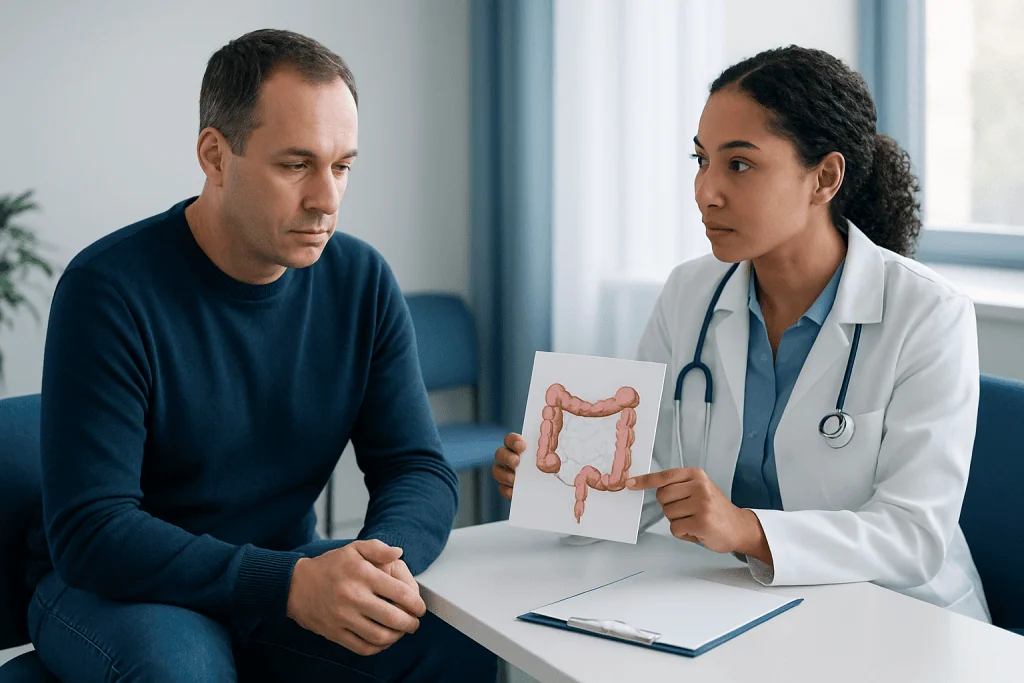
Colon cancer symptoms develop for several reasons. A tumor may bleed, which can lead to visible blood in the stool or hidden blood that causes anemia over time. It may also irritate the lining of the colon, altering normal bowel movements. If it grows large enough, it can partially block the passage of stool and cause pain, constipation, bloating, or narrower stools.
Still, these symptoms are not specific to colon cancer. Hemorrhoids can cause bright red bleeding, constipation can cause straining and abdominal discomfort, and infections may lead to diarrhea and cramping. Irritable bowel syndrome can also cause changes in bowel habits, although it does not usually cause bleeding or anemia.
Several digestive conditions can overlap with colon cancer symptoms and sometimes increase risk. For example, inflammatory bowel diseases such as Crohn’s disease and ulcerative colitis may cause bleeding, diarrhea, abdominal pain, and weight loss. Longstanding inflammatory bowel disease can also raise the risk of colorectal cancer, which is why careful follow-up is important.
Because symptoms can have many explanations, the goal is not to self-diagnose but to recognize patterns that need a doctor’s review. Bleeding, persistent bowel changes, unexplained anemia, and weight loss are especially important clues.
Risk factors that can matter for men
Age remains one of the strongest risk factors for colon cancer, although younger adults can also develop it. Risk rises with a personal history of polyps, a family history of colorectal cancer, inherited cancer syndromes, inflammatory bowel disease, type 2 diabetes, obesity, smoking, heavy alcohol use, and low physical activity.
Diet and lifestyle may also play a role. A pattern high in processed meats and low in fiber-rich foods has been linked with increased colorectal cancer risk. Not every man with these risk factors will develop cancer, and some men with colon cancer have no known risks, but risk factors help guide screening and follow-up.
Men should be especially alert if symptoms appear before their first screening test or if they have delayed screening. In general, routine colorectal cancer screening begins in midlife for average-risk adults, but earlier testing may be advised for those with family history or other high-risk conditions. A doctor can recommend the right starting age and schedule.
How doctors diagnose the cause of symptoms
Evaluation usually begins with a medical history and physical examination. A doctor will ask about the pattern and duration of symptoms, family history, medicines, weight changes, and whether there is visible blood in the stool. Blood tests may look for anemia or other signs that bleeding or inflammation is present.
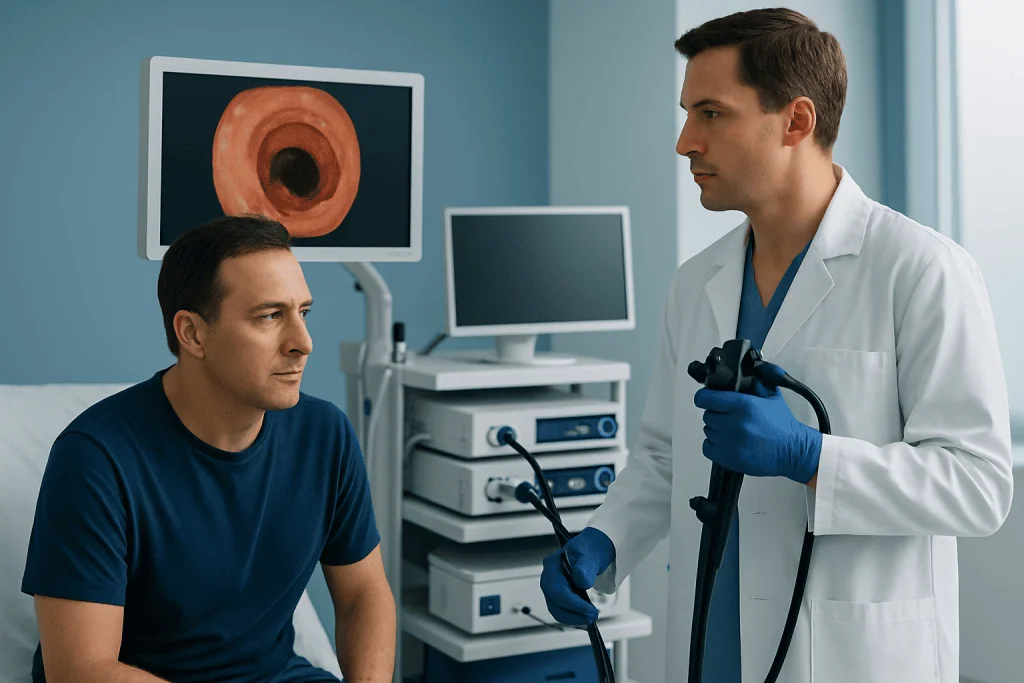
Stool-based tests can sometimes help detect hidden blood, but they do not replace a full assessment when symptoms are already present. In someone with warning signs, the most important test is often a colonoscopy, which allows the inside of the colon to be examined directly and suspicious areas to be biopsied.
If colon cancer is diagnosed, imaging tests may be used to understand whether disease is limited to the bowel or has spread. This staging process helps doctors choose treatment and may involve PET-CT or other scans when appropriate. Some patients also learn more about related bowel tumors while being assessed for colon cancer.
Many men feel anxious about testing, but timely diagnosis is valuable whether the cause turns out to be cancer or another digestive disorder. Early identification often means more treatment options and better planning.
Treatment options if colon cancer is found
Treatment depends on the location of the tumor, the stage of disease, overall health, and laboratory findings. For many people with localized colon cancer, surgery is the main treatment. The aim is to remove the cancer and nearby lymph nodes while preserving normal bowel function as much as possible.
In some cases, chemotherapy is recommended after surgery to reduce the chance of cancer returning, or before treatment in selected situations. Advanced disease may be treated with systemic therapy, including chemotherapy and other medicines chosen according to tumor characteristics.
Care is usually planned by a multidisciplinary team that may include gastroenterologists, colorectal surgeons, medical oncologists, radiologists, pathologists, and dietitians. Near the end of the care pathway, men seeking cross-border treatment may wish to know that Acibadem International’s multidisciplinary specialists in JCI-accredited hospitals diagnose and treat colon cancer for international patients.
The best treatment plan is individualized. A doctor can explain the expected benefits, possible side effects, follow-up needs, and how treatment may affect work, activity, and daily life.
Prevention, screening, and self-care
Not all cases of colon cancer can be prevented, but risk can often be lowered. Practical steps include staying physically active, maintaining a healthy weight, avoiding tobacco, limiting alcohol, and eating a balanced diet that includes vegetables, fruits, legumes, and whole grains. These habits also support overall digestive and cardiovascular health.
Screening is one of the most effective ways to reduce the impact of colorectal cancer because it can detect cancer early and find precancerous polyps before they become dangerous. Men at average risk should discuss when to begin routine screening with their doctor, while those with family history or high-risk conditions may need earlier or more frequent testing.
Self-care is not a substitute for medical evaluation when symptoms are present. It is reasonable to note when bleeding occurs, how bowel habits have changed, whether there is abdominal pain, and any weight change or fatigue. This symptom history can help the doctor understand what testing is needed.
When to seek medical care
Medical care should be sought promptly for blood in the stool, black stools, ongoing abdominal pain, a bowel habit change lasting more than a few weeks, unexplained fatigue, or unintentional weight loss. Even if symptoms seem mild, persistence matters. It is safer to have the cause checked than to assume it is a benign problem.
Urgent evaluation is important if there is severe abdominal pain, vomiting, inability to pass stool or gas, dizziness, fainting, heavy rectal bleeding, or signs of significant weakness. These symptoms can suggest a bowel blockage, major blood loss, or another urgent condition.
Men should also arrange a routine medical visit if they are due for colorectal cancer screening, especially if they have never been screened or have a strong family history. Early conversation with a qualified doctor can clarify risk, identify the cause of symptoms, and guide the next steps safely.
Frequently asked questions
What are the first signs of colon cancer in a man?
Early signs can include blood in the stool, a persistent change in bowel habits, abdominal discomfort, and unexplained fatigue. Some men notice no symptoms at first, which is why screening remains important even when they feel well.
Can colon cancer symptoms be mistaken for hemorrhoids?
Yes. Hemorrhoids can also cause rectal bleeding, especially bright red blood. However, ongoing bleeding, bowel habit changes, anemia, abdominal pain, or weight loss should not be assumed to be hemorrhoids without medical evaluation.
Does colon cancer always cause pain?
No. Colon cancer may cause little or no pain in the early stages. When pain does occur, it may feel like cramping, bloating, or persistent abdominal discomfort.
How long should bowel changes last before a man sees a doctor?
A new bowel habit change that lasts more than a few weeks should be assessed, especially if it is worsening. Earlier review is sensible if the change is paired with bleeding, fatigue, weight loss, or abdominal pain.
Can younger men get colon cancer?
Yes, although risk generally increases with age. Younger men should still seek medical advice for warning signs, particularly if they have a family history, inflammatory bowel disease, or unexplained rectal bleeding.
What test is usually used to check for colon cancer symptoms?
A colonoscopy is commonly used because it allows the doctor to view the entire colon and take biopsies if needed. Blood tests and stool tests may also be part of the evaluation, but symptoms often require direct examination.
References
- American Cancer Society
- National Cancer Institute
- Centers for Disease Control and Prevention
- National Comprehensive Cancer Network
- World Health Organization
This article is for general information only and is not a substitute for professional medical advice. Please consult a qualified doctor about your individual situation.
Colon Cancer in Turkey — costs, top hospitals & a free quote
JCI-accredited · board-certified surgeons · reply within 24h
Add us as a Preferred Source to see more of our trusted health content across Google Search, AI Overviews and Discover.

Medical Oncology Department
Medical treatment of cancer with chemotherapy, immunotherapy and targeted therapies under a multidisciplinary tumor board.
60 specialists in this unit