Sitz Bath: What Patients Need to Know

A sitz bath uses warm water to soothe the anal and genital area and support comfort during healing. It may help with hemorrhoids, anal fissures, postpartum soreness, and some minor surgical recovery needs.
Key Takeaways
- A sitz bath uses warm water to soothe the anal and genital area and support comfort during healing.
- It may help with hemorrhoids, anal fissures, postpartum soreness, and some minor surgical recovery needs.
- Water should be warm rather than hot, and the area should be dried gently afterward.
- A sitz bath can relieve symptoms, but it does not treat every underlying cause of pain, bleeding, or swelling.
- Medical advice is important if symptoms are severe, persistent, or accompanied by fever, heavy bleeding, or worsening pain.
A sitz bath is a warm, shallow soak that covers the buttocks, perineal area, and sometimes the hips. It is often used to relieve discomfort from hemorrhoids, anal fissures, postpartum soreness, or minor irritation, and it can be done safely at home when used as directed.
What Is a Sitz Bath?
A sitz bath is a warm, shallow bath designed to soak the buttocks, anal area, perineum, and sometimes the external genital area. People usually use it to reduce discomfort, keep the area clean, and support healing when tissues are irritated or tender. It can be done in a bathtub with a few inches of water or with a small basin that fits over a toilet seat.
The word “sitz” comes from the German word for “sit,” which reflects how the treatment is used. The goal is not to scrub or disinfect the area, but to gently expose it to warm water for a short period. Warmth may help relax muscles, improve local blood flow, and make bowel movements or urination less uncomfortable for some people.
A sitz bath is commonly recommended after childbirth, after certain anorectal procedures, or during episodes of conditions such as hemorrhoids or anal fissures. It is a supportive measure rather than a cure on its own. If symptoms are ongoing or unexplained, a healthcare professional can help identify the cause and decide whether other treatment is needed.
When a Sitz Bath May Help
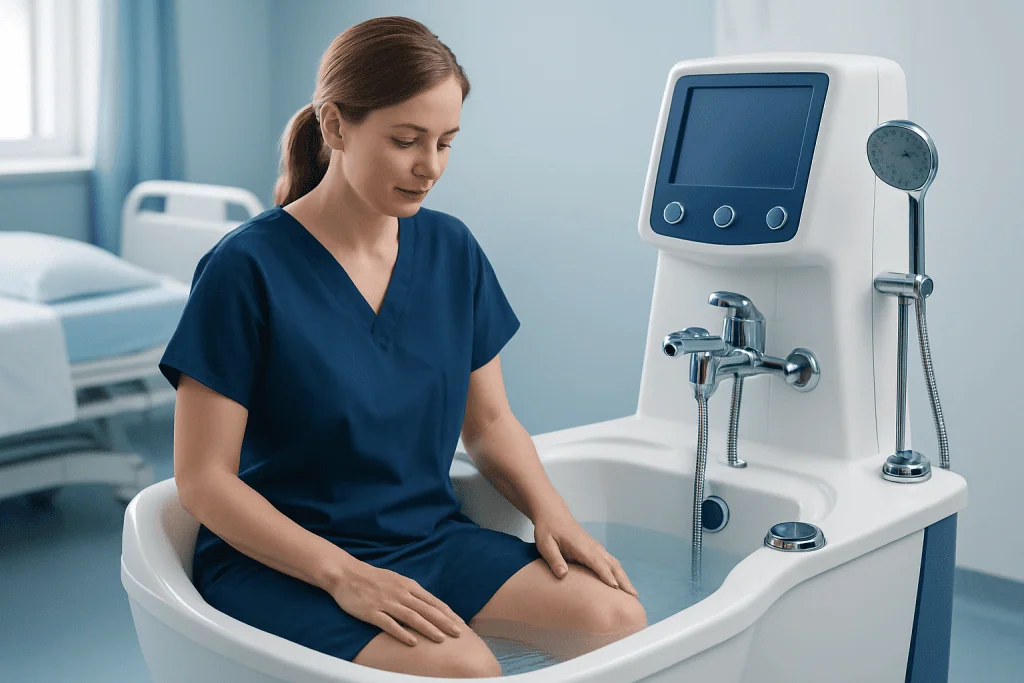
A sitz bath is often used for symptom relief in conditions that affect the skin and soft tissues around the anus or genital area. Common examples include soreness from hemorrhoids, pain from small tears in the anal lining, irritation after constipation or diarrhea, and tenderness after vaginal delivery. Some doctors also advise it after minor surgery in the anorectal area.
Warm water may provide short-term relief from burning, itching, pressure, or muscle spasm. For example, people with an anal fissure may find that a sitz bath makes it easier to relax the anal sphincter after a bowel movement. It may also help wash away small amounts of stool, blood, or discharge without the friction that can come from wiping.
A sitz bath can also be part of aftercare following procedures guided by a clinician, such as care after treatment for hemorrhoids or after some gynecologic situations. In those cases, it should be used exactly as instructed. If a healthcare team has recommended a specific wound-care plan, that plan should take priority over general home advice.
- Hemorrhoids with pain, itching, or swelling
- Anal fissures causing burning or sharp pain
- Postpartum perineal soreness
- Minor irritation after bowel movements
- Selected post-procedure recovery needs, including after hemorrhoid treatment
How to Do a Sitz Bath Safely at Home
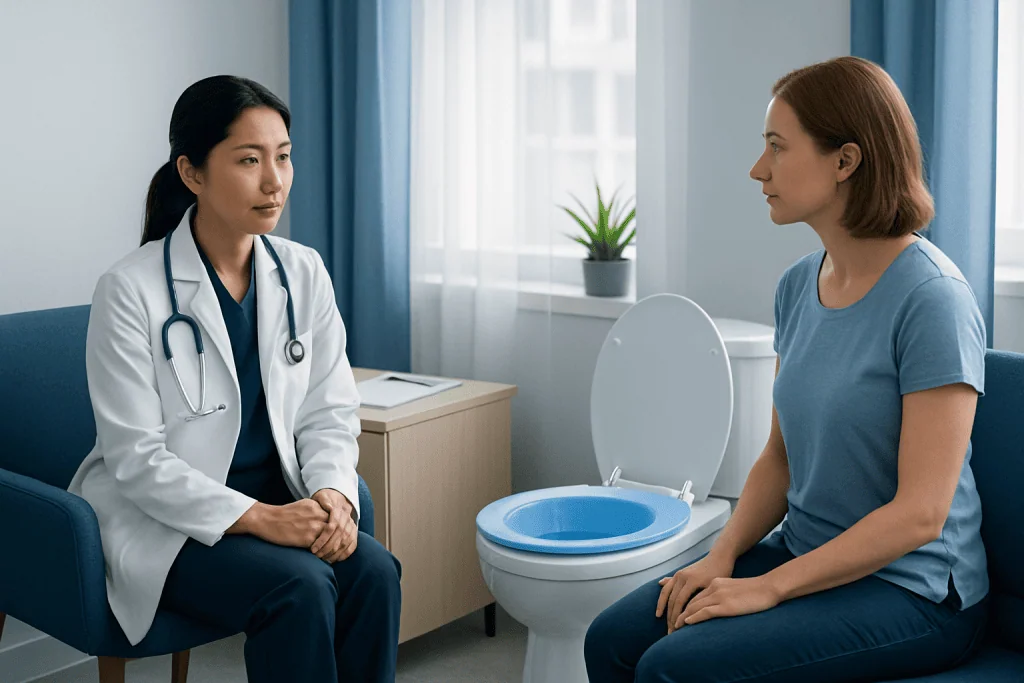
The most important steps are simple: use clean equipment, warm water, and a gentle approach. If using a bathtub, fill it with just enough water to cover the affected area while seated. If using a sitz bath basin on a toilet seat, follow the product instructions for filling and placement. In most cases, the water should feel comfortably warm rather than hot.
People usually sit in the water for about 10 to 20 minutes, then stand up carefully to avoid dizziness. The area should be patted dry with a clean, soft towel, or dried gently with cool air from a hair dryer on a low setting if advised. Rubbing the skin can worsen irritation, especially if there are hemorrhoids, a fissure, stitches, or sensitive skin.
Plain warm water is often enough. Some clinicians may suggest a specific additive, but this should only be used if recommended, because some soaps, fragrances, bubble baths, or antiseptics can sting or disrupt the skin barrier. The basin or tub should be cleaned before and after use to reduce the chance of contamination.
- Wash hands before and after care
- Use warm, not hot, water
- Soak for a short, comfortable period
- Dry the area gently
- Stop if pain, dizziness, or irritation gets worse
Benefits and Limits of a Sitz Bath
The main benefit of a sitz bath is symptom relief. Warm water can soothe irritated tissues, reduce the sensation of tightness, and make daily activities more tolerable. Many people find it especially helpful after bowel movements, because it can clean the area gently and reduce discomfort without additional rubbing.
However, a sitz bath has limits. It does not remove large hemorrhoids, close all fissures, cure infections, or treat unexplained rectal bleeding. It should be understood as a comfort and hygiene measure that may support healing, not as a replacement for diagnosis. If the cause of pain is uncertain, self-treatment should not continue for long without medical guidance.
People should also remember that too-frequent soaking, very hot water, or strongly scented products may irritate the skin instead of helping it. If a sitz bath consistently makes symptoms worse, the person should stop and speak with a clinician. Sometimes a different diagnosis, such as an abscess, skin condition, or pelvic floor issue, may need attention.
Common Causes of Symptoms a Sitz Bath Is Used For
Many people first hear about a sitz bath because of rectal or perineal discomfort. One common cause is hemorrhoids, which are swollen veins in the rectum or anus that may cause itching, pain, swelling, or bleeding. Another frequent cause is an anal fissure, a small tear in the lining of the anus that can cause sharp pain during or after a bowel movement.
Other situations include postpartum soreness, especially after vaginal delivery or a tear, and irritation after constipation, prolonged straining, or diarrhea. Some people also use a sitz bath after evaluation or treatment for anorectal complaints, such as follow-up care related to proctology care. In all of these situations, warmth and gentle cleansing can be useful, but the need for medical assessment depends on the severity and duration of symptoms.
Less commonly, pain near the anus or genitals may be related to infection, an abscess, inflammatory bowel disease, skin disorders, or sexually transmitted infections. These causes usually need specific treatment beyond home care. A sitz bath may still offer temporary comfort, but it should not delay appropriate evaluation if there is fever, drainage, marked swelling, or significant bleeding.
Self-care Tips That Work Alongside a Sitz Bath
A sitz bath often works best when combined with habits that reduce irritation and straining. Drinking enough fluids, eating adequate fiber, and staying physically active can help support regular, softer bowel movements. This matters because repeated straining can worsen hemorrhoids and delay healing of anal fissures.
Good bathroom habits also help. It is better not to delay bowel movements for long periods, and it is wise to avoid prolonged sitting on the toilet. After a bowel movement, gentle cleansing with water or fragrance-free wipes may be more comfortable than aggressive wiping, though even wipes can irritate some people if they contain perfume or alcohol.
Depending on the diagnosis, a clinician may also recommend medicines such as stool softeners, topical creams, or other targeted treatments. Some people with persistent symptoms may need assessment by specialists, and treatment can range from conservative care to procedures. If needed, doctors may also evaluate related digestive complaints through services such as gastroenterology care when bowel symptoms are contributing to the problem.
When to Seek Medical Care
A sitz bath is appropriate for many mild, short-term symptoms, but medical advice is important if the symptoms are severe, do not improve, or keep returning. Persistent pain, recurrent bleeding, or a lump that becomes more swollen should not be ignored. Rectal bleeding in particular should always be assessed if the cause is uncertain.
Urgent care is needed if there is fever, pus, spreading redness, severe swelling, inability to pass urine or stool, faintness, or intense pain that seems out of proportion. These features can suggest infection, an abscess, or another condition that needs prompt treatment rather than home care alone.
Medical evaluation is also sensible for people who are pregnant, have diabetes, have a weakened immune system, or are recovering from surgery and are unsure whether soaking is appropriate. Near the end of the care pathway, some patients may benefit from specialist assessment; Acibadem International’s multidisciplinary specialists and JCI-accredited hospitals evaluate and treat these conditions for international patients when needed.
Frequently asked questions
How often should a person use a sitz bath?
This depends on the reason for using it and the advice of a clinician. Many people use a sitz bath a few times a day or after bowel movements for short-term relief. If symptoms are not improving within a few days, medical advice is a good next step.
Should a sitz bath be hot or warm?
The water should be warm and comfortable, not hot. Hot water can irritate sensitive skin, increase discomfort, or cause lightheadedness. If the water stings or feels too intense, it is best to cool it down.
Can a sitz bath heal hemorrhoids?
A sitz bath may help reduce discomfort, itching, and irritation from hemorrhoids, but it does not remove the underlying swollen veins. Some hemorrhoids improve with home care, while others need medical treatment. Ongoing bleeding, pain, or prolapse should be assessed by a doctor.
Is it safe to put salt or other products in a sitz bath?
Plain warm water is usually enough for most people. Additives should only be used if a clinician has recommended them, because some products can irritate the skin or wounds. Fragrances, bubble baths, and harsh antiseptics are best avoided unless specifically advised.
Can a sitz bath help after childbirth?
Yes, it is commonly used to soothe perineal soreness after vaginal delivery or a tear, if the maternity team says it is appropriate. Warm water can make sitting and bathroom use more comfortable. Any worsening pain, foul-smelling discharge, heavy bleeding, or fever should be checked promptly.
When is a sitz bath not enough?
A sitz bath is not enough when symptoms are severe, persistent, or linked to warning signs such as fever, pus, heavy bleeding, or a rapidly enlarging painful lump. Those symptoms may point to infection, an abscess, or another condition needing specific treatment. It is also not a substitute for evaluation of unexplained rectal bleeding.
References
- National Institute of Diabetes and Digestive and Kidney Diseases
- American Society of Colon and Rectal Surgeons
- Mayo Clinic
- Merck Manual Consumer Version
This article is for general information only and is not a substitute for professional medical advice. Please consult a qualified doctor about your individual situation.
Explore treatments in Turkey — costs, top hospitals & a free quote
JCI-accredited · board-certified surgeons · reply within 24h
Add us as a Preferred Source to see more of our trusted health content across Google Search, AI Overviews and Discover.

More from the Health Library



Related Specialists

Assoc. Prof. Dr. Önder Doksöz
Pediatric Cardiology
Prof. Dr. Ayşe Nurdan Tözün
Internal Medicine
Assoc. Prof. Dr. Çağlar Ruhi
Nephrology
Dr. Salih Gülten
Kidney Transplant Center