Small Vigana: A Complete Medical Overview

Penis size varies widely, and appearance when flaccid does not reliably predict erect size. Micropenis is a specific medical term based on a properly measured stretched penile length, not visual comparison.
Key Takeaways
- Penis size varies widely, and appearance when flaccid does not reliably predict erect size.
- Micropenis is a specific medical term based on a properly measured stretched penile length, not visual comparison.
- Body fat at the lower abdomen can make a normally developed penis appear smaller.
- Hormonal conditions, genetic differences and some childhood health conditions can affect penile development, though these are uncommon.
- A qualified clinician can provide accurate measurement, assess puberty and discuss safe, evidence-based options.
The phrase “small vigana” is commonly used to describe concern about penis size. Penis size varies naturally, and most people with this concern have typical development; however, medical assessment may be helpful when there is a marked difference in size, delayed puberty, urinary symptoms, pain, or distress.
What Does “Small Vigana” Mean?
“Small vigana” is an informal phrase often used when someone is worried that their penis is smaller than expected. In medical settings, clinicians use terms such as penis size concern, concealed penis, buried penis, or micropenis depending on the situation. These terms are not interchangeable, and an accurate assessment depends on age, stage of puberty, body build, symptoms and proper measurement.
For many adolescents and adults, concern arises from comparison with images online, pornography, peers, or assumptions about what is typical. These comparisons can be misleading because penis size varies naturally and photographs may be altered or taken from angles that change appearance. Flaccid size also changes with temperature, stress and activity, and does not consistently indicate erect size.
Most people who seek advice about a small penis have a size within the usual range. A medical review can still be valuable when the concern is persistent, affects confidence or sexual wellbeing, or occurs alongside signs of delayed or unusual pubertal development.
Normal Variation and Accurate Measurement
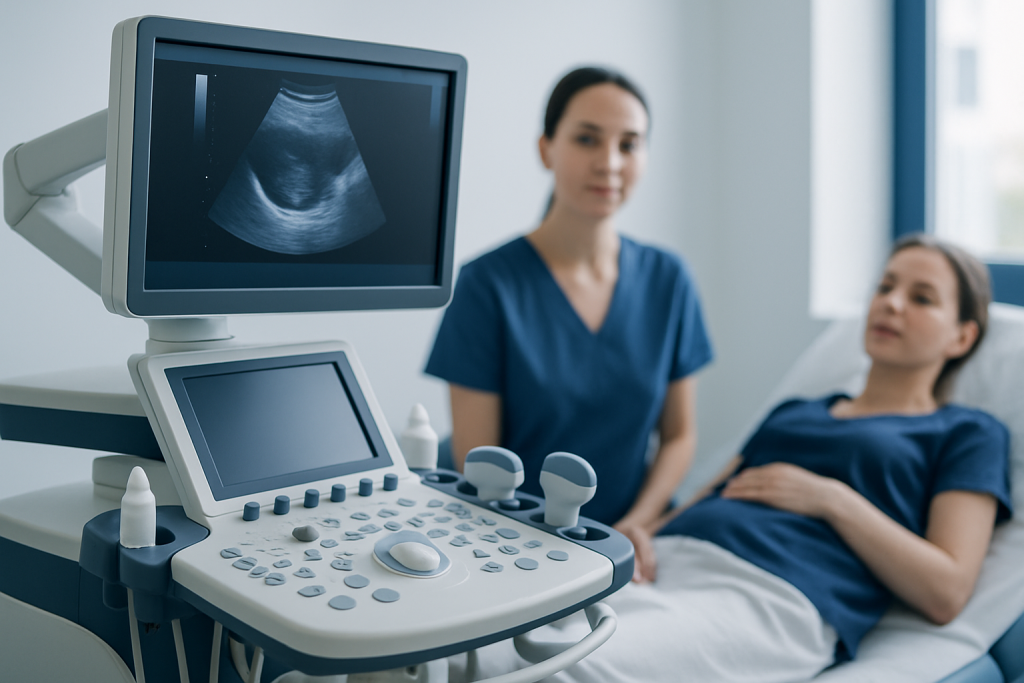
Clinicians assess penis size using standardized methods. In adults, stretched penile length is commonly measured from the pubic bone to the tip of the glans while gently stretching the penis. The measuring device is pressed to the pubic bone through any soft tissue, which helps avoid underestimating length in people with abdominal fat.
Micropenis is a medical diagnosis, not a general description for a penis that seems small. It refers to a stretched penile length substantially below the expected range for a person’s age, usually more than 2.5 standard deviations below the average. In children, age-specific reference values are essential, so parents should not try to diagnose this at home.
A penis may look shorter without being unusually small. A lower abdominal fat pad can partly cover the penile shaft, sometimes called a buried or concealed penis. This can occur in children or adults and may improve with growth, weight management where appropriate, or treatment of an underlying condition. Buried penis is different from true micropenis because the penile tissue itself may be normally developed.
Why Penis Size May Seem Smaller

Several non-medical factors can influence perceived penis size. Weight gain around the lower abdomen may make less of the shaft visible. The penis can also temporarily retract in cold conditions, during exercise, anxiety, or stress. Viewing one’s body from above may create a different impression than an objective measurement.
Puberty is another important factor. Genital growth does not happen at the same time or rate for everyone. Some boys begin puberty later than peers but go on to develop typically. Signs such as testicular enlargement, pubic hair growth, growth spurts and voice changes help clinicians understand whether puberty is progressing as expected.
Less commonly, small penile size can be linked with differences in hormone production or response, pituitary conditions, thyroid disorders, genetic conditions, or health problems affecting development before birth or during childhood. These possibilities are more relevant when there are other signs, such as undescended testes, very limited pubertal changes, reduced sense of smell, poor growth, or concerns about fertility.
Medical Assessment and Diagnosis
A family doctor, pediatrician, endocrinologist or urologist can assess a penis size concern respectfully and confidentially. The appointment usually begins with questions about development, puberty, overall health, medications, sexual function where relevant, and family history. For children, the clinician will also ask about pregnancy history, birth development and childhood growth.
The physical examination may include measuring stretched penile length, checking the testes and scrotum, and assessing pubertal stage. The clinician can determine whether the concern relates to normal variation, a concealed penis, delayed puberty, or a possible hormonal or developmental condition. They may also consider whether skin changes, curvature, prior injury or urinary symptoms need separate evaluation.
Tests are not needed for every person. When indicated, they may include blood tests for hormones and thyroid function, genetic testing, or imaging of the brain or pelvic organs. In adolescents and children, assessment by a pediatric endocrinology team may be recommended if there is concern about hormone-related development.
Treatment and Support Options
Treatment depends on the cause, age and whether there are functional symptoms. When size is within the expected range, the most helpful approach may be accurate education, reassurance and support for body image concerns. A clinician can discuss the broad range of normal anatomy and address worries about sexual performance, which is not determined by penis size alone.
If a hormonal condition is identified in infancy or childhood, specialist-directed hormone treatment may be considered. Timing matters, and this care should be managed by an experienced pediatric endocrinologist or urologist. Treatment may also be needed for related conditions, such as undescended testes or delayed puberty, according to an individualized evaluation.
For a buried penis, treatment may focus on the cause. This can include managing inflammation or skin conditions, addressing excess lower abdominal tissue where relevant, or considering surgery when there is significant functional difficulty, recurrent infection, hygiene problems or persistent concealment. Penile surgery assessment should only follow a careful medical consultation, because procedures marketed for enlargement may have risks and are not appropriate for everyone.
There is no reliable evidence that pills, creams, traction devices purchased without supervision, or exercises advertised online safely increase penis size. Some products can cause pain, scarring, erectile problems or financial harm. Anyone considering a device or procedure should first speak with a qualified urologist.
Daily Self-Care and Emotional Wellbeing
General health measures can improve comfort, confidence and sexual wellbeing. Maintaining a weight that is appropriate for the individual may make more of the penile shaft visible when lower abdominal fat is a contributing factor. Regular physical activity, balanced nutrition, adequate sleep and avoiding tobacco can also support vascular and sexual health.
Good genital hygiene is important, especially if there is a buried penis or difficulty retracting the foreskin. Gentle washing with water, drying the area well and avoiding irritating fragranced products may help prevent irritation. People should not force the foreskin back if it is tight or painful; a clinician can assess persistent tightness or recurrent inflammation.
Persistent worry about size can affect self-esteem, relationships and intimacy. It may help to discuss concerns with a doctor, sexual health professional or mental health professional. Supportive counselling can address unrealistic comparisons, anxiety and body-image distress without judgment.
When to Seek Medical Care
Medical advice is recommended when a child appears to have very limited penile growth, has an undescended testicle, or has not shown expected signs of puberty by the usual age range. Parents and caregivers should seek professional assessment rather than compare measurements with information found online.
Adolescents and adults should arrange an appointment if they have pain, a new change in shape or length, difficulty urinating, recurrent genital infections, erectile difficulties, a lump, injury, or significant distress about genital appearance. A sudden change in erection quality or penile shape may need urological assessment. Peyronie’s disease is one possible cause of new curvature in adults.
Urgent medical care is needed for severe genital pain, a painful erection lasting more than four hours, major swelling after injury, inability to pass urine, or signs of serious infection such as fever with worsening redness and pain. Acibadem International’s multidisciplinary specialists and JCI-accredited hospitals can evaluate urological and hormone-related concerns for international patients.
Frequently asked questions
What is considered a small vigana medically?
“Small vigana” is not a medical diagnosis. Clinicians assess whether penis size is within the expected range using standardized measurement, age and pubertal stage. Micropenis is a specific diagnosis that requires a markedly below-expected stretched penile length.
Can a penis look small even if its size is normal?
Yes. Lower abdominal fat, a concealed or buried penis, cold temperature and anxiety can make the penis look smaller. Flaccid size also varies considerably and does not reliably predict erect size.
Does penis size increase after puberty?
Most penile growth occurs during puberty. Growth generally slows and stops after pubertal development is complete. If puberty seems delayed or incomplete, a clinician can assess whether hormone testing is needed.
Are penis enlargement pills or exercises safe?
Products advertised for penis enlargement are often not supported by strong evidence. Unsupervised devices, injections, pills and exercises can lead to injury, scarring, pain or erectile problems. It is safest to discuss any proposed treatment with a urologist.
Can weight loss make the penis appear larger?
When lower abdominal fat partly covers the penile base, weight loss may reveal more of the existing shaft. It does not increase the actual length of penile tissue. A clinician can determine whether concealment is contributing to the concern.
When should a parent seek help for a child’s penis size?
Parents should consult a pediatrician if they are concerned about genital development, especially if there are undescended testes, atypical genital appearance, poor growth or delayed puberty. A clinician can measure accurately and decide whether referral to a pediatric endocrinologist or urologist is appropriate.
This article is for general information only and is not a substitute for professional medical advice. Please consult a qualified doctor about your individual situation.
Explore treatments in Turkey — costs, top hospitals & a free quote
JCI-accredited · board-certified surgeons · reply within 24h
Add us as a Preferred Source to see more of our trusted health content across Google Search, AI Overviews and Discover.

More from the Health Library

Knee for Knee — Explained by Medical Evidence, Not Myths

Cloudy Urine: An Evidence-Based Guide for Patients

Mucus in Urine: A Complete Medical Overview

Asa Medical Abbreviation — Explained by Medical Evidence, Not Myths

Adrenal Cocktail: A Complete Medical Overview