Sneeze Sneeze Sneeze: An Evidence-Based Guide for Patients
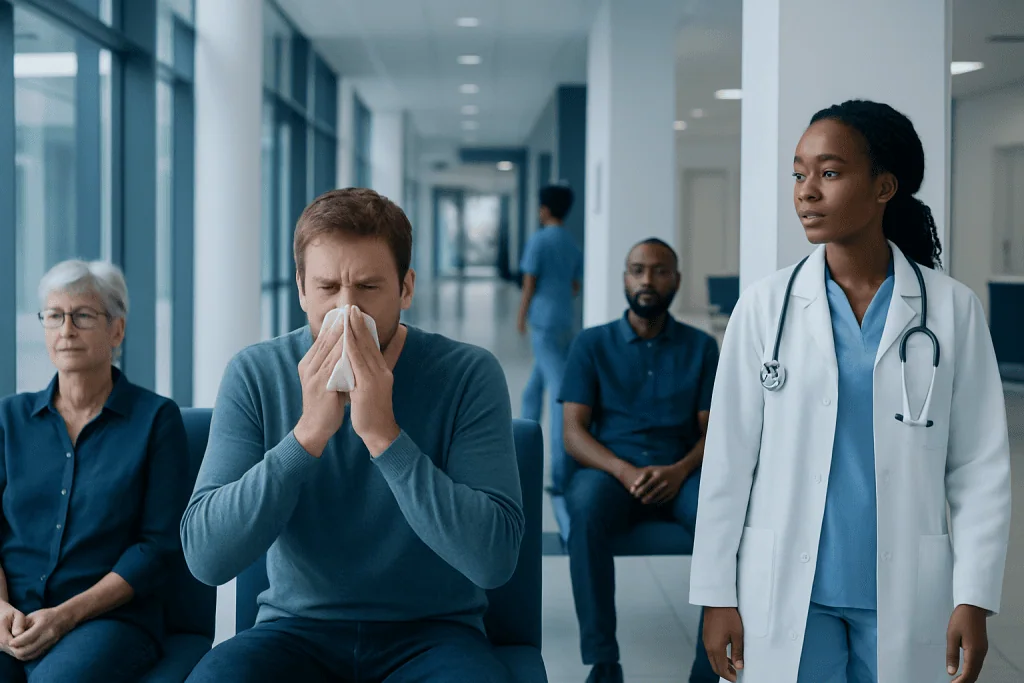
Sneezing is a protective reflex that helps clear irritants from the nose. Common causes include allergies, colds, environmental triggers, and nonallergic rhinitis.
Key Takeaways
- Sneezing is a protective reflex that helps clear irritants from the nose.
- Common causes include allergies, colds, environmental triggers, and nonallergic rhinitis.
- Patterns matter: timing, associated symptoms, and triggers often help identify the cause.
- Treatment depends on the reason for sneezing and may include trigger avoidance, saline rinses, or allergy treatment.
- Medical review is important if sneezing is persistent, severe, or linked with breathing trouble, fever, facial pain, or recurrent nosebleeds.
sneeze sneeze sneeze usually means the body is reacting to irritation in the nose, most often from allergies, viral infections, dry air, strong odors, or dust. Sneezing itself is a normal protective reflex, but repeated sneezing can be uncomfortable and may signal an underlying issue that deserves attention.
Overview: what repeated sneezing usually means
If a person is thinking, “sneeze sneeze sneeze,” the most likely explanation is that the nose is being irritated. This irritation can come from pollen, dust, pet dander, cigarette smoke, perfumes, viral infections such as the common cold, or changes in temperature and humidity. In many cases, repeated sneezing is bothersome but not dangerous.
Sneezing is a reflex. When sensitive nerve endings inside the nose detect an irritant, the body responds by taking a deep breath and forcefully pushing air out through the nose and mouth. This helps remove particles, mucus, and other triggers from the nasal passages.
What matters most is the pattern. Sneezing that happens during pollen season, after cleaning, around animals, or first thing in the morning may point toward allergies or irritants. Sneezing that begins with sore throat, fatigue, or body aches may be more consistent with a viral infection. Understanding the pattern often helps guide the next step.
How sneezing works and why it can come in bursts
The inside of the nose contains a lining rich in blood vessels, mucus-producing cells, and nerve endings. When this lining is irritated, signals travel through the trigeminal nerve to the brainstem, which coordinates the sneeze reflex. Several muscles then work together to create a sudden, forceful release of air.
Sneezing often comes in clusters rather than one isolated event because the trigger may not be removed with the first sneeze. Pollen grains, dust particles, mucus, or inflammatory chemicals can continue to stimulate the nasal lining for several moments. This is why one sneeze may quickly become two, three, or more.
Some people also have especially sensitive nasal passages. In these individuals, mild irritants that others barely notice can lead to repeated sneezing, watery eyes, or a runny nose. This sensitivity is common in allergic rhinitis and in some forms of nonallergic rhinitis.
Common causes of frequent sneezing

Allergies are one of the most common reasons for frequent sneezing. In allergic rhinitis, the immune system reacts to harmless substances such as pollen, dust mites, mold, or pet dander. This causes inflammation in the nose and symptoms including sneezing, itching, congestion, and a clear runny nose. This pattern may overlap with allergic rhinitis.
Viral infections are another major cause. A cold may begin with sneezing and a sore or scratchy throat, followed by congestion and increased mucus. Influenza and other respiratory viruses can also include sneezing, although fever, fatigue, or body aches may become more prominent.
Not all sneezing is caused by allergies or infection. Nonallergic rhinitis can be triggered by smoke, perfume, cleaning products, cold air, spicy foods, alcohol, hormonal changes, or air pollution. Structural issues in the nose may also play a role, including irritation related to sinusitis or a deviated septum that changes airflow and dryness.
- Allergic triggers: pollen, dust mites, pet dander, mold
- Infectious triggers: common cold and other upper respiratory viruses
- Environmental triggers: smoke, strong smells, pollution, dry air
- Physical triggers: cold air, bright light in some people, spicy foods
- Nasal conditions: rhinitis, sinus inflammation, structural irritation
Clues that help tell one cause from another
The details around sneezing often provide useful clues. Sneezing with itchy eyes, an itchy nose, and thin clear mucus strongly suggests allergies. Symptoms that appear at the same time each year, after gardening, or when entering a dusty room also support an allergic cause. If symptoms are ongoing indoors, dust mites, mold, or pets may be possible triggers.
When sneezing is part of a cold, it often comes with sore throat, tiredness, thicker mucus over time, and sometimes mild fever. Viral symptoms usually improve gradually within days, even though nasal congestion may linger longer. If symptoms worsen after initially improving, a doctor may consider another cause.
Nonallergic rhinitis is more likely when symptoms are brought on by perfume, smoke, weather changes, or eating. Some people notice repeated sneezing immediately after waking, after stepping into sunlight, or when entering air-conditioned spaces. A medical history and symptom pattern are often enough to suggest the cause, although allergy testing may sometimes be helpful.
Diagnosis: when evaluation may be needed
Occasional sneezing usually does not require testing. However, if sneezing is frequent, persistent, disrupts sleep, affects daily life, or occurs with significant congestion, facial pressure, or recurrent sinus problems, medical evaluation can help. A doctor typically starts by asking about timing, triggers, home and work exposures, medications, and associated symptoms.
The nose, throat, and ears may be examined for swelling, mucus, polyps, signs of infection, or structural problems. In some cases, allergy testing can identify likely triggers. When sinus disease or another anatomical issue is suspected, a clinician may recommend further ENT assessment or imaging.
Diagnosis is important because treatment depends on the cause. Repeated sneezing linked to chronic nasal inflammation may benefit from a different approach than sneezing caused by infection or environmental irritation. If symptoms are complex or long-lasting, specialist evaluation can be useful, including ENT treatment when nasal or sinus conditions are suspected.
Treatment and practical relief options
The best treatment for sneeze sneeze sneeze depends on why it is happening. For many people, reducing exposure to triggers is the first step. Keeping windows closed during high pollen periods, washing bedding regularly, using dust-mite covers, avoiding smoke exposure, and improving indoor air quality can all help. Saline nasal irrigation or saline sprays may also reduce irritants and mucus in the nose.
If allergies are the main cause, clinicians may recommend therapies such as antihistamines or nasal treatments to reduce inflammation. These options should be chosen with a qualified doctor or pharmacist, especially for children, pregnant individuals, older adults, or people with other medical conditions. For persistent allergy-related symptoms, formal assessment may guide a broader plan that can include allergy treatment.
When sneezing is related to sinus disease, chronic blockage, or structural concerns, treatment may focus on the underlying problem. This can range from medical management to selected procedures in appropriate cases, such as sinusitis treatment if chronic sinus inflammation is confirmed. If a deviated septum contributes to poor airflow and irritation, an ENT specialist may discuss whether septoplasty is relevant.
Home care still matters, even when medical treatment is needed. Staying well hydrated, using a humidifier if the air is very dry, and avoiding known triggers often reduce sneezing frequency. It is usually wise to avoid overusing decongestant nasal sprays unless a doctor specifically advises otherwise.
Prevention and self-care habits that can make a difference
Preventing repeated sneezing often means reducing nasal irritation over time rather than finding one single cure. People with seasonal allergies may benefit from checking pollen forecasts, showering after outdoor exposure, and changing clothes when returning home. Vacuuming with a good filter and cleaning soft furnishings can reduce dust and dander indoors.
For those sensitive to dry air, simple moisture support may help. A humidifier can be useful in some homes, provided it is cleaned properly to avoid mold buildup. Saline rinses or sprays can support the natural function of the nasal lining by loosening mucus and washing out particles.
Strong fragrances, aerosol sprays, and smoke are common but overlooked triggers. Choosing unscented household products and improving ventilation can reduce symptoms. Good hand hygiene and avoiding close contact with people who are ill can also lower the chance of viral infections that start with sneezing.
When to seek medical care
Most sneezing improves without urgent care, but a doctor should review symptoms that persist, recur often, or interfere with sleep, school, work, or exercise. Medical advice is also important if sneezing comes with facial pain, thick or discolored nasal discharge, ongoing congestion, frequent headaches, ear pressure, or symptoms that suggest chronic sinus or allergy problems.
Prompt medical attention is needed if sneezing is accompanied by trouble breathing, wheezing, swelling of the lips or tongue, chest tightness, high fever, severe facial swelling, or signs of a serious allergic reaction. Recurrent nosebleeds, significant nasal pain, or a one-sided nasal blockage should also be assessed.
Near the end of the care pathway, specialist evaluation can be helpful when symptoms are long-standing or difficult to explain. Acibadem International’s multidisciplinary specialists in JCI-accredited hospitals diagnose and treat nasal, sinus, and allergy-related conditions for international patients.
Frequently asked questions
Why do some people sneeze many times in a row?
Sneezing in bursts usually means the nasal lining is still being irritated after the first sneeze. Allergens, dust, mucus, or chemical irritants may continue to stimulate the nerves inside the nose for several moments. Some people also have more sensitive nasal passages than others.
Is frequent sneezing usually caused by allergies?
Allergies are a common cause, but they are not the only one. Repeated sneezing can also happen with colds, smoke exposure, perfumes, cold air, dry air, or nonallergic rhinitis. The associated symptoms and timing often help tell the difference.
How can a person stop sneezing naturally?
Natural approaches focus on removing or reducing triggers. Saline nasal spray or rinse, staying hydrated, improving indoor air quality, and avoiding smoke or strong fragrances may help. If symptoms are frequent or severe, medical advice is still important.
Can sneezing be a sign of infection?
Yes. Sneezing can be an early symptom of a viral upper respiratory infection such as the common cold. It is more likely to be infection-related when it comes with sore throat, fatigue, fever, or worsening nasal congestion.
When should repeated sneezing be checked by a doctor?
A doctor should assess sneezing that lasts, keeps returning, or affects sleep and daily activities. Review is also important if there is facial pain, thick nasal discharge, recurrent sinus symptoms, breathing difficulty, or signs of an allergic reaction.
Can bright light make someone sneeze?
Yes. Some people have a reflex called the photic sneeze reflex, in which sudden exposure to bright light triggers sneezing. It is usually harmless, though it can be inconvenient in certain situations such as driving.
References
- American Academy of Allergy, Asthma & Immunology
- American College of Allergy, Asthma & Immunology
- Centers for Disease Control and Prevention
- National Institute of Allergy and Infectious Diseases
- American Academy of Otolaryngology–Head and Neck Surgery
This article is for general information only and is not a substitute for professional medical advice. Please consult a qualified doctor about your individual situation.
Explore treatments in Turkey — costs, top hospitals & a free quote
JCI-accredited · board-certified surgeons · reply within 24h
Add us as a Preferred Source to see more of our trusted health content across Google Search, AI Overviews and Discover.