Social Queues: A Complete Medical Overview

Social queues are the signals people use to understand feelings, intentions, and turn-taking in conversation. Difficulty with social cues is not a diagnosis by itself; it can happen for many different medical, developmental, hearing, language, or mental health reasons.
Key Takeaways
- Social queues are the signals people use to understand feelings, intentions, and turn-taking in conversation.
- Difficulty with social cues is not a diagnosis by itself; it can happen for many different medical, developmental, hearing, language, or mental health reasons.
- Common signs include missing facial expressions, tone changes, personal space boundaries, sarcasm, and conversational timing.
- Assessment may involve medical history, hearing and vision checks, speech-language evaluation, and developmental or mental health review.
- Treatment focuses on the underlying cause and may include speech-language therapy, behavioral support, counseling, and practical social skills training.
- Professional help is important when social cue difficulties affect daily life, safety, learning, work, or relationships.
Social queues, more commonly called social cues, are verbal and nonverbal signals that guide everyday interaction. When a person has trouble noticing or interpreting them, it can affect conversation, relationships, school, work, and emotional well-being, but support and evaluation can help identify the cause and improve communication.
Overview: What Are Social Queues?
Social queues, usually referred to as social cues, are the verbal and nonverbal signals people use to understand what is happening in an interaction. These signals include facial expression, eye contact, body posture, gestures, tone of voice, pauses, personal space, and the broader context of a situation. They help a person know when to speak, when to listen, how another person may be feeling, and what response may be appropriate.
Reading social cues is a learned and developing skill. Many people pick up these signals naturally over time, but this process is not the same for everyone. Some children and adults may find social situations confusing, overwhelming, or hard to interpret. This does not mean they are unwilling to connect with others; it may simply mean their brain processes social information differently or that another health factor is affecting communication.
Difficulty understanding social queues is not a disease on its own. Instead, it is a communication feature that can appear in a range of situations, including neurodevelopmental differences, hearing or language problems, anxiety, depression, stress, fatigue, or certain neurological conditions. Looking at the whole person is important before drawing conclusions about the cause.
How Social Cues Work in Daily Life
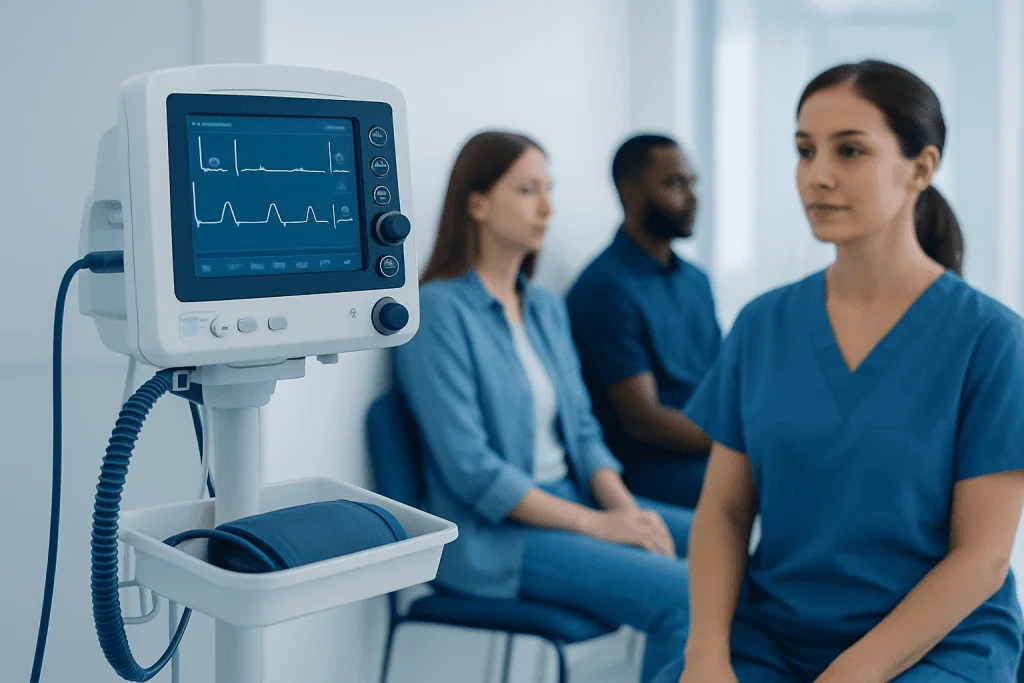
In everyday life, social cues act like a shared communication system. A raised eyebrow may suggest surprise, a quieter tone may signal sadness, and stepping back may show a need for more personal space. These signals often appear together, and people usually interpret them quickly without consciously thinking about each one.
Verbal cues matter too. The same words can mean different things depending on tone, pace, emphasis, and context. For example, a joking comment may be understood through a smile or playful voice, while a serious statement may be marked by direct eye contact and a firmer tone. Understanding these layers helps people respond in ways that feel respectful and connected.
Challenges can arise when cues are subtle, mixed, or culturally different. A person may understand language well but still miss sarcasm, indirect hints, or changes in mood. Others may notice cues but find it hard to respond in time. These differences can lead to misunderstandings, even when everyone involved has good intentions.
- Nonverbal cues: facial expressions, gestures, posture, eye contact, movement, and touch
- Paralinguistic cues: tone, pitch, volume, rhythm, and pauses
- Contextual cues: location, relationship, social rules, and group dynamics
- Verbal cues: word choice, implied meaning, humor, and turn-taking patterns
Signs of Difficulty Reading Social Queues

Difficulty with social cues can look different from person to person. Some people appear shy or withdrawn because they are unsure how to join a conversation. Others may interrupt often, stand too close, miss hints that someone wants to end a discussion, or take language very literally. In children, signs may include trouble with group play, limited back-and-forth conversation, or confusion in peer relationships.
Adults may notice repeated social misunderstandings at work, in friendships, or in family interactions. A person might struggle to tell whether someone is joking, annoyed, bored, or interested. They may not realize when their own body language seems tense, distracted, or overly intense. Sometimes the person is aware of the problem and feels embarrassed or exhausted after social situations.
Not every social misunderstanding means there is a medical issue. Stress, sleep loss, unfamiliar environments, language differences, and cultural norms can all influence communication. However, when these challenges are persistent, distressing, or interfering with everyday life, a professional assessment may be useful.
- Missing facial expressions or emotional tone
- Difficulty knowing when to speak or stop speaking
- Trouble understanding jokes, irony, or sarcasm
- Problems with eye contact or personal space
- Frequent misunderstandings in school, work, or relationships
- Feeling overwhelmed or anxious in social settings
Possible Causes and Related Conditions
There is no single reason why someone may struggle with social queues. In some cases, the explanation is developmental. Differences in social communication are common in people with autism spectrum disorder, where understanding nonverbal communication, flexibility in conversation, or reading another person’s perspective may be harder. Social cue difficulties can also appear with attention problems, language disorders, or learning differences.
Mental health factors can play a role as well. Anxiety may make it hard to focus on another person’s signals, while depression can reduce emotional responsiveness or energy for social interaction. Past trauma may also change how a person reads threat, trust, or intention in social settings. In some people, these difficulties overlap with attention-deficit/hyperactivity disorder, where impulsivity and inattention can affect conversational timing and awareness.
Medical and sensory causes should not be overlooked. Hearing loss can make tone and timing harder to follow. Vision problems may reduce access to facial expression or gesture. Neurological conditions, brain injury, dementia, and certain psychiatric conditions can also change social understanding. Sometimes a person who seems not to notice cues is actually working hard to process language, sound, emotion, and environment all at once.
Because the causes are varied, a careful evaluation is more helpful than assuming a person is rude, careless, or uninterested. A broad approach makes it easier to identify the most appropriate support.
How Doctors and Specialists Evaluate the Problem
Assessment starts with a detailed history. A clinician may ask when the difficulties began, whether they were present in childhood, which situations are hardest, and whether there are concerns about language, school, work, mood, or behavior. Family members or caregivers may also provide useful observations, especially for children.
There is no single blood test or scan for difficulty reading social cues. Evaluation is usually based on clinical interviews and targeted assessments. Depending on the situation, a person may benefit from hearing and vision testing, developmental screening, speech-language assessment, mental health review, or neurological examination. In children, input from teachers can help show how communication works across different settings.
If there are signs of a broader communication or developmental condition, the healthcare team may recommend formal testing. This can help distinguish among language disorder, autism spectrum disorder, attention-related difficulties, anxiety, and other possible explanations. In some cases, neurology evaluation or psychiatric assessment may be appropriate when symptoms suggest a neurological or mental health component.
The goal of diagnosis is not to label a person unnecessarily. It is to understand strengths, needs, and the best pathway to support more comfortable and effective communication.
Treatment and Support Options
Treatment depends on the underlying cause, the person’s age, and how much the issue affects daily life. For some people, education and practical coaching are enough. For others, structured therapy is useful. If a hearing, vision, language, developmental, neurological, or mental health condition is contributing, managing that condition is an important part of care.
Speech-language therapy can help with pragmatic language skills, such as turn-taking, reading conversational context, interpreting tone, and repairing misunderstandings. Behavioral and social skills programs may provide guided practice with facial expressions, body language, and real-life scenarios. When anxiety or mood symptoms are part of the picture, psychological support can help reduce distress and build confidence in social settings.
Children often benefit most when families, teachers, and clinicians work together. Adults may benefit from workplace strategies, therapy, coaching, or group-based practice. Support is most effective when it respects neurodiversity and focuses on communication success rather than forcing a person to copy every social behavior.
Near the end of the care pathway, some people also need assessment for related concerns such as language delay, sensory processing challenges, or social burnout. In selected cases, multidisciplinary teams can coordinate care across different specialties. Acibadem International’s multidisciplinary specialists in JCI-accredited hospitals evaluate and treat communication-related conditions for international patients when more comprehensive assessment is needed.
Self-Care, Home Strategies, and Communication Tips
Daily strategies can make social communication easier at home, school, or work. Clear, direct language often helps more than hints or sarcasm. It can also be useful to slow conversations slightly, check for understanding, and allow extra time to respond. Many people do better when expectations are explained rather than assumed.
Visual supports, role-playing, and predictable routines may be especially helpful for children. Adults may benefit from practicing specific situations, such as greetings, meetings, interviews, or difficult conversations. Some people find it useful to learn one social skill at a time, such as recognizing tone changes or noticing when another person is ready to speak.
Supportive communication should never feel shaming. The goal is to build confidence and reduce repeated misunderstandings. Family members, teachers, and colleagues can help by being patient, specific, and respectful.
- Use clear and concrete language
- Check whether the message was understood
- Practice common social situations in advance
- Reduce background noise when possible
- Encourage breaks if social situations feel overwhelming
- Seek professional guidance if problems are persistent or distressing
When to Seek Medical Care
It is reasonable to seek medical advice when difficulty with social queues is persistent, causes distress, or affects learning, work, relationships, or daily functioning. An evaluation is also important if these changes appear suddenly in someone who previously had no trouble with social understanding, especially after a head injury or alongside memory, speech, mood, or behavior changes.
Children should be assessed if caregivers notice delays in back-and-forth interaction, limited response to name, trouble with peer relationships, very literal language, or difficulty understanding emotions and gestures. Adults should seek help if social misunderstandings are leading to repeated conflict, isolation, anxiety, or occupational problems.
Prompt medical review is especially important when social communication changes occur together with hearing loss, language regression, confusion, weakness, severe mood symptoms, or other neurological signs. Starting with a primary care doctor, pediatrician, speech-language pathologist, psychologist, or specialist can help direct the next steps in a safe and organized way.
Frequently asked questions
What does social queues mean?
Social queues usually refers to social cues, which are the signals people use to understand social interaction. These include facial expression, tone of voice, body language, gestures, and conversational timing.
Is difficulty reading social cues a medical condition?
Not by itself. It is a sign or communication difficulty that can happen for many reasons, including developmental differences, hearing or language problems, anxiety, depression, or neurological conditions.
Can adults have problems with social cues even if they were not diagnosed as children?
Yes. Some adults recognize these difficulties later in life, especially when work, relationships, or parenting place greater demands on communication. Others develop social understanding problems after hearing changes, mental health symptoms, brain injury, or neurological illness.
How are social cue problems assessed?
Assessment usually begins with a medical and developmental history and a discussion of everyday challenges. Depending on the situation, clinicians may recommend hearing or vision tests, speech-language evaluation, mental health assessment, or neurological review.
Can social cue skills improve?
Yes, many people improve with the right support. Progress may come through speech-language therapy, counseling, social skills practice, environmental changes, and treatment of any underlying condition.
When should a parent worry about a child missing social cues?
Parents should seek professional advice if the child consistently struggles with back-and-forth interaction, peer relationships, understanding emotions, gestures, or conversational give-and-take. Early evaluation can clarify whether support is needed and what kind may help most.
References
- American Psychiatric Association
- Centers for Disease Control and Prevention
- National Institute on Deafness and Other Communication Disorders
- National Institute of Mental Health
- American Speech-Language-Hearing Association
This article is for general information only and is not a substitute for professional medical advice. Please consult a qualified doctor about your individual situation.
Explore treatments in Turkey — costs, top hospitals & a free quote
JCI-accredited · board-certified surgeons · reply within 24h
Add us as a Preferred Source to see more of our trusted health content across Google Search, AI Overviews and Discover.

More from the Health Library

Impaired Fasting Glucose: An Evidence-Based Guide for Patients

At Birth the Average Infant Weighs: A Complete Medical Overview

Flexitarian: What Patients Need to Know

Leafy Greens for Heart Health: An Evidence-Based Guide for Patients

Thiamine: An Evidence-Based Guide for Patients