Sore Head Back of Head: An Evidence-Based Guide for Patients

Pain at the back of the head often starts in the neck muscles, scalp nerves, or headache pathways. Tension headaches, posture-related strain, migraine, cervicogenic headache, and occipital neuralgia are common explanations.
Key Takeaways
- Pain at the back of the head often starts in the neck muscles, scalp nerves, or headache pathways.
- Tension headaches, posture-related strain, migraine, cervicogenic headache, and occipital neuralgia are common explanations.
- Warning signs include sudden severe pain, weakness, confusion, fever, head injury, or vision and speech changes.
- Treatment depends on the cause and may include rest, posture correction, physical therapy, or headache-specific care.
- Recurring or unexplained pain should be evaluated, especially if it changes in pattern or interferes with daily life.
A sore head back of head is commonly linked to muscle strain, poor posture, tension-type headaches, or irritation of nerves near the scalp and neck. Most causes are not dangerous, but new, severe, or persistent pain should be assessed by a qualified doctor to rule out less common serious conditions.
Overview: what a sore head back of head may mean
A sore head back of head usually refers to pain, tenderness, pressure, or aching felt in the occipital area, the region where the skull meets the neck. In many people, this kind of pain is related to muscle tension, neck strain, prolonged desk work, stress, or a primary headache condition. It may feel dull and tight, sharp and shooting, or sensitive to touch depending on the underlying cause.
The location of pain matters, but it does not provide the full diagnosis on its own. Pain at the back of the head can come from the neck joints and muscles, nerves that supply the scalp, or headache disorders such as migraine or tension-type headache. Less often, it can be associated with infection, blood pressure issues, trauma, or neurologic conditions that need prompt medical attention.
This symptom is best understood by looking at the whole picture: how the pain started, how long it lasts, what it feels like, whether the neck also hurts, and whether there are associated symptoms such as nausea, light sensitivity, dizziness, or numbness. A careful medical evaluation helps separate common benign causes from the smaller number of more urgent problems.
Symptoms and how the pain can feel
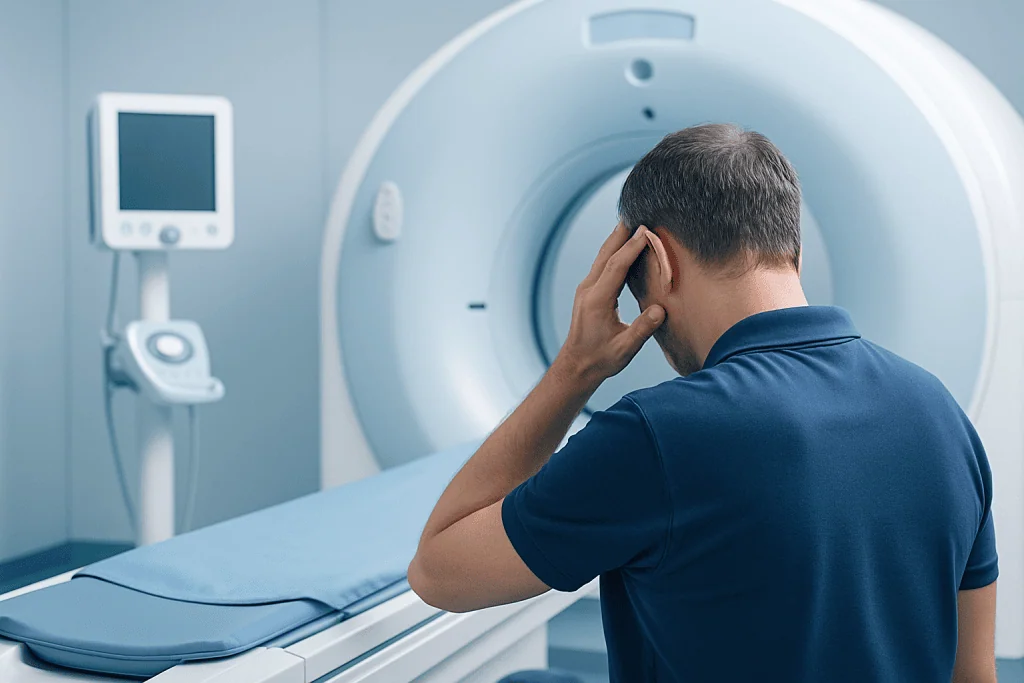
People describe a sore head back of head in different ways. Some feel a steady pressure or band-like ache, while others notice stabbing, burning, throbbing, or electric-shock pain. The discomfort may stay in one small area, spread upward from the neck, or radiate behind the ears, toward the top of the head, or into the shoulders.
Associated symptoms often help point toward the cause. Tension-related pain may come with neck tightness and tenderness in the scalp or upper shoulders. Migraine may cause throbbing pain with nausea, sensitivity to light or sound, and worsening with activity. Nerve-related pain such as occipital neuralgia can produce brief sharp attacks and scalp sensitivity, especially when the back of the head is touched.
It can be helpful to notice patterns such as whether symptoms start after sleeping in an awkward position, sitting at a computer for long periods, exercising, coughing, or feeling stressed. Keeping a simple symptom diary can make it easier for a clinician to identify triggers and decide whether the pattern fits migraine or another headache disorder.
- Common sensations: aching, pressure, throbbing, burning, stabbing, tenderness
- Possible associated symptoms: neck stiffness, shoulder tension, nausea, light sensitivity, scalp sensitivity, dizziness
- Important pattern clues: sudden onset, morning headaches, pain after injury, pain with fever, or pain that is progressively worsening
Common causes and risk factors

One of the most common causes is muscle tension in the neck and upper back. Long periods of screen use, slouched posture, stress, jaw clenching, poor pillow support, and overuse during exercise can all increase strain in this area. When the muscles and soft tissues become tight or irritated, pain may be felt where the neck connects to the skull.
Another common explanation is a headache disorder. Tension-type headaches can create a dull, pressing discomfort, while migraine can sometimes be felt at the back of the head rather than just one temple or one side. Cervicogenic headache is another possibility; this means pain is referred from structures in the neck. Degenerative changes, joint irritation, or limited neck movement can contribute.
Occipital neuralgia occurs when the occipital nerves are irritated or compressed. It can cause sudden piercing or shooting pain in the back of the head and sensitivity of the scalp. In other cases, pain may be linked to injury, arthritis of the cervical spine, viral illness, dehydration, elevated blood pressure during acute symptoms, or medication overuse in people with frequent headaches. Rare but serious causes include bleeding, infection, meningitis, stroke, or mass lesions in the brain, especially when the pain is abrupt, severe, or accompanied by neurologic changes.
How doctors diagnose pain in the back of the head
Diagnosis begins with a detailed history. A doctor will usually ask when the pain started, whether it was sudden or gradual, how often it occurs, what it feels like, what triggers it, and whether there are warning symptoms such as fever, weakness, vision changes, or recent injury. Information about sleep, stress, blood pressure, medications, and caffeine use may also be relevant.
A physical examination often includes checking blood pressure, evaluating neck movement, gently pressing on the scalp and neck muscles, and assessing the nervous system. The clinician may test strength, sensation, balance, eye movements, and reflexes. This helps determine whether the pain is more likely coming from muscles, nerves, the cervical spine, or a primary headache condition.
Imaging is not needed for every headache or sore area at the back of the head. However, tests may be recommended if the symptoms are new and severe, follow trauma, are getting worse, or are associated with abnormal exam findings. Depending on the situation, doctors may consider blood tests or MRI or CT scan imaging to look for structural causes. The goal is to identify the cause while avoiding unnecessary testing.
Treatment options depend on the cause
Treatment is most effective when it matches the underlying problem. If muscle tension or neck strain is contributing, a doctor may recommend relative rest, gentle stretching, heat or cold, posture correction, and physical therapy. For some people, improving workstation ergonomics, adjusting sleep position, or reducing repetitive strain can significantly reduce recurrence.
When the pain is related to a primary headache condition, treatment may include headache-specific medications and a plan to avoid common triggers. People with recurring migraine or frequent headaches may benefit from structured care through headache treatment, especially if over-the-counter pain relief is no longer effective or is needed too often. Medication overuse can itself worsen headache patterns, so professional guidance is important.
If the pain appears to come from the neck, targeted evaluation and physical therapy and rehabilitation may help improve mobility, muscle balance, and posture. In suspected occipital neuralgia, clinicians may consider nerve-focused treatments after confirming the diagnosis. If a serious underlying cause is identified, treatment will focus on that condition promptly and may involve emergency or specialist care.
Self-care and prevention
Many everyday habits can reduce a sore head back of head, especially when symptoms are linked to tension or posture. Regular movement breaks, a screen set at eye level, supportive seating, and keeping the shoulders relaxed can reduce strain on the upper neck. A pillow that keeps the neck in a neutral position may also help, particularly if pain is worse in the morning.
General headache prevention measures are often useful. These include staying hydrated, eating regular meals, getting enough sleep, limiting excessive caffeine, and managing stress. Relaxation strategies such as breathing exercises, gentle yoga, and mindfulness may lower muscle tension and reduce headache frequency in some people.
Self-care should still be cautious. It is reasonable to try simple measures for a mild, familiar pattern of discomfort, but repeated headaches or pain that is changing in character should not be ignored. If symptoms persist, come back often, or interfere with work, sleep, or daily activities, a medical review is the safer next step.
When to seek medical care
Medical care is recommended if a sore head back of head keeps returning, lasts longer than expected, becomes more intense, or is accompanied by persistent neck pain, nausea, dizziness, or sensitivity to light. It is also wise to arrange an evaluation if the pain starts after a fall, sports injury, or car accident, even if the injury seemed minor at first.
Urgent medical attention is needed for a sudden, severe headache that reaches maximum intensity quickly, especially if it is the worst headache the person has ever felt. Emergency assessment is also important if there is fever, confusion, fainting, seizure, weakness, numbness, trouble speaking, new vision changes, chest pain, or severe headache after head trauma.
Pregnant individuals, older adults with a new type of headache, and people with cancer, immune suppression, or blood clotting disorders should seek medical advice promptly for new or unusual head pain. Near the end of the diagnostic journey, some patients may benefit from care by neurologists, pain specialists, rehabilitation experts, and imaging teams. Acibadem International’s multidisciplinary specialists in JCI-accredited hospitals diagnose and treat headache, neck-related pain, and related neurologic conditions for international patients.
Frequently asked questions
Is pain at the back of the head usually serious?
Most cases are not serious and are linked to muscle tension, posture, neck strain, or common headache disorders. However, sudden severe pain or symptoms such as weakness, confusion, fever, or vision changes need urgent medical assessment.
Can poor posture cause a sore head back of head?
Yes. Long periods of looking down at a phone or working at a computer can strain the muscles and joints of the neck, which may refer pain to the back of the head. Improving ergonomics and taking regular movement breaks often helps.
What is the difference between occipital neuralgia and a tension headache?
Occipital neuralgia often causes sharp, shooting, or electric-like pain with scalp tenderness near the back of the head. A tension headache is more likely to feel like a dull, pressing, or tightening discomfort and may come with neck and shoulder tightness.
Should someone get imaging for pain in the back of the head?
Not always. Many people with a typical pattern of tension headache or posture-related pain do not need scans. Imaging is more likely to be used when symptoms are new, severe, worsening, follow trauma, or are accompanied by abnormal neurologic findings.
Can high blood pressure cause pain in the back of the head?
High blood pressure is not a common cause of routine headaches, but very high blood pressure can be associated with headache and other concerning symptoms. If there is severe headache with chest pain, shortness of breath, confusion, or visual symptoms, urgent care is important.
How can someone relieve a mild sore head back of head at home?
For a mild and familiar pattern, rest, hydration, gentle neck stretching, posture correction, and a warm or cold compress may help. If the pain keeps returning, changes in pattern, or does not improve, a medical evaluation is recommended rather than repeated self-treatment.
This article is for general information only and is not a substitute for professional medical advice. Please consult a qualified doctor about your individual situation.
Hair transplant in Turkey — costs, graft counts & a free assessment
JCI-accredited · board-certified surgeons · reply within 24h
Add us as a Preferred Source to see more of our trusted health content across Google Search, AI Overviews and Discover.
Check your numbers in seconds
BMI, calories, due date, blood pressure and 30+ more clinical calculators — free, instant, doctor-reviewed ranges.

More from the Health Library

Kerendia: An Evidence-Based Guide for Patients

Coccyx: What Patients Need to Know

Internal Shingles: A Complete Medical Overview

Mite Bites on Humans: A Complete Medical Overview

Fruits That Lower Blood Pressure — Explained by Medical Evidence, Not Myths