Spastic: What Patients Need to Know

Spastic most often describes increased muscle tone and involuntary tightness, also called spasticity. It can affect walking, posture, hand use, speech, comfort, sleep, and daily activities.
Key Takeaways
- Spastic most often describes increased muscle tone and involuntary tightness, also called spasticity.
- It can affect walking, posture, hand use, speech, comfort, sleep, and daily activities.
- Common causes include neurological conditions such as stroke, cerebral palsy, multiple sclerosis, and spinal cord injury.
- Treatment often combines physical therapy, stretching, medicines, assistive devices, and sometimes targeted procedures.
- New or worsening spastic symptoms should be assessed by a qualified doctor, especially if they follow injury or appear with weakness or pain.
Spastic usually refers to muscles that are unusually stiff, tight, or difficult to control because of a problem in the brain, spinal cord, or nerves that regulate movement. It is not a diagnosis by itself, but a symptom pattern that can occur in conditions such as stroke, cerebral palsy, multiple sclerosis, spinal cord injury, or other neurological disorders.
Overview: what “spastic” means in medical terms
In medical use, spastic usually describes muscles that are abnormally tight or overactive. Doctors more often use the term spasticity, which means increased muscle tone caused by disrupted signals from the brain or spinal cord to the muscles. This can make movement feel stiff, jerky, resistant, or difficult to control.
Spasticity is a symptom rather than a disease on its own. It may affect one arm, one leg, both sides of the body, or muscles throughout the body, depending on the underlying cause. Some people notice only mild tightness, while others have more significant muscle spasms, painful cramps, or limits in walking, dressing, writing, speaking, or personal care.
The word “spastic” can also be used casually in non-medical settings, but in healthcare it is best understood as a description of a physical finding. Because it is linked to the nervous system, evaluation often focuses on whether there is a condition involving the brain, spinal cord, or movement pathways. In many cases, proper treatment can improve comfort, mobility, and independence.
Symptoms and how spasticity can affect daily life
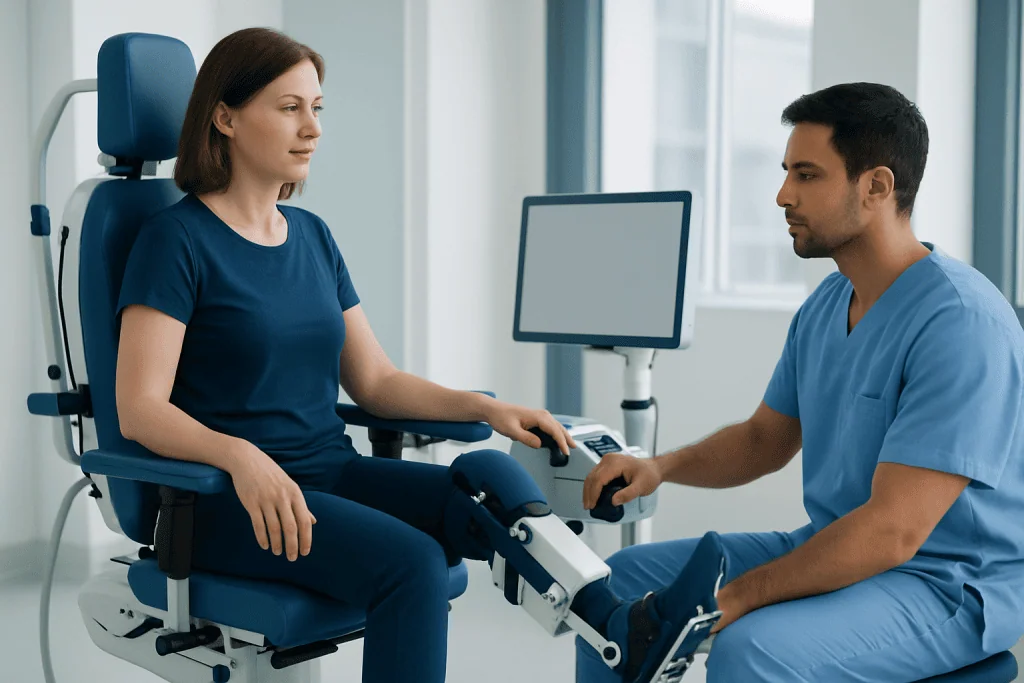
Spasticity often causes muscles to feel tight, hard, or resistant when a person tries to move. The stiffness may be constant or may come and go. Some people have sudden spasms, curling of the fingers or toes, crossing of the legs, or a limb that tends to stay in one position. Others notice that movements become slower, less precise, or more tiring.
Symptoms vary by which muscles are involved. Leg spasticity may lead to dragging a foot, toe walking, knee stiffness, poor balance, or difficulty climbing stairs. Arm or hand spasticity can make it hard to open the hand, hold objects, button clothes, or perform fine tasks. If facial, jaw, or throat muscles are affected, speech and swallowing may also be harder.
Spasticity may also contribute to pain, disturbed sleep, skin irritation from pressure points, and joint problems over time. In children, it can influence motor development and posture. In adults, it may reduce independence or increase fall risk. Common features include:
- Muscle tightness or stiffness
- Involuntary spasms or jerking movements
- Reduced range of motion
- Abnormal posture or limb positioning
- Difficulty with walking or hand function
- Pain, fatigue, or muscle cramps
The severity of symptoms does not always stay the same. Stress, infection, constipation, skin wounds, poor positioning, or sudden changes in temperature can make spasticity worse in some people. This is why ongoing monitoring and individualized care are important.
Causes and risk factors

Spasticity develops when the pathways that normally help regulate muscle tone are damaged. These pathways begin in the brain and travel through the spinal cord. When they are disrupted, muscles may receive exaggerated signals, causing excessive contraction and stiffness. The exact pattern depends on where the injury or disease affects the nervous system.
Common causes include stroke, cerebral palsy, multiple sclerosis, traumatic brain injury, spinal cord injury, and certain neurodegenerative or inherited conditions. It can also occur after infections, tumors, lack of oxygen to the brain, or structural abnormalities affecting the central nervous system. In children, spasticity is frequently associated with cerebral palsy. In adults, it is often seen after stroke or with diseases such as multiple sclerosis.
Risk factors depend on the underlying diagnosis. For example, stroke risk rises with age, high blood pressure, diabetes, smoking, and heart disease, while traumatic causes may follow accidents or sports injuries. Premature birth, complications during pregnancy or delivery, and early brain injury can increase the risk of spasticity in children.
Not every person with a neurological condition develops severe spasticity. The degree of stiffness may be influenced by the amount of nervous system injury, how long the condition has been present, access to rehabilitation, muscle shortening over time, and triggers such as urinary infections or poor seating and positioning.
How doctors diagnose spasticity
Diagnosis begins with a medical history and physical examination. The doctor asks when the stiffness started, whether it is getting worse, which body parts are affected, and whether pain, weakness, falls, bladder changes, speech problems, or numbness are also present. They also review past neurological injuries or conditions.
During the exam, the clinician assesses muscle tone, reflexes, strength, coordination, balance, and range of motion. Spasticity often becomes more noticeable when a limb is moved quickly. Doctors may use standardized scales to estimate severity and to track whether treatment is helping over time.
Tests may be used to identify the underlying cause rather than spasticity itself. Depending on the situation, this may include MRI or CT imaging of the brain or spine, blood tests, nerve or muscle studies, or swallowing and gait assessments. If symptoms suggest a recent stroke, spinal cord compression, infection, or other urgent problem, evaluation may need to happen quickly.
Diagnosis also looks for treatable factors that can aggravate symptoms. These may include pain, urinary infection, constipation, pressure sores, ill-fitting braces, poor wheelchair support, or medication side effects. Correcting these issues can sometimes reduce spasticity without changing the main long-term treatment plan.
Treatment options and rehabilitation
Treatment is tailored to the person’s symptoms, goals, and underlying condition. Mild spasticity may need only observation, stretching, and activity guidance, while more severe cases may require a combination of rehabilitation, medication, braces, injections, or procedures. The aim is usually not to make the muscles completely loose, but to improve comfort, function, positioning, hygiene, and quality of life.
Physical therapy and rehabilitation are central to care. Stretching, strengthening, range-of-motion exercises, posture training, splints or orthoses, and walking practice can help maintain flexibility and reduce complications. Occupational therapy may improve hand use, self-care, and home adaptations. For many people, a structured physical therapy and rehabilitation plan is the foundation of management.
Medications may be prescribed when stiffness interferes with daily activities, sleep, or comfort. These can relax muscles or reduce spasms, but they may also cause drowsiness or weakness, so doctors balance benefits and side effects carefully. In some cases, targeted injections such as Botox treatment are used for specific muscles. For selected patients with severe, widespread spasticity, more advanced options such as an intrathecal baclofen pump or surgery may be considered.
If spasticity relates to a major neurological disease, treatment also focuses on the underlying condition. This may include recovery care after stroke rehabilitation or coordinated management in a neurology service. Near the end of the care pathway, multidisciplinary assessment is especially valuable; Acibadem International’s specialists and JCI-accredited hospitals provide diagnosis and treatment for international patients with neurological conditions and movement-related symptoms.
Prevention, self-care, and living with spastic symptoms
Spasticity cannot always be prevented, because it often results from a neurological condition that has already occurred. However, early treatment and consistent rehabilitation can reduce complications and help preserve movement. Regular stretching, correct positioning, and keeping joints mobile are often important parts of daily care.
Helpful self-care measures may include staying physically active within personal ability, using prescribed braces or splints, avoiding long periods in one position, and following home exercise plans. Good hydration, bowel care, and skin care may also help by reducing triggers that make spasms worse. Caregivers may need guidance on safe transfers, seating, and passive range-of-motion exercises.
Practical adjustments can make daily life easier. These may include mobility aids, supportive footwear, adapted utensils, modified bathrooms, or work and school accommodations. Keeping a symptom diary can help identify triggers such as fatigue, infection, missed stretches, stress, or uncomfortable seating.
Long-term management works best when goals are realistic and personal. For one person, the priority may be easier walking; for another, it may be less pain, easier hygiene, or improved hand opening. Regular follow-up helps the care team adjust treatment as needs change.
When to seek medical care
Medical advice is recommended if muscle stiffness, spasms, or unusual limb tightness are new, getting worse, or beginning to interfere with walking, hand use, sleep, work, or self-care. Children with delayed motor development, unusual posture, or tight muscles should also be assessed promptly by a pediatric specialist.
Urgent medical evaluation is important if spastic symptoms begin suddenly, especially with facial drooping, arm weakness, trouble speaking, severe headache, loss of balance, or confusion, as these may be warning signs of stroke. Immediate care is also needed after a head or spine injury, or if stiffness appears with fever, severe pain, new numbness, or loss of bladder or bowel control.
Even when symptoms are not an emergency, specialist review can be helpful if current treatment is not working, side effects are troublesome, or joints are becoming fixed in one position. Early assessment often allows more options for therapy and can help prevent avoidable complications over time.
Frequently asked questions
What does spastic mean?
In medicine, spastic usually refers to muscles that are unusually stiff, tight, or prone to involuntary spasms. Doctors commonly use the term spasticity to describe this problem, which usually happens because of a condition affecting the brain or spinal cord.
Is spasticity the same as muscle cramps?
Not exactly. Muscle cramps are sudden, painful contractions that can happen even in otherwise healthy muscles, while spasticity is a longer-term change in muscle tone caused by nervous system dysfunction. Some people with spasticity can also experience cramps, but the two are not the same condition.
Can spasticity be cured?
Whether it can be fully reversed depends on the cause. In some people, symptoms improve significantly with recovery and rehabilitation, while in others spasticity is a chronic issue that can be managed but not completely cured. Treatment often focuses on improving movement, comfort, and daily function.
What conditions commonly cause spasticity?
Common causes include stroke, cerebral palsy, multiple sclerosis, traumatic brain injury, and spinal cord injury. It may also occur with certain inherited, degenerative, or structural neurological disorders.
How is spasticity treated?
Treatment may include stretching, physical and occupational therapy, braces, oral medicines, and targeted injections for specific muscles. In more severe cases, doctors may consider pump therapy or surgery, depending on the person’s symptoms and goals.
Can exercise help spastic symptoms?
Yes, appropriate exercise often helps maintain flexibility, joint movement, strength, and overall mobility. The best plan depends on the underlying condition, so exercises should ideally be guided by a doctor or rehabilitation professional to avoid strain or unsafe movements.
This article is for general information only and is not a substitute for professional medical advice. Please consult a qualified doctor about your individual situation.
Joint and spine care in Turkey — expert assessment & treatment
JCI-accredited · board-certified surgeons · reply within 24h
Add us as a Preferred Source to see more of our trusted health content across Google Search, AI Overviews and Discover.
Check your numbers in seconds
BMI, calories, due date, blood pressure and 30+ more clinical calculators — free, instant, doctor-reviewed ranges.

More from the Health Library

Whitish Particles in Urine: An Evidence-Based Guide for Patients

Lemongrass Essential Oil Benefits: What Patients Need to Know

Ridges in Nails: A Complete Medical Overview

Sugar Lip Scrub — Explained by Medical Evidence, Not Myths

Stiolto Respimat — Explained by Medical Evidence, Not Myths