Speech Delay in Children: Early Signs, Causes, and When to Evaluate
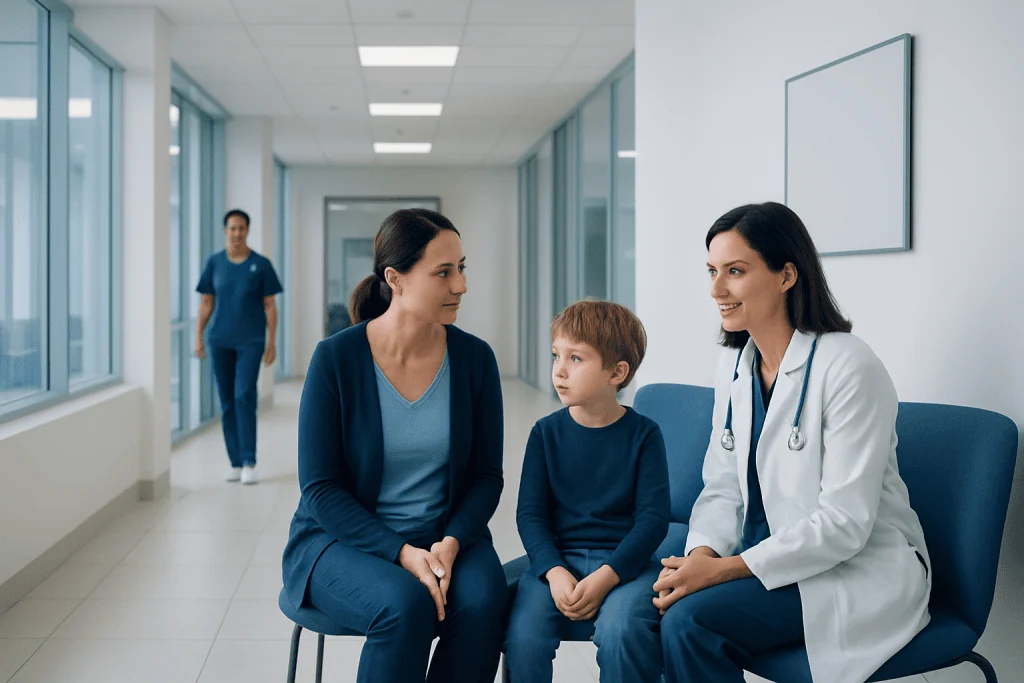
Speech delay means a child is not meeting expected speech milestones for their age. Some children are simply late talkers, but hearing, developmental, neurological, or oral-motor issues may also play a role.
Key Takeaways
- Speech delay means a child is not meeting expected speech milestones for their age.
- Some children are simply late talkers, but hearing, developmental, neurological, or oral-motor issues may also play a role.
- Warning signs include limited words, difficulty understanding language, unclear speech, or loss of previously learned skills.
- Assessment may involve a pediatrician, hearing test, and speech-language evaluation.
- Early support, especially speech-language therapy, can improve communication and reduce frustration.
Speech delay in children is common and can happen for many reasons, from normal variation to hearing, developmental, or language-related concerns. Early evaluation helps clarify what is expected, what needs support, and which therapies may improve communication.
Overview
Speech delay in children refers to slower-than-expected development of spoken language. A child may use fewer words than expected, start combining words later than peers, or be difficult to understand for their age. Speech delay can affect how sounds are produced, how words are used, or both.
It is important to remember that children develop at different rates. Some are naturally quieter or take a little longer to begin talking. However, when speech and language skills are noticeably behind expected milestones, an evaluation can help determine whether the pattern reflects normal variation or a condition that needs support.
Speech and language are related but not identical. Speech is the physical act of making sounds and words clearly. Language includes understanding words, gestures, meanings, and using words to communicate needs, thoughts, and ideas. A child may have a speech delay, a language delay, or both.
Early recognition matters because communication skills support learning, behavior, and social development. When children cannot express themselves easily, they may become frustrated or withdrawn. Timely guidance can help families encourage progress in reassuring, practical ways.
Early Signs and Milestones
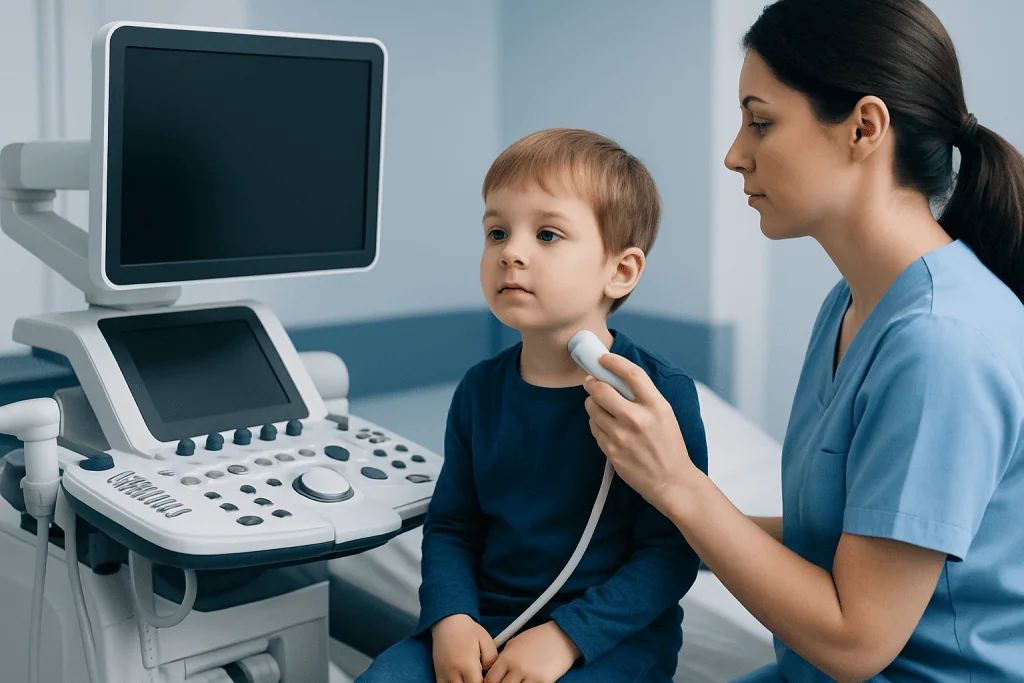
Parents often notice speech delay when a child is not babbling, using words, or combining words at the expected age. While exact timing varies, there are general milestones doctors and speech-language pathologists use as guides. Delays are more concerning when a child is not only talking less, but also has trouble understanding language or using gestures such as pointing and waving.
In infancy, babies usually begin cooing, babbling, and responding to familiar voices. By around the first year, many use simple sounds or words such as “mama” or “dada” meaningfully and respond to their name. During the second year, children often begin using more words and may start putting two words together. By preschool age, speech should gradually become clearer and more interactive.
Parents may want to seek advice if a child shows signs such as limited babbling, few or no words, difficulty following simple instructions, or unclear speech compared with peers. Another important warning sign is losing language or social skills that were previously present. Loss of skills should always be assessed promptly.
- No babbling or limited sound play in late infancy
- No meaningful single words by the expected toddler stage
- Not combining words when most children of the same age begin to do so
- Difficulty understanding simple directions
- Speech that is very hard for familiar caregivers to understand
- Loss of words, gestures, or social communication skills
Causes and Risk Factors
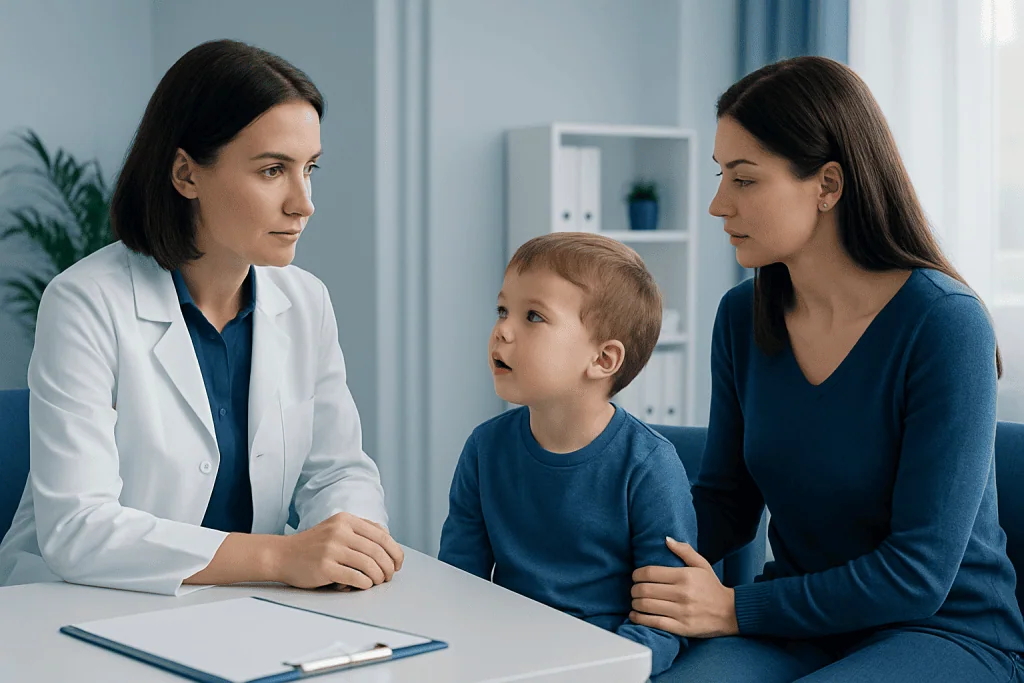
Speech delay in children can happen for many different reasons. In some cases, it reflects a temporary developmental lag in an otherwise healthy child. In others, it may be related to hearing loss, recurrent ear infections, oral-motor difficulties, autism spectrum disorder, intellectual disability, or broader developmental differences. Some children have a specific language disorder even though other areas of development are typical.
Hearing plays a major role in language learning. A child who does not hear sounds clearly may have difficulty imitating words and understanding speech. This is why hearing assessment is a key part of evaluating delayed speech. Structural or motor issues affecting the mouth, tongue, or palate can also make it harder to produce sounds correctly.
Environmental factors may contribute too. Limited opportunities for face-to-face interaction, fewer language-rich conversations, or excessive passive screen exposure may affect language development, especially in younger children. However, speech delay is not caused by a parent doing something wrong, and families should avoid self-blame.
Some children with speech delay also have related conditions that affect communication, attention, learning, or social interaction. Depending on the child’s overall development, clinicians may assess for broader concerns such as autism spectrum disorder or neurological conditions. The goal is not to label children too quickly, but to understand the reason for the delay and guide the right support.
How Speech Delay Is Diagnosed
Evaluation usually begins with a visit to a pediatrician or family doctor. The clinician asks about pregnancy and birth history, developmental milestones, hearing concerns, family history, behavior, social interaction, and the languages spoken at home. A physical examination helps identify signs of ear problems, neurological issues, or oral-motor differences.
A hearing test is often one of the first steps because even mild hearing loss can affect speech development. Children may also be referred to a speech-language pathologist, who assesses how the child understands language, uses words, produces sounds, and communicates through play, gestures, and interaction. Younger children are often evaluated in a playful, child-friendly setting.
If there are concerns about overall development, additional assessments may be recommended. These can include developmental screening, cognitive testing, or evaluation by specialists such as developmental pediatricians, neurologists, or ear, nose, and throat doctors. In some cases, clinicians may recommend hearing testing and audiology assessment or further developmental follow-up to clarify the cause.
Bilingual or multilingual children should be assessed thoughtfully. Learning more than one language does not cause speech delay. A proper evaluation considers skills across all languages the child hears and uses, rather than judging development based on only one language.
Treatment Options and Support
Treatment depends on the cause and the child’s specific needs. Many children benefit from early speech-language therapy, which helps improve understanding, sound production, vocabulary, sentence building, and social communication. Therapy may be play-based and designed to fit the child’s age, interests, and developmental level.
For some children, treatment focuses on an underlying problem. For example, hearing loss may need medical management, hearing devices, or support from audiology specialists. Oral-motor or structural issues may need input from ENT or other specialists. If a broader developmental condition is identified, the care plan may involve several professionals working together.
Parents and caregivers are a central part of treatment. A speech-language pathologist often teaches families practical techniques to use at home, such as naming objects during daily routines, expanding on the child’s words, taking turns in conversation, and reading together regularly. These small, repeated interactions can strongly support progress.
When speech delay is linked to hearing or communication disorders, coordinated care is especially helpful. Depending on the child’s needs, doctors may suggest speech and language therapy along with specialist review in ENT care. The best plan is individualized, with regular follow-up to monitor improvement and adjust goals over time.
What Parents Can Do at Home
Home support can make a meaningful difference. Children learn language best through warm, responsive interaction. Talking during meals, bath time, dressing, and play helps build vocabulary naturally. It is more helpful to have short, frequent conversations than to pressure a child to repeat words on command.
Reading aloud every day supports both language understanding and speech development. Parents can point to pictures, name objects, pause for the child to respond, and repeat favorite words and phrases. Songs, nursery rhymes, and pretend play can also strengthen listening and expressive language in enjoyable ways.
Reducing passive screen time may help create more opportunities for real-life interaction. If screens are used, they are best shared with an adult who talks about what is happening. Children learn communication most effectively from people, not from background media or one-way digital content.
- Talk face-to-face during daily routines
- Read books together every day
- Follow the child’s interests during play and name what they see or do
- Give time to respond instead of rushing to answer for them
- Praise communication attempts, including gestures and sounds
- Attend recommended appointments and practice therapy strategies at home
When to See a Doctor
Parents should speak with a doctor if they are worried about a child’s speech, language understanding, or communication skills at any age. It is better to ask early than to wait and hope the problem will resolve on its own. Early review does not always mean something serious is wrong, but it can provide reassurance or identify support that may help.
Prompt assessment is especially important if a child does not respond to sounds consistently, seems to have trouble understanding simple language, loses previously learned words, or has other developmental concerns such as limited eye contact, repetitive behaviors, or delayed motor milestones. Feeding difficulties, unusual voice quality, or persistent drooling may also suggest the need for further evaluation.
If a child has frequent ear infections, a family history of hearing loss or developmental disorders, or was born prematurely, clinicians may recommend closer monitoring. The sooner a concern is identified, the sooner families can begin targeted support if needed.
For families seeking specialist assessment, Acibadem International’s multidisciplinary teams in JCI-accredited hospitals evaluate and treat speech and communication concerns in children, including coordination with pediatrics, audiology, ENT, and rehabilitation services when appropriate.
Outlook and Long-Term Development
The outlook for speech delay in children varies depending on the cause, severity, and how early support begins. Many children make strong progress with time, therapy, and consistent practice at home. Some catch up fully, while others continue to need support with speech, language, learning, or social communication as they grow.
Regular follow-up is important because communication needs can change with age. A child who improves in single words may later need help with sentence structure, pronunciation, classroom participation, or reading readiness. Monitoring helps ensure that support remains appropriate and effective.
Families should remember that progress is often gradual. Small gains, such as more eye contact, better understanding, more gestures, or a few new words, can be meaningful steps forward. Encouraging communication in all forms helps children build confidence while their speech and language skills develop.
With patient guidance, a supportive home environment, and professional care when needed, many children with speech delay develop better ways to understand others and express themselves. Reassurance, early action, and individualized support are the foundation of care.
Frequently asked questions
Is speech delay the same as autism?
No. Speech delay can happen on its own or as part of several different conditions. Some children with autism have speech delay, but many children with delayed speech do not have autism.
Can a child outgrow speech delay without treatment?
Some late talkers do catch up, especially if their understanding, play, and social interaction are otherwise typical. However, it is not always possible to tell early on which children will catch up, so professional evaluation is often recommended.
Does being bilingual cause speech delay?
No. Learning two or more languages does not cause speech delay. A proper assessment should consider the child’s skills across all languages they hear and use.
When should parents worry about unclear speech?
Mild pronunciation errors can be normal in younger children, but speech should become easier to understand over time. If parents or familiar caregivers struggle to understand a child, or if improvement is very limited, an evaluation is sensible.
Why is a hearing test important for speech delay?
Children learn speech and language by hearing sounds clearly and often. Even mild or temporary hearing problems can affect word learning, pronunciation, and understanding, so hearing assessment is a routine part of evaluation.
What type of doctor should evaluate speech delay?
A pediatrician is usually the first point of contact. Depending on the findings, the child may also be referred to a speech-language pathologist, audiologist, ENT specialist, developmental pediatrician, or neurologist.
References
- American Academy of Pediatrics
- American Speech-Language-Hearing Association
- Centers for Disease Control and Prevention
- National Institute on Deafness and Other Communication Disorders
- World Health Organization
This article is for general information only and is not a substitute for professional medical advice. Please consult a qualified doctor about your individual situation.
Explore treatments in Turkey — costs, top hospitals & a free quote
JCI-accredited · board-certified surgeons · reply within 24h
Add us as a Preferred Source to see more of our trusted health content across Google Search, AI Overviews and Discover.