Spleen Removal: Procedure, Recovery and Results

Splenectomy may be planned for a blood disorder or enlarged spleen, or performed urgently after a serious injury. Laparoscopic surgery often allows a shorter hospital stay and recovery than open surgery, although open surgery is sometimes necessary.
Key Takeaways
- Splenectomy may be planned for a blood disorder or enlarged spleen, or performed urgently after a serious injury.
- Laparoscopic surgery often allows a shorter hospital stay and recovery than open surgery, although open surgery is sometimes necessary.
- The spleen helps fight some infections, so recommended vaccinations and urgent assessment of fever are important after removal.
- Spleen removal recovery time varies, but many people return gradually to usual daily activities within several weeks.
- Long-term care may include infection-prevention planning, medical-alert identification, and regular discussion with a healthcare professional.
Spleen removal, also called splenectomy, is an operation performed when the spleen is damaged, enlarged, or contributing to certain blood disorders. People can live well without a spleen, but they need lifelong protection against serious infections through vaccines, prompt medical advice for fever, and individualized follow-up.
Overview: What Is Spleen Removal?
Spleen removal is a surgical procedure called a splenectomy. The spleen is an organ in the upper left side of the abdomen, behind the ribs. It filters blood, removes older blood cells, stores some blood cells, and supports the immune system by helping the body respond to certain germs.
A surgeon may remove all of the spleen or, in selected situations, part of it. The operation may be planned after careful assessment or performed urgently after abdominal trauma. Although the spleen has useful roles, the liver, bone marrow, lymph nodes, and other immune tissues can take over many of its functions.
The main long-term consideration is infection risk. Without a functioning spleen, a person is more vulnerable to rapidly developing infections caused by particular bacteria. Preventive vaccines, knowing when to seek help, and a clear care plan allow most people to lead active lives after spleen removal.
How It Works and Who May Need a Splenectomy
Spleen removal may be recommended when the expected benefit of surgery is greater than the risks of keeping the spleen. This decision is made by a multidisciplinary team and depends on the underlying condition, symptoms, blood test results, imaging findings, overall health, and whether less invasive treatments are suitable.
Common reasons include a ruptured spleen after trauma, a spleen that is very enlarged or painful, certain blood disorders in which the spleen destroys blood cells too quickly, some cancers affecting the spleen or blood, cysts, abscesses, or other spleen masses. In immune thrombocytopenia, for example, splenectomy may be considered when platelet counts remain low despite other treatments.
Before planned surgery, clinicians may arrange blood tests, ultrasound or CT imaging, and a review of medications that affect bleeding or immunity. Vaccines are ideally given before surgery when time permits. Some people may need care from surgeons, hematologists, infectious-disease specialists, anesthesiologists, and rehabilitation professionals.
- Urgent surgery may be necessary if internal bleeding from a ruptured spleen cannot be controlled.
- Planned surgery is more common for selected blood disorders, tumors, or persistent spleen-related symptoms.
- Not every enlarged or injured spleen requires removal; observation, repair, embolization, medicines, or treatment of the cause may be appropriate alternatives.
Spleen Removal Surgery: Step by Step
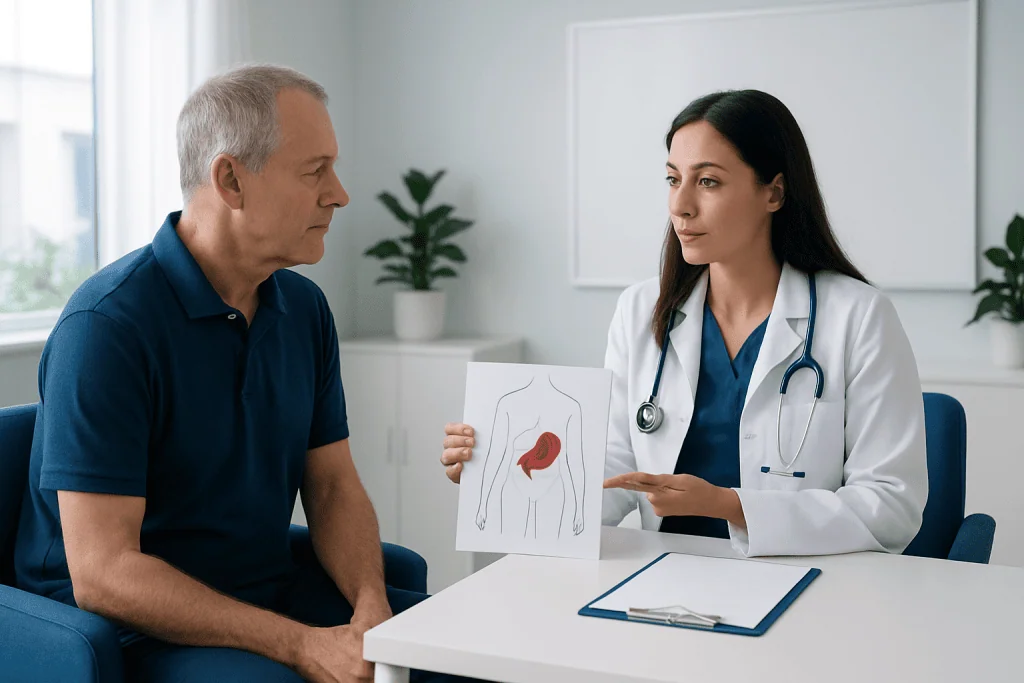
Spleen removal surgery is carried out under general anesthesia, so the patient is asleep and does not feel pain during the procedure. The surgical team monitors breathing, heart function, blood pressure, and other vital signs throughout the operation. The exact approach depends on the reason for surgery, spleen size, anatomy, and whether there is active bleeding.
In laparoscopic splenectomy, the surgeon makes several small incisions and uses a camera and specialized instruments to separate the spleen safely from its blood supply and surrounding tissues. The spleen is then removed through a small incision, sometimes after being placed in a protective bag. This minimally invasive approach is often possible for planned procedures.
In open splenectomy, the surgeon makes a larger abdominal incision. This may be needed after severe trauma, when bleeding is present, if the spleen is very large, or when laparoscopic access is not safe. During either procedure, surgeons also check nearby structures such as the stomach, pancreas, bowel, and blood vessels.
After surgery, the removed tissue may be examined in a laboratory to confirm the diagnosis. Patients receive pain relief, fluids, and early support with breathing exercises and movement. For individualized assessment and surgical planning, splenectomy treatment may involve coordinated care between general surgery, hematology, and infectious-disease teams.
Is It a Big Deal to Have Your Spleen Removed?
It is a significant operation because it involves anesthesia, abdominal surgery, and a permanent change in infection protection. However, spleen removal is a well-established procedure, and many people recover well and return to normal routines. The importance of the operation depends greatly on why it is needed and whether it is performed as planned surgery or as an emergency.
The immediate surgical risks include bleeding, blood clots, infection, reactions to anesthesia, injury to nearby organs, and wound complications. Risks may be higher when surgery follows major trauma, when a person has other serious health conditions, or when blood counts are low. The surgical team discusses the individual risk profile before a planned procedure.
The key lifelong issue is susceptibility to severe infection, sometimes called overwhelming post-splenectomy infection. This is uncommon but can progress quickly, which is why vaccination, preventive advice, and urgent medical assessment for fever are essential. The benefits of surgery may include controlling internal bleeding, improving low blood cell counts, relieving symptoms from an enlarged spleen, or treating an underlying disease.
Is Spleen Removal a Big Op?
Whether spleen removal is considered a “big op” depends on the surgical approach and the circumstances. An emergency open splenectomy for trauma is a major operation and may involve a longer hospital stay, blood transfusion, and recovery from other injuries. A planned laparoscopic splenectomy is usually less invasive, but it remains a serious procedure that needs careful preparation and follow-up.
Hospital stay varies. After an uncomplicated laparoscopic procedure, some patients may go home within a few days, while open surgery or emergency treatment can require a longer stay. Before discharge, the care team confirms that pain is controlled, the person can eat and drink adequately, mobility is improving, and there are no concerning signs of bleeding or infection.
For elective surgery, preparing in advance can make the process smoother. This may include receiving recommended vaccines, stopping or adjusting certain medicines under medical guidance, arranging help at home, and discussing return-to-work expectations. The team may also advise on blood-clot prevention, particularly during the early recovery period.
Spleen Removal Recovery: Timeline, Results and Daily Life
Spleen removal and recovery are different for every person. In the first days after surgery, tiredness, incision discomfort, reduced appetite, and mild abdominal bloating are common. Walking short distances, performing breathing exercises, drinking fluids as advised, and gradually resuming food can support recovery and lower the risk of complications.
Spleen removal surgery recovery time is often shorter after laparoscopic surgery than after open surgery. Many people can increase light daily activity over the first few weeks, but strenuous exercise, heavy lifting, and contact sports should wait until the surgeon confirms that healing is sufficient. A typical spleen removal recovery period may last several weeks, while recovery can take longer after emergency surgery, complications, or other injuries.
The results of splenectomy depend on the underlying reason for surgery. For example, blood counts may improve when the spleen was removing blood cells too rapidly, while treatment for cancer or another systemic condition may still be needed. Follow-up appointments are used to review healing, blood tests where needed, pathology results, and longer-term prevention plans.
People without a spleen should keep an up-to-date vaccination record, consider carrying medical-alert information, and tell all healthcare professionals about their splenectomy. Travel planning is also important, particularly for destinations where malaria or other infections are common, because additional preventive measures may be recommended.
What Is Life Like After Spleen Removal?
For most people, life after spleen removal is active and independent. There is no special long-term diet required solely because the spleen has been removed, and most people can work, exercise, travel, and take part in family and social life once they have recovered. Follow-up needs depend on the reason for surgery and any other health conditions.
Infection prevention becomes a routine part of self-care. Healthcare professionals usually recommend vaccines that protect against pneumococcal, meningococcal, and Haemophilus influenzae type b infections, as well as routine vaccines such as seasonal influenza vaccination. The exact schedule depends on age, prior vaccination history, local guidance, and whether surgery was planned or urgent.
A clinician may recommend antibiotics in certain circumstances, such as for a period after surgery, in childhood, or for people at higher risk of infection. This plan is individualized; people should not start, stop, or keep antibiotics without medical advice. It is also sensible to seek travel-health advice before international trips and to ask promptly about bites from animals or ticks, as these may occasionally require treatment.
What Can You Not Do After Spleen Removal? When to Seek Medical Care
Immediately after spleen removal, people should not drive while taking sedating pain medicines, lift heavy objects, perform strenuous abdominal exercise, swim before the wound is fully healed, or return to contact sports until their surgeon says it is safe. The timeframe varies with the operation and the individual’s recovery. Returning too quickly can increase discomfort or place stress on healing tissues.
Long term, there are usually few absolute restrictions. The most important change is not to ignore possible infection. A temperature of 38°C (100.4°F) or higher, chills, sudden flu-like illness, confusion, severe weakness, shortness of breath, or a rapidly worsening condition should be assessed urgently, especially after splenectomy. People should follow their clinician’s instructions on when and where to seek emergency care.
Medical advice is also needed for increasing redness, swelling, drainage, or separation of the wound; persistent vomiting; worsening abdominal pain; leg swelling or chest pain; or unexplained bleeding or bruising. Acibadem International’s multidisciplinary specialists and JCI-accredited hospitals diagnose and treat conditions that may require splenectomy for international patients, with follow-up planning tailored to the individual.
Keeping a written post-splenectomy plan can be helpful. It should include vaccine information, allergies, current medicines, the name of the treating team, and instructions for managing fever or travel. This information helps clinicians provide timely care if medical attention is needed away from home.
Frequently asked questions
How long does it take to recover from spleen removal?
Spleen removal recovery time varies with the surgical approach, the reason for surgery, and a person’s overall health. Recovery after laparoscopic surgery is often measured in weeks, while open or emergency surgery may require a longer recovery period. The surgeon should provide individualized advice about driving, work, exercise, and lifting.
Can a person live normally without a spleen?
Yes. Most people live full, active lives after spleen removal because other parts of the immune system and blood-filtering system continue to work. The main long-term change is the need to reduce the risk of serious infection through vaccinations, prompt assessment of fever, and individualized medical advice.
Do people need vaccines before or after spleen removal?
Vaccines are an important part of care because the spleen helps protect against certain bacterial infections. When surgery is planned, recommended vaccines are ideally given beforehand; when surgery is urgent, they may be given afterward. A clinician can advise on the appropriate schedule based on age, medical history, and prior vaccinations.
Is laparoscopic spleen removal always possible?
No. Laparoscopic surgery may not be safe or practical when there is major bleeding, severe trauma, a very large spleen, extensive scarring, or certain anatomical concerns. In these circumstances, an open operation may offer the safest way to remove the spleen and control bleeding.
What symptoms are concerning after a splenectomy?
Urgent medical assessment is important for fever, chills, sudden flu-like symptoms, confusion, severe weakness, breathing difficulty, or rapidly worsening illness. Contact the surgical team for wound redness, pus-like drainage, worsening pain, persistent vomiting, or other symptoms that do not improve. People without a spleen should not wait to see whether a fever settles on its own.
Will spleen removal affect blood tests?
It can. Some blood counts and blood-film findings may change after splenectomy, and the pattern depends on the underlying condition and recovery. Follow-up blood tests may be arranged to monitor healing, platelet levels, anemia, or treatment response.
References
- Centers for Disease Control and Prevention
- National Health Service
- Mayo Clinic
- Merck Manual Consumer Version
- World Health Organization
This article is for general information only and is not a substitute for professional medical advice. Please consult a qualified doctor about your individual situation.
Explore treatments in Turkey — costs, top hospitals & a free quote
JCI-accredited · board-certified surgeons · reply within 24h
Add us as a Preferred Source to see more of our trusted health content across Google Search, AI Overviews and Discover.
Check your numbers in seconds
BMI, calories, due date, blood pressure and 30+ more clinical calculators — free, instant, doctor-reviewed ranges.