Sports Injury Rehabilitation: Safe Return to Training and Competition
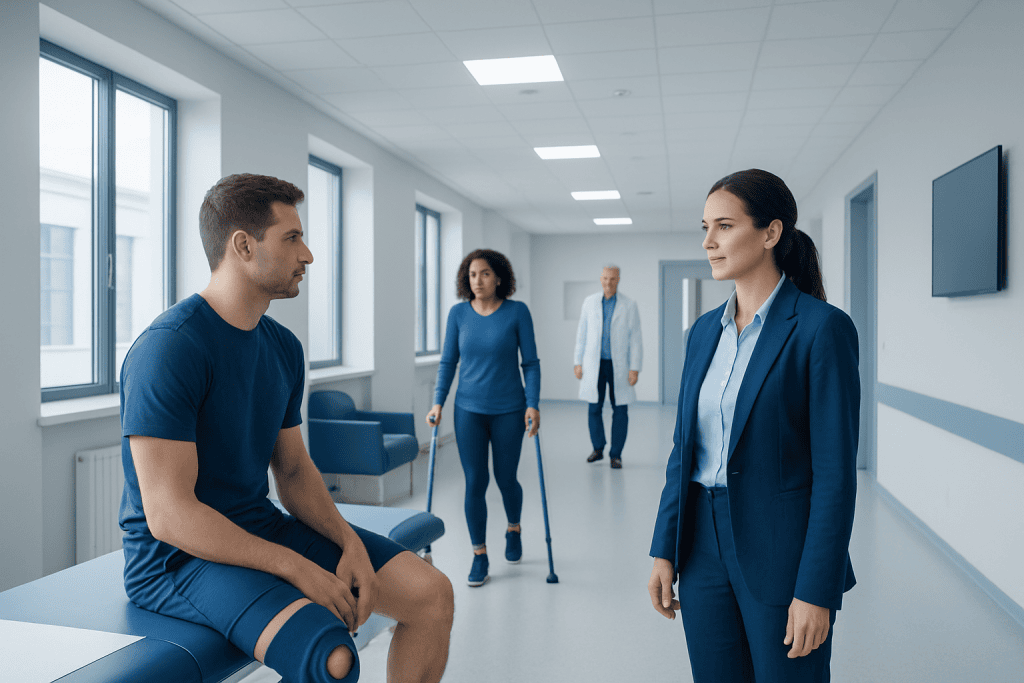
A safe return to sport is based on healing, function, and readiness rather than a fixed date alone. Rehabilitation usually progresses through phases: pain control, mobility, strength, balance, sport-specific training, and gradual return.
Key Takeaways
- A safe return to sport is based on healing, function, and readiness rather than a fixed date alone.
- Rehabilitation usually progresses through phases: pain control, mobility, strength, balance, sport-specific training, and gradual return.
- Returning too early may increase the risk of re-injury, delayed healing, or long-term performance limitations.
- A rehabilitation plan should be individualized according to the injury, sport, age, goals, and medical history.
- Warning signs such as increasing pain, swelling, instability, numbness, or loss of function should be assessed by a doctor.
Sports injury rehabilitation helps athletes and active people recover safely after sprains, strains, fractures, tendon injuries, surgery, or overuse problems. A structured plan restores mobility, strength, coordination, confidence, and sport-specific skills before returning to training or competition.
Overview
Sports injury rehabilitation is a guided recovery process designed to help a person return to everyday activity, training, and competition as safely as possible after an injury. It is used for many conditions, including ankle sprains, muscle strains, ligament injuries, tendon problems, shoulder injuries, stress fractures, and recovery after orthopedic surgery. The goal is not only to reduce pain but also to restore movement quality, strength, balance, endurance, confidence, and sport-specific performance.
Rehabilitation is most effective when it is individualized. Two athletes with the same diagnosis may need different timelines because healing depends on factors such as injury severity, age, training level, previous injuries, sleep, nutrition, and the demands of the sport. For example, a recreational runner, a football player, and a gymnast may all require different movement skills before they are ready to return.
A safe return to sport is usually based on objective progress rather than the calendar alone. The person should be able to move well, tolerate training loads, complete functional tests, and perform sport-specific tasks without increased symptoms. This step-by-step approach supports recovery while reducing the risk of returning too early.
Common Sports Injuries That May Need Rehabilitation
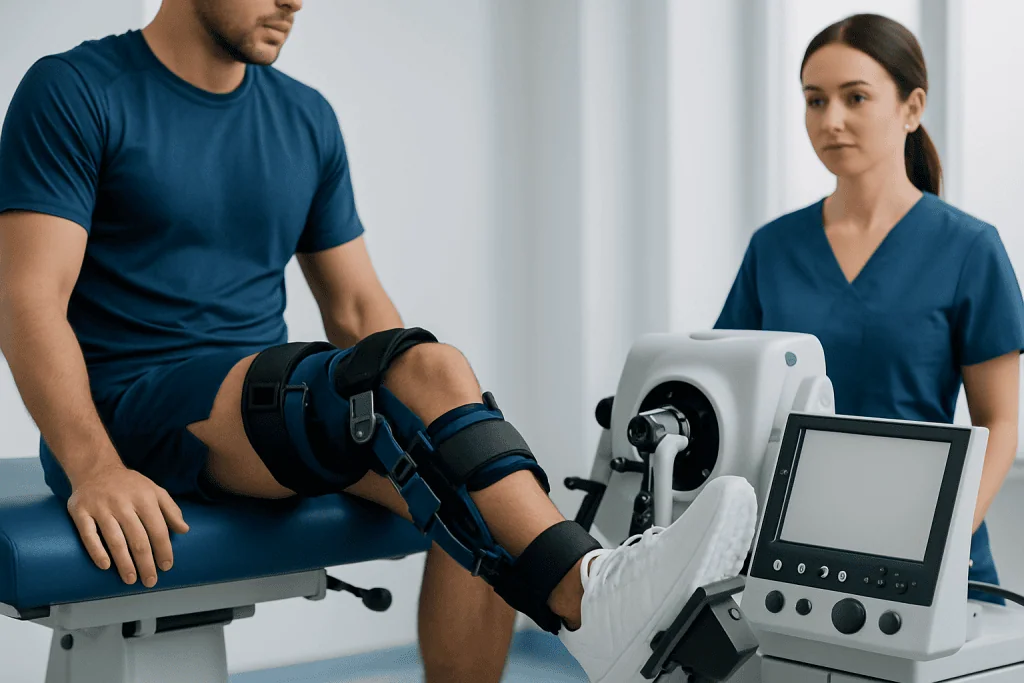
Many sports injuries benefit from professional rehabilitation, especially when pain, swelling, weakness, stiffness, or loss of confidence affects activity. Acute injuries happen suddenly, such as a twisted ankle, a hamstring strain during sprinting, or a shoulder dislocation after a fall. Overuse injuries develop gradually when repeated stress exceeds the body’s ability to recover, such as tendon irritation, shin pain, stress fractures, or back pain related to training load.
Rehabilitation may also be important after orthopedic procedures, including ligament reconstruction, meniscus surgery, fracture fixation, tendon repair, or shoulder stabilization. After surgery, the rehabilitation plan follows tissue-healing timelines and the surgeon’s precautions. Progression is carefully controlled to protect the repair while restoring function.
Common injuries that often require a structured plan include:
- Ankle sprains and chronic ankle instability
- Knee ligament injuries, including anterior cruciate ligament injuries
- Meniscus injuries and kneecap pain
- Hamstring, calf, groin, and quadriceps strains
- Shoulder rotator cuff injuries, instability, and throwing-related pain
- Tennis elbow, golfer’s elbow, and wrist injuries
- Tendon conditions such as Achilles, patellar, and hip tendon pain
- Stress fractures and bone stress injuries
Phases of Sports Injury Rehabilitation
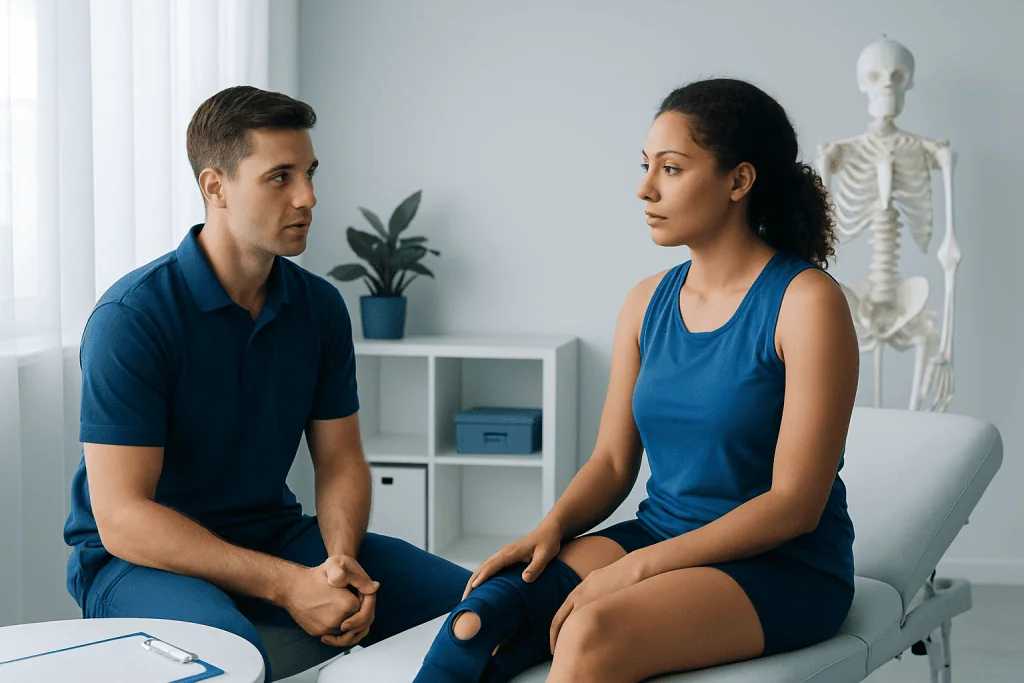
Although each plan is different, sports injury rehabilitation often follows several overlapping phases. The early phase focuses on protection, pain control, reducing swelling, and maintaining safe movement. Depending on the injury, this may include relative rest, bracing, compression, elevation, gentle range-of-motion exercises, and modified activity. Complete rest is not always necessary, but painful loading should be avoided until a clinician confirms what is safe.
The next phase aims to restore mobility, muscle activation, and basic strength. Exercises may include controlled stretching, low-resistance strengthening, core stability, and balance work. As symptoms improve, the program becomes more challenging with progressive resistance, endurance training, agility, coordination, and movement retraining. The aim is to rebuild capacity gradually so the injured area can tolerate the forces of sport.
The later phases focus on sport-specific preparation. A runner may progress from walking to jogging, intervals, hills, and speed work. A football player may add cutting, pivoting, acceleration, deceleration, and contact drills. A tennis player may rebuild serving volume and court movement. Progression should be monitored because the body may feel comfortable during a session but react with soreness or swelling later.
Safe Return to Training and Competition
Return to training and return to competition are not the same. Training can be reintroduced in controlled stages, starting with light, predictable movements and gradually advancing to higher intensity, longer duration, more complex skills, and full team or opponent interaction. Competition usually places greater demands on the body because decisions are faster, movements are less predictable, and fatigue may increase risk.
A safe return-to-sport decision is usually based on several factors. Pain should be minimal or absent during the activity and should not increase significantly afterward. Swelling, limping, giving way, or protective movement patterns suggest the body may not be ready. Strength, range of motion, balance, endurance, and functional test results should be close to the uninjured side or appropriate for the person’s sport and goals.
Readiness also includes psychological confidence. Some athletes feel physically improved but remain hesitant to sprint, jump, tackle, land, or change direction. Fear of re-injury can affect movement and performance. Rehabilitation may include graded exposure to sport-specific skills, education, and supportive coaching to rebuild trust in the injured area.
Return-to-sport plans often use a graduated approach:
- Daily activities without increased symptoms
- Light conditioning and mobility work
- Basic strength and balance exercises
- Non-contact sport-specific drills
- Higher-speed agility, jumping, throwing, or sprinting as appropriate
- Controlled practice with team or coach supervision
- Full training, then competition when cleared by the healthcare team
Diagnosis and Rehabilitation Assessment
An accurate diagnosis is the foundation of effective rehabilitation. A clinician may ask about how the injury happened, the location and type of pain, swelling, bruising, previous injuries, training schedule, footwear or equipment, and any changes in activity. A physical examination may assess joint movement, muscle strength, tenderness, balance, walking or running pattern, and sport-specific movements.
Imaging is not required for every sports injury, but it may be recommended when there is suspicion of fracture, significant ligament injury, tendon rupture, joint damage, or symptoms that do not improve as expected. X-rays, ultrasound, magnetic resonance imaging, or other tests may help confirm the diagnosis and guide treatment. The choice of imaging depends on the injury and clinical findings.
A rehabilitation assessment is broader than identifying the injured tissue. It also looks at contributing factors such as reduced hip strength, ankle stiffness, poor landing mechanics, training errors, muscle imbalance, fatigue, or inadequate recovery. Addressing these factors helps reduce the chance of re-injury and supports better long-term performance.
Treatment Options and Rehabilitation Exercises
Treatment options depend on the type and severity of the injury. Many sports injuries improve with non-surgical care, including physiotherapy, exercise therapy, load management, manual therapy, taping or bracing when appropriate, and education about safe activity modification. Some injuries, such as certain fractures, complete tendon ruptures, or severe ligament injuries, may require surgical evaluation. When surgery is needed, rehabilitation remains essential before and after the procedure.
Exercise is usually the central part of sports injury rehabilitation. The program may include mobility exercises to restore joint range, strengthening exercises to rebuild muscle capacity, balance and proprioception training to improve control, and cardiovascular conditioning to maintain fitness. Later-stage rehabilitation often includes plyometrics, change-of-direction work, throwing or kicking progressions, and sport-specific drills.
Rehabilitation should be challenging but not excessive. Mild muscle soreness can occur when training resumes, but sharp pain, worsening swelling, increasing instability, or symptoms that last beyond the expected recovery response should be reviewed. A qualified physiotherapist, sports medicine doctor, or orthopedic specialist can adjust exercises and training load based on progress.
Recovery may also involve sleep, nutrition, hydration, and mental wellbeing. Adequate protein and overall energy intake support tissue repair, while good sleep supports recovery and learning of movement skills. Athletes should avoid using pain relief simply to push through unsafe training, unless advised by a doctor.
Prevention, Self-Care, and When to See a Doctor
Injury prevention focuses on preparing the body for the demands of sport. A well-designed warm-up, gradual increases in training load, strength training, balance work, flexibility where needed, and recovery days can all reduce risk. Sport-specific prevention programs, especially those that include landing, cutting, strength, and neuromuscular control exercises, are useful for many field and court sports.
Self-care after a minor injury may include temporarily reducing painful activity, using compression or elevation for swelling, and maintaining gentle pain-free movement. However, self-treatment should not replace medical assessment when symptoms are significant or persistent. Returning to sport before the injured area is ready can prolong recovery and increase the chance of another injury.
A doctor or qualified healthcare professional should assess symptoms such as severe pain, deformity, inability to bear weight, rapidly increasing swelling, numbness, weakness, repeated giving way, loss of joint movement, fever, or pain that does not improve with appropriate rest. Medical review is also important after head injuries, suspected fractures, dislocations, tendon ruptures, or injuries in children and adolescents involving growth plates.
International patients seeking coordinated assessment and rehabilitation may access multidisciplinary specialists at Acibadem International’s JCI-accredited hospitals, where sports medicine, orthopedics, physiotherapy, imaging, and rehabilitation teams can work together according to the patient’s needs. Any rehabilitation plan should be guided by a qualified professional familiar with the injury and sport.
Frequently asked questions
How long does sports injury rehabilitation take?
Recovery time depends on the injury, its severity, the person’s health, and the demands of the sport. A mild muscle strain may improve within weeks, while ligament reconstruction or tendon repair may require several months of structured rehabilitation. The safest timeline is based on function, healing, and clinical assessment rather than time alone.
Can an athlete train during rehabilitation?
Many athletes can continue some form of modified training if it does not interfere with healing. For example, they may maintain fitness with cycling, swimming, strength work for other body areas, or low-impact conditioning. The type and intensity of training should be approved by a healthcare professional.
What are signs of returning to sport too early?
Warning signs include increasing pain, swelling after training, limping, reduced confidence, weakness, instability, or needing to change technique to avoid symptoms. Symptoms that worsen over repeated sessions suggest the training load may be too high. A clinician can help adjust the return-to-sport plan.
Is pain during rehabilitation normal?
Some discomfort or muscle soreness may occur as strength and conditioning improve. However, sharp pain, worsening joint swelling, nerve symptoms, or pain that changes movement quality should not be ignored. Rehabilitation exercises should be modified if symptoms suggest the injured tissue is not tolerating the load.
Who should supervise sports injury rehabilitation?
Rehabilitation may involve a physiotherapist, sports medicine physician, orthopedic specialist, athletic trainer, and coach, depending on the injury and level of sport. After surgery, the surgeon’s protocol and precautions are important. Good communication between the athlete and healthcare team helps ensure safe progression.
How can re-injury be prevented after returning to competition?
Prevention includes continuing strength, mobility, balance, and sport-specific control exercises even after symptoms improve. Training load should increase gradually, and recovery time should be planned between intense sessions. Proper technique, appropriate equipment, and early attention to new symptoms also help reduce risk.
References
- World Health Organization
- American College of Sports Medicine
- British Journal of Sports Medicine
- American Academy of Orthopaedic Surgeons
- International Olympic Committee
This article is for general information only and is not a substitute for professional medical advice. Please consult a qualified doctor about your individual situation.
Joint and spine care in Turkey — expert assessment & treatment
JCI-accredited · board-certified surgeons · reply within 24h
Add us as a Preferred Source to see more of our trusted health content across Google Search, AI Overviews and Discover.