Squamous Cell Skin Cancer Treatment: How It Works, Results and What to Expect
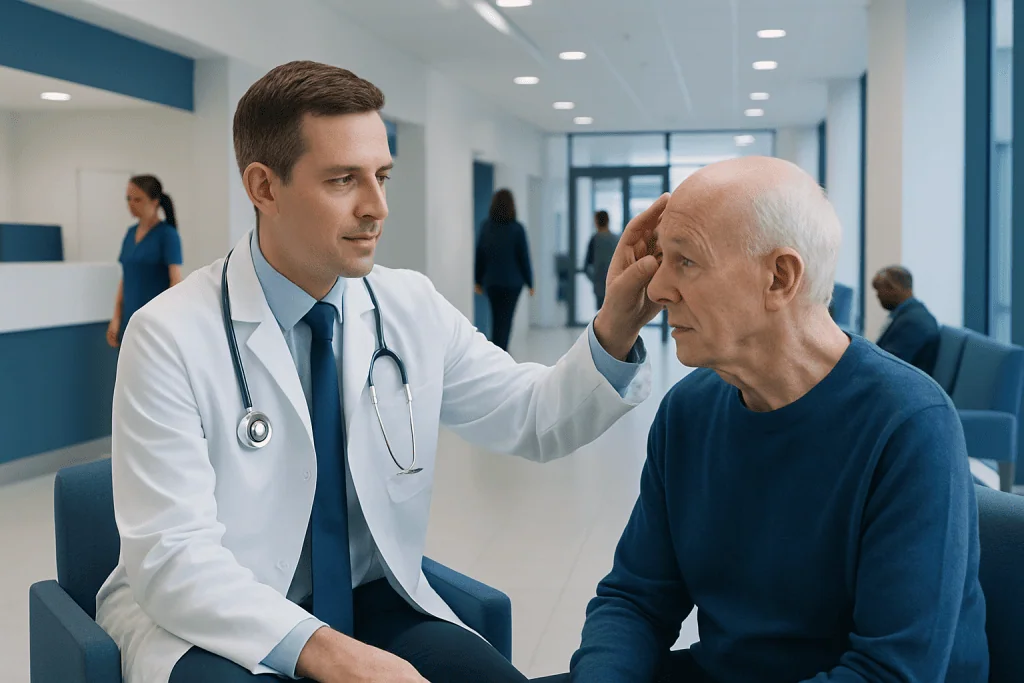
Surgery is the most common treatment for squamous cell carcinoma of the skin and is often curative for localized tumors. The treatment plan depends on the tumor’s location, size, depth, biopsy findings, recurrence risk and a person’s overall health.
Key Takeaways
- Surgery is the most common treatment for squamous cell carcinoma of the skin and is often curative for localized tumors.
- The treatment plan depends on the tumor’s location, size, depth, biopsy findings, recurrence risk and a person’s overall health.
- Mohs surgery may be recommended for cancers in high-risk or cosmetically sensitive areas because it examines margins during the procedure.
- Radiotherapy, lymph node assessment and systemic medicines may be considered when cancer is advanced, cannot be fully removed surgically or has spread.
- New, changing, bleeding, crusting or non-healing skin lesions should be medically assessed without delay.
Squamous cell skin cancer treatment is designed to completely remove or destroy the cancer while preserving as much healthy tissue and function as possible. Most squamous cell carcinomas of the skin are treatable, especially when assessed and managed early by a dermatology and cancer care team.
Overview: how squamous cell skin cancer treatment works
Squamous cell skin cancer treatment removes or destroys abnormal squamous cells before they grow deeper or spread. For most people with a localized cutaneous squamous cell carcinoma (cSCC), treatment is a procedure that removes the lesion with a margin of normal-looking skin. The removed tissue is examined in a laboratory to confirm the diagnosis and assess whether the cancer has been fully excised.
Cutaneous squamous cell carcinoma begins in squamous cells, which are found in the outer layers of the skin. It commonly develops on sun-exposed areas such as the face, ears, scalp, neck, forearms and hands, although it can occur anywhere. It is different from squamous cell cancers that begin in internal organs or the lining of the mouth, throat, lungs or genital area.
Care is tailored rather than one-size-fits-all. A small, low-risk lesion may be treated with a straightforward local excision, while a lesion on the nose, eyelid, ear, lip, scalp or hand may need a tissue-sparing approach. Larger, recurrent, deeply invasive or high-risk cancers may require coordinated care involving dermatology, surgical oncology, pathology, radiation oncology and medical oncology.
Choosing treatment: candidacy and planning
A biopsy is usually needed before definitive treatment. During this short procedure, a clinician takes a sample of the suspicious area and a pathologist examines it under a microscope. The pathology report helps confirm whether the lesion is squamous cell carcinoma and may describe features that influence treatment planning, such as how well differentiated the cells appear and whether the cancer extends into deeper layers.
Clinicians consider the lesion’s diameter, thickness or depth, borders, location, speed of growth and whether it has returned after previous treatment. They also ask about immune suppression, prior radiation to the area, chronic wounds or inflammation, previous skin cancers and medications. People with weakened immune systems can have a higher risk of aggressive or multiple cSCCs and may need closer follow-up.
Most patients are candidates for a local treatment, frequently performed under local anaesthetic. Mohs micrographic surgery is often considered for high-risk sites, tumors with unclear borders, recurrent cancers or tumors where preserving healthy skin is especially important. If surgery would be unsuitable because of the tumor location, overall health or patient preference, radiotherapy may be an alternative in selected circumstances.
- Low-risk, small tumors may be treated by standard surgical excision or other clinician-selected local methods.
- Higher-risk tumors may need Mohs surgery, wider surgery, imaging or lymph node evaluation.
- Advanced disease may require surgery and/or radiotherapy, with systemic treatment considered by an oncology team.
Step by step: surgery, Mohs surgery and other options

With standard excision, the clinician cleans and numbs the area, removes the visible cancer together with a planned rim of surrounding tissue, then closes the wound with stitches when appropriate. The specimen is sent to pathology. If cancer cells are found at an edge of the specimen, additional treatment or surgery may be recommended to clear the area.
Mohs micrographic surgery is performed in stages, typically with local anaesthetic. The surgeon removes a thin layer of tissue and examines the entire edge under a microscope while the patient waits. Further thin layers are removed only where cancer cells remain. This approach can achieve high cure rates while conserving healthy tissue, which can be particularly valuable on the face or other functionally important sites. It is a form of Mohs surgery that may be used when the clinical features support it.
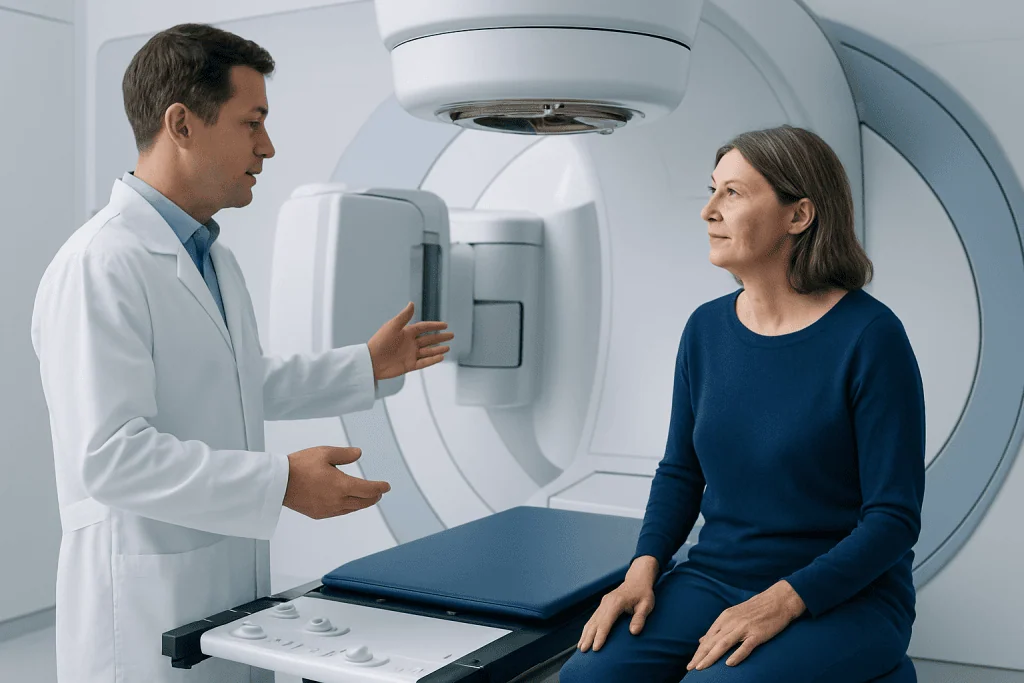
Other local approaches may be appropriate for carefully selected superficial or low-risk lesions, but they are not suitable for every invasive cSCC. Radiotherapy uses targeted high-energy radiation to damage cancer cells and may be used when surgery is not feasible, after surgery for certain high-risk situations, or as part of care for more extensive disease. If cSCC has spread to nearby lymph nodes or distant sites, the team may discuss surgery, radiotherapy, immunotherapy or a combination of treatments.
Complex repairs may sometimes be needed after cancer removal, especially if a larger wound is left in a visible or mobile area. Reconstruction can involve a simple closure, a skin graft or a local flap. The goal is to restore coverage and function while supporting wound healing.
Recovery timeline, results, benefits and risks
After a minor excision, people usually go home the same day. Tenderness, mild swelling, bruising or a small amount of bleeding can occur during the first few days. The care team provides individual instructions about dressing changes, washing, activity, pain relief and signs of infection. Stitches are commonly removed at a follow-up visit, with timing based on the body site and type of closure.
Healing varies according to the size and location of the wound, the repair method, circulation, smoking status and other health conditions. Many wounds begin to feel more comfortable within one to two weeks, while scar maturation continues for months. Following wound-care advice, avoiding stretching the treated area and protecting the scar from sun exposure can support recovery.
The principal benefit of treatment is removal or control of the cancer and a reduced chance of local progression. For localized cSCC treated completely, outlook is often very good. However, no treatment eliminates the possibility of recurrence or of a new skin cancer developing elsewhere, so ongoing skin checks are important.
Possible risks depend on the approach and can include bleeding, infection, pain, delayed healing, a noticeable scar, altered sensation, pigment changes or incomplete removal requiring further treatment. Surgery near the eye, lip, nose, ear, hand or other sensitive area can have additional functional considerations. The treating clinician will explain the expected result and the relevant risks before treatment.
How quickly does squamous cell skin cancer spread?
Most squamous cell carcinomas of the skin grow locally over weeks to months and do not spread, particularly when they are diagnosed and treated early. However, cSCC has a greater potential to spread than basal cell carcinoma, and its behavior cannot be predicted from appearance alone. A lesion should therefore be evaluated promptly rather than watched indefinitely.
The chance of spread is higher in some situations, including a large or deep tumor, cancer on the ear or lip, a rapidly growing or recurrent lesion, perineural invasion seen on pathology, poor differentiation, immune suppression or cancer arising in a chronic scar or wound. In these cases, clinicians may recommend more detailed examination, imaging or assessment of nearby lymph nodes.
Spread, when it occurs, often involves nearby lymph nodes first. Symptoms such as a new persistent lump near the neck, jaw, armpit or groin should be reported, particularly after a diagnosis of cSCC. Early assessment allows the team to select the most appropriate treatment and surveillance plan.
How do I know what stage my squamous cell carcinoma is?
Staging describes how extensive a cancer is. For cSCC, a clinician uses the biopsy findings, physical examination and, when needed, imaging or lymph node assessment to determine whether the cancer is confined to the skin, has grown into nearby structures or has spread beyond the original site. Not every small, low-risk cSCC needs extensive staging tests.
The pathology report is an important part of this process. It may include the tumor’s depth, degree of cell differentiation and whether there is invasion around nerves or blood vessels. The location and size of the cancer, as well as whether lymph nodes are enlarged, also help the team assess risk and decide whether formal staging is needed.
Patients can ask their dermatologist or surgeon to explain the biopsy result, risk category and any stage used in their care. These terms should be interpreted in context: a higher-risk feature does not mean that spread has occurred, but it may change recommendations for surgery, scans or follow-up visits.
Should I worry if I have squamous cell carcinoma?
A diagnosis of squamous cell carcinoma can understandably feel worrying, but it is important to remember that most skin cSCCs can be treated successfully, particularly when managed early. The practical next step is to attend the recommended treatment appointment and discuss the pathology findings and treatment choices with a qualified clinician.
It is helpful to ask whether the lesion has any high-risk features, whether the planned treatment is expected to clear it, what the likely scar or functional effects may be, and how often follow-up skin examinations are advised. People who have had one skin cancer have an increased likelihood of developing another, making ongoing sun protection and regular self-checks valuable.
Emotional support also matters. A person may choose to bring a family member or friend to appointments, write down questions in advance and ask for information in plain language. The care team can help clarify what the diagnosis means for that individual rather than relying on general information alone.
How urgent is it to remove squamous cell carcinoma?
Squamous cell carcinoma should be treated without unnecessary delay after diagnosis, but the exact timing depends on its features and the person’s circumstances. Many localized lesions can be scheduled as an outpatient procedure within an appropriate clinical timeframe. A treating clinician can advise how quickly intervention is needed after reviewing the biopsy result.
More urgent review may be appropriate for a rapidly enlarging lesion, a painful or bleeding tumor, cancer on the lip or ear, a lesion near the eye, a recurrence, a tumor in a person with immune suppression, or signs that nearby lymph nodes may be involved. If a lesion changes noticeably while waiting for treatment, the patient should contact the clinical team.
Delaying care for a prolonged period can allow a cSCC to become larger and more difficult to remove. Prompt treatment can often mean a smaller procedure and simpler reconstruction. This does not mean a person should panic; it means they should follow through with timely medical assessment and the treatment plan recommended for them.
Prevention, follow-up and when to seek medical care
After treatment, follow-up appointments are tailored to the cancer’s risk level and a person’s history. At these visits, the clinician examines the treated site, checks relevant lymph node areas when appropriate and looks for new suspicious lesions. Between appointments, patients can check their own skin regularly, including the scalp, ears, back and other difficult-to-see areas with help from another person if needed.
Sun protection reduces cumulative ultraviolet exposure, a leading cause of many skin cancers. Useful measures include seeking shade during strong sunlight, wearing wide-brimmed hats and protective clothing, using broad-spectrum sunscreen as directed, and avoiding tanning beds. Sunscreen is one part of protection and does not make prolonged intense sun exposure safe.
Medical care should be sought for a new or changing growth; a scaly, crusted or rough patch that persists; a sore that does not heal; a lesion that bleeds easily; or a tender, enlarging bump. People previously treated for cSCC should also contact their clinician about a change at or near the scar, or a persistent new lump in a nearby lymph node region.
Acibadem International’s multidisciplinary specialists and JCI-accredited hospitals provide diagnosis and treatment planning for international patients with skin cancer, including coordinated surgical and oncology care when needed.
Frequently asked questions
What is the most common squamous cell skin cancer treatment?
Surgical removal is the most common treatment for squamous cell carcinoma of the skin. The clinician removes the tumor and a margin of surrounding tissue, which is then examined to help confirm complete removal. Mohs surgery may be preferred for selected high-risk tumors or tumors in sensitive locations.
Can squamous cell carcinoma be treated without surgery?
In selected cases, radiotherapy or other local treatments may be considered when surgery is not suitable or when the lesion has specific low-risk features. However, surgery is often preferred for invasive cSCC because it removes the cancer and allows tissue to be assessed under a microscope. The best choice depends on the tumor and the patient’s overall health.
Is Mohs surgery necessary for every squamous cell carcinoma?
No. Mohs surgery is not necessary for every cSCC. It is most often considered for recurrent, high-risk or poorly defined cancers, and for tumors in areas where preserving healthy tissue is important, such as the face, ears, hands or genital area.
Will I need chemotherapy for squamous cell skin cancer?
Most people with localized squamous cell skin cancer do not need chemotherapy or systemic drug treatment. Medicines such as immunotherapy may be considered if the cancer is advanced, cannot be removed completely with surgery or has spread. An oncology team can explain whether systemic treatment is relevant.
How often should I have skin checks after treatment?
The follow-up schedule varies according to the cancer’s risk features, treatment received and a person’s history of skin cancer. A clinician may recommend regular professional examinations, especially during the first years after treatment. Self-examination and sun protection should continue between visits.
Can squamous cell skin cancer come back after it is removed?
Yes, a treated cSCC can occasionally recur at or near the original site, and a person can also develop a new skin cancer elsewhere. Complete removal lowers this risk, while follow-up visits help identify changes early. Patients should report a new persistent lesion or a change at the treatment scar.
References
- American Academy of Dermatology
- National Cancer Institute
- National Comprehensive Cancer Network
- American Cancer Society
- World Health Organization
This article is for general information only and is not a substitute for professional medical advice. Please consult a qualified doctor about your individual situation.
Skin Cancer in Turkey — costs, top hospitals & a free quote
JCI-accredited · board-certified surgeons · reply within 24h
Add us as a Preferred Source to see more of our trusted health content across Google Search, AI Overviews and Discover.