St Judes Rehab: An Evidence-Based Patient Guide
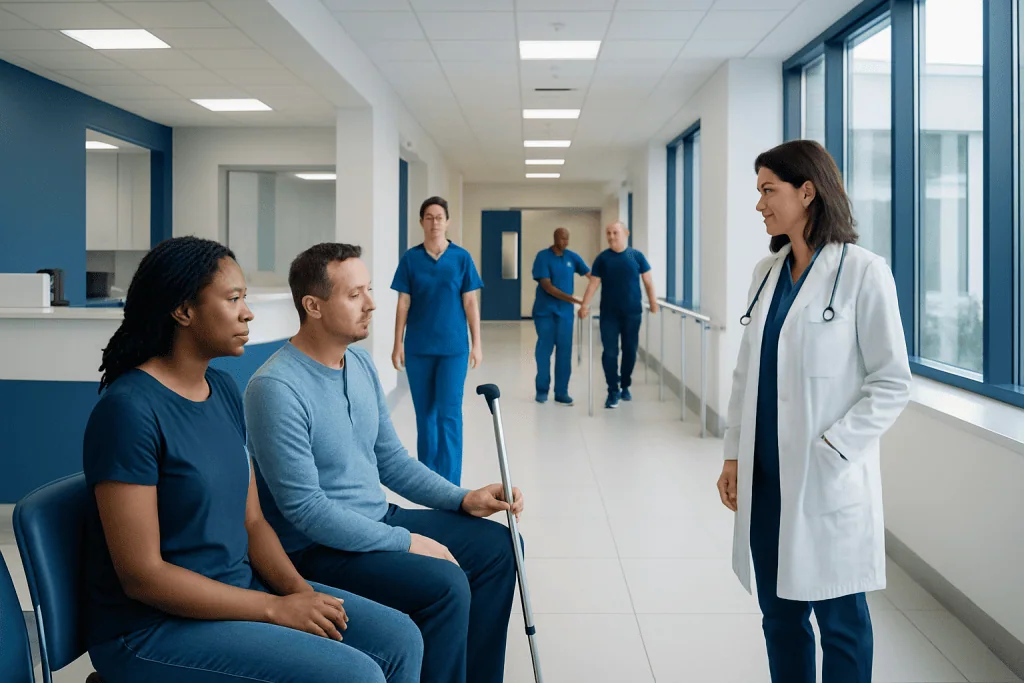
Cancer rehabilitation aims to improve daily function, comfort, independence and quality of life during and after treatment. A rehabilitation plan may include physical, occupational, speech-language, psychosocial and nutritional support.
Key Takeaways
- Cancer rehabilitation aims to improve daily function, comfort, independence and quality of life during and after treatment.
- A rehabilitation plan may include physical, occupational, speech-language, psychosocial and nutritional support.
- The right services depend on the diagnosis, treatment effects, developmental stage and personal goals.
- Reported cancer outcomes should be interpreted by cancer type, stage, risk group and time period rather than as one overall cure rate.
- New weakness, severe pain, breathing difficulty, fever or sudden neurological symptoms need prompt medical assessment.
St judes rehab is commonly used to search for rehabilitation and supportive-care services connected with St. Jude Children’s Research Hospital. Rehabilitation is not a single procedure: it is an individualized program that can help children and young people manage the physical, emotional and practical effects of cancer and its treatment.
What does St Judes rehab mean?
People searching for st judes rehab may be looking for rehabilitation services associated with St. Jude Children’s Research Hospital, a pediatric cancer and serious childhood disease center in the United States. The term can also be used more generally when families are looking for cancer rehabilitation for a child or young adult. It is important to confirm the specific hospital, program and referral requirements directly with the organization involved.
Rehabilitation in cancer care is designed to help a person function as well as possible before, during and after treatment. Depending on needs, it may address strength, walking, balance, fatigue, pain, hand use, speech, swallowing, thinking skills, school participation, emotional wellbeing and the transition back to everyday routines.
A st jude’s rehabilitation plan is usually part of broader supportive care rather than a stand-alone treatment. It works alongside cancer-directed treatment, such as chemotherapy, surgery, radiation therapy, stem cell transplantation or targeted medicines. The aim is not to replace oncology care, but to reduce treatment-related limitations and support meaningful goals for the child and family.
How cancer rehabilitation works
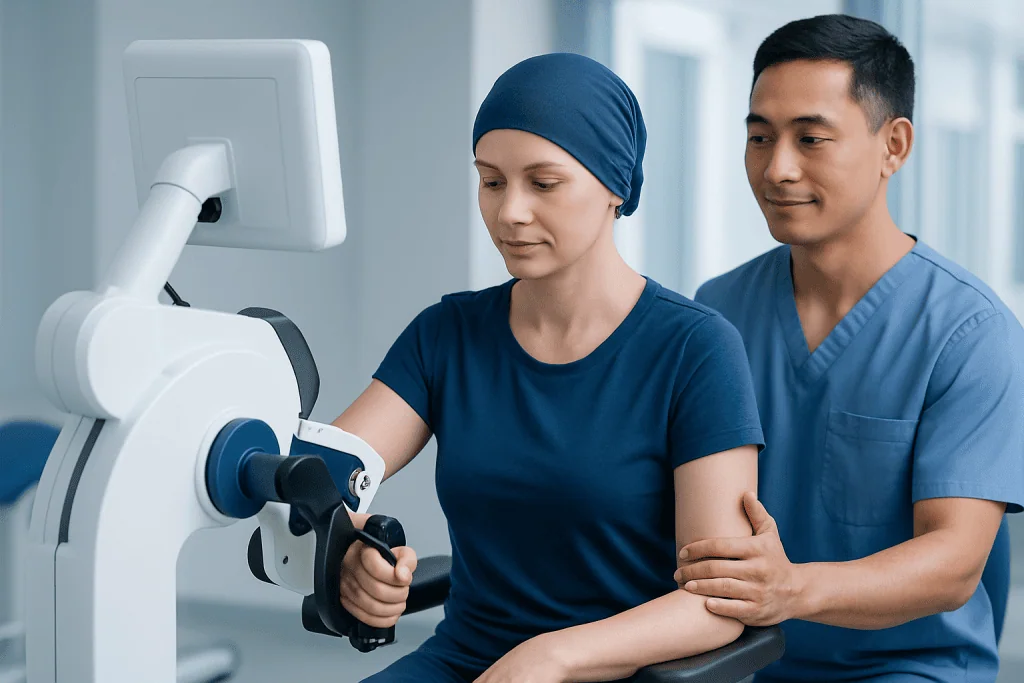
Cancer rehabilitation begins with an assessment of the person’s current abilities, symptoms, treatment plan and priorities. A rehabilitation physician, physiotherapist, occupational therapist, speech-language therapist, psychologist, dietitian, nurse or social worker may contribute. Not every patient needs every service, and the plan may change as treatment progresses.
Physiotherapy commonly focuses on mobility, safe exercise, endurance, balance and muscle strength. Occupational therapy may help with self-care tasks, fine-motor skills, energy conservation and adaptations for home or school. Speech-language therapy can support communication, swallowing or cognitive-communication needs, particularly after treatment affecting the brain or head and neck.
For some people, rehabilitation also includes pain management, fatigue strategies, emotional support and education for parents or caregivers. The team monitors safety carefully because infection risk, low blood counts, bone weakness, neuropathy and recent surgery can affect which activities are appropriate on a given day.
Who may benefit from a rehabilitation program?
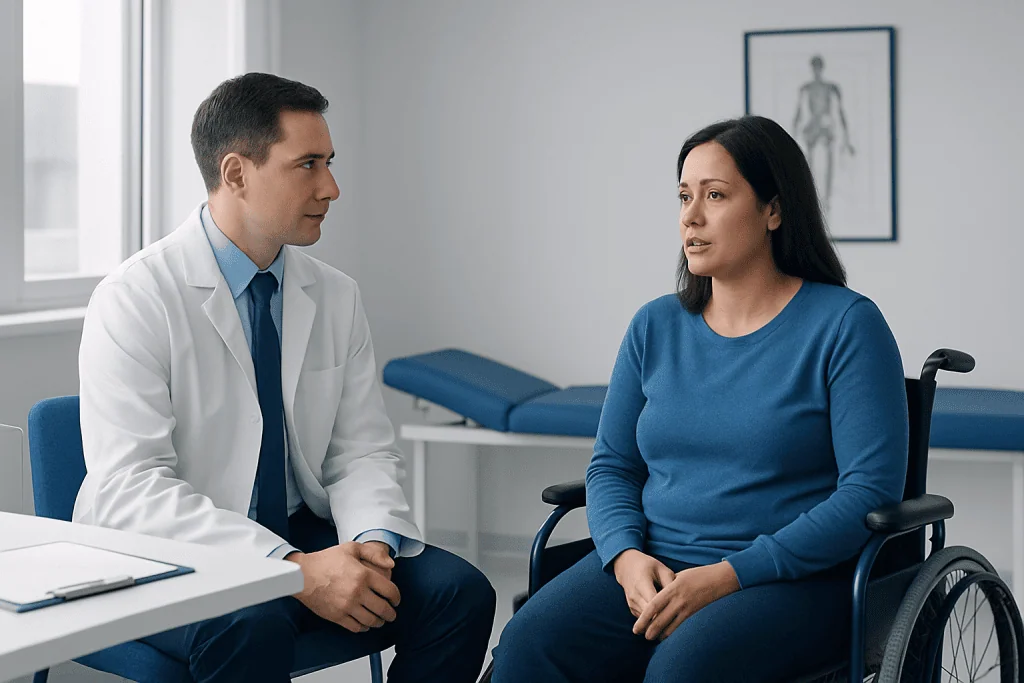
A st judes rehab center or another specialist pediatric rehabilitation service may be helpful when cancer, treatment or a prolonged hospital stay affects function. Referral can occur at diagnosis, before a planned operation, during inpatient treatment, after discharge or years into survivorship. Early assessment can identify needs before they substantially interfere with participation in daily life.
Children and young people may benefit if they have persistent fatigue, reduced stamina, falls, weakness, difficulty walking, pain, reduced range of motion, numbness or tingling, trouble with dressing or writing, swallowing concerns, speech changes, memory difficulties or challenges returning to school. Rehabilitation may also be appropriate after amputation, limb-sparing surgery, brain surgery, spinal procedures or intensive care.
Candidacy is individualized. A person does not need to be fully recovered or physically strong to begin; the rehabilitation team can adjust goals and activities around medical stability, blood counts, infection precautions, wound healing and the oncology treatment schedule. A treating clinician should determine whether a particular activity is safe.
What happens during rehabilitation and recovery?
The first step is usually a detailed evaluation. The team asks about symptoms, treatment history, home and school routines, mobility, falls, sleep, pain and personal goals. They may assess walking, balance, strength, joint movement, endurance, hand function, communication, swallowing or cognitive skills. Families are encouraged to describe what activities matter most to the child.
The next step is a goal-based plan. Sessions may take place in hospital, an outpatient clinic, at home through a prescribed program, or through community services. A child might practise safe transfers, climbing stairs, using mobility aids, conserving energy for school, rebuilding strength after bed rest, or learning strategies for concentration and organization.
Recovery timelines vary widely. Some treatment effects improve over days to weeks, while rebuilding endurance after intensive treatment can take months. Nerve, bone, brain or surgical effects may require longer-term rehabilitation. Regular review helps the team adjust the plan as medical treatment, growth, school demands and recovery change.
Potential benefits include greater independence, safer mobility, reduced deconditioning, better confidence with daily activities and improved participation in family, school and social life. Rehabilitation can also have limitations: progress may be gradual, symptoms can fluctuate, and some long-term effects may need continuing management rather than a complete resolution.
What percentage of St. Jude's patients are cured?
There is no single percentage that accurately describes how many St. Jude’s patients are cured. Childhood cancers and serious blood disorders are not one condition: outcomes differ substantially according to the diagnosis, subtype, stage or risk group, genetics, response to treatment, age, treatment era and other medical factors.
When discussing outcomes, clinicians may use terms such as overall survival, event-free survival, remission and cure. These measures are not interchangeable, and they are usually reported for a specific disease group over a defined period. A family’s own oncology team is best placed to explain what published outcomes mean for an individual child.
Families should be cautious about comparing broad institutional claims with a personal prognosis. For a clearer conversation, they can ask which diagnosis-specific outcome measure is being discussed, how recent the data are, and which factors are most relevant to their child’s treatment plan.
What is the lawsuit against St. Jude's hospital?
There is not one single lawsuit that can be described as “the lawsuit against St. Jude’s hospital.” Large healthcare and charitable organizations may be involved in different legal matters at different times, and the facts, status and relevance of any case can vary. Online summaries can also be incomplete, outdated or confusingly refer to a different organization with a similar name.
Anyone researching a specific legal claim should rely on current official court records, formal statements from the organization and reputable reporting that clearly identifies the parties, jurisdiction and date. A lawsuit allegation does not by itself establish wrongdoing, and an individual family’s medical decisions should be discussed with qualified clinicians based on care needs, expertise, access and communication.
For concerns about a patient’s care, families can ask to speak with the clinical team, a patient advocate, patient relations department or hospital ethics service. They may also seek an independent medical opinion when appropriate.
Does St. Jude's support LGBTQ?
Questions about LGBTQ+ inclusion are best answered by reviewing the current policies and patient-support information of the specific St. Jude organization or care site being considered. Healthcare organizations may update their nondiscrimination policies, staff training, family support services and practical resources over time.
Every patient and family should expect respectful, confidential and nonjudgmental healthcare. LGBTQ+ children, adolescents, adults and family members may wish to ask in advance how names and pronouns are documented, whether gender-affirming and privacy needs are accommodated, and what mental health or social-work support is available.
If a patient or caregiver experiences discrimination or feels unsafe, they can request a conversation with patient relations, social work, a patient advocate or the responsible clinical leader. A supportive care environment should make it easier for families to communicate openly and participate in decisions.
Who is the biggest donor to St. Jude's hospital?
It is not appropriate to identify one permanent “biggest donor” to St. Jude’s hospital without verified, current information from the organization. Major gifts may be made by individuals, families, foundations, companies or fundraising partners, and public reporting may describe donations differently depending on whether they are pledges, campaign totals or completed gifts.
For accurate information about current major donors, philanthropic reports and donor recognition, readers should consult the organization’s official publications. Donations do not determine an individual patient’s clinical eligibility, treatment plan or the standard of care they should receive.
Families seeking a st jude rehabilitation center should focus first on whether the program offers appropriate expertise, coordinated oncology and rehabilitation services, clear communication, and practical support for the patient’s needs.
When to seek medical care
Children and young people receiving cancer treatment should contact their oncology team promptly for new or worsening symptoms, especially fever as defined by their care plan, unusual bleeding or bruising, severe or persistent pain, repeated vomiting, inability to drink, marked weakness, confusion, new seizures, difficulty breathing or chest pain. The care team can advise whether urgent assessment is needed.
Emergency care is needed for severe breathing difficulty, loss of consciousness, a seizure that does not stop quickly, sudden weakness on one side of the body, sudden trouble speaking, serious injury after a fall, or signs of a severe allergic reaction. Families should follow their hospital’s emergency instructions and local emergency procedures.
Less urgent but important rehabilitation concerns include declining mobility, frequent falls, increasing fatigue, difficulty returning to school activities, new hand-function problems, persistent numbness or pain, swallowing changes or emotional distress. Raising these concerns early allows the oncology team to consider referral to appropriate rehabilitation and supportive-care professionals.
Acibadem International’s multidisciplinary specialists and JCI-accredited hospitals support international patients who need coordinated assessment and treatment. A qualified healthcare professional can help families understand which rehabilitation services are appropriate for the person’s diagnosis and current stage of recovery.
Frequently asked questions
Is St judes rehab a separate medical treatment?
No. The phrase usually refers to rehabilitation and supportive services associated with cancer care rather than one separate treatment. Rehabilitation may include physical therapy, occupational therapy, speech-language therapy, psychosocial support and other services based on individual needs.
When can a child start cancer rehabilitation?
Rehabilitation can begin before treatment, during treatment, after surgery or hospitalization, or during survivorship follow-up. The timing depends on medical stability, symptoms and treatment goals. The oncology team can advise when a referral is appropriate.
Will rehabilitation interfere with chemotherapy or other cancer treatment?
A rehabilitation plan is usually coordinated with the oncology treatment schedule. Therapists adjust activities for fatigue, low blood counts, infection precautions, surgery recovery and other safety considerations. Families should not start a new exercise program during treatment without discussing it with the treating team.
How long does cancer rehabilitation take?
The duration varies from short-term support after a procedure or hospital stay to longer-term care for persistent treatment effects. Progress may be faster for some concerns and slower for others, particularly after neurological, bone or nerve-related effects. Goals are reviewed and adapted over time.
Can rehabilitation help with cancer-related fatigue?
Yes, individualized rehabilitation can help some people manage fatigue through safe activity, pacing, sleep routines and energy-conservation strategies. Fatigue can also have medical causes, such as anemia, infection, pain or treatment effects, so it should be discussed with the oncology team.
How can families choose a cancer rehabilitation program?
Families can ask whether the program has experience with the child’s diagnosis and treatment effects, how it coordinates with oncology, and which specialists are available. It is also useful to ask about communication, school support, caregiver education, accessibility and plans for follow-up after discharge.
References
- World Health Organization
- National Cancer Institute
- American Cancer Society
- American Academy of Pediatrics
- Children's Oncology Group
This article is for general information only and is not a substitute for professional medical advice. Please consult a qualified doctor about your individual situation.
Oncology care in Turkey — second opinion and treatment plan
JCI-accredited · board-certified surgeons · reply within 24h
Add us as a Preferred Source to see more of our trusted health content across Google Search, AI Overviews and Discover.