Stages of Grief: What Patients Need to Know

The stages of grief are a framework, not a strict timeline. Grief can affect emotions, thoughts, sleep, appetite, energy, and physical health.
Key Takeaways
- The stages of grief are a framework, not a strict timeline.
- Grief can affect emotions, thoughts, sleep, appetite, energy, and physical health.
- People may move back and forth between feelings rather than progressing step by step.
- Support from family, friends, counselors, or support groups can help recovery.
- Medical care is important if grief becomes overwhelming, prolonged, or linked with thoughts of self-harm.
The stages of grief describe common emotional responses to loss, such as denial, anger, bargaining, depression, and acceptance. These stages can help people understand grief, but they do not happen in a fixed order and not everyone experiences all of them.
Overview: What are the stages of grief?
The stages of grief are a well-known way of describing how people may respond to loss. The five stages often named are denial, anger, bargaining, depression, and acceptance. These experiences can occur after the death of a loved one, but grief may also follow other losses, such as divorce, infertility, chronic illness, job loss, or major life changes.
It is important to know that grief is highly individual. Some people recognize several of these stages in themselves, while others experience different emotions entirely. A person may feel more than one stage at the same time, move between them repeatedly, or not relate to the stage model at all. This does not mean their grief is abnormal.
Today, many clinicians use the stages of grief as a starting point for understanding loss rather than a rule. The process is shaped by personality, culture, beliefs, the nature of the loss, previous life experiences, and the support available. A patient-friendly way to think about grief is that it is not something to “complete,” but something a person gradually learns to live with.
How grief may feel in daily life
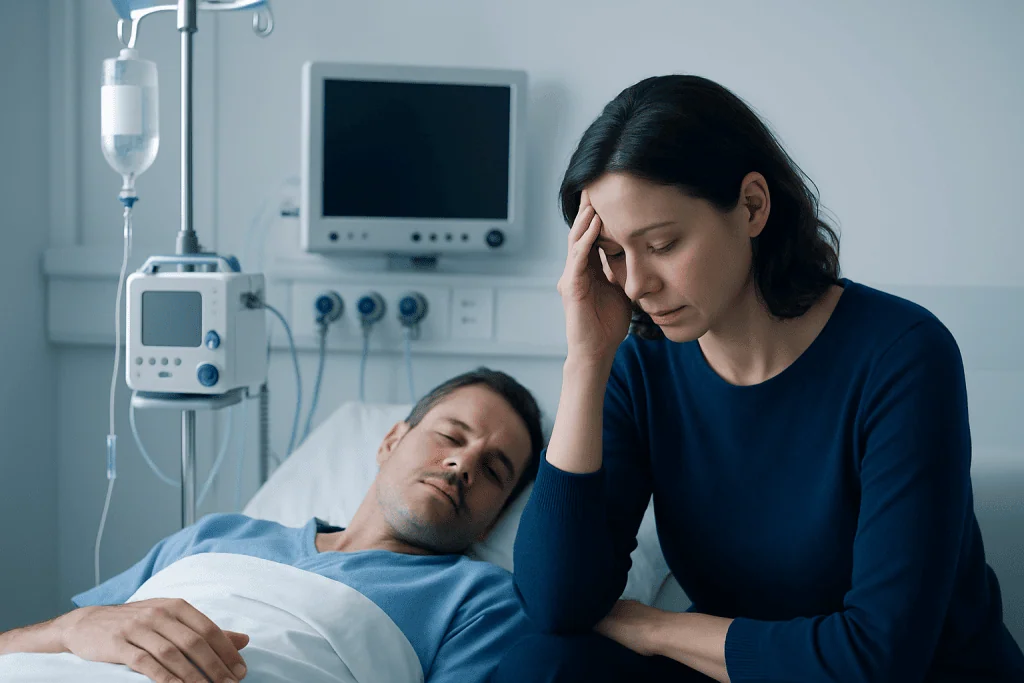
Grief affects more than emotions. A grieving person may feel sadness, shock, guilt, anger, fear, numbness, relief, loneliness, or confusion. These feelings can come in waves and may be stronger on anniversaries, holidays, or when reminders of the loss appear unexpectedly.
Thoughts and concentration are also often affected. People may find it harder to focus, make decisions, remember details, or stay motivated. Some describe feeling disconnected from everyday life or as though the world does not feel normal. These reactions are common in early grief and can gradually improve with time and support.
Physical symptoms can be part of grief too. Examples include fatigue, headaches, changes in appetite, poor sleep, chest tightness, muscle tension, digestive upset, or frequent tearfulness. Because grief and depression can overlap, persistent low mood, severe withdrawal, or loss of interest in most activities should be discussed with a doctor or mental health professional, especially if symptoms are intense or lasting.
- Emotional signs: sadness, irritability, guilt, anxiety, numbness
- Mental signs: poor concentration, forgetfulness, disbelief, intrusive memories
- Physical signs: tiredness, appetite changes, sleep disruption, body aches
- Behavioral signs: social withdrawal, crying, restlessness, changes in routine
The five stages of grief explained

Denial can feel like shock, numbness, or disbelief. It may temporarily protect a person from being overwhelmed. Someone might think, “This cannot be happening,” or find it difficult to fully take in the reality of the loss.
Anger may be directed at a situation, other people, healthcare providers, a higher power, or even the person who was lost. It can also be turned inward as self-blame. Anger is not a sign of failure; it can be part of how the mind responds to pain and helplessness.
Bargaining often involves “if only” or “what if” thoughts. A person may replay events, wish they had acted differently, or imagine ways the loss could have been prevented. Depression in grief can involve deep sadness, tearfulness, loss of energy, and withdrawal. This is not always the same as clinical depression, but the two can overlap. Acceptance does not mean the loss feels acceptable or no longer hurts. Instead, it usually means the person is beginning to acknowledge reality and adapt to life around the loss.
Many experts now also emphasize that grief can include meaning-making, continuing bonds with the person who died, and gradual adjustment rather than a simple end point. Some patients may also benefit from evaluation for related conditions such as depression when low mood becomes persistent and disabling.
What influences the grieving process?
The way a person grieves depends on many factors. The relationship to what was lost, whether the loss was sudden or expected, and whether there were traumatic circumstances can all affect intensity. Previous bereavements, mental health history, caregiving strain, and social isolation may also make grief more difficult.
Culture, religion, and family traditions can shape how grief is expressed. Some people are encouraged to cry openly and gather with others, while some prefer privacy or quiet rituals. There is no single correct way to grieve, and healthcare professionals should take cultural differences seriously.
Age and developmental stage matter too. Children may move in and out of grief in shorter bursts, while adolescents may show grief through irritability or behavior changes. Older adults may experience multiple losses close together. In some cases, prolonged stress may worsen conditions such as anxiety or sleep disturbance, making professional support especially helpful.
How grief is assessed and when it may become complicated
Grief itself is not a disease, so there is no single test for it. Assessment usually begins with a conversation about the loss, the person’s emotions, daily functioning, sleep, eating patterns, support system, and any previous mental health conditions. A clinician may ask whether the grief feels manageable, whether the person can still carry out basic responsibilities, and whether there are warning signs such as hopelessness or self-harm thoughts.
Healthcare professionals also look for conditions that can overlap with grief, including major depression, anxiety disorders, post-traumatic stress, and substance misuse. Sometimes medical issues such as thyroid problems, chronic pain, or sleep disorders can worsen low mood and fatigue, so a broader health review may be appropriate.
Some people develop prolonged grief disorder, sometimes called complicated grief. This may involve intense longing, difficulty accepting the loss, emotional pain that remains severe over time, and major disruption to work, relationships, or self-care. Diagnosis should be made by a qualified professional, because normal grief can be painful and long-lasting without meeting criteria for a mental health disorder.
Treatment and support options
Many grieving people improve with time, social support, and healthy routines. Talking with trusted relatives or friends, participating in religious or cultural rituals, and joining a bereavement support group can reduce isolation. Some people also find comfort in journaling, memorial activities, or speaking aloud to the person they lost as part of an ongoing bond.
Professional support can be helpful when grief feels overwhelming or is affecting daily life. Options may include counseling, grief-focused psychotherapy, cognitive behavioral approaches, family therapy, or support from a psychiatrist when depression, anxiety, or sleep problems are significant. If symptoms suggest a coexisting mental health condition, a doctor may recommend a fuller psychiatric evaluation or referral for psychological counseling.
Medication is not used to treat grief itself in a routine way, but it may sometimes be considered for conditions that occur alongside grief, such as major depression, severe anxiety, or insomnia. Any treatment plan should be individualized and reviewed by a qualified clinician. Near the end of care planning, some patients may choose centers such as Acibadem International, where multidisciplinary specialists in JCI-accredited hospitals assess emotional and physical health needs for international patients.
Self-care strategies during grief
Simple routines can help the body and mind cope with loss. Regular meals, hydration, light movement, fresh air, and a basic sleep schedule may not remove grief, but they can reduce some of the physical strain that often comes with it. It is often helpful to lower expectations temporarily and focus on essential daily tasks first.
Many people benefit from setting gentle structure in the day, such as waking at a regular time, taking a short walk, or planning one meaningful activity. Creative outlets, spiritual practices, breathing exercises, and spending time with supportive people can also help. Some may need to limit alcohol or avoid using substances to numb emotions, because these can worsen sleep, mood, and coping over time.
If grief is accompanied by trauma symptoms, panic, or severe sleep problems, medical advice is important. In selected situations, supportive care may also involve neurology evaluation or other specialist input if there are concerning neurological symptoms, though this is not routine for grief alone.
When to seek medical care
A doctor or mental health professional should be consulted if grief is causing major difficulty with eating, sleeping, personal care, work, school, or relationships. Medical care is also appropriate when sadness remains intense for a prolonged period, when panic attacks or severe anxiety are present, or when there is heavy alcohol or substance use as a way of coping.
Urgent help is needed if a person has thoughts of self-harm, feels life is not worth living, hears or sees things others do not, or becomes unable to stay safe. Immediate medical attention should also be sought for chest pain, severe shortness of breath, fainting, or other symptoms that could indicate a physical illness rather than grief alone.
Families can play an important role by noticing warning signs and encouraging compassionate support rather than judgment. Seeking help is not a sign of weakness. It is a practical step when grief becomes too heavy to manage alone.
Frequently asked questions
Do the stages of grief happen in order?
No. The stages of grief are not a fixed sequence, and many people move back and forth between feelings. Some may not experience all of the stages, while others may feel several at the same time.
How long does grief usually last?
There is no standard timeline for grief. Intense symptoms often soften with time, but the sense of loss can continue for months or longer, especially around reminders and anniversaries. Persistent or worsening impairment should be discussed with a professional.
Is grief the same as depression?
Not exactly. Grief is a normal response to loss, while depression is a medical condition with specific features that may affect mood, pleasure, sleep, appetite, energy, and thinking. The two can overlap, so professional assessment can help when symptoms are severe or prolonged.
Can grief cause physical symptoms?
Yes. Grief can affect the body as well as the mind and may lead to fatigue, headaches, poor sleep, appetite changes, muscle tension, or digestive upset. New or severe physical symptoms should still be checked by a doctor.
What helps someone cope with grief?
Supportive relationships, counseling, healthy routines, rest, regular meals, and time can all help. Bereavement groups, spiritual care, journaling, and gentle daily structure may also make coping easier. Different people benefit from different forms of support.
When should a grieving person seek professional help?
Professional help is important if grief is interfering with daily life, causing severe sleep or appetite problems, or leading to panic, substance misuse, or social withdrawal. Urgent help is needed for thoughts of self-harm or inability to stay safe.
This article is for general information only and is not a substitute for professional medical advice. Please consult a qualified doctor about your individual situation.
Explore treatments in Turkey — costs, top hospitals & a free quote
JCI-accredited · board-certified surgeons · reply within 24h
Add us as a Preferred Source to see more of our trusted health content across Google Search, AI Overviews and Discover.

More from the Health Library

Walking Backwards on Treadmill — Explained by Medical Evidence, Not Myths

Extra Virgin Olive Oil for Digestion: What Patients Need to Know

Magnesium Glycinate Benefits — Explained by Medical Evidence, Not Myths

Zicam Nasal Spray: What Patients Need to Know

Choosing a Deodorant With Baking Soda for Sensitive Skin