Stairmaster: A Complete Medical Overview

A stairmaster provides aerobic exercise while working the glutes, thighs, calves, and core. Proper posture and moderate progression help reduce strain on the knees, hips, lower back, and Achilles tendon.
Key Takeaways
- A stairmaster provides aerobic exercise while working the glutes, thighs, calves, and core.
- Proper posture and moderate progression help reduce strain on the knees, hips, lower back, and Achilles tendon.
- People with heart disease, joint pain, balance problems, or breathing symptoms should ask a clinician whether stair-climbing exercise is appropriate.
- Warning signs during exercise include chest pain, severe shortness of breath, dizziness, faintness, or worsening joint pain.
- A stairmaster is one tool within a broader exercise plan that may also include walking, strength training, flexibility, and recovery.
A stairmaster is a stair-climbing exercise machine used for cardiovascular training, lower-body strengthening, and calorie-burning workouts. It can be effective and joint-conscious for many people, but safe use, posture, and pacing matter—especially for those with heart, lung, knee, hip, or balance concerns.
Overview: What a Stairmaster Is and What It Does
A stairmaster is a cardio exercise machine designed to mimic stair climbing. It usually has moving steps or pedals that create a continuous stepping motion, allowing a person to exercise indoors at an adjustable pace and resistance. In practical terms, the machine challenges the heart and lungs while also strengthening the muscles used for climbing stairs in daily life.
Many people choose a stairmaster because it combines aerobic exercise with lower-body muscle work. Compared with some other gym machines, it can feel more intense in a shorter time because stair climbing recruits large muscle groups in the hips and legs. For some users, it may also feel more functional than flat-surface walking because the body works against gravity with each step.
From a medical perspective, a stairmaster is not inherently “good” or “bad.” Its value depends on a person’s health status, technique, exercise goals, and how the machine is used. For healthy adults, it can support cardiovascular fitness, endurance, and weight-management efforts. For others—such as those with unstable heart symptoms, severe arthritis, or balance difficulty—it may need modification or may be better replaced by another form of exercise.
Potential Health Benefits of Stairmaster Exercise
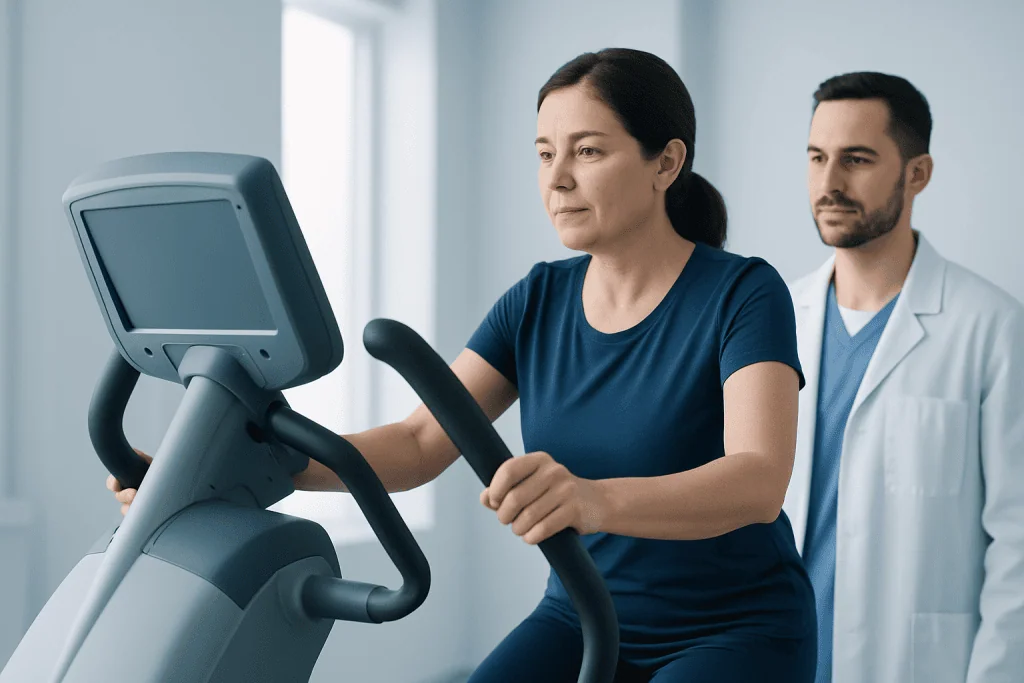
Regular stairmaster use can contribute to better cardiorespiratory fitness. As the stepping pace increases, the heart and lungs work harder to deliver oxygen to the muscles. Over time, this may improve exercise tolerance and support general health when combined with a balanced routine and adequate recovery.
The machine also targets the lower body, especially the gluteal muscles, quadriceps, hamstrings, and calves. Because the trunk must stay upright and stable, the abdominal and back muscles also contribute. This combination can help support everyday activities such as climbing stairs, rising from a chair, and walking on inclines.
For some people, a stairmaster can be a useful option in a broader plan for weight management and metabolic health. It increases energy expenditure and may fit well into structured exercise programs that also include nutrition, sleep, and resistance training. People living with obesity or related concerns may benefit from a medically guided plan such as obesity treatment when exercise alone is not enough.
Another potential advantage is convenience. The speed and resistance can be adjusted, making the machine suitable for steady-state cardio, interval sessions, or shorter workouts on busy days. Indoor use may also help people stay consistent when outdoor conditions are poor or when a predictable, low-distraction environment is preferred.
How to Use a Stairmaster Safely and Effectively

Safe stairmaster use begins with posture. The user should stand upright, keep the chest open, and look forward rather than down. Light hand contact with the rails may help balance, but leaning heavily on the arms can reduce the training effect and place the spine and shoulders in an awkward position. Small, controlled steps are usually safer and more sustainable than exaggerated stepping.
A gradual warm-up is important, especially for beginners and older adults. Starting at a low speed for several minutes allows the cardiovascular system, muscles, and tendons to adapt. Intensity can then be increased based on comfort, fitness level, and exercise goals. At the end of the session, slowing down gradually can help the body transition back to rest.
Progression should be sensible. A person new to the stairmaster does not need a long or high-intensity session to gain benefits. Shorter workouts with proper technique are often better than forcing speed or duration. General exercise planning may include alternating hard and easy days and combining stair work with other activities to avoid overuse.
Footwear also matters. Supportive athletic shoes with good grip can reduce slipping and help absorb impact. People with knee discomfort, prior ankle injuries, or foot pain may need individual advice, especially if they have known orthopedic conditions or biomechanical issues.
Risks, Side Effects, and Common Mistakes
Although many people tolerate stairmaster exercise well, it can place substantial demand on the knees, hips, calves, and Achilles tendons. Rapid increases in intensity or duration may contribute to overuse symptoms such as front-of-knee pain, tendon irritation, muscle strain, or lower-back discomfort. People who already have joint disease may notice symptoms sooner than others.
Common technique errors include leaning forward onto the rails, taking uneven steps, climbing too fast too soon, and skipping warm-up or recovery. These habits can reduce the intended cardiovascular and muscle benefits while increasing strain. If pain develops during the workout and does not settle with rest or lower intensity, the session should be stopped.
Balance is another consideration. Because the steps move continuously, a person who is dizzy, deconditioned, or unsteady may be at risk of stumbling. Those with neurological conditions, inner-ear disorders, severe vision problems, or recent injury should be especially cautious and may need an alternative exercise mode.
For people with existing musculoskeletal problems, symptoms can overlap with conditions such as knee pain or chronic back strain. If pain is persistent, recurrent, or associated with swelling, locking, giving way, numbness, or weakness, medical assessment is appropriate rather than pushing through discomfort.
Who Should Be Cautious Before Using a Stairmaster
A stairmaster may not be the best starting point for everyone. People with chest pain, known heart disease, unexplained shortness of breath, fainting episodes, poorly controlled blood pressure, or significant arrhythmia symptoms should discuss exercise safety with a doctor before beginning or intensifying stair-climbing workouts. In some cases, supervised rehabilitation or a lower-impact plan may be safer.
Individuals with osteoarthritis, recent knee or hip injury, severe obesity, spinal pain, or Achilles tendon problems may also need a modified approach. Depending on the underlying issue, a clinician or physiotherapist may recommend shorter sessions, lower resistance, cross-training, or a different machine such as a stationary bicycle or elliptical trainer.
People living with chronic respiratory disease should also be thoughtful about exercise intensity. Climbing-style exercise can provoke breathlessness quickly, and distinguishing expected exertion from concerning symptoms is important. A medical review may be especially helpful for those with asthma, chronic cough, or diseases such as COPD.
Pregnant individuals, older adults with fall risk, and anyone recovering from surgery should use individualized guidance. Exercise is often beneficial in these situations, but the best type, intensity, and progression can vary widely depending on balance, strength, circulation, and overall health.
Building a Balanced Exercise Plan Around Stairmaster Work
A stairmaster can be part of a well-rounded fitness routine, but it should not have to do everything. Health experts generally encourage a mix of aerobic exercise, muscle-strengthening activity, mobility work, and rest. This can help improve overall function while reducing repetitive strain on the same tissues.
For example, a person might use the stairmaster on some days and choose walking, cycling, swimming, or strength training on others. Lower-body strengthening can support safer stair climbing, while flexibility and mobility work may help maintain joint motion. If persistent pain or movement limitation is present, structured physical therapy and rehabilitation may be useful.
Intensity can be guided by symptoms rather than only by machine settings. During moderate exercise, breathing should be deeper and faster, but conversation is often still possible in short sentences. Severe breathlessness, chest pressure, marked dizziness, or sudden weakness are not typical training effects and should not be ignored.
Recovery is part of the plan as well. Muscles adapt during rest, and overtraining can lead to fatigue, poorer performance, irritability, sleep disruption, and increased injury risk. Good hydration, sufficient sleep, and gradual progression make long-term exercise habits more sustainable.
When to Seek Medical Care
Medical attention is important if symptoms occur during or after stairmaster exercise that suggest more than normal exertion. These include chest pain, tightness or pressure, severe or unusual shortness of breath, fainting, near-fainting, palpitations with lightheadedness, or new neurological symptoms such as sudden weakness or confusion. These warning signs need prompt assessment.
A doctor should also evaluate joint or muscle pain that is severe, keeps returning, or interferes with walking and daily function. Swelling, warmth, visible deformity, inability to bear weight, or a popping injury may suggest a more significant problem. For people with persistent exercise-related breathlessness, assessment may include the heart, lungs, anemia, conditioning level, and medication effects.
If there is uncertainty about safe exercise after illness, surgery, or a new diagnosis, a personalized plan is often the best approach. In selected cases, clinicians may recommend testing, supervised exercise, or consultation with specialists in cardiology, orthopedics, pulmonary medicine, or rehabilitation. When needed, cardiac rehabilitation can help some patients return to physical activity safely after certain heart conditions.
For international patients seeking evaluation and treatment, Acibadem International’s multidisciplinary specialists and JCI-accredited hospitals diagnose and manage exercise-related health concerns, heart and lung conditions, and musculoskeletal problems with individualized care plans.
Frequently asked questions
Is the stairmaster good for weight loss?
A stairmaster can support weight loss because it is a form of aerobic exercise that increases energy use and challenges large leg muscles. However, weight change usually depends on the overall pattern of nutrition, activity, sleep, and long-term consistency rather than one machine alone.
Is the stairmaster bad for the knees?
Not necessarily. Many people use a stairmaster without knee problems, but the machine can aggravate symptoms if technique is poor, intensity rises too quickly, or knee arthritis or tendon pain is already present. Pain that persists or worsens should be assessed by a healthcare professional.
How long should a beginner use a stairmaster?
A beginner often does best with short, manageable sessions at low to moderate intensity. The exact duration varies by age, fitness, weight, and medical history, but the safest approach is to start conservatively, monitor symptoms, and increase gradually over time.
Does holding the rails make stairmaster exercise less effective?
Lightly touching the rails for balance is reasonable, especially at the beginning. Leaning heavily on them can reduce the workload on the legs and core and may place the neck, shoulders, and lower back in a less natural position.
Can people with heart or lung disease use a stairmaster?
Some can, but it depends on the diagnosis, symptom control, and overall exercise tolerance. Because stair-climbing exercise can become intense quickly, people with heart or lung disease should ask their doctor what level of activity is appropriate and whether supervised exercise is needed.
What symptoms during stairmaster exercise are not normal?
Warning symptoms include chest pain, severe shortness of breath, fainting, marked dizziness, palpitations with weakness, or sudden pain that changes the way a person walks. These are not routine exercise effects and should prompt stopping the workout and seeking medical advice.
References
- World Health Organization
- American Heart Association
- American College of Sports Medicine
- Centers for Disease Control and Prevention
- National Institute on Aging
This article is for general information only and is not a substitute for professional medical advice. Please consult a qualified doctor about your individual situation.
Medical weight-loss options in Turkey — costs & eligibility
JCI-accredited · board-certified surgeons · reply within 24h
Add us as a Preferred Source to see more of our trusted health content across Google Search, AI Overviews and Discover.
Check your numbers in seconds
BMI, calories, due date, blood pressure and 30+ more clinical calculators — free, instant, doctor-reviewed ranges.

More from the Health Library

Blind in One Eye: An Evidence-Based Guide for Patients

Pygeum — Explained by Medical Evidence, Not Myths

Pulmonary Embolism: A Complete Medical Overview

Sebum — Explained by Medical Evidence, Not Myths

Epidermolysis Bullosa: An Evidence-Based Guide for Patients