Steatorrhea: A Complete Medical Guide — Function, Normal Levels, and Health Implications

Steatorrhea refers to excess fat in stool and usually points to a problem with fat digestion or absorption. Common signs include greasy, bulky, floating, pale, and foul-smelling stools, sometimes with weight loss or bloating.
Key Takeaways
- Steatorrhea refers to excess fat in stool and usually points to a problem with fat digestion or absorption.
- Common signs include greasy, bulky, floating, pale, and foul-smelling stools, sometimes with weight loss or bloating.
- Causes can involve the pancreas, liver, gallbladder, bile ducts, or small intestine, including conditions such as celiac disease and chronic pancreatitis.
- Diagnosis often combines symptom review, stool testing, blood tests, and imaging or endoscopy when needed.
- Treatment depends on the underlying cause and may include dietary changes, vitamin support, and treatment of digestive disorders.
- Persistent steatorrhea should be assessed by a doctor, especially if it occurs with weight loss, pain, or nutritional deficiencies.
Steatorrhea means excess fat in the stool, which can make bowel movements greasy, bulky, pale, foul-smelling, or hard to flush. It is not a disease itself but a sign that the body may not be digesting or absorbing fat properly, often due to problems involving the pancreas, bile, or small intestine.
Overview: What steatorrhea means
Steatorrhea is the medical term for stool that contains too much fat. In practical terms, this often means bowel movements that look oily or greasy, are unusually bulky, have a strong odor, float in the toilet, or are difficult to flush away. A single episode after a very rich meal may not be significant, but repeated fatty stools can be an important clue that the digestive system is not handling fat normally.
Fat digestion depends on several organs working together. The liver makes bile, the gallbladder stores and releases it, the pancreas produces enzymes that break down fat, and the small intestine absorbs the digested nutrients. If any part of this process is disrupted, fat can remain in the stool instead of being absorbed into the body.
Steatorrhea is a symptom rather than a diagnosis. It can be linked to short-term digestive upset, but it may also reflect chronic conditions affecting the pancreas, intestines, or biliary system. Because fat absorption is closely tied to nutrition, ongoing steatorrhea can eventually contribute to weight loss, fatigue, and low levels of fat-soluble vitamins such as vitamins A, D, E, and K.
How stool changes in steatorrhea
Normal stool can vary in color, shape, and frequency from person to person. With steatorrhea, the most noticeable change is texture. Stool may appear shiny, greasy, or coated with oil. Some people describe a film in the toilet bowl, while others notice that stools are loose, bulky, and unusually messy.
Steatorrhea does not always happen in exactly the same way. In some people, it appears as chronic diarrhea; in others, the stool is formed but pale, floating, and difficult to flush. It may come and go depending on meals, underlying disease activity, or how well a person’s treatment is working.
Symptoms that can occur alongside fatty stool include:
- Bloating or excess gas
- Abdominal discomfort or cramping
- Urgent bowel movements
- Weight loss without trying
- Fatigue or weakness
- Signs of vitamin deficiency, such as easy bruising or bone discomfort
Because stool appearance can be affected by diet, medications, and infections, steatorrhea is not diagnosed by appearance alone. If these changes are frequent or persistent, a medical evaluation is the safest way to identify the cause.
Causes and risk factors

Steatorrhea develops when fat is not digested properly or cannot be absorbed in the small intestine. Broadly, this can happen for three main reasons: not enough digestive enzymes, not enough bile, or damage to the intestinal lining where nutrients are absorbed.
Pancreatic disorders are a well-known cause because the pancreas supplies enzymes needed to break down fat. Conditions such as chronic pancreatitis can reduce enzyme production over time. In some cases, doctors may use imaging such as MRI scan or CT scan to evaluate the pancreas and nearby organs when symptoms suggest deeper digestive disease.
Another major group of causes involves the small intestine. In celiac disease, exposure to gluten damages the intestinal lining, making it harder to absorb nutrients including fat. Other intestinal causes can include Crohn’s disease, certain infections, bacterial overgrowth, or problems after bowel surgery.
Bile-related conditions can also lead to fatty stools. Bile is needed to emulsify fat so it can be absorbed. Problems affecting the liver, gallbladder, or bile ducts may interfere with this process. Risk factors for steatorrhea therefore include chronic pancreatic disease, intestinal inflammatory conditions, celiac disease, prior gastrointestinal surgery, long-standing alcohol-related pancreatic injury, and disorders that affect bile flow.
How doctors diagnose steatorrhea
Diagnosis starts with a careful history. A doctor will usually ask how long the stool changes have been happening, whether there is weight loss or abdominal pain, what foods seem to trigger symptoms, and whether there is a history of pancreatitis, gallbladder disease, celiac disease, bowel surgery, or long-term digestive complaints. Medication use and family history can also be relevant.
Basic testing may include blood work to look for anemia, inflammation, liver function changes, pancreatic problems, and nutritional deficiencies. Stool tests can help confirm excess fat or look for signs of infection and inflammation. In some cases, a doctor may request more specialized stool studies to assess pancreatic enzyme function or measure fat loss over time.
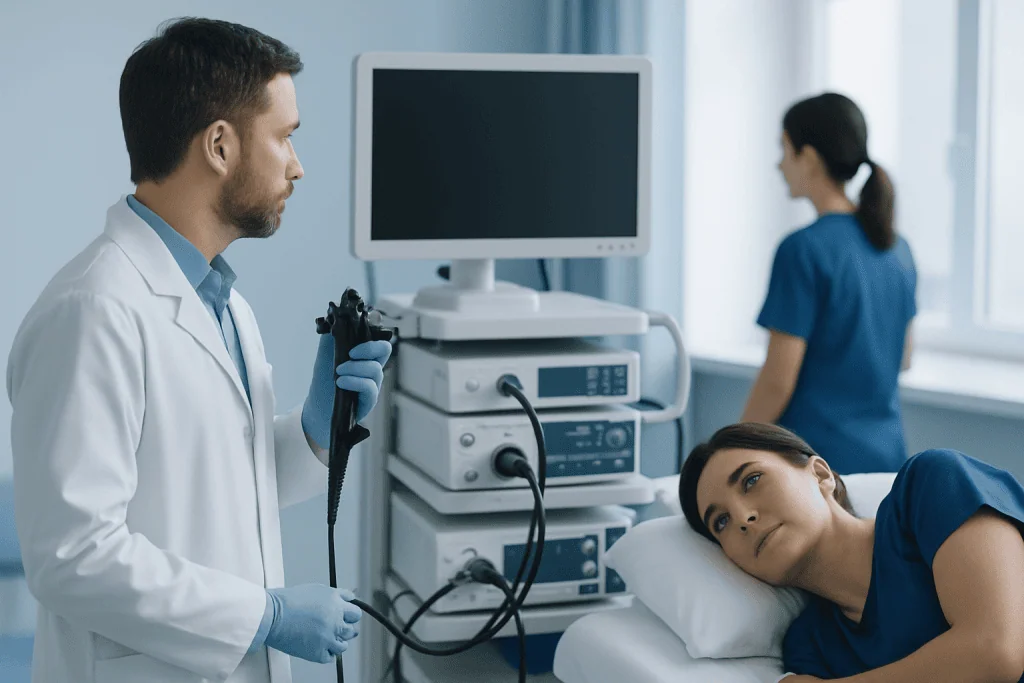
If the pattern suggests an intestinal disorder, endoscopic evaluation may be recommended. Procedures such as endoscopy can help examine the upper digestive tract and allow tissue samples to be taken when conditions like celiac disease are suspected. Imaging tests may be useful when the concern is in the pancreas, liver, or biliary tract.
The goal of diagnosis is not simply to label the stool pattern, but to identify why it is happening. This matters because treatment for steatorrhea varies greatly depending on whether the root problem is pancreatic, intestinal, biliary, infectious, or nutritional.
Treatment options and nutritional support
There is no single treatment for steatorrhea because the best approach depends on the underlying cause. If a person has celiac disease, strict avoidance of gluten can help the intestinal lining heal and improve absorption. If the problem is pancreatic enzyme deficiency, enzyme replacement may be prescribed to help digest fats more effectively. When bile flow is impaired, treatment focuses on the liver, gallbladder, or bile ducts.
Dietary guidance is often part of care, but it should be individualized. Some people benefit from eating smaller, balanced meals and avoiding foods that clearly worsen symptoms. Others need support from a dietitian to maintain calorie intake and prevent deficiencies. Reducing fat too aggressively without medical advice is usually not ideal, because fat is an important nutrient and unnecessary restriction can worsen weight loss.
Doctors may also evaluate and correct low levels of fat-soluble vitamins and other nutrients. Vitamin deficiencies can develop gradually in long-standing malabsorption. If steatorrhea is related to chronic digestive disease, follow-up is often important to monitor symptoms, nutritional status, and response to treatment.
In complex cases, care may involve gastroenterologists, nutrition specialists, radiologists, and other disciplines. Near the end of the care pathway, patients seeking international evaluation may wish to know that Acibadem International’s multidisciplinary specialists and JCI-accredited hospitals diagnose and treat digestive conditions associated with steatorrhea for international patients.
Prevention and self-care
Not all causes of steatorrhea can be prevented, but some practical steps may support digestive health and help reduce complications. Paying attention to ongoing changes in bowel habits is important. A symptom diary that records stool appearance, abdominal symptoms, weight changes, and food triggers can be useful during medical visits.
For people with diagnosed digestive conditions, following the treatment plan consistently can make a meaningful difference. This may include taking prescribed medications correctly, attending follow-up appointments, and working with a dietitian when recommended. If a person has celiac disease, even small amounts of gluten can continue to injure the intestine, so careful long-term adherence matters.
General self-care measures include avoiding unnecessary alcohol use, staying hydrated if loose stools are frequent, and seeking advice before making major dietary restrictions. It is also sensible to ask a doctor before taking over-the-counter supplements, because symptoms that seem nutritional may actually reflect an untreated digestive disorder.
When to seek medical care
Medical advice is appropriate if greasy or oily stools happen repeatedly, last more than a short period, or come with bloating, diarrhea, or unexplained abdominal discomfort. Even when symptoms seem mild, persistent steatorrhea deserves evaluation because it can be a sign of malabsorption and may eventually affect nutrition.
Prompt medical care is especially important if fatty stool is accompanied by weight loss, weakness, dehydration, fever, jaundice, persistent vomiting, blood in the stool, or significant abdominal pain. These features do not always indicate a serious problem, but they should not be ignored.
Children, older adults, and anyone with known pancreatic, liver, gallbladder, or intestinal disease should be assessed sooner if steatorrhea develops. Early evaluation can help identify the cause, relieve symptoms, and prevent complications related to long-term nutrient loss.
Frequently asked questions
Is steatorrhea the same as diarrhea?
No. Steatorrhea refers specifically to excess fat in the stool, while diarrhea means loose or frequent stools. A person can have steatorrhea with diarrhea, but fatty stool can also occur without classic diarrhea.
What does steatorrhea look like?
It often appears as pale, bulky, greasy, foul-smelling, or floating stool that may be hard to flush. Some people notice an oily film in the toilet. Appearance alone cannot confirm the cause, so repeated symptoms should be discussed with a doctor.
Can diet alone cause steatorrhea?
A very high-fat meal may temporarily make stool look different, but ongoing steatorrhea usually suggests a digestion or absorption problem. If fatty stools happen repeatedly, a medical assessment is a good idea. Persistent symptoms should not be assumed to be only food-related.
Is steatorrhea serious?
Steatorrhea is a symptom, not a diagnosis, so its significance depends on the cause. Sometimes it is linked to manageable digestive issues, but it can also signal chronic conditions involving the pancreas, small intestine, or bile system. Persistent symptoms deserve medical evaluation, especially if weight loss or weakness is present.
How is steatorrhea tested?
Doctors usually begin with a medical history, physical exam, blood tests, and stool tests. Depending on the situation, imaging or endoscopy may be needed to assess the pancreas, liver, bile ducts, or intestine. The aim is to identify the reason fat is not being absorbed properly.
Can steatorrhea lead to vitamin deficiencies?
Yes. Long-term poor fat absorption can reduce the body's ability to absorb vitamins A, D, E, and K. This is one reason ongoing steatorrhea should be evaluated and monitored rather than ignored.
This article is for general information only and is not a substitute for professional medical advice. Please consult a qualified doctor about your individual situation.
Persistent digestive symptoms? Get evaluated in Turkey
JCI-accredited · board-certified surgeons · reply within 24h
Add us as a Preferred Source to see more of our trusted health content across Google Search, AI Overviews and Discover.

More from the Health Library

Novacaine — Explained by Medical Evidence, Not Myths

Anal Fissure: What Patients Need to Know

Spitz Nevus: What Patients Need to Know

Upper Body Workout: What Patients Need to Know

Saggy Testicles — Explained by Medical Evidence, Not Myths