

Stem Cell Harvesting: An Evidence-Based Patient Guide

Most transplant-related stem cell harvesting collects blood-forming stem cells from the blood using apheresis. People may collect their own cells before treatment (autologous harvesting) or donate cells for another person (allogeneic donation).
Key Takeaways
- Most transplant-related stem cell harvesting collects blood-forming stem cells from the blood using apheresis.
- People may collect their own cells before treatment (autologous harvesting) or donate cells for another person (allogeneic donation).
- The procedure is usually well tolerated; common short-term effects include fatigue, bone or muscle aches, bruising, and temporary changes in blood counts.
- Stem cell treatments are proven for selected blood and immune system diseases, but many advertised regenerative uses remain experimental.
- Eligibility, collection method and follow-up are individualized by a hematology and transplant team.
Stem cell harvesting is the collection of stem cells, most often blood-forming stem cells from the bloodstream or bone marrow, for a future transplant. It is a carefully planned procedure used primarily to restore blood production after intensive treatment for certain blood cancers and disorders.
Overview: what is stem cell harvesting?
Stem cell harvesting is the process of collecting stem cells for transplantation or, in some settings, approved laboratory research. In routine clinical care, the term usually refers to collecting hematopoietic stem cells: cells that can develop into the blood and immune cells made in bone marrow. These cells may later be infused into the same person or into a compatible recipient.
The most common method collects cells from circulating blood through a procedure called apheresis. Less commonly, cells are obtained directly from bone marrow under anesthesia. The collection itself does not treat disease immediately; it prepares cells for a transplant that may be used after chemotherapy, radiation therapy, or other treatment has reduced or damaged the marrow.
Stem cell harvesting is part of a broader stem cell transplant pathway. A transplant team explains why collection is recommended, which source of cells is appropriate, and what to expect before, during and after collection.
How the stem cell harvesting process works
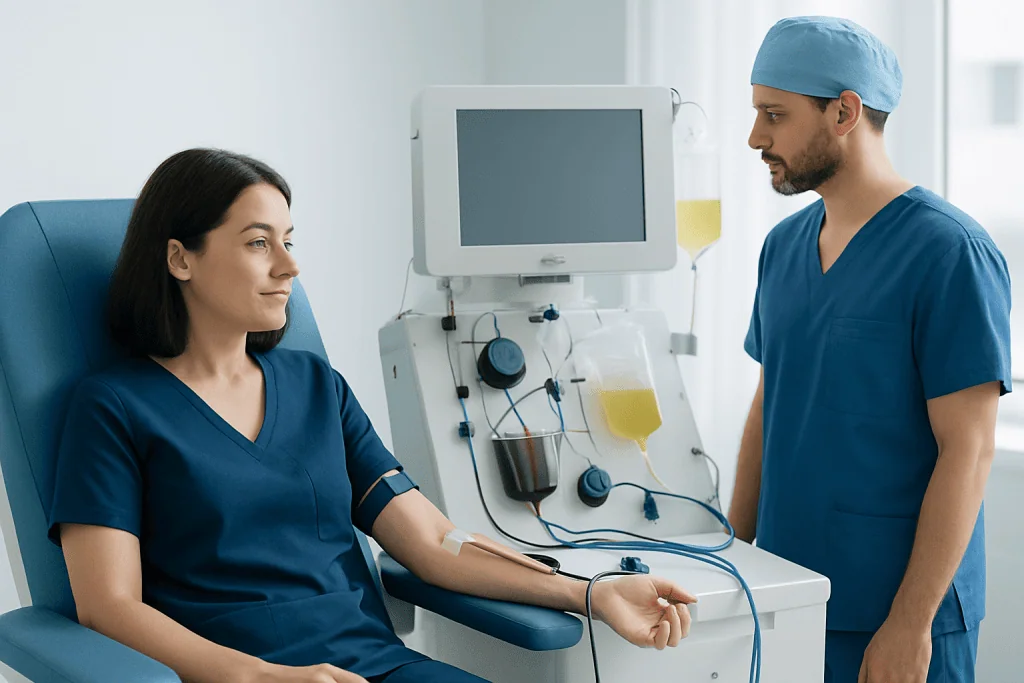
Before collection from blood, the person commonly receives several days of a medicine that encourages blood-forming stem cells to move from the bone marrow into the bloodstream. In some autologous transplant plans, this may be combined with chemotherapy. Blood tests help the team choose the safest and most effective time to begin collection.
During apheresis, blood is taken through a needle or a temporary central venous catheter, passed through a machine that separates and retains stem cells, then returned through another line. The session often takes several hours. More than one session may be needed to collect enough cells, depending on the intended transplant and laboratory cell count.
Bone marrow harvesting is performed in an operating room or procedure unit. Under general or regional anesthesia, clinicians use needles to draw liquid marrow from the back of the pelvic bones. This is not the same as collecting tissue from the spinal cord. Collected cells are processed, tested and either given soon afterward or frozen for later use.
- Autologous collection: a person’s own cells are collected and stored for a later transplant.
- Allogeneic collection: cells are donated for another person, often a relative or a matched unrelated recipient.
- Umbilical cord blood: stem-cell-rich blood may be collected after a baby is born and the cord has been clamped and cut, with informed consent.
Who may be a candidate for stem cell harvesting?

Candidacy depends on the reason for transplant, the person’s overall health, blood counts, previous treatments and the availability of a suitable donor when needed. Autologous stem cell collection may be considered for selected conditions such as multiple myeloma, lymphoma and certain other cancers when high-dose treatment followed by stem cell rescue is part of the care plan.
Donors undergo medical assessment to protect both donor and recipient. The team reviews medical history, medications, infections, pregnancy status when relevant, heart and lung health, and blood test results. Compatibility testing, including human leukocyte antigen (HLA) typing, is central to donor selection for allogeneic transplantation.
Not everyone can safely proceed at every point in treatment. Low blood counts, active infection, uncontrolled medical conditions or inadequate stem cell mobilization can lead the team to postpone collection, adjust the plan or recommend another approach. Related conditions that may require transplant evaluation include multiple myeloma and lymphoma.
Can I harvest my own stem cells?
Yes. Collecting a person’s own blood-forming stem cells is called autologous stem cell harvesting. The cells are generally collected before high-dose chemotherapy or other intensive treatment, frozen in a specialized laboratory and returned later through an intravenous infusion. This approach avoids the need to find a donor and removes the risk of graft-versus-host disease, which can occur when donor immune cells react against a recipient’s tissues.
However, autologous transplantation is not suitable for every disease. For some blood disorders and cancers, donor stem cells are preferred because they can provide a new immune system and may help attack remaining abnormal cells. The choice depends on the diagnosis, disease status, prior treatment and transplant goals.
Harvesting one’s own cells should not be confused with commercial storage or unproven “stem cell” interventions advertised for aging, orthopedic pain, neurological conditions or cosmetic concerns. A qualified hematologist or transplant physician can clarify whether there is an established medical indication and whether a proposed treatment is supported by evidence.
What can stem cells currently fix or cure in 2026?
As of 2026, hematopoietic stem cell transplantation is an established treatment for selected cancers of the blood and lymphatic system, bone marrow failure syndromes, inherited blood disorders and certain severe immune disorders. Depending on the condition, transplantation may be used with curative intent, to achieve long-term disease control, or to restore blood-cell production after intensive cancer treatment.
Examples include some leukemias, lymphomas, multiple myeloma, aplastic anemia, sickle cell disease, thalassemia and specific inherited immune deficiencies. Outcomes vary considerably with the diagnosis, disease stage, donor match, age, overall health and transplant-related complications. A transplant is a major treatment with potential benefits and risks, not a universal cure.
Other cell-based therapies are under investigation, including approaches for neurological disease, heart disease, diabetes, spinal cord injury and joint conditions. Outside approved uses and well-designed clinical trials, claims that stem cells can reliably regenerate organs or cure a broad range of illnesses should be approached carefully. Patients should discuss any proposed cell therapy with an appropriately qualified specialist.
How painful is it to harvest stem cells?
For most people having blood stem cell collection, apheresis is not described as painful beyond needle placement or discomfort from a central line. Sitting or reclining for several hours can be tiring. During collection, some people notice tingling around the lips or fingers, chills, light-headedness or muscle cramps because the anticoagulant used in the machine can temporarily lower calcium levels; staff monitor for these effects and can treat them promptly.
The medicines used to mobilize stem cells can cause temporary bone, back, muscle or headache-type pain. These symptoms commonly improve soon after the medicine is stopped. The care team can recommend suitable symptom relief based on the person’s medical history and current medications.
Bone marrow harvesting is performed with anesthesia, so pain is not expected during the procedure. Afterward, soreness and bruising around the pelvic collection sites may feel similar to a deep bruise for several days to a few weeks. Individual experiences differ, and reporting discomfort early allows the clinical team to provide appropriate support.
Recovery, benefits and possible risks
Recovery after apheresis is often quick. Many donors and patients return to ordinary light activities within a day or two, although fatigue may last longer for some people. Drinking fluids, eating balanced meals, following the team’s activity guidance and attending scheduled blood tests support recovery. If a central line was used, the site needs routine care until it is removed.
After bone marrow collection, it may take several days before soreness and fatigue improve. The body generally replaces collected marrow cells over time. The team may advise avoiding strenuous exercise or heavy lifting briefly and will provide individualized instructions about wound care, driving, work and pain management.
Potential short-term risks include bruising, bleeding, infection at a needle or catheter site, faintness, temporary low platelet counts, low calcium symptoms during apheresis, and anesthesia-related risks with marrow collection. Serious complications are uncommon but possible. The benefit is that the collected cells can make a potentially life-saving transplant possible or permit intensive treatment that would otherwise severely impair bone marrow function.
Specialists in hematology, oncology, transfusion medicine, infectious diseases and supportive care work together throughout collection and transplantation. Acibadem International’s multidisciplinary specialists and JCI-accredited hospitals provide assessment and treatment planning for international patients requiring stem cell transplantation.
Is it ethical to harvest stem cells?
Stem cell harvesting ethics depend on the source of cells, the purpose of collection and whether informed consent is properly obtained. Collecting blood-forming stem cells from adults, children in carefully regulated circumstances, bone marrow donors and donated umbilical cord blood is widely accepted when it follows clinical, legal and ethical safeguards.
Ethical practice includes clear explanation of benefits, uncertainties and risks; voluntary consent; donor privacy; independent medical assessment; and protection from coercion or inappropriate financial pressure. For child donors, extra safeguards are needed because collection should be in the child’s best interests or present a very limited burden in relation to a close family member’s potential benefit, according to applicable laws and ethics review.
Embryonic stem cell research raises distinct ethical questions because it involves early embryos, and regulations differ between countries. Stem cell harvesting for research should occur only under recognized ethical review, consent requirements and national regulations. Patients and donors may ask how cells will be used, stored, shared, disposed of and whether future research use is optional.
When to seek medical care
Anyone considering stem cell harvesting should seek specialist medical advice before making decisions about collection, donation, storage or treatment. A hematology or transplant team can explain whether harvesting is clinically appropriate, what alternatives exist and what follow-up will be required. This is especially important if a person has cancer, a blood disorder, significant heart or lung disease, an infection, or takes medicines that affect bleeding or immunity.
After collection, urgent medical assessment is appropriate for fever, worsening redness or discharge at a line or needle site, persistent bleeding, chest pain, shortness of breath, fainting, severe weakness, new confusion, or pain that is intense or getting worse. These symptoms do not always indicate a serious problem, but they should be assessed promptly.
People should also seek professional advice if they are offered a stem cell product for a condition without a clear explanation of regulatory approval, evidence, risks and alternatives. A reputable care team will welcome questions and provide time for informed decision-making.
Frequently asked questions
How long does stem cell harvesting take?
Blood stem cell collection by apheresis often takes several hours per session, and some people need collection on more than one day. Preparation also includes screening, blood tests and, commonly, several days of stem-cell mobilizing medicine. Bone marrow collection is a shorter procedure under anesthesia, followed by recovery observation.
Are stem cells collected from the spine?
No. Bone marrow harvesting usually collects marrow from the back of the pelvic bones, not from the spinal cord. Apheresis collects stem cells from circulating blood through intravenous lines or a central catheter.
What happens if not enough stem cells are collected?
The transplant team may arrange another collection session, adjust mobilization treatment or consider a different collection strategy. The appropriate option depends on the planned transplant, blood test results and the person’s overall health. The team will explain whether the transplant schedule needs to change.
Can a stem cell donor return to normal activities quickly?
Many people return to light usual activities within one or two days after apheresis, although temporary fatigue or aches can occur. Recovery after bone marrow donation may take longer because of pelvic soreness and anesthesia recovery. Donors should follow the specific advice provided by their collection center.
Is stem cell harvesting safe for donors?
Stem cell donation is generally considered safe when it is performed in an experienced, regulated program with donor screening and monitoring. Side effects are usually temporary, but every procedure has potential risks, including pain, fatigue, bleeding, infection and medication-related effects. A donor should have the opportunity to discuss personal risks privately with the medical team.
Can harvested stem cells be frozen?
Yes. In autologous transplantation, collected cells are often frozen and stored until they are needed after intensive treatment. Laboratories use controlled processing and storage procedures to preserve cell viability. The planned storage period and testing requirements are determined by the transplant program and local regulations.
References
- World Health Organization
- U.S. Food and Drug Administration
- National Marrow Donor Program
- European Society for Blood and Marrow Transplantation
- American Society of Hematology
This article is for general information only and is not a substitute for professional medical advice. Please consult a qualified doctor about your individual situation.
Explore treatments in Turkey — costs, top hospitals & a free quote
JCI-accredited · board-certified surgeons · reply within 24h
Add us as a Preferred Source to see more of our trusted health content across Google Search, AI Overviews and Discover.

More from the Health Library



Related Specialists

Assoc. Prof. Dr. Yetkin Zeki Yılmaz
Otorhinolaryngology
Dr. Ezel Aydoğ
Urology
Assoc. Prof. Dr. Altuğ Yücekul
Orthopedic Surgery & Traumatology
Dr. Orkhan Baıramov
Dermatology