Stem Cell Transplant Cost in Turkey for Blood Disorders: What Affects the Price?

The total cost usually includes evaluation, transplant preparation, hospital stay, medicines, and monitoring. Allogeneic transplants are often more complex and costly than autologous transplants because they may involve donor testing and matching.
Key Takeaways
- The total cost usually includes evaluation, transplant preparation, hospital stay, medicines, and monitoring.
- Allogeneic transplants are often more complex and costly than autologous transplants because they may involve donor testing and matching.
- The underlying blood disorder, infection risk, and possible complications can change the final price.
- A clear written treatment plan helps patients understand what is included and what may be billed separately.
- International patients should also ask about travel timing, caregiver needs, and follow-up arrangements.
Stem cell transplant cost in Turkey for blood disorders can vary widely because it reflects the full course of care, not only the procedure itself. The final price is shaped by the patient’s diagnosis, the type of transplant, donor needs, hospital services, and follow-up requirements.
Overview: Why Stem Cell Transplant Costs Vary
Stem cell transplant is a specialized treatment used for certain blood disorders, including some leukemias, lymphomas, bone marrow failure syndromes, and inherited blood diseases. When people ask about stem cell transplant cost in Turkey, the answer is rarely a single fixed number. This is because the transplant process involves several stages, each with different medical needs and resource use.
In general, the price reflects the full treatment pathway. This may include consultations, laboratory work, imaging, donor testing when needed, chemotherapy or other conditioning treatment, the transplant itself, medicines, blood product support, isolation precautions, inpatient care, and follow-up monitoring. The more complex the medical situation, the more the overall cost may change.
Turkey is often considered for advanced hematology care because many centers offer modern transplant services and coordinated support for international patients. Even so, patients benefit from looking beyond the headline price and focusing on what the quoted package covers, how complications are handled, and what care is expected after discharge.
Which Blood Disorders May Need a Stem Cell Transplant
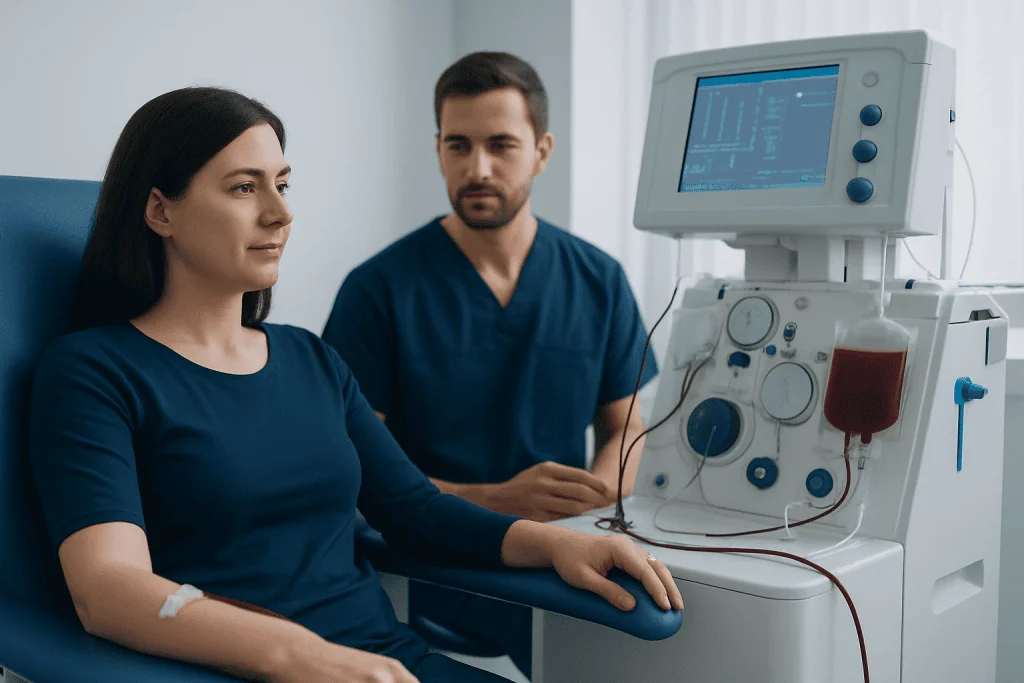
Stem cell transplant may be recommended when diseased or damaged bone marrow needs to be replaced with healthy blood-forming cells. This can be part of treatment for cancers of the blood and bone marrow, as well as selected non-cancerous hematologic conditions. The exact reason for transplant affects both planning and cost, because each disorder has different treatment intensity and monitoring needs.
Examples of conditions that may lead to transplant evaluation include leukemia, lymphoma, aplastic anemia, multiple myeloma, myelodysplastic syndromes, thalassemia, and some immune or metabolic disorders. In some cases, transplant is offered after other treatments have controlled the disease. In others, it may be considered earlier because of the expected course of the illness.
The type and stage of the blood disorder also matter. A patient whose disease is stable and well controlled before transplant may need a different care plan than someone with active disease, infections, organ strain, or previous treatment complications. These factors can influence how long treatment takes and what supportive care is required.
Main Factors That Affect the Price

The biggest cost factor is the type of transplant. In an autologous transplant, the patient’s own stem cells are collected and later returned after high-dose treatment. In an allogeneic transplant, stem cells come from a donor, such as a matched sibling, unrelated donor, or sometimes cord blood. Allogeneic transplants are usually more complex because they require donor search, tissue matching, and closer monitoring for immune-related complications.
The patient’s diagnosis, age, general health, and response to earlier treatment also influence cost. Pre-transplant tests may be more extensive when doctors need to assess heart, lung, liver, kidney, or infection risks. If a patient has other medical conditions or needs extra stabilization before transplant, this can increase both preparation time and total expense.
Hospital-related factors are also important. Costs may vary depending on the transplant unit, infection-control standards, length of inpatient stay, need for intensive care, transfusion support, pharmacy requirements, and whether advanced tests are needed during recovery. A longer admission usually increases the final amount.
Other practical factors may include international patient coordination, interpreter support, accommodation planning after discharge, and the schedule of outpatient visits. For some patients, treatment may be part of a broader hematology plan that includes bone marrow transplant care or related chemotherapy before or after transplant, depending on the disease.
Autologous vs Allogeneic Transplant: Why the Difference Matters
An autologous transplant typically involves stem cell mobilization, collection, storage, conditioning therapy, infusion of the patient’s own cells, and recovery support. Because there is no donor search or donor compatibility workup, the process may be less complex in some cases. Even so, it remains a major treatment and still requires careful infection prevention, transfusion support, and close follow-up.
An allogeneic transplant generally requires more planning and more steps. Doctors must identify a suitable donor and perform tissue typing and compatibility checks. The patient may also need stronger immune suppression to help the donor cells engraft and to reduce the risk of graft-versus-host disease. These added elements can increase the cost.
The expected recovery pathway can also differ. Allogeneic transplant often involves more prolonged monitoring for immune complications, infections, and delayed graft function. Because of this, the final cost estimate should always reflect not only the transplant day but also the broader post-transplant period and any likely need for additional medications or testing.
What Is Usually Included in a Cost Estimate
Patients should ask for a written breakdown of what is included in the quoted price. A thorough estimate often covers specialist consultations, blood tests, infectious disease screening, imaging, bone marrow studies when needed, transplant preparation, stem cell collection or donor-related procedures, hospital admission, and routine inpatient medicines. It may also include physician visits during the hospital stay and standard discharge planning.
However, some services are commonly billed separately or may vary according to need. These can include extra days in the hospital, intensive care, treatment of serious infections, additional blood products, advanced molecular testing, high-cost medicines, unexpected procedures, and emergency readmissions. Understanding this difference helps families compare quotes more accurately.
International patients may also want to clarify whether the estimate includes airport transfers, translation support, outpatient housing guidance, caregiver accommodation, and telemedicine follow-up. If the center offers hematology services through a multidisciplinary team, it can be helpful to ask which specialties are involved and whether their consultations are already included.
A good estimate should also explain the expected timeline. Some patients need only a short pre-transplant workup, while others may require several weeks of assessment, disease control, or donor coordination. The timeline affects both direct hospital costs and personal travel planning.
How Evaluation, Complications, and Recovery Influence Total Cost
Before transplant, patients usually undergo a detailed evaluation to confirm that the treatment is appropriate and safe. This may include blood work, infection screening, heart and lung tests, organ function assessment, and disease-specific studies. If these tests uncover issues that need treatment first, the transplant timeline and cost may change.
Complications are one of the main reasons the final price can differ from the initial estimate. Possible problems include infections, bleeding, severe nausea, liver complications, delayed blood count recovery, or graft-versus-host disease in allogeneic transplant. Not every patient experiences these issues, but they can require extra medicines, procedures, and a longer stay.
Recovery also continues after discharge. Patients often need frequent clinic visits, laboratory monitoring, medication adjustments, and infection-prevention measures. Some may need nutritional support, rehabilitation, or help managing fatigue and weakness. These aftercare needs are an important part of the overall financial picture.
Because of this, the most useful question is not simply “What is the transplant price?” but “What is the expected total cost of care from evaluation through early recovery?” This gives a more realistic understanding of the commitment involved.
Questions to Ask Before Choosing a Center in Turkey
Patients and families can make better decisions by asking practical, specific questions. They may ask which transplant type is recommended and why, what tests are needed before acceptance, how donor matching is organized, and what the typical hospital stay looks like. It is also reasonable to ask how the center handles complications and whether an intensive care unit is available if needed.
Financial questions are equally important. Patients should ask what is included in the package, what situations may create extra charges, whether donor search or donor testing is separate, and how follow-up visits are billed. They can also ask for an estimated range rather than a single figure, since transplant costs often depend on clinical progress.
For international patients, travel-related planning matters too. Families may need to know when to arrive, how long to remain in Turkey after discharge, whether a caregiver is required, and what medical records should be brought from home. Clear communication before travel can reduce stress and avoid delays.
Near the end of this process, some patients choose centers that can coordinate transplant care with broader cancer or blood disorder treatment, such as oncology care. Acibadem International’s multidisciplinary specialists and JCI-accredited hospitals diagnose and treat complex blood disorders for international patients, with treatment planning based on individual medical needs.
Planning, Self-care, and When to Seek Medical Advice
Financial preparation is an important part of transplant planning. Patients may benefit from requesting a detailed care plan, keeping copies of all medical records, and asking for a single contact person who can explain scheduling and billing questions. If possible, families should also plan for indirect expenses such as travel, lodging, meals, and time away from work.
Self-care during the transplant journey supports recovery, though it does not replace medical treatment. Good nutrition, careful hand hygiene, medication adherence, and attending all follow-up appointments are especially important. Patients should also follow advice about infection prevention, physical activity, and when to avoid crowded settings.
Medical advice should be sought promptly if there are signs of worsening illness before or after transplant evaluation, such as fever, unusual bleeding, shortness of breath, severe fatigue, new pain, or reduced ability to eat and drink. After transplant, any sudden change in symptoms should be discussed with the transplant team without delay, because early treatment of complications can improve safety and comfort.
Frequently asked questions
What affects stem cell transplant cost in Turkey the most?
The main factors are the type of transplant, the underlying blood disorder, and how much hospital-based care is needed. Donor search and matching, complication risk, medicines, and length of stay can also make a significant difference.
Is allogeneic transplant usually more expensive than autologous transplant?
Often, yes. Allogeneic transplant may require donor identification, tissue matching, and more intensive monitoring for immune-related complications, which can increase the overall cost.
Does the quoted price usually include everything?
Not always. Some quotes cover routine evaluation, admission, and standard transplant care, while extra tests, longer hospitalization, intensive care, or complication treatment may be separate. A written breakdown helps patients understand what is included.
How long do patients usually need to stay in Turkey?
The timeline depends on the diagnosis, the transplant type, and recovery speed. Many patients need time for pre-transplant testing, the hospital stay, and close follow-up after discharge, so they should ask the transplant team for an individualized estimate.
Why can the final cost be different from the first estimate?
Transplant care is highly individualized, and unexpected medical needs can arise during treatment. If complications occur or recovery takes longer than expected, the final cost may increase because of extra medicines, tests, or additional inpatient care.
What should international patients ask before agreeing to treatment?
They should ask about the recommended transplant type, what the package includes, possible extra charges, expected length of stay, and follow-up planning. It is also helpful to ask about donor-related costs, caregiver requirements, and what documents to bring.
References
- World Health Organization
- European Society for Blood and Marrow Transplantation
- American Society of Hematology
- National Cancer Institute
- NHS
This article is for general information only and is not a substitute for professional medical advice. Please consult a qualified doctor about your individual situation.
Stem Cell Transplant in Turkey — costs, top hospitals & a free quote
JCI-accredited · board-certified surgeons · reply within 24h
Add us as a Preferred Source to see more of our trusted health content across Google Search, AI Overviews and Discover.

Organ Transplantation
Kidney, liver and bone-marrow transplantation programs with dedicated coordination.
6 specialists in this unit