Stem Cell Transplant for Mds: Procedure, Recovery and Results

Most transplants for MDS are allogeneic, meaning stem cells come from a matched donor. A transplant may provide long-term disease control or cure, but it also carries significant short- and long-term risks.
Key Takeaways
- Most transplants for MDS are allogeneic, meaning stem cells come from a matched donor.
- A transplant may provide long-term disease control or cure, but it also carries significant short- and long-term risks.
- The preparation phase, low blood-count period and early weeks after infusion are often the most demanding parts of recovery.
- Relapse can occur after transplant, so long-term follow-up and blood monitoring remain essential.
- A transplant decision is individualized and should be made with an experienced hematology and transplant team.
Stem cell transplant for MDS is an intensive treatment that uses healthy donor blood-forming stem cells to rebuild bone marrow after abnormal marrow cells are reduced. It is the only treatment with curative potential for some people with myelodysplastic syndromes, but suitability and outcomes vary with disease risk, age, overall health and donor factors.
Overview: how stem cell transplant for MDS works
Stem cell transplant for MDS replaces unhealthy bone marrow with blood-forming stem cells from a donor. Before the donor cells are given, chemotherapy, sometimes with radiation, is used to reduce abnormal marrow cells and make space for the new cells. The donor stem cells then travel through the bloodstream to the bone marrow, where they can begin producing healthy blood cells.
Myelodysplastic syndromes (MDS) are bone marrow disorders in which blood cells are made poorly or in insufficient numbers. Some forms progress slowly, while higher-risk MDS can cause severe low blood counts or develop into <a href="https://acibademinternational.com/diseases/acute-myeloid-leukemia/”>acute myeloid leukemia. For people who are suitable candidates, an allogeneic transplant offers the possibility of durable disease control and, in some cases, cure.
The donor immune system can also recognize and attack remaining abnormal MDS cells. This is called the graft-versus-leukemia or graft-versus-tumor effect. However, the same immune cells may also attack healthy tissues, causing graft-versus-host disease, so transplant care requires close monitoring by a specialized team.
Who may be a candidate for transplant?
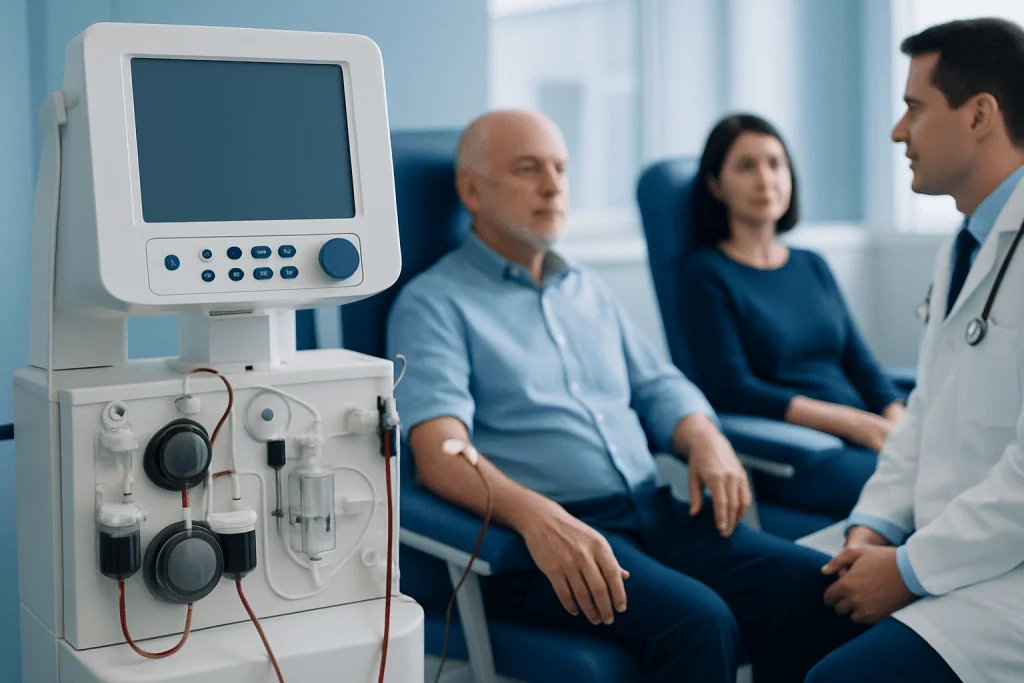
A transplant team considers both the biology of MDS and the person’s ability to tolerate intensive treatment. It is often discussed for higher-risk MDS, MDS with worsening low blood counts, certain chromosome or gene changes, disease that has not responded adequately to other therapy, or MDS that is progressing toward acute leukemia. Lower-risk MDS may be managed without immediate transplant when symptoms and blood counts can be safely controlled.
Age alone does not determine eligibility. Doctors also assess heart, lung, liver and kidney function; previous treatments; infections; physical function; nutrition; emotional support and practical ability to attend frequent appointments. Reduced-intensity conditioning may be an option for some older adults or people who cannot tolerate standard high-dose conditioning.
Donor matching is a central part of planning. A matched sibling donor may be considered first, but matched unrelated donors, partially matched family donors and selected cord blood options may also be possible. The transplant team performs tissue typing and discusses the expected benefits and risks for the individual situation.
Step by step: the transplant procedure

Planning usually begins with marrow testing, blood tests, organ-function assessments, infection screening and donor search or donor confirmation. The team may recommend treatment before transplant to lower the amount of MDS in the marrow. A central venous catheter is often placed to make it safer to give chemotherapy, stem cells, blood products, fluids and medicines.
Conditioning treatment is given over several days before the transplant. It may include high-dose chemotherapy or a reduced-intensity approach, depending on the person’s health, MDS features and transplant plan. Conditioning suppresses the existing bone marrow and immune system, which helps donor cells establish themselves.
On transplant day, donor stem cells are infused through the central line, much like a blood transfusion. The infusion itself is usually not painful and does not involve surgery. During the following days and weeks, the team provides supportive care, including transfusions when needed, anti-nausea treatment, infection prevention medicines and drugs to reduce the risk of graft-versus-host disease.
Engraftment occurs when donor cells begin making new blood cells. This often starts within a few weeks, although timing differs by stem cell source and individual recovery. Blood tests, donor-cell testing and bone marrow examinations help the team confirm recovery and assess the response of MDS.
Recovery timeline and what the hardest days can feel like
Recovery is gradual and differs from person to person. During the conditioning phase and the period before engraftment, blood counts usually fall very low. This can lead to fatigue, anemia, bruising or bleeding, mouth and throat soreness, nausea, diarrhea and a high risk of infection. Many people stay in hospital during this phase, while some centers use closely supervised outpatient pathways for selected patients.
What are the worst days after a stem cell transplant? For many patients, the most difficult period is commonly the first one to three weeks after the infusion, before the new marrow has fully engrafted. Side effects from conditioning and very low white blood cell counts can overlap during this time. Symptoms are treated proactively, and the care team watches closely for fever, dehydration, pain, bleeding and other complications.
After engraftment, blood counts and energy often improve slowly rather than all at once. The first 100 days remain an important period for infections, medication adjustments and graft-versus-host disease. Immune recovery can take many months, and some people need revaccination according to their transplant team’s schedule.
Practical recovery includes eating safely, taking medicines exactly as prescribed, attending regular blood tests and avoiding exposure to contagious illnesses. Family members and caregivers are valuable partners in recovery, particularly when fatigue, frequent appointments and temporary activity limitations are present.
Benefits, risks and realistic expectations
The main potential benefit of allogeneic transplant is that it can eliminate detectable MDS and restore donor-derived blood production. For appropriately selected people, it may offer longer-term survival than non-transplant treatment alone. The balance between potential benefit and risk is highly individual, especially because MDS itself ranges from lower-risk to aggressive disease.
How successful is stem cell transplant for MDS? Success is measured in several ways, including engraftment, remission, freedom from relapse and overall survival. Outcomes depend on MDS risk category, disease burden at transplant, genetic findings, response to treatment before transplant, donor match, conditioning intensity, age, organ health and complications after transplant. A transplant physician can explain outcome estimates using the person’s own clinical information rather than a single general percentage.
Important risks include serious infections, bleeding, organ effects from treatment, infertility, cataracts, secondary cancers, graft failure and graft-versus-host disease. Acute graft-versus-host disease may affect the skin, liver or digestive tract, while chronic disease can affect several organs and may require longer-term treatment. Not everyone experiences these complications, but prompt reporting of new symptoms supports early care.
Can MDS return after stem cell transplant? Yes. MDS can relapse if abnormal cells persist or return after donor cells have engrafted. Follow-up testing helps detect relapse early, and treatment options may include reducing immune-suppressing medicines when appropriate, donor lymphocyte infusion, medicines such as hypomethylating agents, clinical trials or, for selected individuals, another transplant approach.
Life expectancy after transplant and long-term follow-up
What is the life expectancy after a bone marrow transplant for someone with MDS? There is no single answer because life expectancy after transplant varies widely. Some people remain free of MDS for many years, while others face relapse, graft-versus-host disease, infections or other complications that affect survival. The most informative estimate comes from the transplant team after considering disease risk, donor type, pre-transplant health and recovery after transplantation.
Long-term follow-up is an essential part of care even after blood counts stabilize. It may include blood tests, bone marrow testing when indicated, monitoring for chronic graft-versus-host disease, medication review, vaccination planning, cancer screening and support for bone, heart, hormone and emotional health. Survivorship care also addresses return to work, relationships, sleep and physical conditioning.
People considering transplant may benefit from asking about the goals of treatment, likely alternatives, donor options, hospital stay, caregiver needs and the plan if complications or relapse occur. Clear discussions help align the treatment plan with personal priorities and daily-life needs.
When to seek medical care
Anyone receiving transplant treatment should contact the transplant team promptly for a fever or chills, new cough or shortness of breath, severe diarrhea or vomiting, inability to drink fluids, new rash, yellowing of the skin or eyes, unusual bleeding, confusion, severe pain or a sudden worsening in how they feel. During periods of low white blood cells, fever can be the only early sign of a serious infection and needs urgent assessment.
Before transplant, a person with MDS should seek medical advice for increasing fatigue, breathlessness, frequent infections, easy bruising, nosebleeds, blood in urine or stool, or unexplained fever. These symptoms do not always mean MDS is worsening, but they may reflect low blood counts or infection and should be assessed safely.
At Acibadem International, multidisciplinary hematology, oncology, infectious disease and transplant specialists at JCI-accredited hospitals can evaluate and treat MDS for international patients. A transplant consultation can help clarify whether this treatment is appropriate and what follow-up support may be needed.
Frequently asked questions
Is a stem cell transplant the same as a bone marrow transplant for MDS?
These terms are often used interchangeably. Most modern transplants use blood-forming stem cells collected from a donor’s bloodstream, but the cells perform the same essential job of rebuilding bone marrow and blood production.
How long does it take for donor cells to engraft after an MDS transplant?
Engraftment often begins within a few weeks, but the exact timing varies. It depends on the stem cell source, conditioning regimen, medicines and the person’s individual recovery.
Is there an age limit for stem cell transplant for MDS?
There is no universal age cutoff. Doctors assess overall fitness, organ function, MDS risk, donor availability and whether a reduced-intensity transplant approach may be suitable.
Will a person need to stay in hospital for the transplant?
Many people are hospitalized during conditioning and the period of very low blood counts, especially if intensive supportive care is needed. Some selected patients may be treated partly as outpatients with very close monitoring, depending on the transplant center’s protocols.
Can graft-versus-host disease be treated?
Yes. Prevention medicines are routinely used after allogeneic transplant, and treatments are available if graft-versus-host disease develops. Management depends on the organs involved and the severity, so new rashes, diarrhea, jaundice, dry eyes or breathing symptoms should be reported promptly.
What happens if MDS relapses after transplant?
The transplant team will reassess the disease, donor-cell levels and the person’s health. Possible approaches may include medication, donor lymphocyte infusion, a clinical trial or another transplant-related strategy for selected patients.
References
- National Cancer Institute
- National Marrow Donor Program
- American Society of Hematology
- European Society for Blood and Marrow Transplantation
- Leukemia & Lymphoma Society
This article is for general information only and is not a substitute for professional medical advice. Please consult a qualified doctor about your individual situation.
Stem Cell Transplant in Turkey — costs, top hospitals & a free quote
JCI-accredited · board-certified surgeons · reply within 24h
Add us as a Preferred Source to see more of our trusted health content across Google Search, AI Overviews and Discover.

Organ Transplantation
Kidney, liver and bone-marrow transplantation programs with dedicated coordination.
4 specialists in this unitMore from the Health Library

Endometrial Cancer Screening: How It Works, Results and What to Expect

What Is the Treatment for Invasive Ductal Carcinoma Grade 2: How It Works, Results and What to Expect