Stem Cell Transplantation in Multiple Myeloma: Procedure, Recovery and Results

Most transplants for multiple myeloma use the patient’s own stem cells rather than donor cells. The transplant allows high-dose chemotherapy to be given, followed by stem cell infusion to restore bone marrow function.
Key Takeaways
- Most transplants for multiple myeloma use the patient’s own stem cells rather than donor cells.
- The transplant allows high-dose chemotherapy to be given, followed by stem cell infusion to restore bone marrow function.
- Recovery commonly takes several weeks to months, with close monitoring for infection, fatigue and low blood counts.
- A transplant can produce a deeper remission, but maintenance treatment and long-term follow-up are often still needed.
- Eligibility depends on overall health, organ function, myeloma response and personal treatment goals.
Stem cell transplantation in multiple myeloma is most often an autologous transplant, meaning the patient’s own blood-forming stem cells are collected, stored and returned after high-dose chemotherapy. It does not usually cure myeloma, but it can deepen a response to treatment and extend the period of disease control for suitable patients.
Overview: How Stem Cell Transplantation Works in Multiple Myeloma
Stem cell transplantation in multiple myeloma is a planned treatment that supports the body after intensive chemotherapy. In most cases, it is an autologous stem cell transplant: blood-forming stem cells are collected from the patient’s bloodstream before chemotherapy, frozen, and later infused back into a vein. These cells travel to the bone marrow and gradually restart blood-cell production.
The transplant itself is not surgery and does not remove myeloma cells directly. Its main purpose is to make it possible to use high-dose chemotherapy, most commonly melphalan, to reduce remaining myeloma cells more deeply than standard-dose treatment may allow. The patient’s stored stem cells then help shorten the period during which the bone marrow cannot make enough white blood cells, red blood cells and platelets.
For many people, transplant is part of a broader care plan that may include induction therapy before transplant, maintenance therapy afterward, and treatment again if myeloma returns. Care is individualized through a hematology and oncology team, with the aim of balancing disease control, safety and quality of life. Patients can learn more about stem cell transplantation as part of a specialized treatment plan.
Who May Be a Candidate for a Myeloma Stem Cell Transplant?
Transplant eligibility is based on overall fitness rather than age alone. Doctors consider heart, lung, liver and kidney function, the ability to manage intensive treatment, current infections, other medical conditions, and how the myeloma has responded to initial therapy. Some people are candidates soon after diagnosis, while others may be considered later in the course of the condition.
Before transplant, patients usually receive several cycles of drug treatment to lower the amount of myeloma in the body. This may include combinations of targeted medicines, immunomodulatory medicines, corticosteroids and other anti-myeloma drugs. A good response can be helpful, but treatment decisions are not based on one test result alone.
Not everyone benefits from transplant to the same degree, and some people may be better served by non-transplant approaches because of frailty, significant organ problems or personal preferences. The transplant team explains expected benefits, potential burdens and alternatives so that the decision is shared and informed.
- Blood tests assess blood counts, kidney and liver function.
- Heart and lung assessments help determine whether high-dose therapy is likely to be tolerated.
- Bone marrow testing, blood and urine protein measurements, and imaging help evaluate myeloma activity.
- Dental, infection and medication reviews can reduce preventable complications before treatment.
The Procedure Step by Step

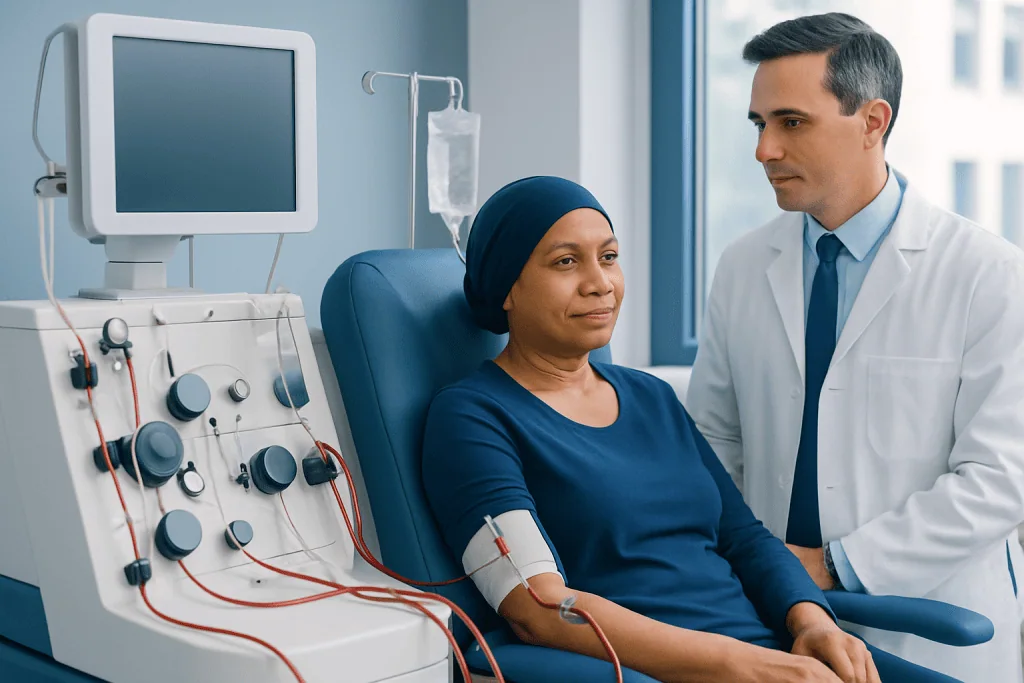
Stem cell mobilization and collection: The first stage is usually mobilization, when medicines encourage stem cells to move from the bone marrow into the bloodstream. Stem cells are collected through a process called apheresis, which separates and saves the needed cells while returning the rest of the blood components to the body. Collection may take one or more days, and the cells are frozen until transplant day.
Conditioning chemotherapy: After collection, patients receive high-dose chemotherapy. This treatment is designed to destroy as many remaining myeloma cells as possible, but it also temporarily suppresses normal bone marrow function. Depending on the treatment center and the person’s health, this phase may be delivered in hospital or with very close outpatient supervision.
Stem cell infusion and engraftment: The stored cells are thawed and infused through a central venous line, much like a blood transfusion. The infusion is generally brief. Over the following days, the cells settle in the bone marrow and begin producing new blood cells, a process called engraftment. During this period, patients need frequent blood tests, supportive medicines and careful monitoring.
The full process requires coordination among hematologists, oncologists, transplant nurses, pharmacists, laboratory teams, dietitians and supportive-care specialists. For international patients, Acibadem International’s multidisciplinary specialists and JCI-accredited hospitals can coordinate diagnosis and treatment for multiple myeloma.
Recovery Timeline and What to Expect
Recovery varies, but the first two to three weeks after high-dose chemotherapy are usually the most medically intensive. Blood counts fall before the transplanted cells begin working. Low white blood cell levels increase infection risk, low platelets can raise bleeding risk, and low red blood cells may contribute to tiredness or breathlessness. Transfusions, infection-prevention medicines, fluids and nutrition support may be used when needed.
Engraftment often begins within roughly two weeks, although timing differs between individuals. Once blood counts recover and side effects are manageable, patients can usually leave the hospital or reduce the frequency of clinic visits. Fatigue, changes in appetite, altered taste and reduced stamina may continue for weeks or months.
During the first few months, follow-up is frequent. The team checks blood counts, kidney function, myeloma markers and recovery from side effects. Patients may need to take precautions around infection exposure, follow food-safety guidance, avoid smoking, and discuss when it is safe to return to work, exercise, travel and social activities.
Maintenance therapy is commonly considered after recovery because it can help maintain remission for longer in appropriate patients. The precise schedule for monitoring and treatment depends on the person’s disease features, prior therapy, recovery and preferences.
Benefits, Risks and Possible Side Effects
The main potential benefit of autologous transplant is a deeper and often longer remission than might be achieved with initial treatment alone. It can reduce myeloma levels substantially and may delay the need for further treatment. However, multiple myeloma is generally considered a long-term condition that can return, so transplant is usually one component of continuing care rather than a one-time cure.
Common short-term effects of high-dose chemotherapy include fatigue, nausea, vomiting, diarrhea, mouth sores, appetite loss, hair loss and changes in taste. Supportive treatments can help control many symptoms. Infection is a particularly important concern while white blood cell counts are low, which is why fever or feeling suddenly unwell should be reported promptly.
Other possible complications include bleeding due to low platelets, anemia, dehydration, medication reactions, blood clots and, less commonly, organ-related complications. High-dose chemotherapy can also affect fertility and may carry a small long-term risk of treatment-related blood disorders. The transplant team reviews individual risks before treatment and provides a plan for prevention and early management.
People living with multiple myeloma may also need support for bone health, pain, kidney health and emotional wellbeing. These needs can be addressed alongside transplant care rather than separately.
When to Seek Medical Care
Anyone receiving transplant treatment should follow the contact instructions given by their transplant team. During low blood counts, a fever of 38°C (100.4°F) or higher can be a sign of infection and requires urgent medical advice. The same is true for chills, shortness of breath, chest pain, confusion, severe weakness, persistent vomiting or diarrhea, or an inability to drink enough fluids.
Patients should also contact the team promptly for unusual bleeding, new bruising, a rash, painful mouth sores that limit drinking, severe abdominal pain, a new cough, burning with urination or a central-line problem. It is safer to ask early than to wait for symptoms to worsen.
After discharge, new or returning bone pain, persistent fatigue, recurrent infections, unexplained weight loss or changes in laboratory results should be discussed at scheduled follow-up or sooner if advised. Regular follow-up is essential because myeloma monitoring continues even when a person feels well.
Frequently Asked Questions About Long-Term Outlook
What is life like after a stem cell transplant for multiple myeloma? Life after transplant gradually becomes more routine as blood counts and energy recover, but the pace differs from person to person. Many people resume daily activities over the following months, while continuing clinic visits, blood testing and often maintenance treatment. Fatigue may last longer than expected, and emotional adjustment is common, so practical and psychological support can be valuable.
What is the success rate of a myeloma stem cell transplant? There is no single success rate that applies to every patient. Doctors evaluate results using measures such as depth of response, time without disease progression, overall health and quality of life. Outcomes depend on myeloma biology, disease stage, response to induction therapy, kidney function, maintenance therapy and other individual factors; the treating team can explain what available evidence means for a specific situation.
What are the worst days after a stem cell transplant? For many patients, the most difficult period is often the days after high-dose chemotherapy and before engraftment, commonly around the first one to two weeks after stem cell infusion. At this time, blood counts are lowest and symptoms such as fatigue, mouth soreness, digestive upset and infection risk may be greatest. Close monitoring and supportive care are designed to help patients through this temporary phase.
How long does stem cell therapy last for multiple myeloma? The stem cell infusion is given on one day, while early marrow recovery usually develops over the following weeks. The remission achieved after transplant can last for varying lengths of time and is influenced by disease characteristics and subsequent maintenance treatment. Because myeloma may relapse, lifelong follow-up and an adaptable treatment plan remain important.
Frequently asked questions
Is a stem cell transplant a cure for multiple myeloma?
An autologous stem cell transplant is not usually considered a cure for multiple myeloma. It can deepen remission and extend disease control for many suitable patients. Ongoing monitoring and, often, maintenance therapy remain important after transplant.
Are donor stem cells used for multiple myeloma?
Most people with multiple myeloma receive their own stem cells in an autologous transplant. Donor, or allogeneic, transplant is used much less often because it has greater risks, including graft-versus-host disease. It may be considered only in selected circumstances at experienced transplant centers.
How long is a hospital stay for a myeloma stem cell transplant?
The length of stay differs according to the treatment approach, side effects, blood-count recovery and local care practices. Some patients remain in hospital through the low blood-count period, while others are treated largely as outpatients with frequent visits. The transplant team can provide a more individualized estimate.
Can multiple myeloma return after stem cell transplant?
Yes. Multiple myeloma can return after transplant, sometimes after a long remission. Regular blood tests and clinical follow-up help identify changes early, and several treatment options may be available if the disease relapses.
What should patients avoid after an autologous stem cell transplant?
Patients are commonly advised to reduce exposure to infections, follow food-safety advice and avoid smoking while immunity and strength recover. They should not start supplements, vaccines, travel plans or strenuous exercise without discussing them with the transplant team. Recommendations become less restrictive as recovery progresses.
When can a person return to work after a myeloma transplant?
Return-to-work timing depends on the type of work, energy levels, infection exposure, blood-count recovery and ongoing treatment. Some people return gradually after several months, while others need longer. A phased plan developed with the medical team and employer can be helpful.
References
- National Cancer Institute
- American Cancer Society
- International Myeloma Foundation
- European Society for Blood and Marrow Transplantation
- National Comprehensive Cancer Network
This article is for general information only and is not a substitute for professional medical advice. Please consult a qualified doctor about your individual situation.
Stem Cell Transplant in Turkey — costs, top hospitals & a free quote
JCI-accredited · board-certified surgeons · reply within 24h
Add us as a Preferred Source to see more of our trusted health content across Google Search, AI Overviews and Discover.

Organ Transplantation
Kidney, liver and bone-marrow transplantation programs with dedicated coordination.
5 specialists in this unit