Still Birth: What Patients Need to Know

Stillbirth is usually defined by gestational age or birth weight, and the exact definition differs between health systems. A noticeable reduction or change in fetal movements should be assessed urgently, even if movements return.
Key Takeaways
- Stillbirth is usually defined by gestational age or birth weight, and the exact definition differs between health systems.
- A noticeable reduction or change in fetal movements should be assessed urgently, even if movements return.
- Placental problems, pregnancy complications, infections and genetic conditions can contribute, but a cause is not always found.
- Evaluation after stillbirth may include examination of the placenta, blood tests, genetic testing and, when chosen, postmortem examination.
- Most people can have a healthy pregnancy after stillbirth, although care in a future pregnancy may need closer monitoring.
Still birth meaning refers to the death of a baby in the uterus after a particular stage of pregnancy, before or during birth. Definitions vary by country and gestational age, but stillbirth is a deeply distressing pregnancy loss that requires compassionate medical care and support.
Overview: What Does Still Birth Mean?
Still birth meaning is the death of a baby in the uterus after a defined point in pregnancy, before or during delivery. The medical term is usually written as stillbirth. The gestational age used to define it differs between countries and health systems; in some settings it is 20 weeks of pregnancy, while international reporting definitions may use a later threshold.
Stillbirth is different from miscarriage, which generally describes pregnancy loss earlier in pregnancy. It is also different from neonatal death, when a baby dies after being born alive. These terms can feel clinical, but they may be used by healthcare professionals when explaining records, investigations and future pregnancy care.
Experiencing stillbirth can bring shock, grief, numbness, guilt, anger or many changing emotions. None of these responses is wrong. In most cases, the loss is not caused by something a pregnant person did or did not do, and families deserve clear information, respectful care and time to make decisions that feel right for them.
Possible Signs and Why Fetal Movements Matter
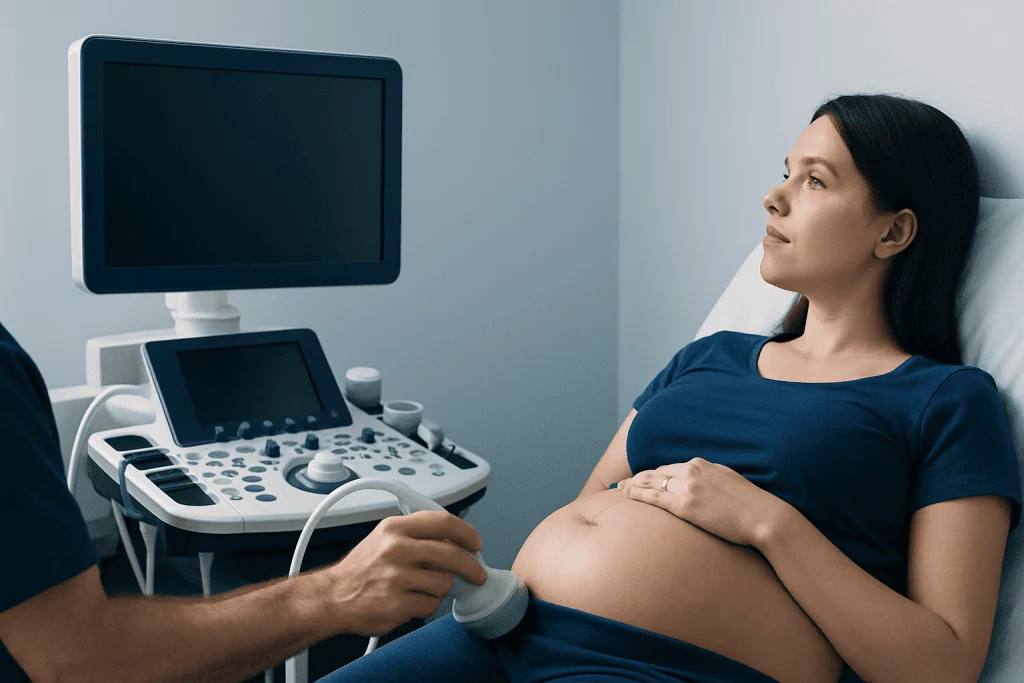
Sometimes there are no warning signs before stillbirth. In other situations, a person may notice that their baby is moving less than usual, has stopped moving, or has a movement pattern that feels clearly different. Each baby has its own pattern, so the most important point is a meaningful change from what is normal for that pregnancy.
Reduced fetal movements do not always mean that there is a serious problem. Babies have periods of rest, and movement can feel different as pregnancy progresses. However, it is important not to wait until the next day, sleep on it, or rely on home doppler devices for reassurance if movements are reduced or changed. A maternity unit, obstetrician or midwife can assess the baby’s wellbeing appropriately.
Other symptoms that need prompt assessment include vaginal bleeding, fluid leaking from the vagina, regular painful contractions before term, severe or persistent abdominal pain, severe headache, visual changes, sudden swelling of the face or hands, or feeling very unwell. These symptoms can be linked with complications that need urgent maternity care, although they do not necessarily indicate stillbirth.
Causes and Factors That May Increase Risk

Stillbirth can result from several conditions, often involving the placenta, the baby, the umbilical cord or the pregnant person’s health. The placenta provides oxygen and nutrients to the developing baby. Problems with how it develops or functions are among the most commonly identified contributors to stillbirth.
Other possible causes or contributing factors include fetal growth restriction, certain birth defects or genetic conditions, infections, bleeding related to placental complications, and some umbilical cord problems. Maternal medical conditions, such as high blood pressure disorders in pregnancy, diabetes, autoimmune disease, kidney disease or blood-clotting disorders, may also increase risk in some circumstances.
Factors such as smoking, exposure to certain drugs, severe obesity, older maternal age, multiple pregnancy and a previous stillbirth can be associated with a higher risk. An association does not mean a loss will occur, and many people with one or more risk factors have healthy pregnancies. Conversely, stillbirth can occur in pregnancies with no known risk factors.
Even after careful investigation, healthcare professionals may not be able to identify a definite cause. An unexplained result does not mean that care was inadequate or that the family is to blame. It means that available tests could not establish one clear explanation.
How Stillbirth Is Diagnosed and Investigated
If a pregnant person reports absent or reduced movements, clinicians will ask about symptoms and assess the pregnancy without delay. Depending on gestational age and local practice, this may include listening for the fetal heartbeat and performing an ultrasound scan. Ultrasound is used to confirm whether there is cardiac activity and to assess the pregnancy accurately.
When stillbirth is confirmed, the healthcare team will explain what is happening, answer immediate questions and discuss safe options for delivery. Families should be offered privacy, emotional support and enough time to consider choices whenever the medical situation allows. A support person, interpreter, spiritual care provider or mental health professional may also be involved if wanted.
Investigations may help clarify why the loss occurred and guide future care. These can include examination of the placenta and umbilical cord, blood tests for the mother, testing for infection when indicated, and genetic testing. A postmortem examination of the baby may be offered, but it is a personal decision; clinicians should explain its purpose, limitations and alternatives sensitively.
Results can take time because placental and laboratory assessments are detailed. A follow-up appointment is important to review findings, discuss what remains uncertain, and create a plan for physical recovery, emotional support and any future pregnancy.
Care After Diagnosis and Physical Recovery
After a diagnosis of stillbirth, delivery is usually recommended. The timing and method depend on gestational age, the pregnant person’s health, previous uterine surgery, whether there are signs of infection or bleeding, and personal preferences. Labour may be induced with medication, and vaginal birth is commonly the safest option for many people; caesarean birth is reserved for specific medical reasons.
Comfort care should include options for pain relief, support during labour and clear explanations at every stage. Families may choose to see or hold their baby, take photographs, create handprints or footprints, arrange naming or blessing ceremonies, or decline any of these options. There is no single right way to say goodbye, and choices should be respected.
After delivery, bleeding and cramping are common for a period of time, and breast milk may come in. Healthcare professionals can advise on managing discomfort and milk production. Urgent medical advice is needed for heavy bleeding, fever, worsening pain, foul-smelling discharge, chest pain, shortness of breath, or thoughts of self-harm.
Grief does not follow a timetable. Bereavement counselling, pregnancy-loss support groups and mental health care can help individuals and families, including partners and other children. Acibadem International’s multidisciplinary specialists and JCI-accredited hospitals can provide diagnostic and supportive care for international patients affected by pregnancy loss.
Reducing Risk and Planning a Future Pregnancy
Not every stillbirth can be prevented, and prevention advice should never imply blame. Helpful steps before and during pregnancy include attending recommended antenatal visits, managing long-term medical conditions, avoiding smoking and recreational drugs, limiting alcohol as advised by clinicians, and discussing all medicines and supplements with a qualified healthcare professional.
In later pregnancy, sleeping on the side rather than flat on the back may be recommended, particularly after 28 weeks, as part of general pregnancy guidance. Regular attention to the baby’s usual movement pattern is also valuable. Any concern about reduced or altered movements should lead to same-day contact with maternity services rather than attempts to stimulate movement at home.
Before trying to conceive again, many families benefit from a pre-pregnancy consultation. The clinician can review investigation results, optimize conditions such as diabetes or high blood pressure, discuss appropriate timing, and consider whether specialist input is needed. Depending on the circumstances, a later pregnancy may include additional growth scans, blood pressure checks or fetal monitoring.
A previous stillbirth can make a subsequent pregnancy emotionally demanding, even when medical assessments are reassuring. A care plan that includes mental health and bereavement support, as well as obstetric monitoring, can help families feel informed and supported throughout pregnancy.
When to Seek Medical Care
Pregnant people should contact their maternity unit, midwife or obstetrician immediately if the baby is moving less than usual, movements have stopped, or the movement pattern has changed significantly. This should be treated as urgent at any time of day. It is safer to be assessed and reassured than to wait for a routine appointment.
Urgent assessment is also needed for vaginal bleeding, fluid leakage, severe or ongoing abdominal pain, regular contractions before term, fever, severe headache, vision changes, sudden marked swelling, seizures, chest pain or difficulty breathing. After a stillbirth, urgent help is equally important for heavy bleeding, signs of infection, severe emotional distress or any thoughts of harming oneself. Emergency services or local crisis support should be contacted immediately when there is an immediate safety concern.
Frequently asked questions
Is stillbirth one word or two words?
The standard medical spelling is usually “stillbirth,” written as one word. Some people search for or use “still birth,” and both refer to the same type of pregnancy loss. Healthcare teams may use the term alongside the gestational-age definition used in their country.
What is the most common cause of stillbirth?
Placental problems are among the most commonly identified contributors to stillbirth. However, several other conditions may be involved, including fetal growth restriction, genetic conditions, infection and maternal health complications. In some cases, no definite cause is found despite thorough testing.
Can reduced movement always mean stillbirth?
No. Reduced movement can occur for reasons that are not dangerous, but it can also be an important sign that the baby needs assessment. A person should contact maternity care immediately if movements are less than usual or have changed noticeably. They should not wait for movements to return before seeking advice.
Can a person get pregnant after a stillbirth?
Yes, many people become pregnant again and go on to have a healthy baby after stillbirth. The chance of recurrence depends partly on whether a cause was identified and on individual health factors. A pre-pregnancy appointment can help create a personalized monitoring and support plan.
How long does physical recovery take after stillbirth?
Physical recovery varies with gestational age, method of delivery and individual health. Bleeding, cramping, fatigue and breast changes can occur in the weeks after delivery, while emotional recovery may take much longer and is different for every person. Follow-up care is important for both physical symptoms and grief support.
Should families agree to testing after a stillbirth?
Testing is optional in many situations, and families should receive clear information before deciding. Examination of the placenta, genetic testing and maternal blood tests may provide useful answers, while postmortem examination can offer additional information for some families. A clinician can explain what each test may and may not reveal.
This article is for general information only and is not a substitute for professional medical advice. Please consult a qualified doctor about your individual situation.
Explore treatments in Turkey — costs, top hospitals & a free quote
JCI-accredited · board-certified surgeons · reply within 24h
Add us as a Preferred Source to see more of our trusted health content across Google Search, AI Overviews and Discover.
Check your numbers in seconds
BMI, calories, due date, blood pressure and 30+ more clinical calculators — free, instant, doctor-reviewed ranges.

More from the Health Library

Porcelain Gallbladder: An Evidence-Based Guide for Patients

Perioperative: An Evidence-Based Guide for Patients

Nursemaid’s Elbow: A Complete Medical Overview

Quince pronounce: A Complete Medical Guide for Patients

Ube Sweet Potato: What Patients Need to Know

Parasitism: What Patients Need to Know
Gynecology & Obstetrics Specialists at Acibadem

Prof. Dr. Çetin Kılıççı
Gynecology & Obstetrics
Assoc. Prof. Dr. Cevat Rıfat Cündübey
Gynecology & Obstetrics
Dr. Cevdet Hekimoğlu
Gynecology & Obstetrics
Dr. Ceyda Perçinoğlu
Gynecology & Obstetrics