Stomach Emptying Procedure: An Evidence-Based Patient Guide
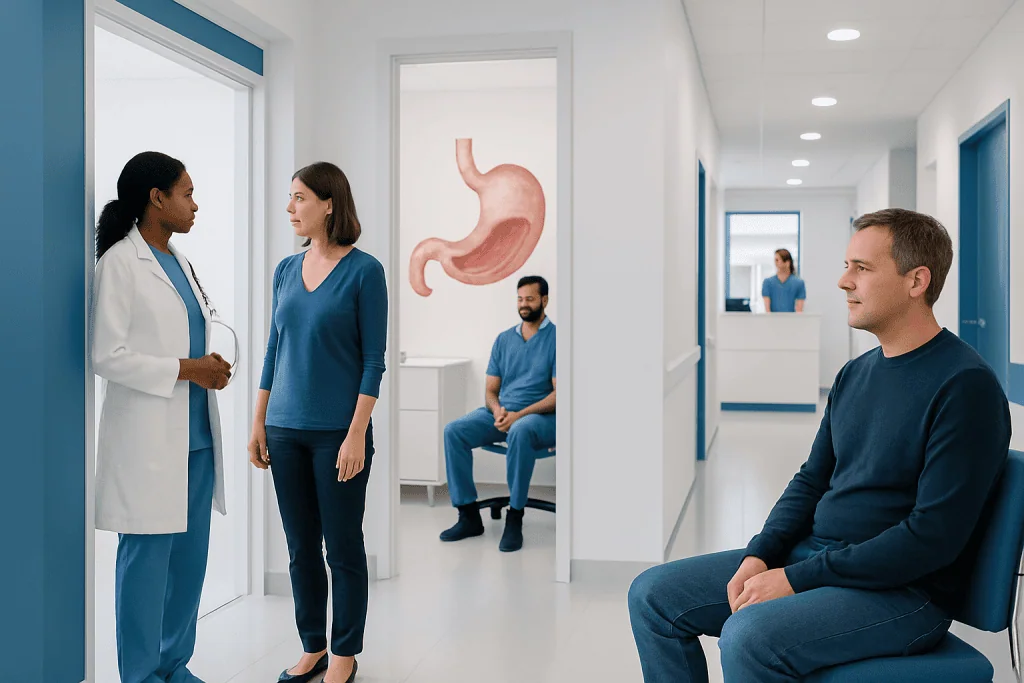
A gastric emptying study is the most commonly used stomach emptying procedure for assessing delayed stomach emptying. Preparation matters: certain medicines, smoking, food, and uncontrolled blood glucose can affect results.
Key Takeaways
- A gastric emptying study is the most commonly used stomach emptying procedure for assessing delayed stomach emptying.
- Preparation matters: certain medicines, smoking, food, and uncontrolled blood glucose can affect results.
- The test usually involves eating a small labeled meal and having images taken over several hours.
- Most people can return to normal activities after the study, although the care team may provide individual instructions.
- Treatment for delayed stomach emptying depends on the cause, symptom severity, nutrition, and test results.
A stomach emptying procedure, most often called a gastric emptying study, is a noninvasive test that measures how quickly a small meal moves from the stomach into the small intestine. It is commonly used when symptoms such as nausea, vomiting, early fullness, bloating, or abdominal discomfort raise concern about delayed stomach emptying, also known as gastroparesis.
Overview: what is a stomach emptying procedure?
A stomach emptying procedure usually refers to a gastric emptying study, also called gastric emptying scintigraphy. This diagnostic test shows how efficiently the stomach moves food into the small intestine. It does not involve surgery: the person eats a small meal containing a tiny, safe amount of radioactive tracer, and a special camera tracks the meal as it leaves the stomach.
The test is often requested when a person has symptoms that may be linked to slow stomach emptying, including persistent nausea, vomiting, feeling full after only a few bites, upper abdominal bloating, discomfort after meals, or unexplained weight changes. It can help clinicians assess possible gastroparesis, a condition in which the stomach empties more slowly than expected without a physical blockage.
Not every digestive symptom requires a stomach emptying test procedure. A clinician may first consider medical history, examination, blood tests, and tests to rule out ulcers, narrowing, or other causes of symptoms. The gastric emptying study is most useful when the question is specifically whether stomach movement is delayed or unusually rapid.
How the test works and who may need it
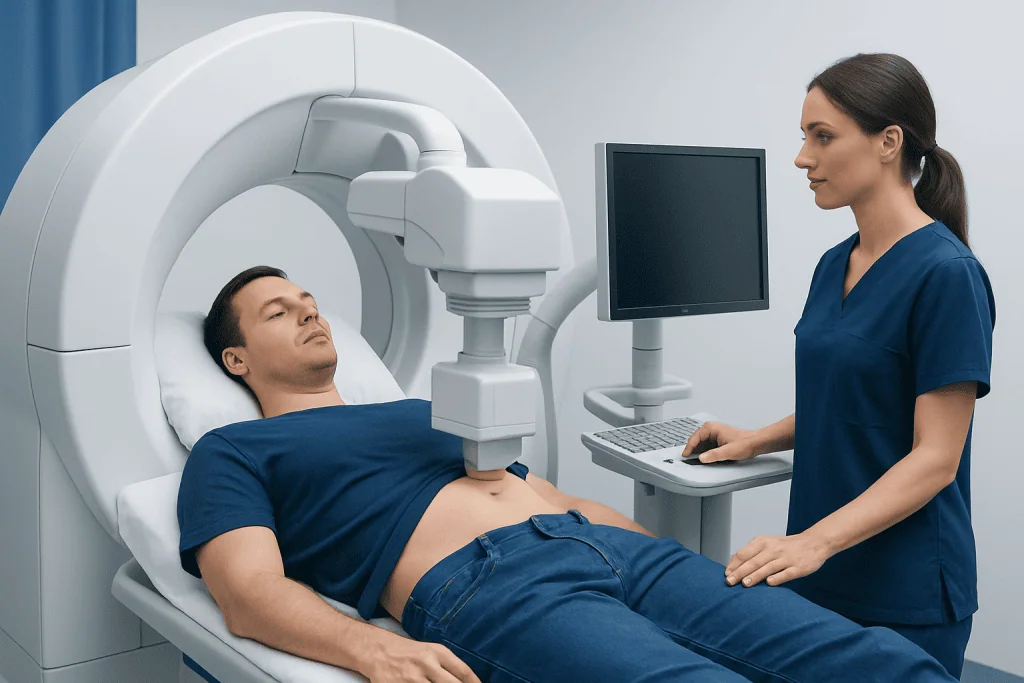
Normal stomach emptying depends on coordinated stomach muscle contractions, nerve signals, hormones, and the type of food eaten. A gastric emptying study measures the proportion of the standard test meal that remains in the stomach at planned time points. Results are interpreted using the testing center’s validated protocol and the person’s clinical history.
Clinicians may consider the test for people with symptoms suggestive of delayed emptying, particularly when symptoms continue despite initial evaluation. Diabetes is a common risk factor because long-term high blood glucose can affect nerves that regulate digestion. Other possible contributors include prior surgery involving the upper digestive tract, certain medicines, neurological conditions, thyroid disorders, and some connective-tissue diseases. In some people, no clear cause is identified.
The test may also be used in selected cases where rapid stomach emptying is suspected. For example, some people develop cramping, diarrhea, light-headedness, flushing, or palpitations after meals, particularly after certain stomach surgeries. The study should always be ordered and interpreted by a clinician familiar with the person’s symptoms, medicines, and health conditions.
Stomach emptying study prep: what to avoid before a gastric emptying study
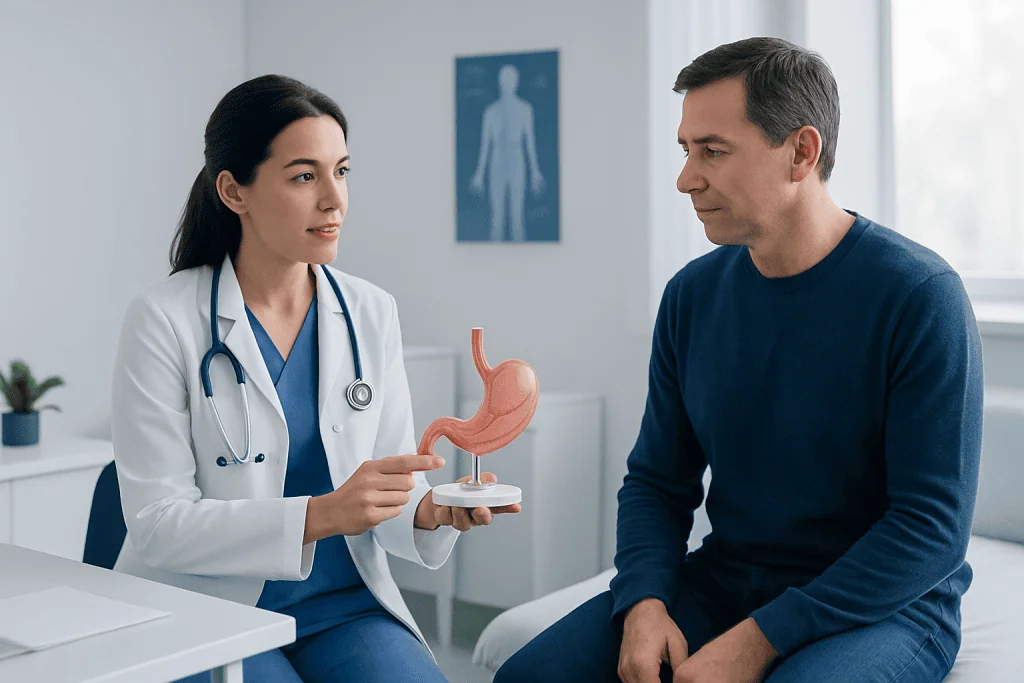
Good stomach emptying study prep is important because many everyday factors can temporarily change stomach movement. The imaging department will give exact instructions, which should take priority because protocols vary. In many centers, patients are asked not to eat or drink for several hours before the appointment, often from midnight for a morning test.
What to avoid before a gastric emptying study? People are commonly asked to avoid smoking and nicotine products on the day of testing, as these can affect stomach function. Alcohol may also need to be avoided beforehand. Medicines that speed up or slow down stomach emptying may need to be paused for a specified period, but they should never be stopped without instructions from the prescribing clinician. These can include some anti-nausea medicines, opioid pain medicines, anticholinergic medicines, and diabetes medicines.
People with diabetes should ask in advance for specific guidance about insulin, other glucose-lowering medicines, fasting, and blood glucose checks. Markedly high or low blood glucose can influence gastric emptying and may lead to a postponed or less reliable test. Patients should also tell the team if they are pregnant, may be pregnant, breastfeeding, have food allergies, or cannot eat components of the standard meal. An alternative meal may sometimes be available.
- Follow the fasting instructions exactly.
- Bring an updated list of medicines and supplements.
- Ask before withholding any prescribed medicine.
- Wear comfortable clothing and plan to be at the imaging department for several hours.
What happens during the stomach emptying test procedure?
At the appointment, the imaging team reviews preparation, relevant medical history, and pregnancy status where appropriate. The person eats a small standardized meal containing the tracer. The meal is often based on egg or another protein-containing food, along with simple accompanying items, but the exact meal depends on the local protocol. It is important to eat the meal within the requested time when possible, because the result relies on a known starting point.
After the meal, the person stands or sits near a gamma camera while images of the abdomen are taken. The camera does not squeeze the body and does not feel like an MRI. Images are typically obtained shortly after eating and again at scheduled intervals, often continuing for up to four hours. There is usually no sedation, injection, or recovery room required.
Can I use the bathroom during a gastric emptying study? In most cases, yes. Staff can tell the person when it is appropriate to use the bathroom between images and whether any special instructions apply. It is important to return on time for each scheduled scan, so patients should let a technologist know before leaving the imaging area.
What happens if you vomit during a gastric emptying study? The person should notify staff immediately. Vomiting can affect how accurately the test reflects stomach emptying because part or all of the labeled meal may no longer be in the stomach. Depending on when and how much vomiting occurs, the team may document the event, continue with modified interpretation, or recommend repeating or rescheduling the study.
Results, benefits, limitations, and possible risks
A radiologist or nuclear medicine physician analyzes the images, and the requesting clinician discusses the findings in context. Delayed emptying can support a diagnosis of gastroparesis when symptoms are compatible and an obstruction has been excluded. A normal result does not mean symptoms are unimportant; digestive symptoms can have several causes, and stomach emptying can sometimes vary over time.
The main benefit of the stomach emptying procedure is that it provides an objective measure of stomach function. This can help avoid assumptions based on symptoms alone and can guide further investigations, nutrition planning, and treatment decisions. It may also identify rapid emptying in selected situations.
The radiation exposure from the tracer is generally low and is similar in purpose to other routine nuclear medicine diagnostic tests. The tracer leaves the body naturally. The test is generally well tolerated, though some people may find fasting, eating the test meal, or waiting between scans uncomfortable if they already have nausea. Allergic reactions are very uncommon because the tracer is used in a small amount; however, food allergies to the meal ingredients must be discussed beforehand.
Results can be influenced by incomplete meal intake, vomiting, uncontrolled blood glucose, smoking, medications, or deviations from the scheduled imaging times. This is why careful stomach emptying test preparation and open communication with the care team are essential.
If delayed stomach emptying is found: treatment and day-to-day support
Management is individualized. It focuses on relieving symptoms, maintaining hydration and nutrition, addressing the underlying cause where possible, and reducing complications. For people with diabetes, improving glucose management can be an important part of care. A clinician may also review medicines that can slow stomach emptying and discuss whether safe alternatives are available.
Dietary changes are often recommended first. Many people tolerate smaller, more frequent meals better than large meals. A dietitian may suggest adjustments to fat and fiber intake, food texture, and fluids according to symptoms and nutritional needs. These changes should be personalized rather than restrictive by default, especially for anyone losing weight, vomiting often, or living with diabetes.
What helps gastroparesis immediately? There is no single immediate remedy that is safe and effective for everyone. During a mild flare, taking small sips of clear fluids, choosing foods previously recommended by a clinician, and avoiding large, high-fat meals may be helpful for some people. Repeated vomiting, inability to keep fluids down, severe pain, or signs of dehydration require prompt medical advice rather than home treatment alone.
Depending on the findings, treatment may include prescribed anti-nausea medicine, medicines designed to improve stomach movement, nutrition support, or procedures for carefully selected patients with persistent symptoms. Some people may be assessed for gastric electrical stimulation or other advanced therapies after specialist evaluation. Acibadem International’s multidisciplinary specialists and JCI-accredited hospitals support diagnosis and treatment planning for international patients with complex digestive symptoms.
Recovery timeline and when to seek medical care
There is usually no significant recovery period after a gastric emptying study. Once the final image is complete, most people can eat, drink, drive, work, and resume usual activities unless their care team has given different instructions. Drinking fluids after the study may be encouraged to support normal clearance of the tracer.
Results are not always provided immediately because the images need formal analysis. The ordering clinician will explain whether the stomach emptied within the expected range and what the result means for next steps. If the result suggests delayed emptying, follow-up may involve gastroenterology, nutrition, diabetes care, or other specialties based on the likely cause.
When to seek medical care A person should contact a clinician promptly for ongoing vomiting, trouble keeping fluids down, worsening abdominal swelling or pain, dizziness, fainting, reduced urination, or unintentional weight loss. Urgent assessment is appropriate for severe or sudden abdominal pain, vomiting blood, black stools, fever with significant abdominal symptoms, confusion, or symptoms of severe dehydration. These symptoms can have causes beyond delayed stomach emptying and should not be managed by self-care alone.
Frequently asked questions
How long does a stomach emptying procedure take?
A standard gastric emptying study often lasts up to four hours because images are taken at several points after the test meal. The exact duration depends on the center’s protocol and whether the person can complete the meal. Patients should plan for additional check-in and preparation time.
Is a gastric emptying study painful?
The study is usually not painful. It typically involves eating a small meal and standing or sitting briefly for imaging at scheduled intervals. People who already have nausea or abdominal discomfort may find the meal or fasting period unpleasant, but sedation and surgery are not usually involved.
Can medications affect a stomach emptying test?
Yes. Some medicines can slow or speed stomach emptying and may change the result. The ordering clinician or imaging department will explain which medicines to take, adjust, or temporarily pause; prescribed medicines should not be stopped independently.
Can I drink water before a gastric emptying study?
Instructions vary by testing center, but many people are asked to avoid food and drinks for a specified period before the test. Small amounts of water may sometimes be permitted for essential medicines. The imaging department’s instructions should be followed exactly.
What does delayed stomach emptying mean?
Delayed stomach emptying means food remains in the stomach longer than expected after a meal. When compatible symptoms are present and a blockage has been excluded, it may support a diagnosis of gastroparesis. The result needs to be assessed alongside medical history, blood glucose, medicines, and other tests.
What should I eat after a gastric emptying study?
Most people can return to their usual diet after the final scan unless they are given different instructions. If nausea is present, smaller portions and fluids may be easier to tolerate. Anyone following a special diet for diabetes, gastroparesis, or another condition should continue the plan agreed with their care team.
References
- National Institute of Diabetes and Digestive and Kidney Diseases
- American College of Gastroenterology
- Society of Nuclear Medicine and Molecular Imaging
- Mayo Clinic
- National Health Service
This article is for general information only and is not a substitute for professional medical advice. Please consult a qualified doctor about your individual situation.
Persistent digestive symptoms? Get evaluated in Turkey
JCI-accredited · board-certified surgeons · reply within 24h
Add us as a Preferred Source to see more of our trusted health content across Google Search, AI Overviews and Discover.