Stool Transfer Therapy: How It Works, Results and What to Expect

Stool transfer therapy is primarily used to prevent further episodes of recurrent C. difficile infection. Donor material is rigorously screened, processed and administered by trained clinical teams.
Key Takeaways
- Stool transfer therapy is primarily used to prevent further episodes of recurrent C. difficile infection.
- Donor material is rigorously screened, processed and administered by trained clinical teams.
- Treatment can be delivered by colonoscopy, capsules, enema or through an upper digestive route, depending on the individual situation.
- Most people resume usual light activities quickly, but follow-up is important because C. difficile can recur.
- Temporary digestive symptoms are possible, while infection transmission and procedure-related complications are uncommon but important risks.
Stool transfer therapy, also called fecal microbiota transplantation (FMT), transfers carefully screened stool from a healthy donor into a patient’s digestive tract to help restore a balanced gut microbiome. It is most established for recurrent Clostridioides difficile (C. difficile) infection and is performed under specialist medical supervision.
Overview: What Is Stool Transfer Therapy?
Stool transfer therapy is a treatment designed to restore a healthier balance of microorganisms in the intestine. It is also known as fecal microbiota transplantation, fecal microbiota transfer or FMT. The treatment uses stool from a carefully screened healthy donor, which is processed in a controlled clinical setting and introduced into the recipient’s digestive tract.
The gut normally contains a diverse community of bacteria, viruses and fungi, collectively called the gut microbiome. Antibiotics, illness and other factors can disrupt this community. In particular, repeated antibiotic treatment can make it difficult for the gut to resist Clostridioides difficile, often shortened to C. difficile, a bacterium that can cause persistent or recurring diarrhea and colitis.
Stool transfer therapy is most strongly supported for recurrent C. difficile infection after appropriate antibiotic treatment has not prevented further episodes. Research is continuing into its role in other digestive and immune-related conditions, but it is not a routine or proven treatment for most of these uses. A gastroenterologist can explain whether it is appropriate for an individual’s diagnosis and medical history.
How Stool Transfer Therapy Works
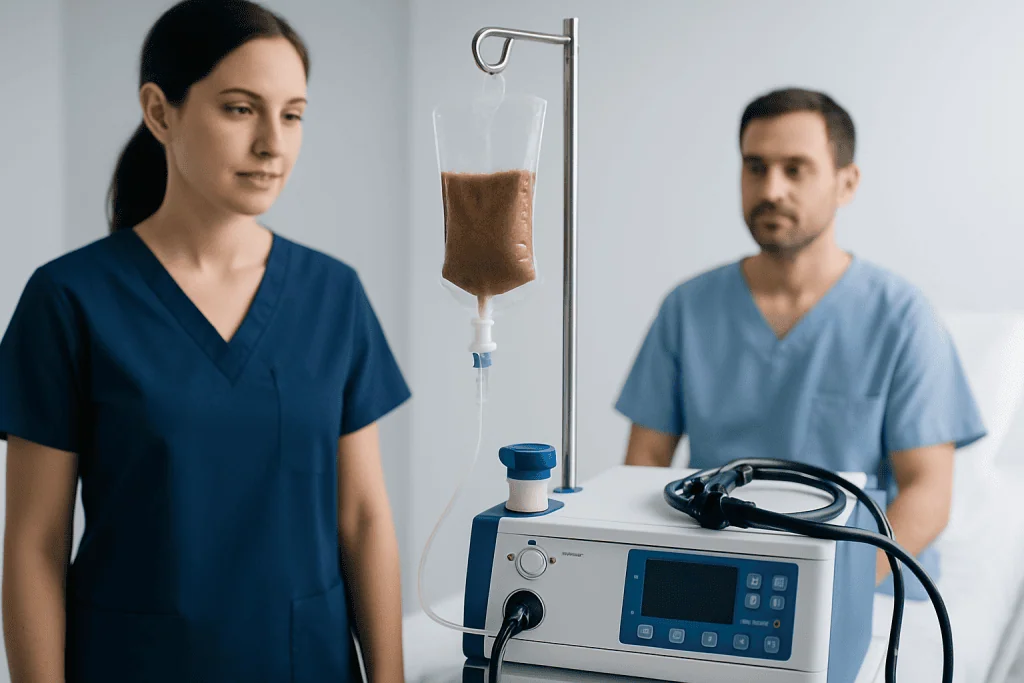
In recurrent C. difficile infection, antibiotics may clear the infection temporarily but can also reduce helpful bacteria that normally limit C. difficile growth. This can create a cycle in which symptoms return after treatment ends. Stool transfer therapy aims to interrupt that cycle by introducing a broad, healthy community of intestinal microorganisms.
After the donor material is placed in the digestive tract, the transferred microorganisms may help rebuild microbial diversity and make the intestinal environment less favorable for C. difficile. The goal is not simply to treat diarrhea in the short term; it is to lower the likelihood of another C. difficile episode after treatment.
This is a medically managed microbiome treatment, not a home remedy. Unscreened or self-administered stool products can transmit infections or other health risks. The donor-selection, laboratory processing and administration method are important parts of making treatment as safe as possible.
Who May Be a Candidate?

Stool transfer therapy is generally considered for adults with recurrent C. difficile infection, especially when the infection has returned after recommended antibiotic courses. Candidates are assessed by a gastroenterologist or infectious diseases specialist, who will confirm the diagnosis and review previous treatments, current symptoms and possible alternative causes of diarrhea.
The assessment may include stool testing for C. difficile, blood tests when clinically needed and a review of medications such as antibiotics, acid-suppressing medicines and immune-suppressing treatments. Doctors also consider age, pregnancy status, digestive tract anatomy, immune function and any serious underlying illnesses when balancing likely benefits and risks.
Not every positive C. difficile test means a person needs stool transfer therapy. Some people can carry the bacteria without active infection, so doctors interpret results alongside symptoms such as new, unexplained frequent watery diarrhea. Treatment decisions should be individualized and based on current clinical guidance.
- Recurrent, confirmed C. difficile infection is the main established indication.
- Active severe illness may require urgent evaluation and treatment before or alongside microbiome-based therapy.
- People with significant immune suppression or complex medical conditions may need additional precautions.
- Experimental uses outside recurrent C. difficile infection should be discussed carefully with a qualified specialist.
What Happens During the Procedure?
Before treatment, the clinical team confirms eligibility and discusses the delivery method. Donor stool may come from a known donor who has passed strict screening or from a regulated stool bank where available. Screening commonly includes a detailed health questionnaire and laboratory testing for potentially transmissible infections and other risk factors.
The material is processed under controlled conditions and prepared as a liquid suspension or as capsules. Depending on the treatment plan, it may be administered during colonoscopy, through an enema, via a tube placed into the upper digestive tract, or by swallowing capsules. Colonoscopic delivery allows the clinician to examine the colon when that is clinically appropriate, while capsules avoid an endoscopic procedure for some patients.
Preparation varies by route. A person having colonoscopy may need a bowel-cleansing preparation and temporary dietary changes. The prescribing team may also give specific instructions about when to stop C. difficile antibiotics before treatment. It is important to follow these instructions closely and to report all medicines, allergies and medical conditions before the procedure.
For patients needing coordinated digestive care, fecal microbiota transplantation may be planned with a specialist team after a full clinical review. Acibadem International’s multidisciplinary specialists and JCI-accredited hospitals support diagnosis and treatment planning for international patients.
Do They Put You to Sleep for a Fecal Transplant?
Whether a person is put to sleep depends on how stool transfer therapy is delivered. If the material is administered during a colonoscopy, sedation or anesthesia is commonly used so the patient is comfortable and does not remember much of the procedure. The anesthesia team will review medical history and explain the planned level of sedation beforehand.
Capsule-based treatment does not usually require sedation. Enema-based administration also typically does not require anesthesia, although the care team will explain what sensations to expect. Upper digestive delivery may involve sedation depending on the technique used and the patient’s needs.
After sedation, a patient needs someone to take them home and should avoid driving, alcohol, important decisions and operating machinery for the period advised by the medical team. The clinician will provide route-specific instructions before discharge.
Recovery Timeline, Benefits and Expected Results
Recovery after stool transfer therapy is often straightforward, although it depends on the delivery method and the person’s underlying health. Following colonoscopy, mild bloating, gas or cramping can occur for a short time. Patients who receive sedation generally go home the same day with a responsible adult and rest for the remainder of the day.
Diarrhea may begin to improve over the following days, but the timing is variable. The care team may arrange follow-up to assess symptoms and decide whether further testing is needed. Patients should avoid taking antibiotics unless they are medically necessary, because antibiotics can again disrupt the gut microbiome and increase the chance of C. difficile returning.
The main potential benefit is a reduced risk of another C. difficile episode. Stool transfer therapy does not replace careful infection assessment, hydration, nutrition and appropriate use of antibiotics. People should continue any prescribed treatment plan and contact their clinician if symptoms return.
What is the success rate of stool transplants? For recurrent C. difficile infection, stool transfer therapy has shown high success in clinical studies, often preventing further recurrence in many patients after one or more treatments. Results differ between studies because of differences in patient health, number of previous infections, donor screening, treatment route and how success is measured. A specialist can provide the most relevant estimate based on an individual’s circumstances.
Can you get C. diff again after a fecal transplant? Yes. Although treatment can substantially reduce recurrence risk, C. difficile can return after a fecal transplant. A future antibiotic course, hospitalization, advanced age, impaired immunity and serious medical conditions may increase recurrence risk. New watery diarrhea after treatment should be reported promptly rather than managed with over-the-counter antidiarrheal medicines alone.
Side Effects, Risks and When to Seek Medical Care
What are the side effects of a fecal transplant? Temporary digestive symptoms are the most common effects and can include abdominal bloating, gas, mild cramps, nausea, constipation or loose stools. When colonoscopy is used, there are also small risks associated with the procedure and sedation, such as bleeding, perforation or a reaction to sedative medication.
Because donor material contains living microorganisms, there is a potential risk of transmitting an infection or other unwanted organisms despite careful screening. This is why stool transfer therapy should only be performed through an appropriately regulated medical program using robust donor-screening and handling procedures. People with weakened immune systems need especially careful individualized assessment.
When to seek medical care: Patients should contact their treating team urgently for fever, worsening or severe abdominal pain, persistent vomiting, blood in the stool, dizziness, signs of dehydration, a swollen abdomen, or frequent watery diarrhea that returns or worsens. Emergency assessment is appropriate for severe weakness, fainting, confusion or symptoms that rapidly become more intense.
After recovery, practical self-care includes drinking enough fluids, following the care team’s dietary advice and attending follow-up appointments. Good hand hygiene, particularly after using the toilet and before preparing food, helps reduce the spread of C. difficile. Antibiotics should be used only when prescribed and should never be stopped without medical advice.
Frequently asked questions
What is stool transfer therapy used for?
Stool transfer therapy is mainly used to prevent repeated episodes of C. difficile infection after appropriate antibiotic treatment has not stopped the infection from returning. It may be studied for other health conditions, but those uses are not routinely established. A gastroenterology specialist can determine whether it is suitable.
How is stool transfer therapy given?
The therapy can be given through colonoscopy, an enema, capsules or, less commonly, an upper digestive route. The best method depends on the patient’s health, treatment availability and clinical preferences. Each method has different preparation and recovery instructions.
What is the success rate of stool transplants?
For recurrent C. difficile infection, studies generally show that many patients avoid another recurrence after stool transfer therapy. No single percentage applies to everyone because outcomes vary by treatment method, medical history and the number of previous infections. Some people need additional treatment if symptoms return.
Can you get C. diff again after a fecal transplant?
Yes, recurrence remains possible after a fecal transplant, although the treatment is intended to lower this risk. Taking antibiotics later for another infection may increase the chance of recurrence. Anyone who develops new frequent watery diarrhea should contact their clinician promptly.
Do they put you to sleep for a fecal transplant?
Sedation is commonly used when the treatment is delivered by colonoscopy. Capsule and enema approaches usually do not require sedation. The care team will explain the anesthesia plan, fasting instructions and aftercare before the procedure.
What are the side effects of a fecal transplant?
Mild bloating, gas, cramps, nausea and temporary changes in bowel movements can occur. Risks also depend on the delivery method; colonoscopy and sedation have their own uncommon complications. Thorough donor screening is essential because there is a small risk of transmitting infections or other organisms.
References
- U.S. Food and Drug Administration
- Centers for Disease Control and Prevention
- American Gastroenterological Association
- Infectious Diseases Society of America
- National Institute of Diabetes and Digestive and Kidney Diseases
This article is for general information only and is not a substitute for professional medical advice. Please consult a qualified doctor about your individual situation.
Persistent digestive symptoms? Get evaluated in Turkey
JCI-accredited · board-certified surgeons · reply within 24h
Add us as a Preferred Source to see more of our trusted health content across Google Search, AI Overviews and Discover.