

Stress and Tension Headaches: Causes, Relief, and Prevention

Stress and tension headaches often feel like a tight band or pressure around the head. Common triggers include stress, poor sleep, muscle tension, dehydration, and long periods of screen use.
Key Takeaways
- Stress and tension headaches often feel like a tight band or pressure around the head.
- Common triggers include stress, poor sleep, muscle tension, dehydration, and long periods of screen use.
- Most tension headaches are not dangerous, but new, severe, or unusual headaches should be assessed by a doctor.
- Relief may come from rest, hydration, stress reduction, posture improvement, and appropriate medication use.
- Frequent headaches may benefit from preventive strategies and a personalized medical plan.
Stress and tension headaches are among the most common types of headaches. They often cause a steady, tightening pain on both sides of the head and can usually be managed with lifestyle measures, simple treatments, and medical guidance when needed.
Overview of Stress and Tension Headaches
Stress and tension headaches, often called tension-type headaches, are very common. They are usually linked to physical or emotional strain rather than a serious disease. Many people describe them as a dull, aching pain or a feeling of tightness across the forehead, temples, or back of the head.
Unlike migraine, tension headaches do not usually cause strong throbbing pain, severe nausea, or major sensitivity to light and sound. The discomfort is often mild to moderate, but it can still affect concentration, work, sleep, and overall quality of life. Some people have occasional attacks, while others have headaches more often or even on many days of the month.
The term “stress headache” is commonly used because stress is a frequent trigger. However, tension headaches can also be related to muscle tension in the neck and shoulders, fatigue, missed meals, poor posture, and other daily habits. In many cases, several factors build up together.
Most tension headaches can be managed safely with self-care and appropriate medical advice. The key is to recognize patterns, reduce triggers where possible, and seek evaluation if headaches become frequent, severe, or different from usual.
Symptoms and What They Feel Like
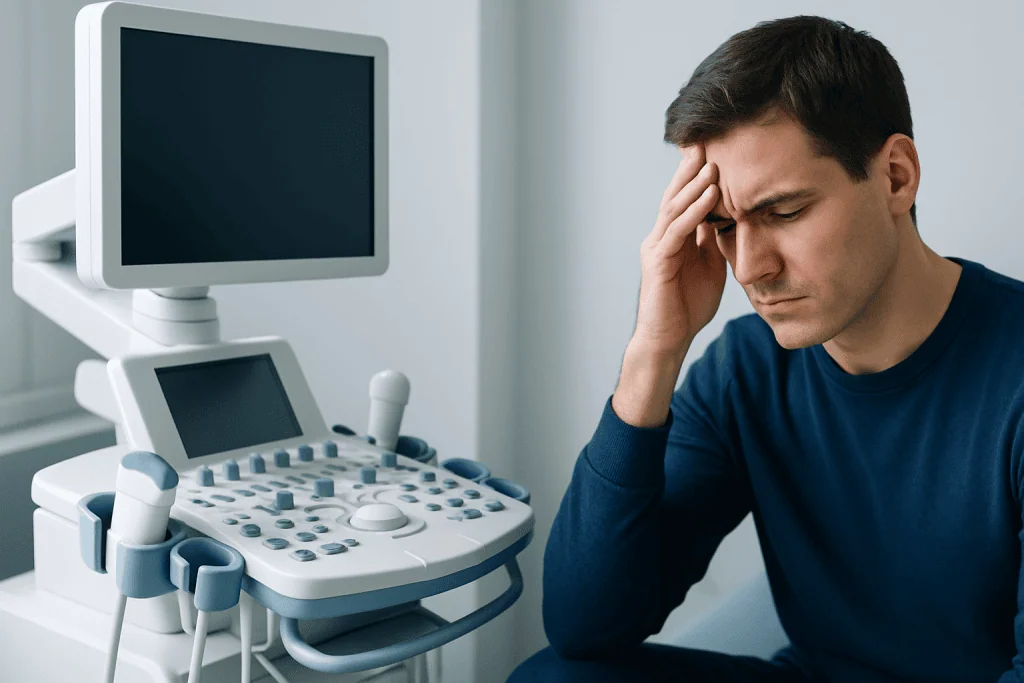
The typical symptoms of stress and tension headaches include a steady, pressing, or tightening pain rather than a pulsating one. People often say it feels like a band wrapped around the head or like pressure on both sides. The pain may spread to the scalp, neck, and shoulder muscles.
Tension headaches are often bilateral, meaning they affect both sides of the head. The discomfort may start gradually and become more noticeable later in the day, especially after mental strain, long hours at a desk, or poor sleep. Some people also notice tenderness in the scalp, forehead, jaw, neck, or shoulder muscles.
These headaches usually do not worsen with routine physical activity such as walking or climbing stairs. Mild sensitivity to light or sound can happen, but severe nausea, vomiting, visual aura, or disabling throbbing pain are more suggestive of other headache types, such as migraine.
- Dull, aching head pain
- Tightness or pressure across the forehead or around the head
- Tenderness in scalp, neck, or shoulder muscles
- Mild to moderate intensity
- Gradual onset, often during or after a stressful day
Causes and Risk Factors

The exact cause of tension headaches is not always clear, but they are strongly associated with stress, muscle tension, and changes in pain processing. Emotional stress can lead to tightening of the muscles in the neck, scalp, and shoulders. Over time, this may contribute to headache symptoms, especially in people who are already prone to them.
Several everyday habits can increase the likelihood of a tension headache. Common triggers include poor sleep, dehydration, skipped meals, eye strain, and long periods of screen use. Working in one position for many hours, especially with poor posture, may strain the muscles of the neck and upper back. Jaw clenching and teeth grinding can also play a role.
Some people develop headaches during periods of anxiety, low mood, or ongoing emotional pressure. Tension headaches may also overlap with other conditions such as neck pain or sinusitis, which can make symptoms harder to interpret. Keeping a headache diary can help identify whether stress, food timing, sleep, or other factors are involved.
Frequent use of pain-relief medicines can sometimes lead to medication-overuse headache, a separate problem that can make headaches happen more often. This is one reason persistent or recurring headaches should be reviewed by a qualified doctor rather than managed repeatedly without guidance.
How Doctors Diagnose Tension Headaches
Diagnosis usually begins with a detailed medical history. A doctor will ask what the pain feels like, how often it happens, how long it lasts, where it is located, and what seems to trigger or relieve it. They may also ask about sleep, stress, screen time, posture, caffeine use, medicines, and any family history of headaches.
A physical examination may include checking blood pressure, vision-related concerns, the head and neck, and the nerves and muscles. In many cases, tension headaches can be diagnosed based on symptoms and examination alone. There is often no need for imaging if the pattern is typical and there are no warning signs.
However, tests may be needed if a headache is new, unusually severe, getting worse, or accompanied by symptoms such as weakness, confusion, fever, fainting, seizures, or changes in speech or vision. Depending on the situation, a doctor may recommend blood tests or imaging such as MRI or CT scan to rule out other causes.
People with very frequent headaches may benefit from assessment by a specialist in headache medicine or neurology. A careful diagnosis is important because treatment can differ depending on whether the headache is tension-related, migraine-related, cervical, sinus-related, or caused by medication overuse.
Treatment Options and Headache Relief
Treatment for stress and tension headaches depends on how often they occur and how much they interfere with daily life. Occasional headaches may improve with rest, hydration, a regular meal, and a quiet break from screens or stressful activity. Gentle stretching of the neck and shoulders or a warm compress can also be soothing for some people.
Doctors may recommend over-the-counter pain relief for occasional attacks, but it should be used carefully and according to medical advice. Taking pain medicines too often can lead to rebound or medication-overuse headaches. If headaches happen frequently, a doctor may discuss a preventive plan rather than relying on repeated short-term relief.
Non-drug approaches are also important. Relaxation techniques, breathing exercises, posture correction, ergonomic changes at work, and physical therapy can help reduce muscle strain and stress-related triggers. In selected cases, physical therapy and rehabilitation may improve neck tension, mobility, and body mechanics that contribute to repeated headaches.
When headaches are frequent, chronic, or difficult to classify, a specialist evaluation can be helpful. In centers such as Acibadem International, multidisciplinary specialists in headache medicine, neurology, rehabilitation, and imaging work together in JCI-accredited hospitals to diagnose and treat headache disorders for international patients.
Prevention and Self-Care Strategies
Prevention often starts with understanding personal triggers. A headache diary can track when headaches happen, how long they last, what the person ate, how they slept, how much water they drank, and whether stress was high. Over time, this can reveal useful patterns that make prevention more targeted.
Healthy daily routines can make a meaningful difference. Regular sleep, balanced meals, hydration, and routine physical activity all support the nervous system and may reduce headache frequency. Limiting long periods of poor posture, especially during computer or phone use, can help reduce muscle tension in the neck and shoulders.
Stress management is another key part of prevention. Helpful techniques may include mindfulness, paced breathing, yoga, stretching, counseling, or taking short breaks during demanding work. If jaw clenching or teeth grinding is suspected, a dental or medical evaluation may be useful.
- Maintain regular sleep and meal times
- Drink enough water through the day
- Take screen and posture breaks
- Stretch the neck and shoulders gently
- Use stress-reduction techniques consistently
- Avoid overusing pain medicines
When to See a Doctor
Most stress and tension headaches are not a medical emergency, but there are times when prompt evaluation is important. A person should seek medical advice if headaches become frequent, start interfering with work or sleep, or no longer respond to their usual self-care measures. It is also wise to seek review if headache patterns change.
Urgent medical attention is needed for a sudden, very severe headache or a headache linked with fainting, confusion, fever, seizure, weakness, numbness, trouble speaking, vision loss, or a head injury. These features can point to a cause other than a simple tension headache and should not be ignored.
People over 50 with a new headache, those with a history of cancer or immune system problems, and those who are pregnant or recently postpartum should also be assessed carefully if new headaches develop. Children and adolescents with recurring headaches should be evaluated by a qualified clinician as well.
Early medical advice can help confirm the diagnosis, rule out other conditions, and create a treatment plan that is both effective and safe. This is especially important when headaches are chronic or when medicines are needed often.
Frequently asked questions
What is the difference between a tension headache and a migraine?
A tension headache usually causes a steady, pressing, or tightening pain on both sides of the head. A migraine more often causes throbbing pain, may affect one side, and can be associated with nausea, light sensitivity, sound sensitivity, or visual symptoms. A doctor can help distinguish between them if symptoms are unclear.
Can stress really cause headaches?
Yes. Stress can contribute to headache symptoms by increasing muscle tension, affecting sleep, and making the nervous system more sensitive to pain. Many people notice headaches during emotionally demanding periods or after long days of physical or mental strain.
How long do stress and tension headaches usually last?
They can last from about 30 minutes to several hours, and in some cases longer. The duration varies depending on the trigger, the person's overall health, and whether rest or treatment is started early. Frequent or long-lasting headaches should be discussed with a doctor.
Are tension headaches dangerous?
Most tension headaches are not dangerous and are not caused by serious illness. However, any new, sudden, severe, or unusual headache should be evaluated promptly. Warning signs such as weakness, confusion, fever, or vision changes need urgent medical attention.
What helps relieve a tension headache at home?
Many people benefit from rest, drinking water, having a meal if one was missed, and taking a short break from screens or stressful tasks. Gentle neck and shoulder stretching, relaxation exercises, and a warm compress may also help. If headaches are frequent, it is better to seek medical advice than to self-treat repeatedly.
Can poor posture trigger tension headaches?
Yes. Sitting for long periods with the head forward and shoulders tense can strain the neck and upper back muscles, which may contribute to tension headaches. Improving workstation ergonomics, taking movement breaks, and doing gentle stretching can reduce this risk.
References
- World Health Organization
- International Headache Society
- National Institute of Neurological Disorders and Stroke
- American Migraine Foundation
- Mayo Clinic
This article is for general information only and is not a substitute for professional medical advice. Please consult a qualified doctor about your individual situation.
Persistent digestive symptoms? Get evaluated in Turkey
JCI-accredited · board-certified surgeons · reply within 24h
Add us as a Preferred Source to see more of our trusted health content across Google Search, AI Overviews and Discover.
Check your numbers in seconds
BMI, calories, due date, blood pressure and 30+ more clinical calculators — free, instant, doctor-reviewed ranges.

More from the Health Library



Related Specialists

Dr. Nu Nu Win
Radiology
Dr. Ümran Karabulut Doğan
Gynecology & Obstetrics
Dr. Atilay Büker
Radiology
Dr. Okan Acıcbe
Aesthetic Plastic & Reconstructive Surgery