Subcutaneous: A Complete Medical Overview

Subcutaneous tissue lies beneath the skin and above the muscles. This layer helps cushion the body, store energy, and regulate temperature.
Key Takeaways
- Subcutaneous tissue lies beneath the skin and above the muscles.
- This layer helps cushion the body, store energy, and regulate temperature.
- Subcutaneous injections place medicine into this fatty layer for slow, steady absorption.
- Subcutaneous lumps may be harmless, but new, painful, growing, or infected changes should be checked by a doctor.
- Diagnosis depends on the cause and may include physical examination, ultrasound, blood tests, or imaging.
- Treatment ranges from monitoring and skin care to medicines, drainage, or surgical removal.
Subcutaneous means “under the skin” and most often refers to the layer of fat and connective tissue between the skin and muscle. In medicine, the term is commonly used for injections, medications, swelling, infections, and soft tissue lumps that develop in this layer.
What subcutaneous means in medicine
Subcutaneous means located beneath the skin. It usually describes the layer of fat and connective tissue that sits between the skin’s surface and the muscles underneath. This layer is present throughout most of the body and plays an important role in protection, insulation, and energy storage.
In everyday medical use, “subcutaneous” may refer to several different things. A clinician may discuss a subcutaneous injection, subcutaneous swelling, subcutaneous bleeding, or a subcutaneous lump. The word itself does not describe a disease. Instead, it describes the location of a symptom, treatment, or abnormal finding.
Understanding this term can make medical discussions clearer. For example, a problem in the subcutaneous layer is usually different from a surface skin rash and also different from a deeper muscle or bone condition. That location helps guide diagnosis, treatment, and follow-up.
How subcutaneous tissue works
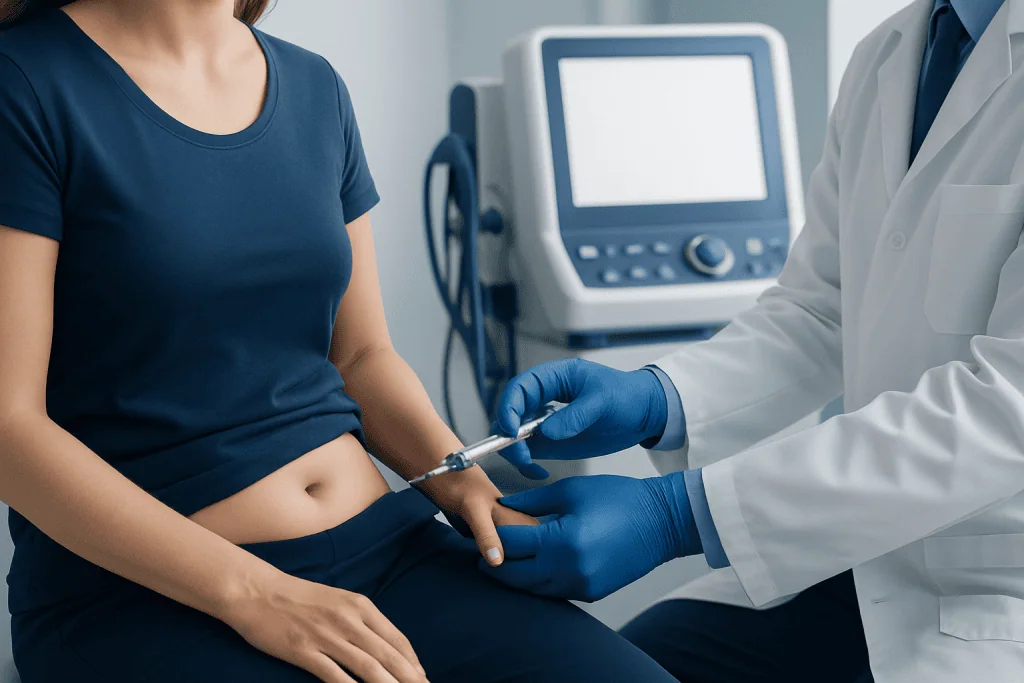
Subcutaneous tissue is made mainly of fat cells, connective tissue, small blood vessels, lymphatic channels, and nerves. Together, these structures form a soft layer that cushions the body from pressure and minor injury. It also helps the body maintain a stable internal temperature by acting as insulation.
This tissue stores energy in the form of fat. It also provides support for the skin and allows the skin to move more freely over deeper structures. Because it contains blood vessels, medicines given into this layer can be absorbed gradually into the bloodstream.
The thickness of subcutaneous tissue varies from person to person and from one body area to another. It can be influenced by age, body composition, hormones, genetics, and overall health. These differences can affect how a lump feels, how swelling appears, or where an injection is best given.
Common medical situations involving this layer include:
- Subcutaneous injections such as insulin or some blood-thinning medicines
- Benign fatty growths such as lipomas
- Bruising or bleeding under the skin
- Fluid buildup or swelling
- Skin and soft tissue infections that spread into deeper layers
Common symptoms and subcutaneous changes

Subcutaneous problems can appear in different ways depending on the cause. Some people notice a soft or firm lump under the skin. Others develop tenderness, warmth, swelling, redness, or a sense of fullness in one area. A bruise may look blue, purple, or yellow as trapped blood under the skin changes over time.
A subcutaneous lump may be painless and slow-growing, which is often seen with benign conditions such as a lipoma or cyst. In contrast, a painful, red, warm, or rapidly enlarging area may suggest infection, inflammation, bleeding, or another problem that needs medical assessment.
Changes in this layer can also occur after injections or minor injuries. Small bruises, mild tenderness, or temporary swelling may settle on their own. However, persistent hardening, skin breakdown, drainage, fever, or spreading redness should not be ignored.
Symptoms that may accompany a subcutaneous condition include:
- A visible or palpable lump
- Localized pain or tenderness
- Redness, warmth, or skin discoloration
- Swelling after injury or injection
- Drainage, pus, or skin opening
- Fever or feeling unwell in more serious infections
Causes and risk factors
There are many possible causes of a subcutaneous finding. Benign growths such as lipomas are common and arise from fat tissue. Epidermoid or sebaceous-type cysts can also form under the skin. Minor trauma may lead to localized bleeding, bruising, or a collection of blood called a hematoma.
Infections can begin in the skin and spread into the subcutaneous tissue. Cellulitis is one example of a bacterial skin and soft tissue infection that may cause redness, warmth, pain, and swelling; some people may benefit from learning more about cellulitis. Inflammation, allergic reactions, insect bites, blocked glands, and certain autoimmune conditions may also affect this layer.
Subcutaneous changes may develop after injections if the site is irritated, the same area is used repeatedly, or a local reaction occurs. Some medicines are specifically designed to be given by the subcutaneous route because it allows slower absorption than an intravenous injection. Proper technique and rotating injection sites can reduce complications.
Risk factors vary with the condition but may include:
- Diabetes or poor circulation
- Frequent injections into the same area
- Recent injury or surgery
- Obesity or significant weight changes
- Weakened immune function
- Poor skin hygiene or untreated skin wounds
Subcutaneous injections and why they are used
A subcutaneous injection delivers medication into the fatty tissue just beneath the skin. This route is often chosen when a medicine needs to be absorbed slowly and steadily. Common examples include insulin, some hormone treatments, and certain anticoagulant medicines.
Typical injection sites include the abdomen, upper outer arm, and front of the thigh, depending on the medicine and the amount of fatty tissue available. Patients are often advised to rotate sites to reduce irritation, bruising, or thickening of the tissue. Good technique matters because injecting too shallowly may place medicine in the skin, while injecting too deeply may reach muscle.
Mild soreness or a small bruise can happen after an injection and often settles quickly. Medical advice is recommended if an injection site becomes very painful, increasingly red, hot, swollen, or develops drainage. These signs can suggest irritation, allergy, bleeding, or infection.
For some conditions, subcutaneous therapy is part of a wider treatment plan. For example, medication support may be used alongside diabetes treatment or other long-term care supervised by a physician.
How doctors diagnose subcutaneous problems
Diagnosis begins with a medical history and physical examination. A doctor will usually ask when the change was first noticed, whether it is painful, whether it has grown, and whether there was an injury, injection, bite, fever, or recent illness. On examination, the doctor assesses size, texture, warmth, movement, and whether the area seems attached to deeper tissue.
Imaging may be useful when the cause is not clear. Ultrasound is often the first test for a lump under the skin because it can help distinguish fluid-filled, fatty, inflamed, or solid changes. In more complex cases, magnetic resonance imaging or computed tomography may be used to look at deeper soft tissues.
Blood tests may be requested if infection or inflammation is suspected. If there is a concerning mass, persistent cyst, or collection of fluid, a sample may be taken for laboratory analysis. Some patients may need specialist assessment through radiology services or minor surgical evaluation.
The purpose of diagnosis is not only to identify what the lesion is, but also to determine whether it is harmless, needs treatment, or requires urgent care. A painless stable lipoma is managed differently from an abscess, a spreading infection, or a suspicious soft tissue mass.
Treatment options and self-care
Treatment depends entirely on the cause. Many harmless subcutaneous findings, such as small stable lipomas, may simply be monitored. If a cyst becomes inflamed or repeatedly infected, treatment may involve medicines, drainage, or removal. A bacterial infection may require antibiotics, and a painful abscess may need a drainage procedure.
Bruising or minor swelling after an injection or small injury often improves with time, rest, and gentle local care. Patients are commonly advised not to squeeze lumps or puncture the skin at home, as this can worsen inflammation and increase the risk of infection. If injections are part of long-term treatment, site rotation and proper technique are important.
When a subcutaneous growth is enlarging, uncomfortable, or uncertain in nature, a doctor may advise removal or biopsy. Depending on the location and findings, care may involve general surgery or another specialist service. If the problem reflects a broader skin condition, evaluation may also overlap with dermatology care.
General self-care measures include:
- Keeping the skin clean and dry
- Avoiding pressure or repeated trauma to the area
- Monitoring for changes in size, color, pain, or warmth
- Following injection instructions carefully
- Seeking professional advice before using creams, antibiotics, or drainage methods
When to seek medical care
Medical assessment is appropriate for any new subcutaneous lump that does not go away, especially if it grows, becomes painful, feels hard, or changes the overlying skin. Redness, warmth, pus, fever, or red streaking from the area can suggest infection and should be reviewed promptly.
Urgent care may be needed if swelling appears suddenly after a fall or injury, if bleeding under the skin is extensive, or if there is severe pain, numbness, or reduced movement. People with diabetes, poor circulation, or weakened immunity should be especially careful because skin and soft tissue problems can progress more quickly.
It is also sensible to seek advice when injection sites become repeatedly irritated or if medication does not seem to be working as expected. A clinician can review technique, site selection, and whether an underlying skin or soft tissue problem is present.
For international patients who need evaluation, Acibadem International’s multidisciplinary specialists and JCI-accredited hospitals diagnose and treat subcutaneous conditions with care plans tailored to the underlying cause.
Frequently asked questions
What does subcutaneous mean?
Subcutaneous means beneath the skin. In medicine, it usually refers to the layer of fat and connective tissue between the skin and the muscles.
Is a subcutaneous lump always serious?
No, many subcutaneous lumps are benign, such as lipomas or cysts. However, a lump should be checked if it is new, growing, painful, hard, red, or associated with fever or skin changes.
Why are some medicines given subcutaneously?
The subcutaneous route allows medication to be absorbed more slowly than an intravenous injection. This can provide steady drug levels and is useful for medicines such as insulin and some injectable long-term therapies.
What is the difference between subcutaneous and intramuscular injections?
A subcutaneous injection goes into the fatty layer beneath the skin, while an intramuscular injection goes deeper into the muscle. The route affects how quickly the medicine is absorbed and which medications can be used safely.
Can subcutaneous tissue become infected?
Yes, infection can spread from the skin into the subcutaneous tissue. Signs may include redness, warmth, swelling, tenderness, fever, or drainage, and these symptoms should be assessed by a doctor.
How is a subcutaneous problem diagnosed?
Doctors usually begin with a physical examination and questions about symptoms, timing, injuries, and injections. Depending on the findings, they may recommend ultrasound, blood tests, or a biopsy to identify the cause.
References
- MedlinePlus
- Merck Manual Consumer Version
- American Academy of Dermatology
- Mayo Clinic
- National Institute of Diabetes and Digestive and Kidney Diseases
This article is for general information only and is not a substitute for professional medical advice. Please consult a qualified doctor about your individual situation.
Explore treatments in Turkey — costs, top hospitals & a free quote
JCI-accredited · board-certified surgeons · reply within 24h
Add us as a Preferred Source to see more of our trusted health content across Google Search, AI Overviews and Discover.

More from the Health Library

Rosemary Oil for Hair: What Patients Need to Know
Saphenous Vein — Explained by Medical Evidence, Not Myths

Monolaurin Benefits — Explained by Medical Evidence, Not Myths

Low Carb and: An Evidence-Based Guide for Patients

Phalen Test: A Complete Medical Overview