Sulphur Burps: What Patients Need to Know

Sulphur burps are a symptom, not a disease, and they often relate to digestion or gut health. Common triggers include sulfur-rich foods, overeating, reflux, stomach bugs, and some digestive disorders.
Key Takeaways
- Sulphur burps are a symptom, not a disease, and they often relate to digestion or gut health.
- Common triggers include sulfur-rich foods, overeating, reflux, stomach bugs, and some digestive disorders.
- Short-lived symptoms may improve with hydration, simpler meals, and avoiding personal food triggers.
- Persistent sulphur burps, especially with pain, vomiting, weight loss, or diarrhea, should be assessed by a doctor.
- Treatment depends on the cause and may involve dietary changes, medicines, or evaluation for gastrointestinal conditions.
Sulphur burps are burps that smell like rotten eggs because gas containing sulfur compounds rises from the stomach or intestines. They are often linked to food choices, indigestion, infection, or digestive conditions, and they usually improve once the underlying cause is identified and managed.
Overview: What sulphur burps mean
Sulphur burps are burps with a strong rotten-egg smell. This odor usually happens when gas containing hydrogen sulfide forms in the digestive tract and is released through belching. Many people experience them occasionally, often after certain foods or during a brief stomach upset.
Although the smell can be unpleasant, sulphur burps are usually not dangerous on their own. They are better understood as a clue that digestion is being affected by something such as food intolerance, indigestion, infection, slowed stomach emptying, or another digestive issue. The key question is not only how to stop the burps, but why they are happening.
In some cases, sulphur burps come with bloating, nausea, heartburn, stomach cramps, diarrhea, or a feeling of fullness. When symptoms are short-lived, they may settle with rest, hydration, and dietary adjustments. If they keep returning or are paired with more concerning symptoms, medical assessment can help find the cause and guide treatment.
How sulphur burps develop in the digestive system
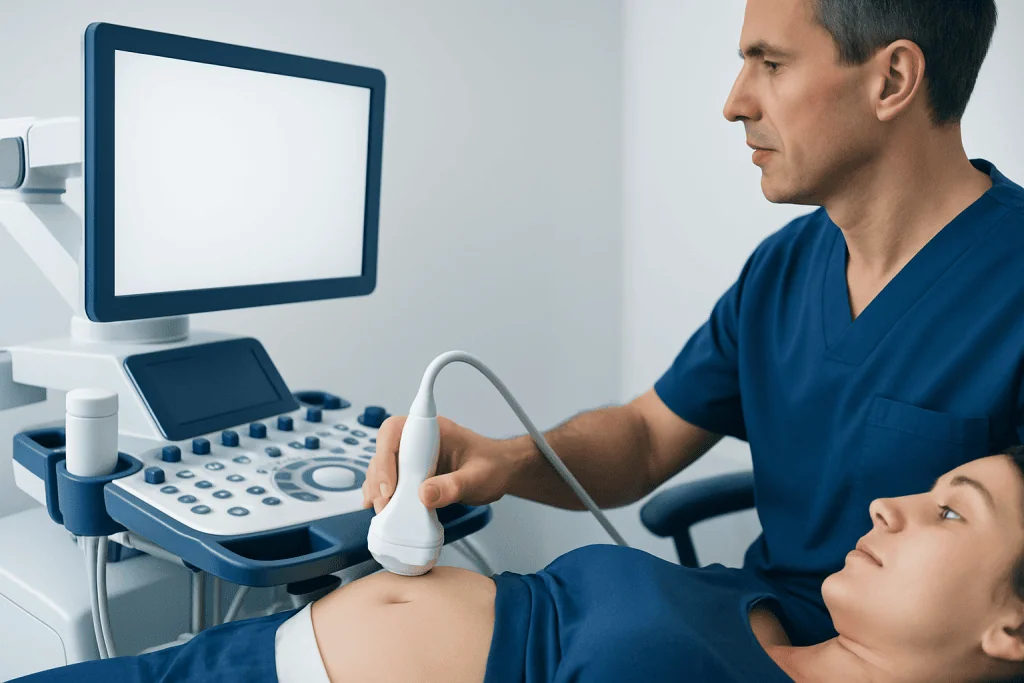
Burping is a normal way for the body to release swallowed air and gas from the upper digestive tract. Sulphur burps happen when that gas contains sulfur compounds, especially hydrogen sulfide. This gas may be produced when bacteria in the gut break down food, particularly proteins or sulfur-containing ingredients.
The smell does not always mean something serious is wrong. It can happen when food sits in the stomach longer than usual, when digestion is temporarily disrupted, or when the balance of bacteria in the gut changes. Some people notice it after heavy meals, carbonated drinks, alcohol, or foods such as eggs, red meat, garlic, onions, cruciferous vegetables, or certain processed foods.
Sulphur burps may also develop when a gastrointestinal infection irritates the stomach and intestines. Infections can speed up or disrupt digestion, leading to gas, diarrhea, nausea, and bad-smelling burps. That is why the symptom should always be considered in context rather than treated as a diagnosis by itself.
Common symptoms and associated complaints

The main symptom is repeated burping with a foul odor often described as similar to rotten eggs. Some people notice the smell only occasionally, while others have frequent episodes over several hours or days. The intensity can vary depending on what was eaten and what condition is causing the symptom.
Sulphur burps often appear together with other digestive symptoms. These may involve the stomach, intestines, or esophagus, and they can help a doctor narrow down the cause.
- Bloating or excessive gas
- Nausea or reduced appetite
- Upper abdominal discomfort or cramps
- Heartburn or acid reflux
- Diarrhea
- A feeling of fullness after small meals
- Occasional vomiting
If sulphur burps occur after eating a specific food, food intolerance or poor digestion may be playing a role. If they are accompanied by burning behind the chestbone or sour fluid in the throat, reflux may be involved, such as acid reflux. If symptoms include repeated loose stools, cramping, or signs of infection, the digestive tract may need closer evaluation.
Causes and risk factors
There is no single cause of sulphur burps. Often, the symptom results from a combination of diet, digestive function, and temporary irritation of the gastrointestinal tract. A short episode may follow overeating or eating foods that are harder for the body to process. Recurrent episodes are more likely to point to an underlying digestive issue.
Common causes include indigestion, gastroenteritis, food intolerance, constipation, and reflux. Some people develop sulphur burps when stomach emptying is slower than normal, which allows food to remain in the stomach longer and ferment. Conditions that affect digestion or absorption may also contribute, including gastritis and certain problems of the small intestine or gallbladder.
Risk factors can include eating quickly, large meals, high-fat meals, carbonated beverages, excess alcohol, smoking, and poor hydration. Some medicines can affect digestion or irritate the stomach as well. In other cases, recurring sulphur burps may be linked to bacterial imbalance, a parasite such as Giardia, or an infection with Helicobacter pylori, which can contribute to ulcer disease in some people.
Because symptoms overlap, it is important not to assume the cause based on smell alone. For example, bloating, altered bowel habits, and burping may also occur in people with irritable bowel syndrome, while ongoing upper abdominal discomfort may suggest a need for further gastroenterology assessment.
How doctors diagnose the cause
Diagnosis begins with a detailed history. A doctor may ask when the sulphur burps started, how often they occur, what foods seem to trigger them, and whether there are other symptoms such as pain, diarrhea, weight loss, fever, vomiting, or reflux. This information often gives important clues about whether the problem is dietary, infectious, or related to a digestive disorder.
A physical examination may be followed by tests if symptoms are persistent, severe, or unclear. Depending on the situation, a clinician may suggest stool testing, blood tests, breath tests for certain infections or intolerances, or evaluation for reflux and ulcer disease. If symptoms suggest structural or ongoing stomach problems, a specialist may recommend endoscopy to examine the upper digestive tract more closely.
Not everyone needs testing. Many short episodes improve without extensive investigation. However, medical review is helpful if sulphur burps are recurrent, interfere with eating, or come with warning signs such as dehydration, blood in vomit or stool, unexplained weight loss, difficulty swallowing, or significant abdominal pain.
Treatment options and symptom relief
Treatment depends on the underlying cause rather than the burps alone. If a specific food is the trigger, reducing or avoiding it may be enough. If the cause is indigestion, reflux, or temporary stomach irritation, doctors may recommend lifestyle changes and medicines to reduce acid or support symptom control. If there is an infection, treatment may involve targeted medication and careful hydration.
When symptoms are linked to more complex digestive conditions, further specialist care may be needed. People with recurring reflux symptoms may benefit from assessment and treatment plans that address diet, weight, meal timing, and in selected cases reflux treatment. If there is concern about delayed stomach emptying, ulcer disease, or inflammation, management is tailored after proper evaluation.
At home, simple measures can help many people feel better while monitoring symptoms:
- Drink enough water, especially if nausea or diarrhea is present
- Choose smaller, lighter meals for a day or two
- Avoid foods that clearly trigger symptoms
- Limit carbonated drinks, alcohol, and smoking
- Eat slowly and avoid lying down right after meals
Medicines should be used under the guidance of a qualified clinician, especially if symptoms are frequent or keep returning. Repeated self-treatment without understanding the cause can delay diagnosis of a digestive condition that needs specific care.
Prevention, self-care, and when to seek medical care
Prevention focuses on supporting healthy digestion and noticing personal triggers. Many people do well by eating regular meals, chewing thoroughly, avoiding overeating, and keeping a simple symptom diary to identify patterns. If certain sulfur-rich foods consistently cause problems, reducing them may help, though complete avoidance is not always necessary.
Good hydration, balanced meals, physical activity, and stress management can also support digestive comfort. For those with known reflux or sensitive digestion, limiting late-night meals and high-fat foods may reduce symptoms. People who have frequent burping together with chronic diarrhea, abdominal pain, or changes in bowel habits should discuss this with a doctor rather than relying only on home remedies.
Medical care should be sought promptly if sulphur burps occur with severe or worsening abdominal pain, ongoing vomiting, inability to keep fluids down, signs of dehydration, fever, black stools, blood in stool or vomit, chest pain, or unintentional weight loss. A doctor should also assess symptoms that last more than a few days, return often, or disrupt daily life.
For international patients who need specialist digestive evaluation, Acibadem International’s multidisciplinary teams in JCI-accredited hospitals diagnose and treat gastrointestinal symptoms using appropriate imaging, laboratory testing, and endoscopic services when needed.
Frequently asked questions
Are sulphur burps serious?
Usually, sulphur burps are not serious and often happen because of food triggers, indigestion, or a short-lived stomach upset. They become more important when they are persistent, keep coming back, or happen with symptoms such as pain, vomiting, diarrhea, weight loss, or blood in the stool.
What foods can trigger sulphur burps?
Foods rich in sulfur or those that are harder to digest may trigger symptoms in some people. Common examples include eggs, red meat, garlic, onions, cruciferous vegetables, high-fat meals, and some processed foods, though triggers vary from person to person.
Can sulphur burps be caused by an infection?
Yes. Stomach or intestinal infections can disrupt digestion and lead to foul-smelling burps, often along with nausea, cramps, or diarrhea. If symptoms are intense, last more than a few days, or lead to dehydration, medical advice is important.
How can someone stop sulphur burps quickly?
Short-term relief may come from drinking water, eating smaller bland meals, avoiding trigger foods, and resting the stomach. If symptoms are frequent, severe, or unexplained, the safest approach is to have the cause assessed rather than relying on repeated self-treatment.
Do sulphur burps mean acid reflux?
Not necessarily. Reflux can be associated with frequent burping, but sulphur burps may also result from indigestion, infection, food intolerance, or other digestive conditions. The presence of heartburn, regurgitation, or symptoms after lying down may make reflux more likely.
When should someone see a doctor for sulphur burps?
A doctor should be consulted if sulphur burps continue for several days, keep returning, or are paired with warning signs such as severe abdominal pain, vomiting, dehydration, fever, blood in stool, black stools, or unexplained weight loss. Medical review is also sensible if symptoms interfere with normal eating or daily activities.
References
- National Institute of Diabetes and Digestive and Kidney Diseases
- American College of Gastroenterology
- National Health Service
- Mayo Clinic
- World Gastroenterology Organisation
This article is for general information only and is not a substitute for professional medical advice. Please consult a qualified doctor about your individual situation.
Persistent digestive symptoms? Get evaluated in Turkey
JCI-accredited · board-certified surgeons · reply within 24h
Add us as a Preferred Source to see more of our trusted health content across Google Search, AI Overviews and Discover.

More from the Health Library



Related Specialists

Esra Er
Physical Medicine & Rehabilitation
Dt. Şevval Çelebi
Oral & Dental Health
Dr. Mustafa Şengün
Orthopedic Surgery & Traumatology
Prof. Dr. Hamdi Karakayalı
General Surgery