Synesthesia: A Complete Medical Overview
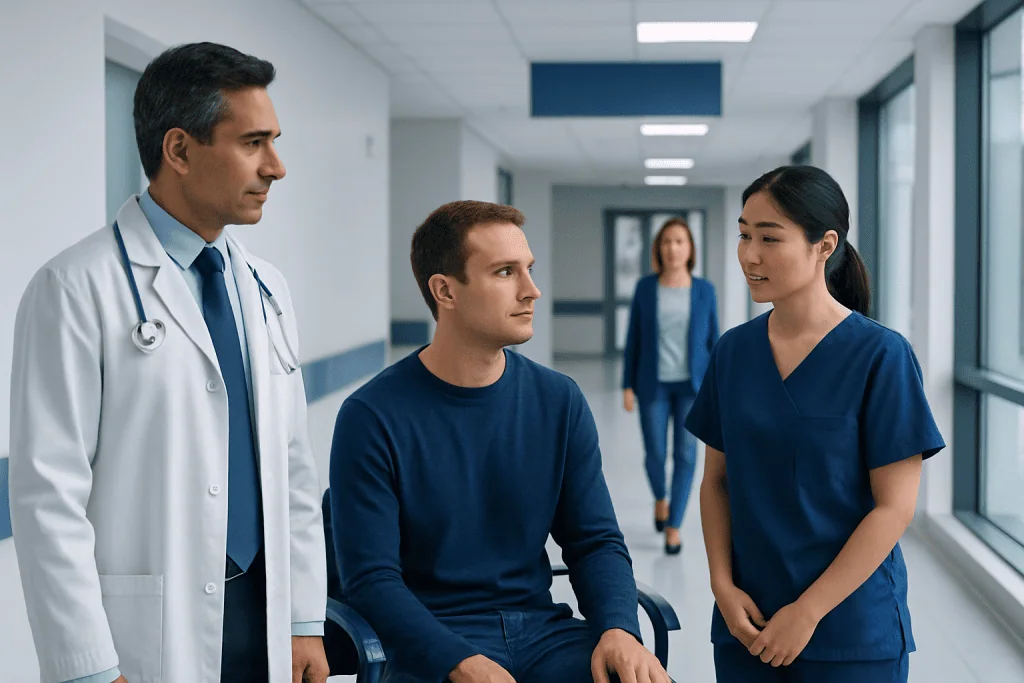
Synesthesia causes consistent, automatic cross-sensory experiences such as colored letters, tasted words, or shapes linked to sounds. For many people, synesthesia begins early in life and is a stable neurological trait rather than an illness.
Key Takeaways
- Synesthesia causes consistent, automatic cross-sensory experiences such as colored letters, tasted words, or shapes linked to sounds.
- For many people, synesthesia begins early in life and is a stable neurological trait rather than an illness.
- A doctor may evaluate new or unusual sensory changes to exclude migraines, seizures, medication effects, or other neurological causes.
- There is no standard treatment for synesthesia itself unless it is linked to another medical condition or causes significant distress.
- Keeping track of patterns, triggers, and timing can help during medical evaluation.
Synesthesia is a perceptual phenomenon in which stimulation of one sense or mental pathway automatically and consistently triggers another experience, such as seeing colors when reading letters. It is usually not a disease and often does not need treatment, but medical assessment can help rule out other neurological or sensory conditions when symptoms are new, changing, or distressing.
Overview: what synesthesia is
Synesthesia is a neurological trait in which one type of sensory input or mental activity automatically triggers a second experience. A person may, for example, see specific colors when reading letters, feel that days of the week have fixed shapes in space, or associate sounds with textures. These experiences are typically involuntary, consistent over time, and recognizable to the person having them.
Importantly, synesthesia is not usually considered a mental illness or a dangerous brain disorder. Many people with synesthesia are healthy and may only realize later in life that others do not perceive the world in the same way. For some, the experience is neutral; for others, it can be pleasant, creative, or occasionally distracting.
From a medical perspective, the main question is often not whether synesthesia is “real,” but whether the experience fits the pattern of lifelong, stable synesthesia or whether it may reflect another condition. If symptoms are new, suddenly changing, or linked to headaches, blackouts, confusion, or visual loss, clinicians may investigate for neurological causes such as migraine or other sensory disturbances.
How synesthesia can feel in everyday life
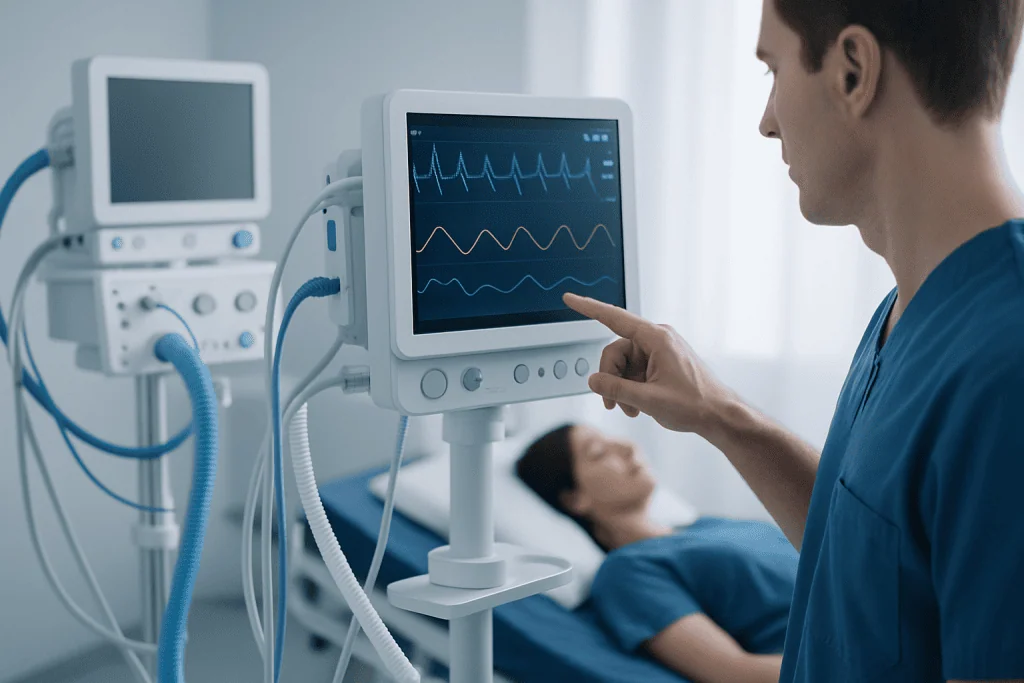
Synesthesia varies widely from person to person. In grapheme-color synesthesia, letters or numbers may consistently appear linked to specific colors. In chromesthesia, sounds such as music, voices, or traffic noises may trigger colors, patterns, or movement. Other forms involve tastes, smells, touch, temperature, spatial layouts, or emotional associations.
A key feature is consistency. If the letter A has always appeared red to someone, that association tends to remain the same over many years. The experience is also automatic rather than chosen. People with synesthesia are not usually imagining or deliberately inventing these pairings; the additional perception happens on its own.
Some people find synesthesia helpful in memory, learning, or creative work. Others may notice sensory overload if strong stimuli produce intense cross-sensory effects. In most cases, daily function remains normal. However, if unusual sensory experiences become disruptive, interfere with school or work, or occur alongside anxiety, sleep problems, or concentration changes, clinical evaluation can be useful.
- Common examples include letters with colors, sounds with colors, and calendar units arranged in space.
- Less common forms may involve words that trigger tastes or touch sensations.
- The experience is usually stable, recognizable, and present from early life.
Types, causes, and possible risk factors

There are many recognized forms of synesthesia, and researchers continue to study how best to classify them. The most commonly discussed types include grapheme-color synesthesia, chromesthesia, lexical-gustatory synesthesia, and spatial-sequence synesthesia. Some people have one form only, while others experience more than one type.
The exact cause is not fully understood, but synesthesia is thought to reflect differences in how the brain processes and connects sensory information. Current theories include increased cross-activation between nearby brain regions, altered sensory integration, or differences in inhibition between neural networks. Family patterns suggest that genetics may play a role in some cases.
Synesthesia usually begins in childhood and remains relatively unchanged. A person may only identify it later, especially if they assumed everyone perceived things similarly. It is not generally caused by poor vision, lack of sleep, or imagination. Still, experiences that resemble synesthesia can sometimes appear temporarily with migraine aura, seizures, psychoactive substances, certain medications, or sensory deprivation.
Because of this overlap, doctors may ask about family history, neurological symptoms, medications, head injury, substance use, and developmental background. When needed, specialists in neurology care may assess whether the experience reflects typical lifelong synesthesia or another neurological process.
How doctors evaluate synesthesia
Diagnosis is usually clinical, meaning it is based on a careful history rather than a single lab test or scan. A doctor may ask when the experiences started, whether they are consistent, how often they occur, and whether they have changed over time. They may also ask whether the person can predict the same letter-color pairings or sound-color patterns repeatedly.
In classic synesthesia, the experiences are often present for many years, feel automatic, and do not come with confusion or loss of contact with reality. This helps distinguish synesthesia from hallucinations or psychotic symptoms. The clinician may also review vision, hearing, headaches, episodes of fainting, seizure-like symptoms, medication use, and emotional health.
Testing is not always necessary, especially when the history clearly suggests lifelong synesthesia and there are no warning signs. If symptoms are new or atypical, the evaluation may include an eye exam, hearing assessment, neurological examination, or brain-related testing. Depending on the situation, doctors may recommend MRI or EEG to investigate possible structural or electrical brain causes.
The goal of assessment is reassurance when appropriate and further investigation when needed. A thoughtful diagnostic process can help clarify whether a person has a benign perceptual trait, another sensory condition, or a neurological issue that deserves treatment.
Treatment options and living with synesthesia
There is no standard treatment for synesthesia itself when it is a lifelong, stable trait and not causing problems. In these cases, treatment is usually unnecessary. Many people benefit most from understanding the condition, learning that it is a recognized neurological phenomenon, and discussing any concerns with a qualified clinician.
If the experience becomes distracting or stressful, practical strategies may help. These can include reducing sensory overload, improving sleep, managing stress, and creating structured environments for study or work. Some people find it useful to describe their experiences to teachers, family members, or employers so that unusual sensory associations are understood rather than misinterpreted.
When synesthesia-like symptoms are caused by another medical condition, treatment focuses on the underlying issue. For example, managing migraine, seizure disorders, medication side effects, or visual problems may reduce unusual sensory experiences. If symptoms are linked to distress, counseling or mental health support may also be appropriate.
Near the end of evaluation or follow-up, some patients may seek multidisciplinary care for reassurance or for associated neurological symptoms. Acibadem International’s multidisciplinary specialists in JCI-accredited hospitals evaluate and treat neurological and sensory conditions for international patients when further assessment is needed.
Self-care, tracking symptoms, and reducing confusion
Because synesthesia is often stable, self-care is mainly about awareness rather than suppression. A symptom diary can be helpful, especially if a person is unsure whether their experiences are longstanding or newly developing. Recording the type of trigger, the paired sensation, the timing, and any associated symptoms can support a more accurate medical assessment.
General brain health measures may also support overall well-being. Regular sleep, hydration, stress management, and moderation with alcohol or stimulating substances can reduce the chance that unrelated sensory symptoms are mistaken for synesthesia. People who experience headaches, visual aura, or episodes of altered awareness may benefit from logging these patterns separately.
It may also help to learn the difference between synesthesia and sensory changes caused by illness. Lifelong consistency is more typical of synesthesia, while sudden onset, rapidly changing symptoms, or episodes accompanied by weakness, confusion, severe headache, or loss of consciousness suggest a different cause. In children, parents can note whether cross-sensory descriptions are consistent over time and discuss them with a pediatrician if there are concerns.
- Keep a simple record of triggers and responses.
- Note whether the associations stay the same over weeks or months.
- Track any red-flag symptoms such as severe headache, fainting, or confusion.
- Bring medication and health history information to appointments.
When to seek medical care
Medical care is appropriate if synesthesia-like experiences are new, suddenly stronger, or different from a person’s usual pattern. A doctor should also evaluate symptoms that begin after head injury, medication changes, substance use, or a major neurological event. Sudden sensory changes may need urgent attention, especially if they appear with weakness, facial drooping, trouble speaking, severe headache, confusion, or loss of vision.
Clinical review is also important when unusual perceptions interfere with daily life, concentration, sleep, school performance, or emotional well-being. Children and adults who are distressed by these experiences should be assessed in a supportive, nonjudgmental setting. If there are episodes of staring, shaking, blackouts, or unexplained sensory changes, a neurologist may look for conditions such as epilepsy.
Even when symptoms are not urgent, a medical consultation can be reassuring. An experienced clinician can help distinguish a benign lifelong trait from a symptom pattern that needs testing or treatment. This is especially helpful when sensory experiences are accompanied by headaches, anxiety, or changes in hearing or vision.
Frequently asked questions
Is synesthesia a disorder?
Usually, no. Synesthesia is generally considered a neurological trait or perceptual variation rather than a disease. It may still be worth discussing with a doctor if symptoms are new, changing, or causing distress.
Can synesthesia start later in life?
Classic synesthesia often begins in childhood, even if a person recognizes it only later. New synesthesia-like symptoms in adulthood should be assessed more carefully because migraines, seizures, medications, or other neurological factors can sometimes produce similar experiences.
What is the most common type of synesthesia?
Grapheme-color synesthesia is among the most commonly described forms. In this type, letters or numbers are consistently linked with specific colors. Chromesthesia, in which sounds trigger color experiences, is also well known.
How do doctors tell synesthesia apart from hallucinations?
Synesthesia is usually consistent, automatic, and present without confusion or loss of reality testing. Hallucinations are more likely to be variable, unrelated to a specific trigger, or accompanied by broader psychiatric or neurological symptoms. A careful history helps distinguish the two.
Does synesthesia need treatment?
Most people do not need treatment for synesthesia itself. Support is usually focused on education, reassurance, and managing any associated stress or sensory overload. If another condition is causing the symptoms, that underlying problem is treated instead.
Can synesthesia affect learning or creativity?
It can, and the effect may be positive, neutral, or occasionally distracting. Some people find that stable color, sound, or spatial associations help with memory or creative thinking. Others may need simple strategies to reduce overload in busy sensory environments.
References
- National Institute of Neurological Disorders and Stroke
- Cleveland Clinic
- MedlinePlus
- National Health Service
- American Academy of Neurology
This article is for general information only and is not a substitute for professional medical advice. Please consult a qualified doctor about your individual situation.
Explore treatments in Turkey — costs, top hospitals & a free quote
JCI-accredited · board-certified surgeons · reply within 24h
Add us as a Preferred Source to see more of our trusted health content across Google Search, AI Overviews and Discover.