Teratogenic: What Patients Need to Know

Teratogenic exposures can affect fetal development, but risk varies by substance, dose, timing, and individual factors. The first trimester, especially early organ development, is often the most sensitive period.
Key Takeaways
- Teratogenic exposures can affect fetal development, but risk varies by substance, dose, timing, and individual factors.
- The first trimester, especially early organ development, is often the most sensitive period.
- Not every exposure causes harm, and stopping a prescribed medicine suddenly may also be risky.
- Patients planning pregnancy should review all medicines, supplements, alcohol, and substance use with a clinician.
- Prompt medical advice can help assess exposure risk and guide safer treatment options during pregnancy.
Teratogenic means a medicine, chemical, infection, or other exposure can interfere with fetal development and increase the chance of birth defects or pregnancy loss. For patients, the key point is that risk depends on the type of exposure, the dose, and when it happens during pregnancy, so medical advice should be tailored rather than assumed.
Overview: what teratogenic means
Teratogenic refers to anything that can interfere with the normal development of an embryo or fetus. In practical terms, a teratogenic exposure may increase the risk of structural birth defects, growth problems, functional difficulties, or pregnancy loss. Patients most often hear the term when discussing medicines, but it can also apply to alcohol, certain infections, illicit drugs, radiation, and some environmental chemicals.
A teratogenic effect is not all-or-nothing. Risk depends on several factors, including which substance is involved, how much of it was taken or encountered, how long the exposure lasted, and the stage of pregnancy at the time. This is why one medication may be unsafe in early pregnancy but acceptable later, while another may need to be avoided throughout pregnancy.
It is also important to understand that not every medicine taken during pregnancy is teratogenic. Many treatments are considered compatible with pregnancy when prescribed appropriately, and some are necessary to protect the health of the mother and baby. Patients should avoid making changes on their own and instead discuss concerns with a qualified doctor, especially if they are pregnant, trying to conceive, or breastfeeding.
How teratogenic exposures affect pregnancy

Fetal development follows a timeline, and teratogenic risk changes across that timeline. During the earliest days after conception, severe exposures may lead to failed implantation or early pregnancy loss. Later, especially during the first trimester when major organs are forming, certain exposures are more likely to cause structural abnormalities.
In the second and third trimesters, some teratogens may affect growth, brain development, hearing, vision, or organ function rather than causing obvious structural birth defects. Because the nervous system continues to develop throughout pregnancy, exposures later in pregnancy can still matter even after organ formation is complete.
Clinicians often assess teratogenic risk by asking several questions: what was the substance, what dose was used, on which dates did exposure occur, and were there any other health conditions or medications involved? That approach helps move beyond fear and toward a careful, evidence-based evaluation. If a pregnant patient needs imaging or a specialist review, tests such as MRI scanning or targeted ultrasound may be considered when clinically appropriate.
Common causes and risk factors
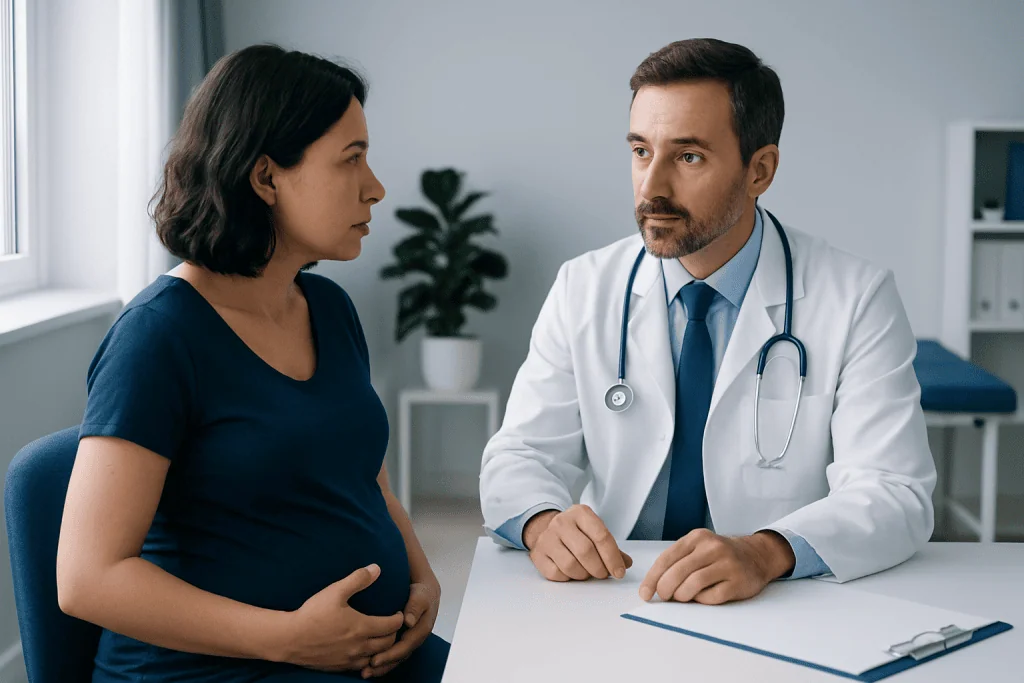
Medicines are one of the best-known causes of teratogenic exposure. Some prescription drugs are clearly associated with fetal harm and require strict pregnancy prevention measures, while others carry smaller or more uncertain risks. Over-the-counter medicines, herbal products, and high-dose vitamin supplements can also be problematic, especially because patients may not think to mention them during a routine visit.
Alcohol is a well-established teratogen and can lead to lifelong developmental problems. Recreational drugs, tobacco exposure, and misuse of prescription medicines may also affect pregnancy outcomes. Infections such as rubella, cytomegalovirus, toxoplasmosis, and some other maternal illnesses can interfere with fetal development as well.
Environmental and occupational exposures may matter in some cases. These can include certain solvents, heavy metals, pesticides, or radiation. A patient may have higher overall risk if they do not realize they are pregnant during the early weeks, have a chronic health condition that requires medication, or have limited access to preconception counseling.
- Prescription medicines with known fetal risk
- Alcohol and illicit substances
- Some infections during pregnancy
- High-dose vitamin A and certain supplements
- Chemical or radiation exposure at work or home
- Unplanned pregnancy without medication review
Symptoms and possible effects on the baby
Teratogenic exposure usually does not cause noticeable symptoms in the pregnant person at the time it happens. That can make it stressful, because patients may feel well and still worry after learning a medicine or substance might be harmful. In many cases, the only clue is the exposure history itself.
The effects on the baby, if they occur, vary widely. Some teratogens are linked to structural changes involving the heart, brain, limbs, face, kidneys, or spine. Others are more strongly associated with growth restriction, intellectual disability, learning difficulties, hearing or vision problems, or effects on behavior and development that may not become clear until later in childhood.
Some fetal abnormalities may be detected during prenatal screening or detailed ultrasound. Others may require additional imaging, genetic counseling, newborn evaluation, or follow-up after birth. It is important to remember that an exposure does not automatically mean a baby will have a problem. A careful review helps estimate risk and determine whether further assessment is needed.
Diagnosis and exposure assessment
There is no single test that simply says whether an exposure was teratogenic in one specific pregnancy. Diagnosis begins with a detailed medical history. The clinician will ask about all medicines, supplements, alcohol use, smoking, occupational exposures, infections, and the timing of the last menstrual period or confirmed gestational age.
Medication packaging, prescription records, and photographs of supplements can help identify exact ingredients and doses. If exposure occurred before pregnancy was recognized, the doctor may calculate the likely developmental stage at that time. This timing is often one of the most important parts of the assessment.
Depending on the concern, follow-up may include routine prenatal care, targeted ultrasound, blood tests, specialist consultation, or genetic counseling. If there is concern about maternal infection or a related condition that may increase fetal risk, the care team may evaluate linked conditions such as high-risk pregnancy. In selected cases, advanced imaging or multidisciplinary review can help clarify findings and support decision-making.
Treatment options and pregnancy-safe planning
Treatment depends on the situation. If a potentially teratogenic medicine is identified before conception, the ideal approach is often to switch to a safer alternative well in advance of pregnancy. If exposure occurs during pregnancy, management may include stopping the medicine, reducing risk where possible, treating the mother with a safer option, and arranging appropriate fetal monitoring. However, patients should not stop important medicines abruptly without medical advice, because uncontrolled illness can also harm pregnancy.
For chronic conditions such as epilepsy, autoimmune disease, severe acne, high blood pressure, or mental health disorders, treatment plans may need to be adjusted before or during pregnancy. The goal is to balance maternal health and fetal safety. That balance is highly individual, and it is best made with an obstetrician and the relevant specialist.
Supportive care may include counseling on nutrition, folic acid, infection prevention, and avoidance of alcohol and smoking. Some patients may need specialist imaging, prenatal diagnosis, or consultations in maternal-fetal medicine, neonatology, neurology, or genetics. Where structural concerns are suspected, a doctor may recommend evaluations related to fetal or newborn care pathways and, if needed later, services connected with neonatology or genetic testing.
Prevention and self-care
The most effective prevention starts before pregnancy. Anyone trying to conceive should review all prescription medicines, over-the-counter products, vitamins, and herbal supplements with a healthcare professional. This is especially important for treatments known to carry fetal risk, as safer alternatives may be available.
Patients can also lower risk by avoiding alcohol and recreational drugs, not smoking, and reducing exposure to potentially harmful chemicals at home or work. Vaccination and infection-prevention measures may help protect against certain illnesses that can affect pregnancy. Good control of long-term medical conditions is another part of prevention, because poorly controlled disease can be harmful in its own right.
Self-care includes keeping an up-to-date medication list and asking before starting anything new, even a nonprescription product. If pregnancy is possible, patients should tell all treating clinicians, including dentists and pharmacists. In complex cases, coordinated care with obstetrics and other specialties can help create a safe plan. Acibadem International’s multidisciplinary specialists and JCI-accredited hospitals also evaluate and treat pregnancy-related medication and fetal risk concerns for international patients.
When to seek medical care
Patients should seek medical advice promptly if they are pregnant or may be pregnant and have taken a medicine labeled unsafe in pregnancy, used alcohol or drugs heavily, had a significant chemical exposure, or developed an infection with fever or rash. It is also important to ask for guidance if a chronic medication was stopped suddenly because of pregnancy concerns, since the underlying condition may need treatment.
Urgent assessment is needed for symptoms such as severe abdominal pain, vaginal bleeding, fainting, seizures, severe headache, shortness of breath, or signs of serious infection. Patients already being followed for a high-risk pregnancy should contact their care team if any concerning exposure or new symptom occurs.
Even when the situation does not feel urgent, early review is helpful. A doctor can estimate risk, explain what is known and unknown, and decide whether reassurance, routine follow-up, or additional testing is most appropriate. Timely, individualized advice is usually more helpful than relying on general lists of “safe” and “unsafe” substances.
Frequently asked questions
What does teratogenic mean in simple terms?
Teratogenic means an exposure can interfere with fetal development during pregnancy. This may raise the risk of birth defects, developmental problems, or pregnancy loss, depending on the substance and timing.
Are all medications teratogenic during pregnancy?
No. Many medicines can be used during pregnancy when the benefits outweigh the risks and safer options have been considered. The important step is to review every medicine with a qualified clinician rather than assuming all drugs are harmful.
When is the baby most vulnerable to teratogenic exposure?
The first trimester, especially the weeks when organs are forming, is often the most sensitive period for structural birth defects. However, some exposures later in pregnancy can still affect growth or brain development.
What should a patient do after accidental exposure to a possible teratogen?
They should contact their doctor, obstetrician, or pharmacist as soon as possible with the name of the substance, dose, and date of exposure. They should not stop essential prescribed treatment abruptly unless a clinician advises it.
Can teratogenic exposure be detected on ultrasound?
Sometimes. Some structural changes may be visible on prenatal ultrasound, while other effects may not be detectable before birth. The need for imaging depends on the type of exposure and when it happened.
Does one exposure always cause harm to the baby?
No. Many single or limited exposures do not lead to fetal problems. Risk depends on the specific substance, the amount, the stage of pregnancy, and individual medical factors.
References
- World Health Organization
- Centers for Disease Control and Prevention
- American College of Obstetricians and Gynecologists
- Organization of Teratology Information Specialists
- U.S. Food and Drug Administration
This article is for general information only and is not a substitute for professional medical advice. Please consult a qualified doctor about your individual situation.
Explore treatments in Turkey — costs, top hospitals & a free quote
JCI-accredited · board-certified surgeons · reply within 24h
Add us as a Preferred Source to see more of our trusted health content across Google Search, AI Overviews and Discover.

More from the Health Library

Floating Ribs: A Complete Medical Overview

Capillaries — Explained by Medical Evidence, Not Myths

Wellness Shot: A Complete Medical Overview
Tummy Tuck Scar: An Evidence-Based Guide for Patients

Epinephrine: An Evidence-Based Guide for Patients