Testes — Explained by Medical Evidence, Not Myths
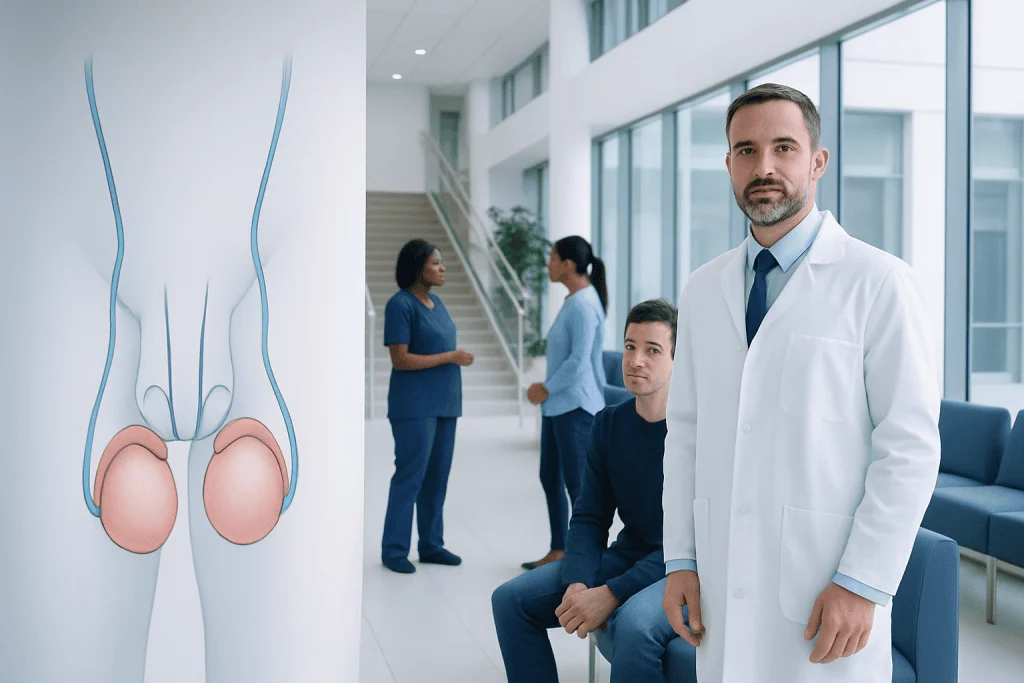
The testes make sperm and testosterone, both essential for reproduction and male development. Mild differences in size or position can be normal, but sudden pain, swelling, or a new lump should be assessed promptly.
Key Takeaways
- The testes make sperm and testosterone, both essential for reproduction and male development.
- Mild differences in size or position can be normal, but sudden pain, swelling, or a new lump should be assessed promptly.
- Not every testicular symptom means cancer; infections, injury, varicocele, hydrocele, and torsion are also possible causes.
- Regular self-awareness of the scrotum helps a person notice changes early without causing unnecessary worry.
- Fast medical evaluation is especially important for sudden severe testicular pain.
The testes are two male reproductive glands that produce sperm and most of the body’s testosterone. Understanding how the testes work, what symptoms are normal or concerning, and when to seek care can help separate medical facts from common myths.
Overview: what the testes are and what they do
The testes, also called testicles, are two oval glands located inside the scrotum, the pouch of skin below the penis. Their main jobs are to produce sperm and to make testosterone, the principal male sex hormone. In everyday use, people often say “testes” and “testicles” interchangeably.
Medical evidence shows that the testes are active organs with both reproductive and hormonal roles. Sperm production supports fertility, while testosterone helps regulate puberty, sex drive, muscle and bone health, facial and body hair growth, and the production of red blood cells. Although the testes are part of the male reproductive system, their hormone function influences many organs throughout the body.
The testes sit outside the body because sperm production works best at a temperature slightly cooler than core body temperature. The scrotum helps regulate this environment by tightening or relaxing in response to heat and cold. This is one reason why changes in scrotal position or tightness can be normal and do not automatically suggest disease.
How the testes work: structure and hormone production
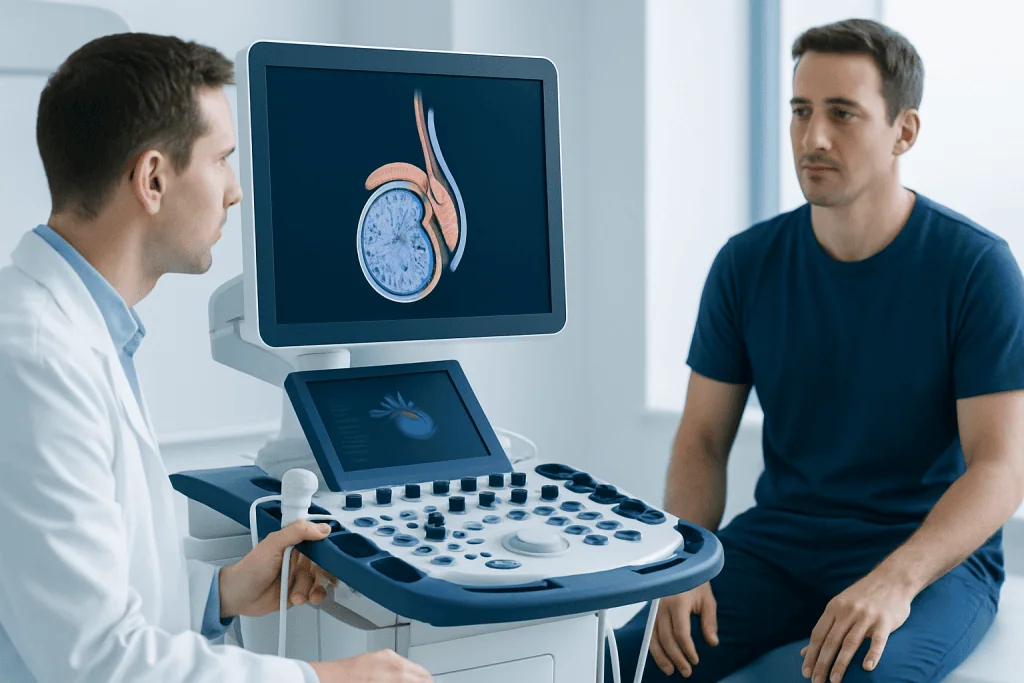
Inside each testis are many tiny coiled tubes called seminiferous tubules, where sperm are produced. Specialized cells support sperm development, while other cells, known as Leydig cells, produce testosterone. From the testes, sperm move into the epididymis, a coiled structure on the back of each testis where they mature and are stored before ejaculation.
The brain and testes work together through a hormone signaling system. The hypothalamus and pituitary gland release hormones that tell the testes when to make sperm and testosterone. This means that testicular function depends not only on the testes themselves but also on broader hormone balance.
Normal variation is common. One testis may hang slightly lower than the other, and minor differences in size are often harmless. These natural differences are sometimes mistaken for illness, but they usually reflect ordinary anatomy rather than a medical problem.
Because the testes are sensitive to temperature, blood flow, and injury, they can be affected by infections, trauma, circulation problems, and hormone disorders. When a person notices a new change, the context matters: how quickly it appeared, whether pain is present, and whether there are associated symptoms such as fever, nausea, or urinary symptoms.
Common symptoms and changes people notice

People often seek information about the testes because of pain, swelling, a lump, heaviness, or a change in size. Some symptoms are mild and temporary, while others need urgent evaluation. A brief ache after exercise or minor trauma may settle on its own, but persistent, worsening, or unexplained symptoms should not be ignored.
Symptoms that may affect the testes or scrotum include:
- Sudden or gradual testicular pain
- Swelling of one or both sides of the scrotum
- A lump or area of firmness
- A dragging or heavy feeling
- Redness or warmth of the scrotal skin
- Nausea, vomiting, or fever along with pain
- Changes in testicular size over time
Not every lump is cancer, and not every painful episode is an emergency. For example, fluid around a testis, enlarged veins, inflammation of the epididymis, or a minor injury can all cause symptoms. At the same time, some important conditions, including testicular cancer and testicular torsion, may first be noticed as a lump, swelling, or sudden pain.
People are sometimes reassured by the idea that cancer must always be painful, but this is a myth. Some testicular cancers are painless, while some non-cancerous conditions can be very uncomfortable. This is why a new or unusual change should be assessed based on examination and, when needed, imaging rather than assumption.
Causes and risk factors: from benign problems to urgent conditions
Testicular symptoms can have many causes. Benign conditions include hydrocele, which is a collection of fluid around the testis, and varicocele, which is an enlargement of veins in the scrotum. Infections such as epididymitis or orchitis may cause pain, swelling, tenderness, and sometimes fever. Trauma from sports or accidents can also lead to bruising and discomfort.
One urgent cause of sudden pain is testicular torsion, where the testis twists around the spermatic cord and its blood supply becomes compromised. This is a time-sensitive emergency because prolonged loss of blood flow can damage the testis. Another concern is an inguinal hernia, where tissue protrudes into the groin or scrotum and may cause swelling or discomfort.
Some factors can increase the risk of specific conditions. An undescended testis in childhood raises the risk of fertility problems and testicular cancer later in life. Prior infection, sexually transmitted infections, and urinary tract abnormalities may increase the likelihood of inflammatory conditions. Family history can also play a role in some testicular disorders.
Fertility and hormone function may be affected by broader health issues too. Chronic illness, certain medications, smoking, significant heat exposure, and hormonal disorders can influence sperm production or testosterone levels. In selected cases, doctors may investigate related concerns through male fertility evaluation or IVF and other fertility treatments when pregnancy is difficult to achieve.
How doctors diagnose testicular problems
Diagnosis starts with a medical history and physical examination. A doctor will usually ask when symptoms began, whether pain is sudden or gradual, whether there has been injury, fever, urinary symptoms, or sexual health concerns, and whether any lumps or size changes have been noticed. The examination helps identify tenderness, swelling, fluid, vein enlargement, or a mass.
Scrotal ultrasound is one of the most useful tests because it can distinguish between different causes of swelling or a lump and can assess blood flow to the testis. This is particularly important when torsion is suspected. Ultrasound is noninvasive and is commonly used to evaluate the testes safely and clearly.
Depending on the situation, doctors may also request urine tests, blood tests for infection or hormone levels, and sometimes blood markers if a tumor is suspected. When fertility is a concern, semen analysis may be recommended. If there are signs of a broader urologic issue, a specialist may assess for related conditions affecting the urinary and reproductive systems.
A confirmed testicular mass does not automatically mean cancer, but it should always be evaluated carefully. Some people may then need assessment for urology care or cancer-focused treatment planning, depending on the findings. The goal is to identify the cause accurately and begin appropriate management without delay.
Treatment options and what recovery depends on
Treatment depends entirely on the cause. Infections may be treated with antibiotics when bacterial infection is likely, along with rest, scrotal support, and pain relief as advised by a doctor. Fluid collections or varicoceles may only need monitoring if symptoms are mild, though some cases require a procedure if there is significant pain, discomfort, or fertility impact.
Sudden torsion is a surgical emergency because restoring blood flow quickly is essential. Injuries may be managed conservatively or surgically depending on severity. If a suspicious mass is found, treatment may involve surgery and further oncology assessment based on pathology results and staging.
Where cancer is diagnosed, care may include surgery and, in selected cases, other therapies coordinated by specialists. Management is individualized according to the tumor type and extent of disease. For patients needing advanced evaluation or treatment, testicular cancer treatment may involve a multidisciplinary plan.
Recovery varies with the diagnosis, the person’s overall health, and how quickly treatment starts. Many benign causes improve well with timely care. Follow-up is important to confirm healing, monitor symptoms, and address fertility or hormone concerns if they arise.
Self-care, prevention, and understanding normal findings
There is no guaranteed way to prevent every testicular condition, but self-awareness is helpful. A person does not need to perform an overly rigid or anxiety-provoking routine; rather, they should become familiar with what is normal for their own body. This makes it easier to notice a new lump, swelling, or persistent change.
General measures that support testicular and reproductive health include protecting the groin during sports, seeking treatment for infections, avoiding tobacco, and discussing medication or fertility concerns with a doctor when relevant. People with a history of undescended testes, previous testicular problems, or infertility may benefit from more individualized medical follow-up.
It is also important to understand what can be normal. Slight asymmetry, temporary scrotal tightening in cold weather, and a soft cord-like structure behind the testis from the epididymis are not usually signs of disease. Myths can lead to unnecessary fear, so any uncertainty is best clarified by a clinician rather than by online assumptions.
Near the end of a care pathway, some patients may need coordinated specialist input for diagnosis, imaging, surgery, fertility counseling, or oncology review. Acibadem International’s multidisciplinary specialists and JCI-accredited hospitals diagnose and treat testicular conditions for international patients when this level of care is needed.
When to seek medical care
Urgent medical attention is needed for sudden severe pain in one testis, especially if it starts quickly or is associated with nausea, vomiting, or swelling. These symptoms can suggest torsion, which should be treated as an emergency. Waiting to see if it improves can increase the risk of lasting damage.
A doctor should also assess a new lump, ongoing heaviness, persistent swelling, redness, fever, discharge, pain with urination, or any change in testicular size that does not resolve. Even when symptoms are mild, review is sensible if they continue, return repeatedly, or cause concern.
People should seek non-urgent medical advice if they are worried about fertility, puberty development, low testosterone symptoms, or a past history such as an undescended testis. Early evaluation often makes diagnosis simpler and more reassuring. In general, unexplained changes in the testes should be checked rather than self-diagnosed.
Frequently asked questions
What is the difference between testes and testicles?
There is no meaningful medical difference in everyday use. “Testes” is the plural medical term, while “testicles” is the more common everyday word. Both refer to the two male reproductive glands in the scrotum.
Is it normal for one testis to hang lower than the other?
Yes, this is usually normal. Many people naturally have one testis that sits slightly lower or is a little different in size. A sudden new change, marked swelling, or pain is different and should be checked.
Does testicular pain always mean something serious?
No, testicular pain can have many causes, including minor injury, strain, or inflammation. However, sudden severe pain should be treated urgently because it can be a sign of torsion. Persistent or unexplained pain also deserves medical evaluation.
Do all testicular lumps mean cancer?
No, many lumps or swellings are caused by benign conditions such as cysts, fluid collections, or enlarged veins. Still, any new lump should be assessed by a doctor because physical examination and ultrasound are needed to identify the cause accurately.
Can testicular problems affect fertility?
Yes, some conditions involving the testes can affect sperm production or sperm transport. Examples include varicocele, prior infection, undescended testis, hormonal problems, or damage from torsion or severe injury. If pregnancy is difficult to achieve, a fertility evaluation may help clarify whether testicular function is involved.
Should people check their testes regularly?
Many doctors encourage simple self-awareness rather than fear-driven frequent checking. Knowing what is normal for one’s own body can help a person notice a new lump, swelling, or persistent change. Any unusual finding should be discussed with a qualified clinician.
This article is for general information only and is not a substitute for professional medical advice. Please consult a qualified doctor about your individual situation.
Explore treatments in Turkey — costs, top hospitals & a free quote
JCI-accredited · board-certified surgeons · reply within 24h
Add us as a Preferred Source to see more of our trusted health content across Google Search, AI Overviews and Discover.

More from the Health Library

Tube Thoracostomy: A Complete Medical Overview

Peppermint Oil Advantages for IBS and Headache Relief

Word Salad: An Evidence-Based Guide for Patients

Vibration Plate: A Complete Medical Overview

Situationship: A Complete Medical Overview