Testicular Cancer Symptoms: Lump, Pain, and Swelling

A painless lump or swelling in one testicle is one of the most common warning signs. Testicular cancer can also cause heaviness, dull aching, or discomfort in the scrotum or lower abdomen.
Key Takeaways
- A painless lump or swelling in one testicle is one of the most common warning signs.
- Testicular cancer can also cause heaviness, dull aching, or discomfort in the scrotum or lower abdomen.
- Not every testicular lump is cancer, but any new change should be checked by a doctor without delay.
- Diagnosis usually involves a physical exam, scrotal ultrasound, and blood tests for tumor markers.
- Testicular cancer is often highly treatable, especially when found early.
Testicular cancer symptoms often begin with a painless lump, swelling, or a feeling of heaviness in one testicle. Although these symptoms can also have non-cancer causes, prompt medical evaluation is important so the cause can be identified and treated appropriately.
Overview
Testicular cancer is a type of cancer that develops in the testicles, the male reproductive glands located inside the scrotum. It most often affects younger and middle-aged males, but it can occur at other ages as well. In many cases, the first sign is a new lump or swelling in one testicle.
One reason this condition is important to recognize early is that symptoms may seem mild at first. A person may notice a subtle change in size, shape, or firmness rather than severe pain. Because of this, some people delay seeking care, assuming the problem will go away on its own.
It is also important to remember that not every testicular change means cancer. Infections, fluid collections, injury, and other non-cancerous conditions can also cause a lump or discomfort. Still, any new or unusual change in a testicle should be assessed by a qualified doctor so the cause can be identified.
When found early, testicular cancer is often very treatable. Knowing the common testicular cancer symptoms can help people seek evaluation sooner and receive appropriate care without unnecessary delay.
Common Symptoms of Testicular Cancer
The most common testicular cancer symptoms include a painless lump or nodule in one testicle, enlargement of a testicle, or swelling in the scrotum. Some people describe a feeling that one testicle has become harder or different in texture than usual. These changes may appear gradually or be noticed suddenly.
Although many cases are painless, pain can happen. Some people feel a dull ache or discomfort in the testicle, scrotum, groin, or lower abdomen. Others notice a sense of heaviness or dragging in the scrotum. These symptoms can be easy to dismiss, especially if they come and go.
Less commonly, fluid may collect suddenly in the scrotum, or there may be tenderness in the testicle. In more advanced situations, symptoms can occur outside the testicle if the cancer has spread. These may include back pain, cough, shortness of breath, or unexplained swelling in other areas, depending on the location involved.
- Painless lump in one testicle
- Swelling or enlargement of a testicle
- Change in firmness or shape
- Heaviness in the scrotum
- Dull ache in the groin, lower abdomen, or testicle
- Less often, pain or sudden fluid buildup
Causes and Risk Factors

The exact cause of testicular cancer is not always clear. It begins when cells in the testicle start to grow abnormally and multiply in an uncontrolled way. Most testicular cancers arise from germ cells, which are the cells that normally develop into sperm.
Several factors can increase risk, even though many people who develop testicular cancer have no obvious risk factor. One of the best-known risks is an undescended testicle, also called cryptorchidism, where a testicle did not move down into the scrotum normally before birth. A personal history of testicular cancer also raises the chance of developing it again, either in the same side or the other testicle.
Family history can play a role, especially if a close relative has had the disease. Certain inherited conditions may also contribute. In addition, testicular cancer is more common in some age groups and populations, but it can affect anyone with testicles, so symptoms should never be ignored based on age alone.
Having risk factors does not mean a person will definitely develop cancer, and having no risk factors does not rule it out. That is why awareness of symptoms matters. Any persistent lump, swelling, or unusual testicular change should be evaluated even in otherwise healthy individuals.
How It Is Diagnosed
Diagnosis begins with a medical history and physical examination. The doctor will ask about the timing of symptoms, any pain, changes in size or firmness, and whether there has been fever, injury, or signs of infection. During the exam, the doctor checks the testicles and scrotum carefully to assess the lump and look for other possible causes.
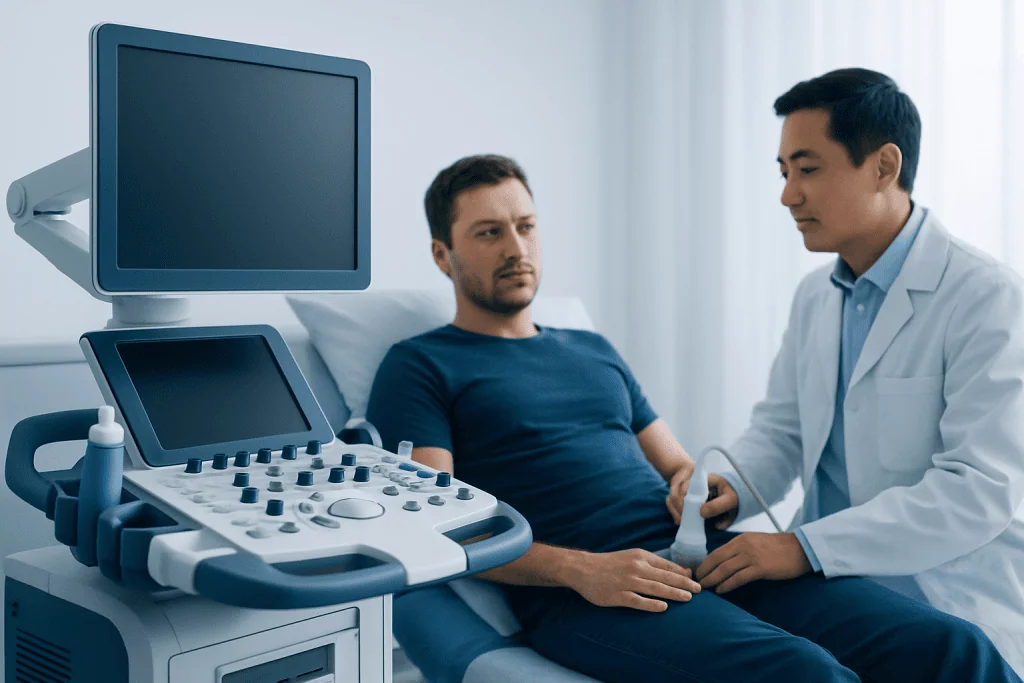
A scrotal ultrasound is usually the main imaging test used first. This test uses sound waves to show whether a lump is inside the testicle and whether it appears solid or fluid-filled. Ultrasound is painless and can help distinguish possible cancer from conditions such as cysts or inflammation.
Blood tests may also be done to measure tumor markers, including proteins that can be raised in some types of testicular cancer. If cancer is strongly suspected, doctors usually recommend surgery to remove the affected testicle rather than performing a needle biopsy through the scrotum. This approach helps confirm the diagnosis while reducing the risk of spreading tumor cells locally.
After diagnosis, additional imaging such as CT scans may be used to see whether the cancer has spread to lymph nodes or other organs. The final diagnosis includes the type of cancer and its stage, which helps guide treatment planning.
Treatment Options
Treatment depends on the type of testicular cancer, whether it has spread, and the person’s general health and preferences. In most cases, the first step is surgery to remove the affected testicle, a procedure called orchiectomy. This allows specialists to confirm the diagnosis and is often a key part of treatment for both seminoma and non-seminoma tumors.
After surgery, some people may only need close follow-up with regular exams, scans, and blood tests. This is called surveillance and may be appropriate when the cancer is found early and the risk of recurrence is low. Others may need additional treatment to reduce the chance of the cancer coming back or to treat disease that has already spread.
Additional treatment may include chemotherapy, radiation therapy, or surgery to remove affected lymph nodes in selected cases. The treatment plan is individualized, and doctors also discuss fertility, hormone function, and sperm banking before treatment when relevant. People who need broader medical oncology care are usually managed by a multidisciplinary team.
With modern treatment approaches, outcomes are often very good. Even so, follow-up is essential after treatment because recurrence can happen, and long-term monitoring helps address both cancer control and overall health.
Self-checks, Prevention, and General Self-care
There is no guaranteed way to prevent testicular cancer, but becoming familiar with the normal look and feel of the testicles may help a person notice changes sooner. Some doctors encourage regular self-awareness rather than strict scheduled self-exams for everyone. The goal is not to create worry, but to make it easier to recognize a new lump, swelling, or change in firmness.
A simple self-check can be done during or after a warm shower, when the scrotal skin is relaxed. Each testicle can be felt gently between the fingers and thumb to look for any unusual lump, hardness, or change in size. It is normal for one testicle to sit slightly lower than the other, so the focus should be on new changes rather than perfect symmetry.
General self-care also matters during and after evaluation. People should avoid delaying an appointment because of embarrassment, and they should seek prompt care if symptoms persist. If a doctor identifies a non-cancer cause such as infection or fluid buildup, following treatment instructions carefully is important.
For people diagnosed with testicular cancer, good self-care includes attending all follow-up visits, discussing fertility preservation if desired, and asking about emotional support when needed. Learning about related testicular cancer care can also help patients feel more informed and prepared.
When to See a Doctor
A doctor should be seen promptly for any new lump, swelling, firmness, or size change in a testicle. Medical review is also important for persistent heaviness, a dull ache in the scrotum or groin, or unexplained discomfort that does not improve. Even if symptoms are mild or painless, they should not be ignored.
Urgent medical attention is especially important if there is sudden severe testicular pain. While cancer often does not cause sudden intense pain, this symptom can be a sign of other emergencies such as testicular torsion, which requires immediate treatment to protect the testicle.
People should also seek care if symptoms return after treatment or if new symptoms such as back pain, cough, or unexplained weight loss develop. Early evaluation helps rule out serious causes and can lead to faster treatment when needed.
For international patients needing specialist assessment, Acibadem International offers multidisciplinary evaluation and treatment through JCI-accredited hospitals. The most important step, however, is timely consultation with a qualified urologist or oncology team for a clear diagnosis and individualized care.
Frequently asked questions
Is testicular cancer always painful?
No. Testicular cancer often starts as a painless lump or swelling, which is one reason it can be overlooked. Some people do develop discomfort, heaviness, or a dull ache, but the absence of pain does not rule it out.
Can a lump in the testicle be something other than cancer?
Yes. Testicular lumps can also be caused by infections, cysts, fluid collections, inflammation, or injury. Even so, any new lump should be checked by a doctor because it is not possible to confirm the cause by symptoms alone.
How is testicular cancer usually found?
It is often found after a person notices a lump, swelling, or change in one testicle and seeks medical care. Doctors usually evaluate it with a physical exam, scrotal ultrasound, and blood tests, and then confirm the diagnosis with surgery if needed.
What age group gets testicular cancer most often?
Testicular cancer is more common in younger and middle-aged males than many other cancers. However, it can occur at other ages too, so symptoms should be evaluated regardless of age.
Is testicular cancer treatable?
Yes. Testicular cancer is often highly treatable, especially when it is diagnosed early. Treatment may involve surgery alone or surgery combined with chemotherapy, radiation therapy, or additional procedures depending on the type and stage.
Should someone perform regular testicular self-exams?
Many doctors encourage testicular self-awareness so a person knows what is normal for their body. If a new lump, swelling, or firmness is noticed, the key step is to arrange a medical evaluation rather than waiting to see if it goes away.
References
- World Health Organization
- National Cancer Institute
- American Cancer Society
- National Health Service
- European Association of Urology
This article is for general information only and is not a substitute for professional medical advice. Please consult a qualified doctor about your individual situation.
Testicular Cancer in Turkey — costs, top hospitals & a free quote
JCI-accredited · board-certified surgeons · reply within 24h
Add us as a Preferred Source to see more of our trusted health content across Google Search, AI Overviews and Discover.