They Did Surgery on an Egg: Procedure, Recovery and Results
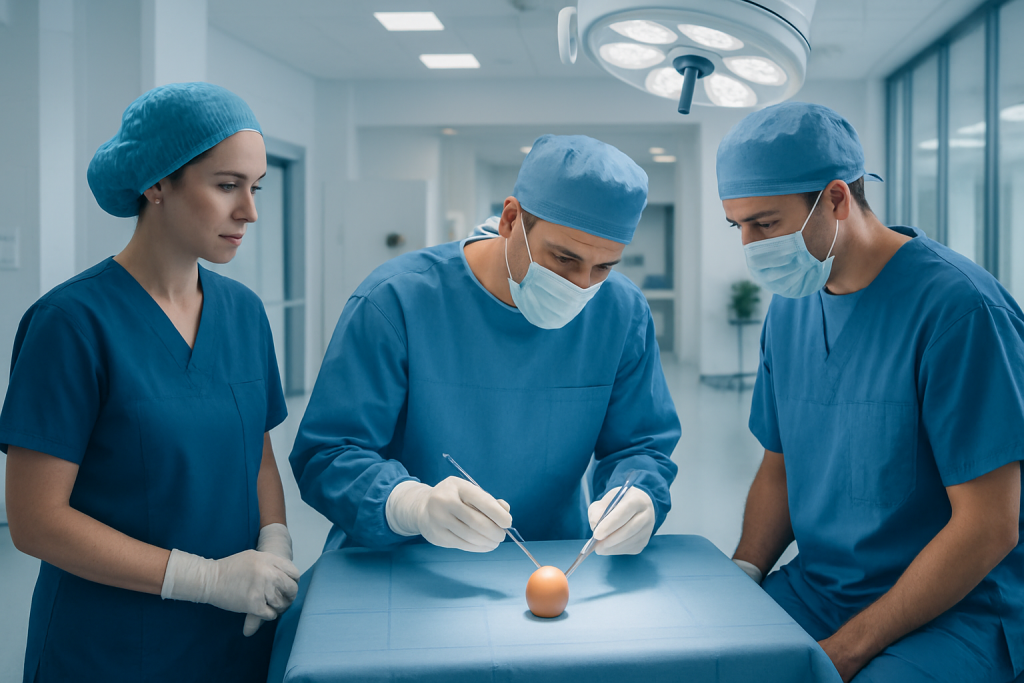
Egg retrieval is a short, minimally invasive procedure used in IVF and egg-freezing treatment. The eggs are collected from ovarian follicles, not through an incision into the abdomen.
Key Takeaways
- Egg retrieval is a short, minimally invasive procedure used in IVF and egg-freezing treatment.
- The eggs are collected from ovarian follicles, not through an incision into the abdomen.
- Most people have mild cramping, bloating, spotting, or fatigue for a few days afterward.
- Bed rest is usually not needed, but the care team may recommend taking it easy on the day of the procedure.
- Severe pain, heavy bleeding, fever, breathing difficulty, or rapidly worsening bloating needs prompt medical assessment.
The phrase “they did surgery on an egg” commonly describes egg retrieval, also called egg collection, during in vitro fertilization (IVF) or egg freezing. It is a minimally invasive procedure in which a fertility specialist collects mature eggs from the ovaries using ultrasound guidance and medication for comfort.
What does “they did surgery on an egg” mean?
When someone says “they did surgery on an egg,” they are usually referring to an egg retrieval procedure. This is a key step in IVF and egg-freezing care. A fertility specialist removes mature eggs from fluid-filled sacs in the ovaries, called follicles, so the eggs can be fertilized in a laboratory or frozen for future use.
Despite the everyday wording, the egg itself is not operated on inside the body. The egg surgery procedure uses a thin needle passed through the vaginal wall under ultrasound guidance. There are usually no external cuts or stitches, and the procedure is commonly performed with intravenous sedation or anesthesia so the patient is comfortable.
Egg retrieval is planned after a period of ovarian stimulation with fertility medicines. These medicines encourage several follicles to develop at once, allowing the clinical team to collect more than one mature egg during a single cycle. The number of eggs retrieved varies considerably from person to person and cannot be guaranteed.
How egg retrieval works and who may be a candidate
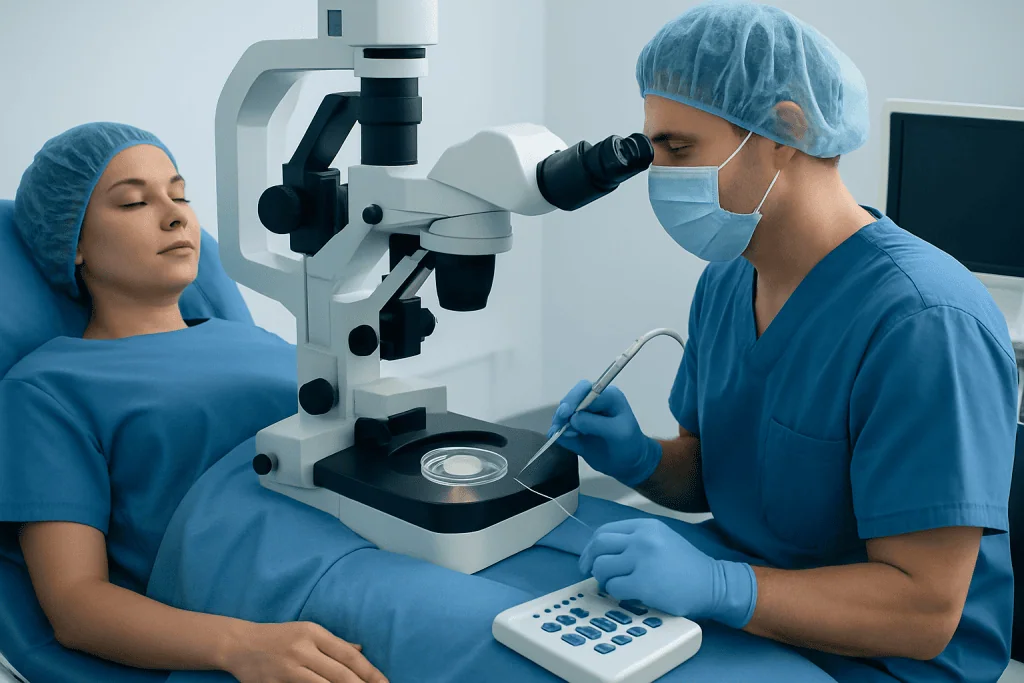
Egg retrieval may be recommended for people pursuing IVF, fertility preservation before medical treatment that could affect fertility, planned egg freezing, or donation. It may also be part of treatment when certain fertility factors make natural conception or less complex fertility treatment less likely to succeed.
Before treatment, a fertility team reviews medical history, menstrual patterns, medications, ovarian reserve testing, ultrasound findings, and relevant blood tests. The team also discusses goals, such as embryo creation, freezing unfertilized eggs, or fertility preservation. This assessment helps determine whether ovarian stimulation and retrieval are appropriate and how the cycle should be monitored.
Not everyone will be advised to proceed immediately. Certain untreated medical conditions, concerns related to anesthesia, a high likelihood of excessive ovarian response, or findings that require further evaluation may change the plan. A reproductive endocrinologist, sometimes informally called an egg surgeon, is typically the doctor coordinating this specialized care.
People considering IVF or egg freezing can learn more about the broader process through IVF treatment. Individual recommendations should always come from a qualified fertility specialist who knows the patient’s health history.
Step by step: what happens during the procedure

In the days before retrieval, the patient attends ultrasound and hormone-monitoring appointments while using prescribed stimulation medicines. When the follicles have reached an appropriate stage of development, the care team gives instructions for a final “trigger” injection. The timing of this medication is important because it supports final egg maturation before collection.
On the retrieval day, patients are usually asked not to eat or drink for a specified period if sedation or anesthesia is planned. They should arrange for a responsible adult to take them home afterward. At the clinic or hospital, the team checks vital signs, confirms the treatment plan, and administers sedation or anesthesia.
During the egg surgical procedure, a doctor places an ultrasound probe in the vagina. A fine needle attached to the probe passes through the vaginal wall into each visible follicle. Follicular fluid is gently aspirated, and embryology staff immediately examine the fluid in the laboratory to identify and prepare the eggs.
How long does an egg retrieval surgery take? The collection itself commonly takes about 15 to 30 minutes, although preparation, recovery from sedation, and laboratory processes mean the full visit is longer. After observation, most patients go home the same day with personalized recovery instructions.
Benefits, limitations and possible risks
The main benefit of egg retrieval is that it makes IVF, embryo freezing, and egg freezing possible. It provides eggs that can be fertilized with sperm in the laboratory or preserved for future reproductive use. For some patients, this may offer an important option when timing, infertility, or planned medical treatment affects family-building decisions.
However, egg retrieval does not guarantee pregnancy, a healthy embryo, or a future live birth. Egg maturity, egg quality, sperm factors, embryo development, uterine health, age, and other medical factors all influence outcomes. The fertility team can explain what is known about an individual situation without promising a specific result.
Most side effects are temporary and include pelvic cramping, abdominal fullness, light vaginal spotting, nausea, fatigue, and constipation. Less common risks include bleeding, infection, injury to nearby organs, complications from sedation, ovarian twisting, or ovarian hyperstimulation syndrome (OHSS), in which the ovaries become enlarged and fluid shifts can cause more significant symptoms.
The clinic may adjust medication or recommend close follow-up when there is a concern for OHSS. Patients should follow the instructions they receive after retrieval and contact their care team promptly if symptoms are severe, unexpected, or getting worse.
Recovery timeline and self-care after egg retrieval
Recovery is often straightforward, but the experience differs between individuals. On the day of retrieval, lingering sleepiness from sedation is common. Patients should rest at home, avoid driving, alcohol, important decisions, and strenuous activity, and use only medicines approved by their fertility team.
During the next one to three days, mild cramps, bloating, light spotting, and tiredness may continue. Comfortable clothing, adequate fluids, regular light meals, and gentle movement around the home can help. The ovaries may remain temporarily enlarged after stimulation, so high-impact exercise, heavy lifting, and sexual activity are often restricted until the clinic says they can be resumed.
Some people feel back to normal within a day or two, while others need several days before bloating and pelvic discomfort settle. If eggs are fertilized, the embryology team may provide updates about fertilization and embryo development according to the clinic’s process. If eggs are being frozen, the team explains the number of mature eggs that were successfully preserved.
Emotional recovery also matters. Fertility treatment can involve uncertainty and pressure, even when the procedure goes as planned. Counseling, support from trusted people, and open communication with the fertility team may be useful parts of care.
How painful is egg retrieval recovery?
Egg retrieval recovery is usually described as mild to moderate pelvic cramping, pressure, bloating, or soreness rather than severe pain. Because sedation or anesthesia is used for the procedure itself, many patients do not feel the needle collection while it is happening. Discomfort afterward can resemble menstrual cramps and often improves over a few days.
The degree of discomfort can depend on the number and size of follicles, how the ovaries responded to stimulation, individual pain sensitivity, and whether constipation or bloating develops. The fertility team may recommend safe pain-relief options based on the patient’s treatment plan and medical history.
Severe pain is not something to simply tolerate at home. New or worsening one-sided pain, pain that does not improve with the recommended measures, faintness, or symptoms accompanied by heavy bleeding or fever should be reported promptly.
How much weight do you gain after egg retrieval?
Egg retrieval does not cause permanent weight gain. It is common to notice short-term changes on the scale because stimulation medicines, enlarged ovaries, constipation, and temporary fluid retention can cause abdominal bloating. These changes generally improve as the ovaries recover and normal fluid balance returns.
A rapid increase in weight over a short period, particularly along with severe bloating, reduced urination, nausea or vomiting, shortness of breath, or chest discomfort, can be a warning sign of OHSS. The patient should contact the fertility clinic urgently for individualized advice rather than trying to manage these symptoms alone.
Patients should not begin restrictive dieting or use diuretics unless their clinician specifically advises it. Following the clinic’s hydration, food, activity, and monitoring guidance is the safest approach during recovery.
Is egg retrieval a serious surgery?
Egg retrieval is a medical procedure that requires careful planning, sterile technique, ultrasound guidance, and sedation or anesthesia. It is generally considered minimally invasive because it is performed through the vagina without abdominal incisions, and most patients return home the same day.
Even so, it should be taken seriously. There are small but real risks related to the needle procedure, enlarged ovaries, medications, and anesthesia. Care from an experienced reproductive medicine team, appropriate pre-procedure assessment, and clear post-procedure instructions help reduce risk and support early recognition of complications.
Acibadem International’s multidisciplinary specialists and JCI-accredited hospitals provide assessment and treatment for international patients seeking reproductive medicine care. A consultation can clarify the expected process, safety considerations, and appropriate follow-up for an individual patient.
How many days bed rest after egg retrieval?
Complete bed rest is usually not required after egg retrieval. Most patients are advised to rest for the remainder of the procedure day because of sedation, then return to light daily activities as they feel able. Driving and operating machinery should be avoided until the effects of sedation have fully worn off and the patient has been cleared to do so.
For several days, the fertility clinic may advise avoiding strenuous exercise, running, jumping, heavy lifting, and sexual intercourse because the ovaries can be enlarged and sensitive. Gentle walking is often acceptable, but the care team’s specific instructions should take priority.
Recovery restrictions vary depending on symptoms and the risk of OHSS. Patients who have significant bloating or discomfort, a high follicle count, or other clinical concerns may receive more tailored activity guidance.
When to seek medical care
Patients should contact their fertility clinic promptly for pain that is severe or worsening, heavy vaginal bleeding, a fever, persistent vomiting, increasing abdominal swelling, marked dizziness, or difficulty passing urine. Urgent assessment is also important for rapid weight increase, shortness of breath, chest pain, or a swollen painful leg, as these symptoms require evaluation.
For emergencies, patients should seek immediate local emergency care rather than waiting for a routine clinic appointment. It is helpful to tell emergency clinicians that ovarian stimulation and egg retrieval were recently performed, as this information can guide assessment.
Routine follow-up is also valuable if periods do not return as expected, symptoms remain bothersome beyond the expected recovery period, or there are questions about embryo transfer, frozen eggs, or future treatment. A fertility specialist can provide care that is appropriate to the patient’s specific cycle and overall health.
Frequently asked questions
What is the procedure called when they take eggs from the ovaries?
The procedure is called egg retrieval, egg collection, or oocyte retrieval. It is performed during IVF, egg freezing, and some fertility preservation treatments after the ovaries have been stimulated with medication.
Are you awake during egg retrieval?
Many patients receive intravenous sedation or anesthesia and are asleep or deeply relaxed during the collection. The exact approach depends on the clinic, medical history, and local practice, so the anesthesia plan should be discussed before the procedure.
Can you walk after egg retrieval?
Light walking is often possible after the sedative effects have worn off and the patient feels steady. Strenuous exercise and activities involving jumping, twisting, or heavy lifting are commonly avoided for several days because the ovaries may be enlarged.
How long does bloating last after egg retrieval?
Mild bloating commonly improves over several days, though recovery can take longer for some people. Contact the fertility clinic promptly if bloating is worsening, severe, or accompanied by rapid weight gain, breathing difficulty, reduced urination, or significant pain.
Can egg retrieval damage the ovaries?
Serious injury to the ovaries is uncommon, but no procedure is risk-free. The ovaries can remain enlarged and tender temporarily, and rare complications can include bleeding, infection, ovarian torsion, or OHSS. The fertility team monitors response to medication and provides instructions to reduce these risks.
When can you return to work after egg retrieval?
Many people return to desk-based work the next day or within a few days, depending on sedation effects and symptoms. A physically demanding job may require more time away or temporary activity adjustments, which should be discussed with the fertility clinic.
References
- American Society for Reproductive Medicine
- Centers for Disease Control and Prevention
- Human Fertilisation and Embryology Authority
- Mayo Clinic
- National Institute for Health and Care Excellence
This article is for general information only and is not a substitute for professional medical advice. Please consult a qualified doctor about your individual situation.
Hair transplant in Turkey — costs, graft counts & a free assessment
JCI-accredited · board-certified surgeons · reply within 24h
Add us as a Preferred Source to see more of our trusted health content across Google Search, AI Overviews and Discover.

More from the Health Library



Related Specialists
Prof. Dr. Özgür Yağmur
General Surgery
Dr. Ceyhun Solakoğlu
Intensive Care
Fzt. Gizem Aydın
Physical Medicine & Rehabilitation
Fzt. Sabit Kılıç
Physical Medicine & Rehabilitation