Throat Cancer Radiation Recovery: A Week-by-Week Timeline
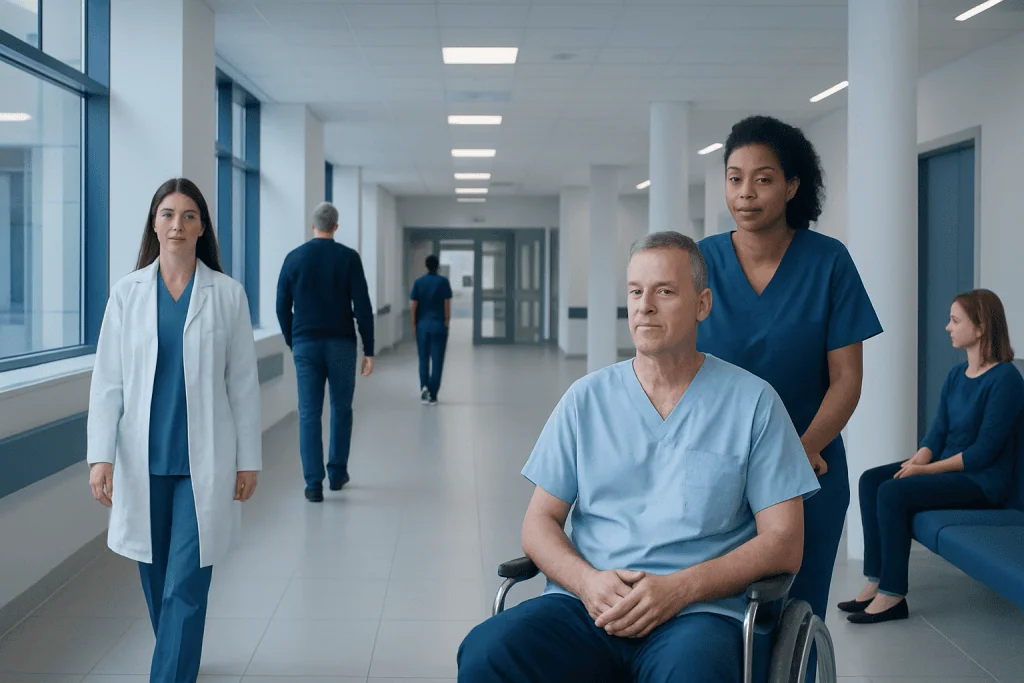
Radiation side effects commonly continue to worsen briefly after the final session before they begin to improve. Many people feel noticeably better within 6 to 12 weeks, although full recovery may take several months.
Key Takeaways
- Radiation side effects commonly continue to worsen briefly after the final session before they begin to improve.
- Many people feel noticeably better within 6 to 12 weeks, although full recovery may take several months.
- Nutrition, hydration, mouth care and swallowing exercises are important parts of recovery.
- Fatigue can last for weeks or months and is influenced by sleep, nutrition, anemia, pain and emotional stress.
- New breathing difficulty, inability to swallow liquids, dehydration, fever or uncontrolled pain needs prompt medical advice.
Throat cancer radiation recovery time is different for every person, but acute effects such as sore throat, swallowing difficulty, skin irritation and fatigue often build during treatment, peak in the first one to two weeks afterward, and gradually ease over the following weeks. Some changes, including dry mouth, taste changes and swallowing problems, may take months to improve and benefit from regular follow-up and rehabilitation.
Overview: What Recovery After Throat Cancer Radiation Looks Like
Radiotherapy for throat cancer uses carefully targeted high-energy radiation to damage cancer cells and reduce their ability to grow. It may be used as the main treatment, after surgery, or together with chemotherapy, depending on the cancer’s location, stage and biological features. The term throat cancer can include cancers affecting the pharynx, larynx (voice box), tonsils or base of the tongue.
A throat cancer recovery timeline is rarely linear. Radiation affects healthy tissues in the treatment field as well as cancer cells, particularly the lining of the mouth and throat, salivary glands, skin and swallowing muscles. Symptoms may therefore increase during treatment and remain significant for a short time after the last session.
For many people, the most intensive short-term effects begin to ease two to six weeks after radiotherapy finishes. Throat cancer radiation recovery time can extend over several months when swallowing, voice, nutrition, dry mouth or fatigue are affected. Ongoing review by the oncology team helps distinguish expected recovery from problems that need treatment.
How Radiation Therapy Works and Who May Receive It
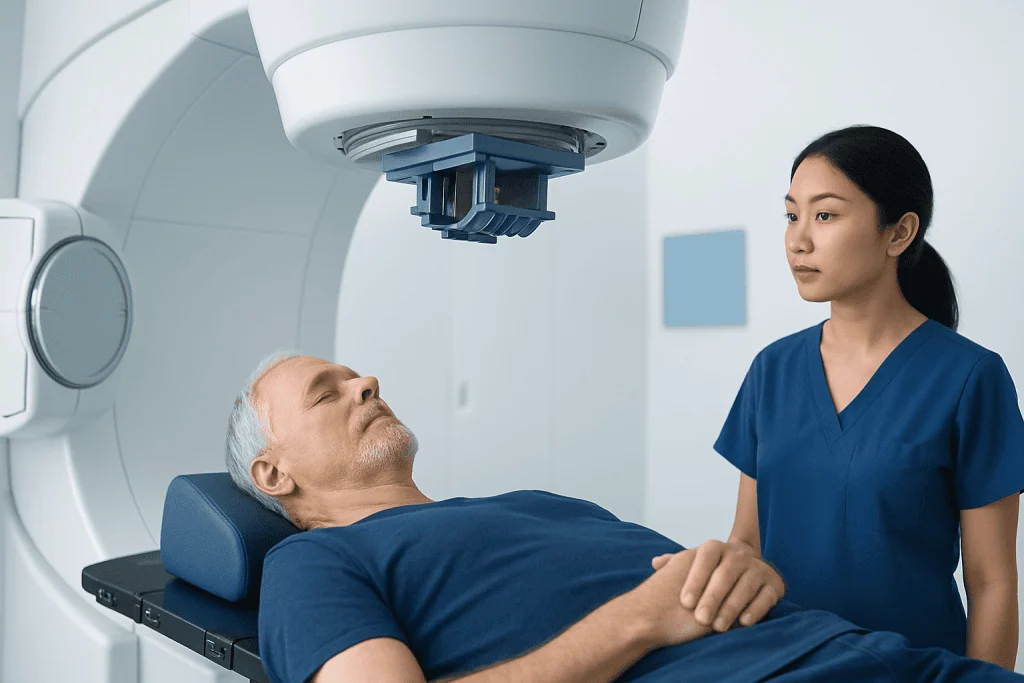
External-beam radiation therapy is the most common approach for throat cancer. Before treatment begins, a planning scan is used to map the tumour and nearby healthy structures. A customised mask helps keep the head and neck in the same position for each appointment, allowing radiation to be delivered as precisely as possible.
Modern techniques, such as intensity-modulated radiation therapy (IMRT), can shape radiation doses around important nearby tissues. Even with careful planning, the mouth, throat and salivary glands may receive radiation because they are close to the cancer. The goal is to control the cancer while reducing avoidable effects on speech, swallowing and saliva production.
Candidacy depends on the cancer type and site, its stage, whether surgery has been performed, overall health and a person’s treatment goals. Some patients receive radiation alone, while others receive chemotherapy at the same time. Combined treatment can be very effective but may intensify side effects and lengthen the throat radiation recovery time.
What Happens Before, During and Immediately After Treatment

Preparation usually includes imaging for treatment planning, dental assessment and discussion with a radiation oncologist. Dental care is especially important because radiation can raise the long-term risk of tooth decay and jaw complications. A dietitian and speech and language therapist may also assess weight, swallowing and speech before treatment starts.
Radiation is typically delivered in short outpatient sessions on weekdays over several weeks. The radiation itself is painless and does not make a person radioactive. During the appointment, the treatment team positions the patient using the planning mask, leaves the room to deliver treatment, and monitors closely from outside.
Side effects often emerge gradually. Early changes can include tiredness, thicker saliva, altered taste, mild throat soreness and skin redness. Later in the course, mouth and throat inflammation, painful swallowing, reduced appetite and weight loss may become more prominent. Supportive medicines, nutrition plans and swallowing therapy are adjusted throughout treatment.
Following therapy, the oncology team schedules regular reviews to manage healing and monitor response. Follow-up may involve physical examinations, endoscopy, imaging and thyroid or dental monitoring where appropriate. Care is personalised according to the original cancer site and treatment received.
Week-by-Week Throat Cancer Radiation Recovery Timeline
During the final weeks of radiation: Symptoms commonly build as treatment continues. A sore throat, mouth ulcers, thick saliva, taste loss, dry mouth, hoarseness, skin sensitivity and fatigue may affect eating and daily activities. Some people require liquid nutrition, pain management or temporary tube feeding to maintain hydration and weight.
Week 1 to 2 after the final treatment: This is often the most difficult point in throat cancer radiation recovery. Radiation effects continue after the last session, so throat pain, swallowing difficulty, skin reactions and tiredness may temporarily worsen. Close contact with the treatment team is important, especially if fluid intake is falling.
Weeks 3 to 6: Inflamed mouth and throat tissues usually begin to heal. Pain and skin reactions often lessen, and many people can gradually expand the foods and drinks they tolerate. Energy may improve slowly rather than suddenly. Dry mouth, taste changes and swallowing discomfort may still be present.
Weeks 6 to 12: Many patients report clearer improvement in comfort, intake and everyday functioning. However, recovery can still be uneven, particularly after chemoradiotherapy. Speech and swallowing therapy may help restore strength, coordination and confidence with eating.
Three months and beyond: Longer-term effects may continue to improve over months. Some people have persistent dry mouth, altered taste, neck stiffness, dental problems, thyroid changes or swallowing difficulty. These are not inevitable, and specialist rehabilitation and symptom management can make a meaningful difference.
How Long After Throat Cancer Does Radiotherapy Feel Better?
Many people start to feel some improvement about two to six weeks after radiotherapy ends, although the first one to two weeks afterward can be challenging. By six to twelve weeks, pain, mouth soreness and skin reactions have often improved substantially. The exact throat cancer treatment recovery time depends on the radiation dose and field, whether chemotherapy was given, baseline nutrition, smoking status and individual healing.
Recovery of taste, saliva and swallowing can take longer than recovery from visible skin or mouth reactions. Taste may return gradually over months, while dry mouth can improve slowly and may remain partly persistent if salivary glands received a significant radiation dose. Swallowing difficulties can also develop or persist after treatment, so continued exercises and follow-up are valuable.
A person should not assume that every symptom is simply part of healing. Persistent worsening pain, a new neck lump, increasing swallowing problems or unexplained weight loss should be discussed with the oncology team. Follow-up is designed both to support recovery and to check for cancer recurrence.
How Long After Radiation Are You Tired?
Radiation-related fatigue may begin during treatment and can continue for several weeks after it ends. Some people recover energy within one to two months, while others feel tired for several months, particularly after combined chemotherapy and radiation. Fatigue is real and can occur even when a person is resting adequately.
Several factors can contribute, including the body’s repair process, pain, poor sleep, reduced food or fluid intake, emotional stress, anemia, infection and other medical conditions. The care team may check for treatable causes when fatigue is severe, prolonged or worsening.
Gentle activity, paced rest, adequate fluids and regular meals or prescribed nutritional support can help. It is usually better to take short planned rests than to remain inactive all day, as tolerated. A gradual return to normal routines is safer than trying to resume every activity at once.
Can You Drive After Radiation Treatment?
Radiation treatment itself does not usually impair driving, and external-beam radiation does not make a person radioactive. Some patients are able to drive themselves to and from appointments, especially early in the course of therapy. However, driving should be avoided if a person feels weak, dizzy, very tired, dehydrated, distracted by pain or unable to move the head and neck comfortably.
Prescription pain medicines, anti-nausea medicines and anxiety medicines can also affect alertness and reaction time. Anyone taking a medicine that may cause drowsiness should follow the prescribing clinician’s guidance and should not drive until they know how it affects them.
As side effects intensify, arranging support with transport can reduce strain and improve safety. Patients should ask their oncology team for individual advice, particularly if they have had surgery, are receiving chemotherapy, have vision changes or have other health conditions that affect driving.
How to Stay Strong During Radiation Therapy
Staying strong during radiation therapy means protecting nutrition, hydration, movement and emotional wellbeing while accepting that temporary adjustments may be necessary. Small, frequent meals can be easier than three large meals. Soft, moist foods, high-protein snacks and calorie-dense drinks may help when swallowing is uncomfortable; a dietitian can create an individual plan.
Drinking enough fluid is important because mouth pain, thick saliva and fatigue can make dehydration more likely. Regular mouth care, as advised by the clinical team, may reduce discomfort and lower the risk of infection. Avoiding tobacco and limiting alcohol supports healing and reduces irritation to already sensitive tissues.
Swallowing exercises prescribed by a speech and language therapist are often an important part of care, even when eating is difficult. Maintaining safe swallowing activity where advised may help preserve muscle function. Neck and shoulder stretching or physiotherapy may also reduce stiffness after treatment.
People receiving care through Acibadem International may be supported by multidisciplinary specialists in JCI-accredited hospitals, including radiation oncology, nutrition, dentistry, speech and swallowing rehabilitation, and supportive care services for international patients.
Benefits, Risks and When to Seek Medical Care
The main benefit of radiotherapy is local cancer control while aiming to preserve important structures and functions when possible. For selected throat cancers, it can avoid the need for extensive surgery or be used after surgery to reduce the risk of cancer returning. Treatment decisions balance these benefits against possible short- and long-term effects.
Short-term effects may include mouth and throat inflammation, painful swallowing, thick or reduced saliva, taste changes, skin reactions, voice changes, fatigue and weight loss. Longer-term risks can include persistent dry mouth, swallowing difficulties, dental decay, jaw problems, neck stiffness, thyroid dysfunction and, less commonly, tissue changes that need specialist care.
When to seek medical care: Contact the cancer team promptly for inability to swallow liquids, signs of dehydration such as very dark urine or very little urine, fever, uncontrolled pain, persistent vomiting, bleeding, rapidly worsening neck swelling or a new breathing problem. Emergency care is needed for severe breathing difficulty, coughing or choking that does not settle, confusion, fainting or symptoms of a serious allergic reaction.
Regular follow-up allows the team to address problems early. Anyone concerned about their throat cancer radiation recovery should contact their radiation oncology or head and neck cancer team rather than waiting for the next routine appointment.
Frequently asked questions
What is the usual throat cancer radiation recovery time?
Acute side effects commonly peak during the final part of treatment or within the first one to two weeks after it ends. Many people experience meaningful improvement over the next 6 to 12 weeks, but dry mouth, taste changes, swallowing symptoms and fatigue can take several months to improve.
Why do side effects get worse after radiation has finished?
Radiation affects cells over time, and the treated tissues may continue to develop inflammation after the final appointment. This is why throat pain, skin reactions and swallowing difficulty can briefly worsen before healing begins.
Will swallowing return to normal after throat radiation?
Many people regain comfortable swallowing, but the speed and degree of recovery vary. Early assessment, nutrition support and swallowing exercises can help, while persistent or worsening symptoms should be assessed by a speech and language therapist and oncology team.
Can dry mouth after radiation improve?
Dry mouth may improve gradually over months as salivary tissue recovers, but some people have longer-lasting symptoms. Frequent sips of water, saliva substitutes, meticulous dental care and clinician-recommended treatments may help manage it.
Is it normal to lose weight during throat cancer radiation?
Weight loss can occur because sore throat, taste changes and swallowing difficulty reduce food intake. It should be addressed early with the cancer team or dietitian, as maintaining nutrition and hydration supports treatment tolerance and healing.
When can a person return to work after throat cancer radiation?
The timing depends on the type of work, fatigue level, symptom burden and whether chemotherapy or surgery was also part of treatment. Some people return gradually within weeks, while others need several months; a staged plan with the clinical team and employer may be helpful.
References
- National Cancer Institute
- American Cancer Society
- American Society for Radiation Oncology
- Cancer Research UK
- National Comprehensive Cancer Network
This article is for general information only and is not a substitute for professional medical advice. Please consult a qualified doctor about your individual situation.
Oncology care in Turkey — second opinion and treatment plan
JCI-accredited · board-certified surgeons · reply within 24h
Add us as a Preferred Source to see more of our trusted health content across Google Search, AI Overviews and Discover.