Tibial Tuberosity — Explained by Medical Evidence, Not Myths
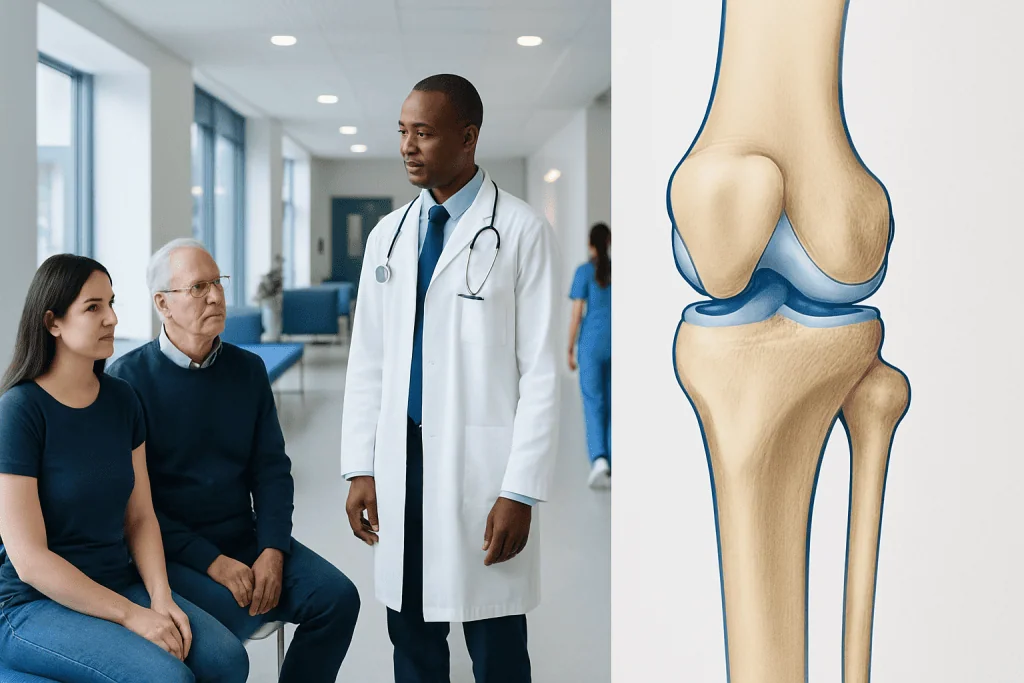
The tibial tuberosity is a normal bony landmark below the kneecap where the patellar tendon connects to the tibia. Pain at the tibial tuberosity is common in active adolescents and may be linked to Osgood-Schlatter disease.
Key Takeaways
- The tibial tuberosity is a normal bony landmark below the kneecap where the patellar tendon connects to the tibia.
- Pain at the tibial tuberosity is common in active adolescents and may be linked to Osgood-Schlatter disease.
- Adults can also develop pain in this area from tendon overload, direct trauma, or less commonly fracture or inflammation.
- Diagnosis usually relies on a medical history, physical examination, and sometimes imaging such as X-ray or MRI.
- Treatment is often conservative and may include activity adjustment, ice, physical therapy, and guided return to sports.
The tibial tuberosity is the bony prominence on the front of the shinbone just below the knee, where the patellar tendon attaches. It is a normal part of knee anatomy, but it can become painful from growth-related irritation, overuse, inflammation, or injury.
Overview: what the tibial tuberosity is
The tibial tuberosity is the firm bump on the front of the upper shinbone, just below the kneecap. It is the point where the patellar tendon attaches the kneecap to the tibia, helping the thigh muscles straighten the knee during walking, climbing stairs, jumping, and running. In other words, it is not a disease itself, but an important part of normal knee structure.
Questions about the tibial tuberosity often arise when a person notices pain, swelling, or a more prominent bump in this area. In children and teenagers, this commonly relates to stress where the tendon pulls on a growth area of bone. In adults, discomfort may be more closely related to tendon irritation, repetitive loading, or a direct blow to the front of the knee.
This topic is often discussed in very simple terms, but medical evidence shows that symptoms depend on age, activity level, growth stage, and whether there has been an injury. A careful evaluation helps distinguish normal anatomical prominence from conditions such as Osgood-Schlatter disease or other causes of pain at the front of the knee.
What the tibial tuberosity does in knee movement
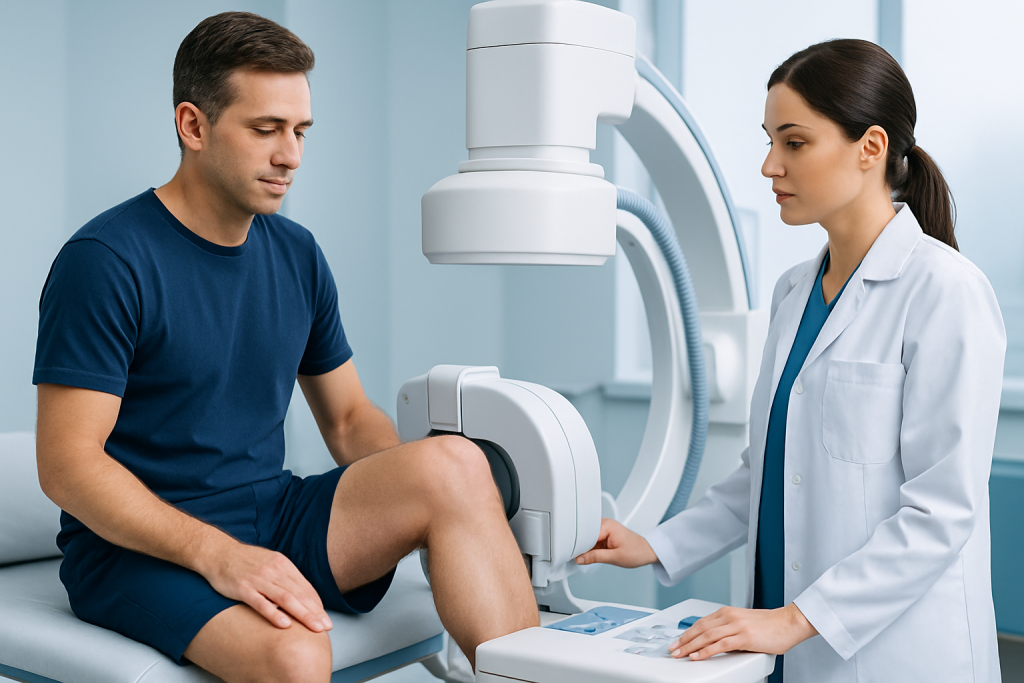
The tibial tuberosity acts as an anchor point in the knee’s extensor mechanism. When the quadriceps muscles at the front of the thigh contract, force travels through the quadriceps tendon to the kneecap and then through the patellar tendon to the tibial tuberosity. This chain allows the knee to extend and helps control movement when landing, squatting, or changing direction.
Because this attachment point transmits repeated force, it can become irritated when stresses exceed what the tissues can comfortably handle. During growth spurts, the developing bone and cartilage around the tibial tuberosity may be especially sensitive to repeated traction from sports that involve sprinting, jumping, or kicking.
Normal variation also matters. Some people naturally have a more visible or palpable tibial tuberosity than others, especially if they are lean or athletic. A larger bump alone is not necessarily a problem unless it is painful, tender, red, swollen, or associated with reduced function.
Symptoms linked to tibial tuberosity problems
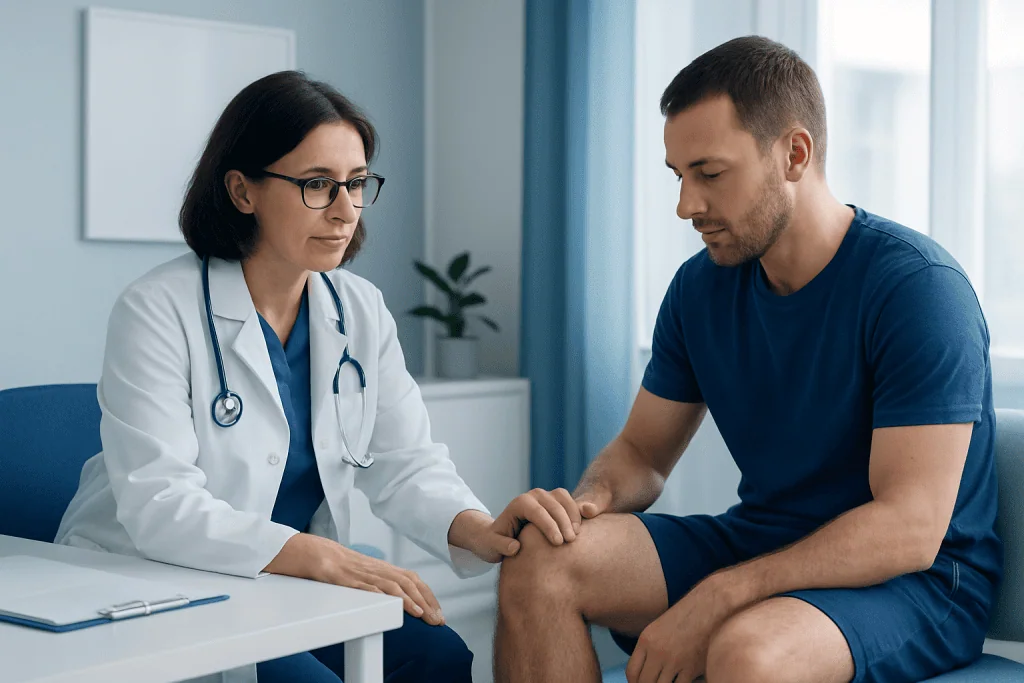
Symptoms can vary from mild tenderness to more noticeable pain that limits activity. The most typical complaint is pain directly over the bony bump below the kneecap, especially during running, jumping, kneeling, stair climbing, or getting up from a squat. Some people also notice swelling or a hard, prominent bump.
In adolescents, symptoms often develop gradually and worsen with sports, then improve with rest. The area may be sore to touch, and the front thigh muscles can feel tight. In adults, pain may be linked to patellar tendon overload or previous injury and may come with stiffness after exercise.
Medical assessment is important if pain is severe, began suddenly after trauma, or is paired with instability, inability to bear weight, fever, marked swelling, or loss of knee motion. These features can point to a problem more serious than simple overuse.
- Pain below the kneecap at the front of the shin
- Tenderness when pressing on the bump
- Swelling or visible prominence
- Pain with jumping, running, kneeling, or stairs
- Tightness in the quadriceps or hamstrings
Common causes and risk factors
The best-known cause of tibial tuberosity pain in young people is Osgood-Schlatter disease, a traction-related irritation of the growth area where the patellar tendon attaches. It is most common during periods of rapid growth and in children or teenagers who take part in sports with frequent sprinting, jumping, and sudden direction changes.
Other causes include patellar tendon irritation, direct impact to the front of the knee, repetitive kneeling, and less commonly fracture or inflammation around the tendon attachment. In adults, front-of-knee pain can also overlap with conditions such as patellofemoral pain syndrome, so the exact pain location and physical examination findings matter.
Risk is often influenced by a combination of training load and body mechanics rather than a single factor. Rapid increases in sports intensity, limited flexibility, muscle imbalance, poor landing mechanics, inadequate recovery, or previous knee problems can all contribute. Even so, not everyone with these factors will develop symptoms, and many cases improve well with time and supportive care.
How doctors diagnose the cause
Diagnosis begins with a detailed history. A clinician will usually ask when the pain started, whether there was a specific injury, which activities trigger symptoms, and whether the person is still growing. The pattern of pain during sports, rest, kneeling, or daily activity often provides important clues.
A physical examination follows, focusing on tenderness over the tibial tuberosity, swelling, flexibility, knee range of motion, and the strength of the quadriceps and surrounding muscles. The doctor may also assess the kneecap, patellar tendon, gait, and alignment of the legs to identify contributing factors.
Imaging is not always necessary, especially when the history and exam are typical for a growth-related overuse condition. X-rays may be used if there is concern about fracture, unusual swelling, or another bone problem. MRI or ultrasound may be considered when symptoms are persistent, the diagnosis is unclear, or there is concern for tendon injury or other knee conditions. In some cases, evaluation in orthopedics or physical therapy and rehabilitation can help guide recovery.
Treatment options and recovery
Treatment depends on the cause, severity, and age of the patient. Many cases related to overuse or adolescent growth are managed conservatively. This usually means reducing or modifying painful activities for a period, using ice after exercise, and gradually returning to sport as symptoms settle. The goal is not complete inactivity in every case, but a level of activity that does not significantly worsen pain.
Structured rehabilitation can be very helpful. Stretching tight quadriceps and hamstrings, improving hip and core strength, and correcting movement patterns may reduce stress on the knee. A clinician may also suggest temporary support such as activity-specific bracing or taping when appropriate, although this does not replace exercise-based treatment.
Pain relief approaches should be individualized and discussed with a qualified doctor, especially for children. If there is significant tendon injury, avulsion fracture, or a different structural knee problem, referral for specialist care may be needed. In selected cases, further assessment with knee surgery expertise or sports injuries care may be appropriate, though surgery is not the usual treatment for common traction-related tibial tuberosity pain.
Prevention, self-care, and when to seek medical care
While not every case can be prevented, a few practical steps may lower the chance of irritation around the tibial tuberosity. Gradual increases in training, rest days between intense sessions, good warm-up habits, and attention to flexibility and strength can all help. Supportive footwear and sport-specific technique may also reduce repeated strain on the front of the knee.
Self-care usually focuses on load management rather than ignoring symptoms. If pain appears during a growth spurt or sports season, it may help to reduce jumping or sprinting temporarily, apply ice after activity, and begin an exercise program recommended by a clinician or physiotherapist. Returning too quickly to high-impact training can prolong symptoms.
Medical care is advisable if pain lasts more than a few weeks, limits daily activities, causes a limp, or keeps returning despite rest and rehabilitation. Prompt evaluation is especially important after a sudden injury, if the knee is very swollen, if the person cannot bear weight, or if there are signs such as redness, warmth, or fever. Near the end of the care pathway, patients seeking coordinated evaluation may consider centers such as Acibadem International, where multidisciplinary specialists in JCI-accredited hospitals diagnose and treat knee conditions for international patients.
Frequently asked questions
Is the tibial tuberosity a normal part of the body?
Yes. The tibial tuberosity is a normal bony prominence on the upper tibia just below the kneecap. It serves as the attachment site for the patellar tendon, which helps straighten the knee.
Why does the tibial tuberosity hurt in teenagers?
In teenagers, pain in this area is often related to repeated pulling of the patellar tendon on a developing growth area. This pattern is commonly seen in active adolescents, especially during growth spurts and sports involving running or jumping.
Can adults have tibial tuberosity pain too?
Yes. Adults may develop pain at the tibial tuberosity from tendon overload, kneeling pressure, direct trauma, or other front-of-knee problems. A medical evaluation helps identify whether the pain is from the tendon attachment itself or another nearby structure.
Does a prominent bump below the knee always mean disease?
No. Some people naturally have a more noticeable tibial tuberosity, and a visible bump alone is not always abnormal. It becomes more important to assess if the area is painful, swollen, tender, or affecting activity.
When is imaging needed for tibial tuberosity pain?
Imaging is not always required if symptoms and examination findings are typical for a common overuse condition. Doctors may order X-rays, ultrasound, or MRI if the diagnosis is uncertain, symptoms are severe or persistent, or there is concern about fracture or tendon injury.
How long does recovery usually take?
Recovery time varies with the cause, the person's age, and whether activities are adjusted early. Mild overuse symptoms may improve within weeks, while growth-related irritation in adolescents can come and go for longer periods until the growth area matures.
This article is for general information only and is not a substitute for professional medical advice. Please consult a qualified doctor about your individual situation.
Joint and spine care in Turkey — expert assessment & treatment
JCI-accredited · board-certified surgeons · reply within 24h
Add us as a Preferred Source to see more of our trusted health content across Google Search, AI Overviews and Discover.

More from the Health Library

TSH Test: What Patients Need to Know

Food poisoning treatments: A Complete Medical Guide for Patients

Electric Shock: What Patients Need to Know
Axillary Temperature — Explained by Medical Evidence, Not Myths

Water Vape: A Complete Medical Overview