Tilapia: What Patients Need to Know

Tilapia is a lean source of protein and provides several vitamins and minerals. For most people, tilapia can be a healthy choice when it is well cooked and prepared with less salt and saturated fat.
Key Takeaways
- Tilapia is a lean source of protein and provides several vitamins and minerals.
- For most people, tilapia can be a healthy choice when it is well cooked and prepared with less salt and saturated fat.
- The main health concerns are foodborne illness, fish allergy, and choosing safe handling and cooking methods.
- People who are pregnant, older, immunocompromised, or living with chronic illness should be especially careful about seafood safety.
- Medical care is important for severe allergic symptoms, signs of dehydration, or ongoing digestive problems after eating fish.
Tilapia is a widely eaten, mild-tasting fish that can be part of a balanced diet for many people. For patients, the main questions are usually about nutrition, safety, preparation, and when symptoms after eating fish may need medical attention.
Overview: what tilapia means for patients
Tilapia is a commonly eaten fish known for its mild flavor, soft texture, and wide availability. From a health perspective, tilapia is not inherently harmful for most people. It is generally considered a lean protein choice that can fit into a balanced eating pattern, especially when baked, grilled, steamed, or lightly sautéed rather than heavily fried.
Patients often ask whether tilapia is “good” or “bad” for health. The most accurate answer is that tilapia can be a reasonable option, but its health value depends on portion size, overall diet, how it is cooked, and how safely it is stored and prepared. Concerns are usually less about the fish itself and more about food handling, breading and frying, high-sodium sauces, or individual conditions such as fish allergy.
It is also helpful to separate nutrition questions from safety questions. Nutritionally, tilapia provides protein and several important nutrients. From a safety perspective, the key issues are freshness, refrigeration, thorough cooking, and avoiding cross-contamination in the kitchen. For people with ongoing digestive symptoms after eating seafood, evaluation for problems such as gastroenteritis may sometimes be needed.
Nutrition profile and possible health benefits
Tilapia is valued mainly as a lean source of protein. Protein helps support muscles, immune function, tissue repair, and satiety. For patients trying to maintain strength during recovery, reduce reliance on processed meats, or improve meal quality, fish like tilapia can be a practical choice.
In addition to protein, tilapia contains nutrients such as vitamin B12, niacin, selenium, phosphorus, and potassium. These nutrients support nerve function, energy metabolism, antioxidant defenses, bone health, and normal muscle and heart function. The exact nutrient content can vary by portion size, farming and feed practices, and how the fish is prepared.
Tilapia is often discussed alongside oily fish such as salmon, sardines, or mackerel. It is important to note that tilapia is usually lower in omega-3 fatty acids than these fish. That does not make tilapia unhealthy; it simply means it should not be viewed as the strongest source of omega-3s. A varied diet that includes different types of seafood, legumes, vegetables, fruits, whole grains, and healthy fats is usually the most balanced approach.
For people watching calorie intake, tilapia can work well because it is typically lower in fat than many animal proteins. Its overall effect on health, however, depends heavily on preparation. A baked fillet with vegetables is quite different from deep-fried fish with salty sauces and refined side dishes.
Potential risks and common concerns

The main medical concerns linked to tilapia are usually practical rather than unique to this fish. These include foodborne illness from improper storage or undercooking, allergic reactions in people with fish allergy, and digestive upset after contaminated seafood. Symptoms may include nausea, vomiting, diarrhea, abdominal cramps, or fever, depending on the cause.
Some people worry about whether farmed tilapia is safe. In general, seafood safety depends on the source, quality control, and regulatory standards rather than broad assumptions about one species. Buying from reputable suppliers and storing fish properly at home are sensible ways to reduce risk.
Another common concern is whether tilapia is “inflammatory” or less healthy than other fish. Tilapia is lower in omega-3 fats than oily fish, but it can still be part of a healthy eating pattern. It is more useful to focus on the whole diet than on labeling one food as universally good or bad.
People with a confirmed fish allergy should avoid tilapia unless a qualified allergy specialist advises otherwise. Reactions can range from mild hives to serious breathing problems. Patients with suspected allergy symptoms may benefit from assessment in services that evaluate allergy and food-related reactions.
Who should be especially careful
Most healthy adults can eat properly cooked tilapia without difficulty. However, some groups should be more careful with seafood selection, storage, and cooking. These include pregnant people, young children, older adults, and people with weakened immune systems or chronic medical conditions.
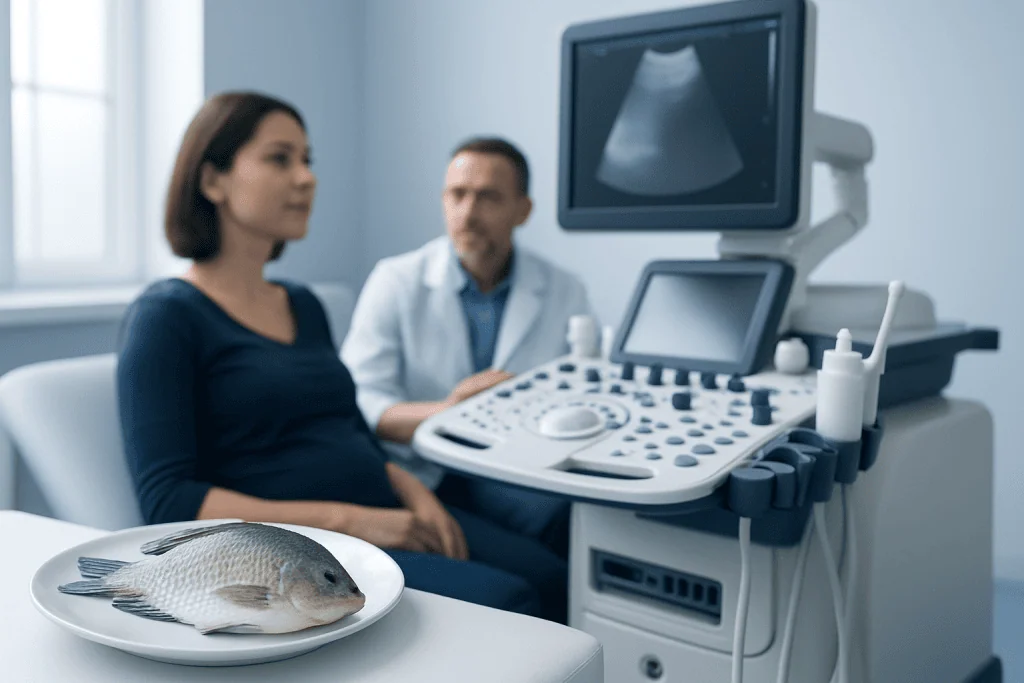
Pregnant patients often need practical guidance on seafood. In general, fish can be part of a healthy pregnancy diet when chosen and cooked safely. The most important steps are avoiding raw or undercooked seafood, choosing reliable sources, and following individualized advice from an obstetric clinician if there are dietary concerns.
People with diabetes, kidney disease, liver disease, or treatment-related immune suppression should also be cautious about food safety, because they may be more vulnerable to complications from foodborne infections. If appetite is reduced or digestive symptoms occur, they should not assume it is minor without monitoring hydration and symptom progression.
Patients with recurrent indigestion, reflux, or upper abdominal discomfort may notice symptoms after fried or heavily seasoned fish meals, not necessarily because of tilapia itself but because of the cooking method. If symptoms are frequent, a clinician may consider broader digestive causes and, when appropriate, an evaluation such as endoscopy to look for underlying problems.
How to choose, store, and cook tilapia safely
Safe handling matters as much as the food itself. Fresh tilapia should smell mild rather than strongly fishy, and packaged fish should be cold, well sealed, and within its use-by guidance. Frozen tilapia can also be a safe and convenient option when it has been kept continuously frozen and thawed correctly.
At home, fish should be refrigerated promptly and kept separate from ready-to-eat foods to reduce cross-contamination. Hands, knives, cutting boards, and surfaces should be washed well after handling raw seafood. Tilapia should be cooked thoroughly until the flesh becomes opaque and flakes easily.
Healthier cooking methods include baking, poaching, steaming, grilling, or pan-cooking with modest amounts of oil. These approaches help keep meals lower in excess saturated fat and calories. Adding herbs, lemon, garlic, and vegetables can improve flavor without relying heavily on salt.
- Choose reputable sellers and check freshness.
- Keep fish cold during transport and refrigerate promptly.
- Avoid raw or undercooked fish, especially if pregnant or immunocompromised.
- Use separate utensils and boards for raw seafood.
- Prefer baking, grilling, steaming, or poaching over deep frying.
When tilapia may trigger symptoms
If symptoms occur after eating tilapia, the pattern can offer clues. Digestive symptoms that start within hours may reflect food poisoning, contamination, or sensitivity to ingredients used in preparation. Typical symptoms can include nausea, vomiting, diarrhea, stomach cramps, bloating, or fever.
Allergic reactions may look different. Itching, hives, lip swelling, wheezing, throat tightness, or difficulty breathing suggest a possible fish allergy and need urgent attention, especially if breathing or swallowing is affected. Patients with known severe allergy should follow their emergency care plan and seek immediate medical care.
Not every episode of stomach pain after fish is caused by the fish itself. Rich sauces, frying oil, side dishes, or unrelated infections can also be responsible. Persistent or severe symptoms deserve proper assessment rather than self-diagnosis, especially when dehydration, blood in the stool, or ongoing pain is present.
When digestive symptoms are prolonged or recurrent, doctors may investigate common causes of infection, inflammation, or intolerance. Depending on symptoms, clinicians may recommend stool testing, blood tests, imaging, or procedures such as colonoscopy if lower digestive symptoms suggest a broader bowel issue.
When to seek medical care
Medical advice is appropriate if symptoms after eating tilapia are severe, unusual, or do not improve. Warning signs include trouble breathing, facial or throat swelling, repeated vomiting, dehydration, fainting, severe abdominal pain, high fever, or diarrhea that is persistent or bloody. These symptoms should not be ignored.
People at higher risk of complications, such as pregnant patients, older adults, young children, and those with weakened immune systems, should seek care sooner if they develop vomiting or diarrhea after seafood. Early attention can help prevent dehydration and identify infection or allergy promptly.
If a person has repeated discomfort after eating fish, ongoing indigestion, or concern about diet and chronic disease, a scheduled medical visit is reasonable. A clinician can review symptoms, medications, nutrition needs, and whether referral to gastroenterology, allergy, or nutrition services would be helpful. In some cases, assessment by gastroenterology specialists can help clarify persistent digestive symptoms.
Near the end of the care journey, some patients also need coordinated follow-up across specialties. Acibadem International’s multidisciplinary specialists and JCI-accredited hospitals diagnose and treat digestive and allergy-related concerns for international patients when more detailed evaluation is needed.
Frequently asked questions
Is tilapia healthy?
For many people, tilapia can be a healthy food choice because it provides lean protein and useful nutrients. Its health value is best judged in the context of the whole diet and the cooking method used.
Is tilapia safe to eat during pregnancy?
Properly cooked fish can often be included during pregnancy, but raw or undercooked seafood should be avoided. Pregnant patients should follow their clinician’s guidance on seafood choices, portion planning, and food safety.
Why do some people feel sick after eating tilapia?
Feeling unwell after eating tilapia may happen because of food contamination, improper storage, undercooking, or ingredients used in the meal. In some cases, it may also reflect a fish allergy or an unrelated stomach illness.
Is farmed tilapia unsafe?
Farmed tilapia is not automatically unsafe. Safety depends more on sourcing, quality standards, transport, storage, and cooking than on a simple farmed-versus-wild label.
What is the healthiest way to cook tilapia?
Baking, steaming, grilling, poaching, or lightly pan-cooking are generally healthier options than deep frying. These methods help preserve the fish’s lean protein profile while limiting excess fat and sodium.
Can tilapia cause an allergic reaction?
Yes. People with fish allergy can react to tilapia, sometimes seriously. Hives, swelling, wheezing, or throat tightness need urgent medical attention, especially if breathing is affected.
References
- World Health Organization
- U.S. Food and Drug Administration
- Centers for Disease Control and Prevention
- Academy of Nutrition and Dietetics
- American College of Gastroenterology
This article is for general information only and is not a substitute for professional medical advice. Please consult a qualified doctor about your individual situation.
Explore treatments in Turkey — costs, top hospitals & a free quote
JCI-accredited · board-certified surgeons · reply within 24h
Add us as a Preferred Source to see more of our trusted health content across Google Search, AI Overviews and Discover.
Check your numbers in seconds
BMI, calories, due date, blood pressure and 30+ more clinical calculators — free, instant, doctor-reviewed ranges.