Tit Lift: Procedure, Recovery and Results

A breast lift removes excess skin and reshapes breast tissue to create a more lifted contour. The procedure can reposition the nipple and areola but does not add breast volume on its own.
Key Takeaways
- A breast lift removes excess skin and reshapes breast tissue to create a more lifted contour.
- The procedure can reposition the nipple and areola but does not add breast volume on its own.
- Most recovery involves limited lifting and exercise for several weeks, with breast shape settling over several months.
- Scars are expected after a breast lift and usually fade with time but do not disappear completely.
- A consultation with a qualified plastic surgeon helps determine whether timing, technique, and expectations are appropriate.
A tit lift, more accurately called a breast lift or mastopexy, is surgery that raises and reshapes breasts affected by skin laxity, changes in volume, or nipple position. It can improve breast contour without increasing breast size, although some people choose to combine it with another breast procedure.
Tit Lift Overview: What Breast Lift Surgery Does
A tit lift—clinically called breast lift surgery or mastopexy—is an operation that raises and reshapes breasts by removing excess skin and tightening or redistributing breast tissue. It can reposition the nipple and areola to a more forward-facing position, but it does not by itself add breast volume. Recovery usually involves a supportive surgical bra and restricted lifting and exercise for several weeks, while the final breast shape settles gradually over the following months.
The phrase tit lift is an informal search term, while clinicians generally use the term breast lift. This cosmetic procedure may be considered when breasts appear lower on the chest, have loose skin, or have nipples that point downward or sit below the breast crease. These changes can occur after pregnancy and breastfeeding, weight changes, aging, or natural differences in skin elasticity and breast tissue.
A breast lift changes the position and contour of the existing breast tissue. It does not treat breast disease, prevent breast cancer, or reliably restore lost upper-breast fullness. For people who want a larger or smaller breast size as well as a lift, a surgeon may discuss whether combining procedures is suitable and safe.
Candidacy and Preoperative Assessment
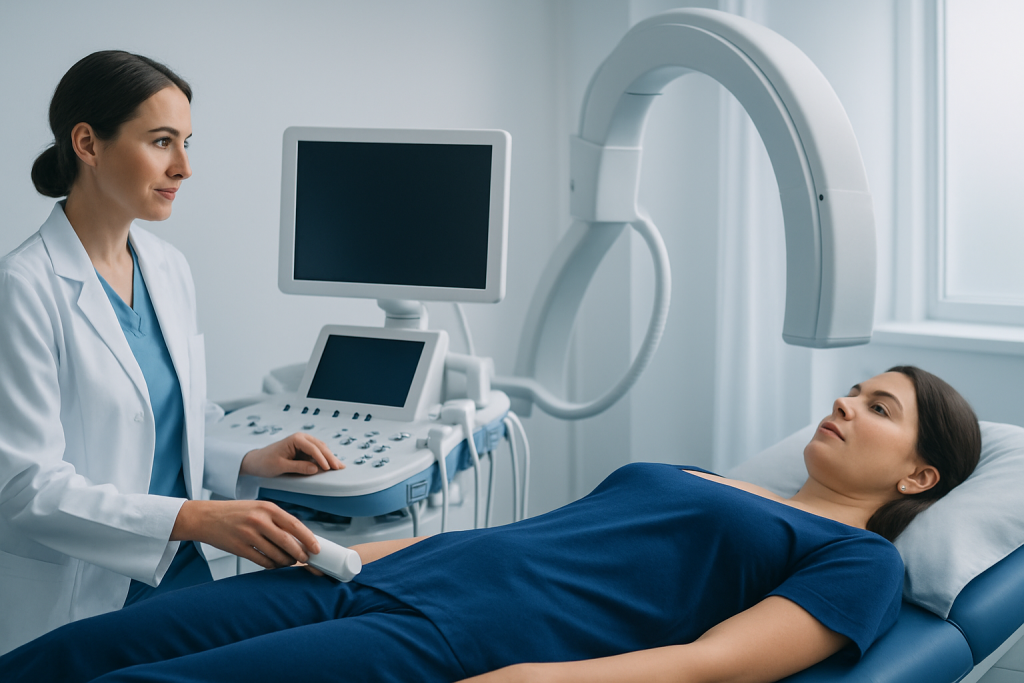
Suitable candidates are generally adults in good overall health who have realistic expectations about improvement rather than perfection. A breast lift may be an option for people bothered by drooping breasts, stretched skin, asymmetry, enlarged areolas, or nipples that sit low on the breast. The best approach depends on breast size, skin quality, tissue volume, and the degree of ptosis, which is the clinical term for breast drooping.
During consultation, the surgeon reviews medical history, medications, allergies, previous breast surgery, family history, and personal goals. They examine breast shape and nipple position and may recommend breast imaging when it is appropriate for the person’s age, symptoms, screening schedule, or individual risk factors. Clear discussion about scars, changes in sensation, and the possibility of future revision is an important part of informed decision-making.
Weight stability can help make results more predictable, since major weight changes may alter the breast shape again. People who are pregnant, breastfeeding, or planning pregnancy may prefer to delay surgery because pregnancy can stretch breast skin and affect the long-term result. Nicotine use can impair wound healing, so the surgical team will provide guidance on stopping smoking, vaping, and other nicotine products before and after surgery.
How a Breast Lift Is Performed
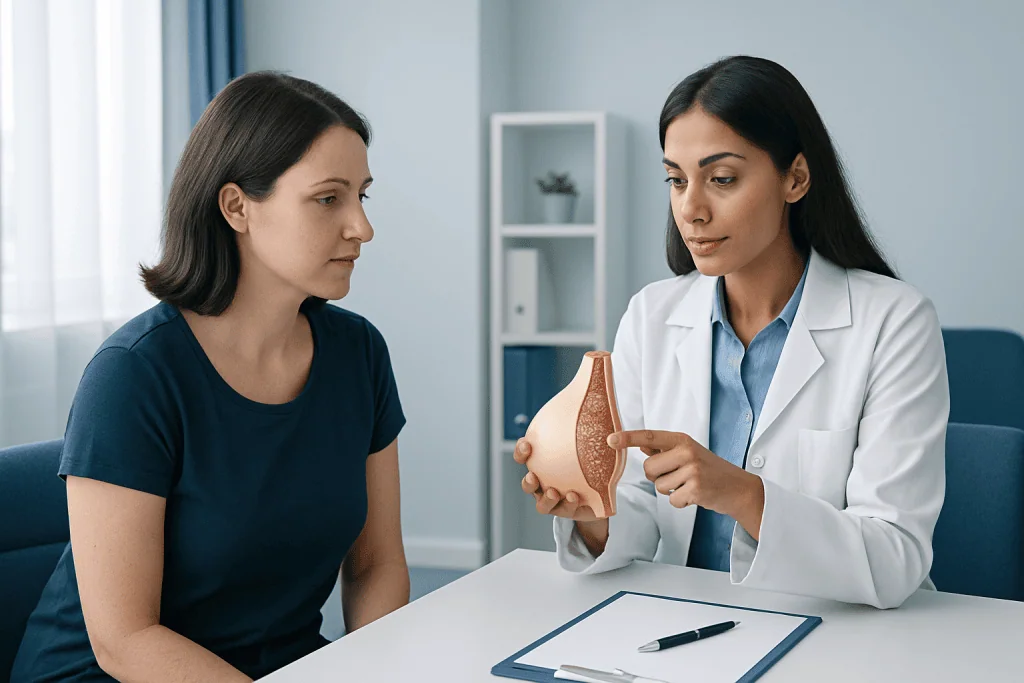
Breast lift surgery is usually performed under general anesthesia. The exact technique is individualized, based on the amount of lift needed, breast anatomy, and whether another procedure is being performed at the same time. Many breast lifts are completed as day surgery, although the care plan may differ when surgery is combined with implants, reduction, or other operations.
The surgeon makes incisions in planned locations, commonly around the areola, vertically from the areola to the breast crease, or along the breast crease. These patterns are sometimes described as periareolar, vertical, or anchor incisions. Excess skin is removed, breast tissue is reshaped, and the nipple and areola are moved to a higher position while remaining connected to their blood supply in most standard techniques.
Once the breast has been reshaped, the incisions are closed and dressings or a surgical support bra are applied. Drains are not always needed, but their use depends on the technique and the surgeon’s assessment. Before going home, the patient receives individualized instructions on wound care, sleeping position, activity limits, follow-up appointments, and when to contact the surgical team.
Recovery Timeline and Comfort
In the first few days, it is common to have swelling, bruising, tightness, tiredness, and temporary changes in breast sensation. A responsible adult may be needed to help at home immediately after anesthesia. Rest is important, but gentle walking as advised by the surgeon can support circulation and reduce stiffness.
Recovery does not follow an identical timetable for everyone, particularly when a lift is combined with another procedure. Many people can return to light, non-strenuous activities within one to two weeks, while heavier lifting, upper-body exercise, swimming, and high-impact activity usually need to wait for surgical clearance. A supportive bra is often worn for a period recommended by the surgeon, and follow-up visits allow the team to monitor healing.
Breasts may initially sit higher or look firmer than the eventual result because of swelling and tissue healing. Most swelling improves steadily, but the breasts can continue to settle for several months. Incision lines also change over time, typically becoming less noticeable as they mature, although every surgical incision leaves a permanent scar.
How painful is breast lift recovery?
Breast lift recovery is usually associated with soreness, pressure, tightness, and tenderness rather than severe ongoing pain. Discomfort is often most noticeable during the first few days and can usually be managed with the pain-relief plan provided by the surgical team. Increasing pain after initial improvement, especially if it occurs with marked swelling, redness, fever, or drainage, should be reported promptly.
Benefits, Results and Possible Risks
The main potential benefit of a breast lift is a more elevated, proportionate breast contour. It may improve nipple position, reduce loose skin, and make the breasts feel more comfortable in clothing or bras. Some people also report greater confidence in their appearance, but emotional benefits vary and should not be the only reason for choosing surgery.
Results are generally long-lasting, but breasts continue to change naturally with aging, gravity, weight fluctuations, pregnancy, and changes in skin elasticity. A lift does not stop these processes. Maintaining a stable weight, following scar-care advice, protecting scars from sun exposure, and attending follow-up appointments can support recovery, but cannot guarantee a particular long-term appearance.
Possible risks include bleeding, infection, fluid collection, delayed wound healing, visible or widened scars, asymmetry, and anesthesia-related complications. Nipple or breast sensation may change temporarily or permanently, and breastfeeding ability can be affected in some cases. Rarely, healing problems can affect the nipple or areola, especially when blood supply is compromised; this is one reason why following nicotine and aftercare guidance is important.
Common Questions About Timing and Recovery
What is the hardest cosmetic surgery to recover from?
There is no single cosmetic surgery that is universally the hardest to recover from. Recovery depends on the extent of surgery, whether procedures are combined, the area treated, a person’s health, pain tolerance, and the support available at home. Operations involving larger body areas or several procedures at once may require more restrictions and a longer recovery than a breast lift alone.
How long should I rest after a breast lift?
Most people need focused rest and support during the first several days, then gradually return to gentle daily activity. Light desk-based work may be possible after one to two weeks for some people, but this varies. Heavy lifting, vigorous exercise, and activities that strain the chest or arms should only resume when the surgeon confirms that healing is progressing safely, often after several weeks.
What is the best age to get a breast lift?
There is no single best age for a breast lift. The most important considerations are that breast development is complete, overall health is suitable for surgery, body weight is reasonably stable, and the person understands the likely scars and limitations. People considering future pregnancy may choose to postpone surgery because pregnancy and breastfeeding can change breast shape and may affect the result.
When to Seek Medical Care and Plan Follow-Up
After surgery, the patient should contact the surgical team promptly for increasing redness, warmth, swelling, drainage, fever, worsening pain, a wound opening, or concerns about the appearance or color of the breast or nipple. These symptoms do not always indicate a serious problem, but timely assessment can help guide appropriate care.
Urgent medical assessment is needed for chest pain, shortness of breath, fainting, sudden severe swelling, or symptoms that feel severe or rapidly worsening. These complications are uncommon, but they should not be managed at home. Patients should follow the emergency instructions provided by their care team and seek local emergency care when necessary.
Long-term breast health remains important after cosmetic surgery. Routine breast screening should continue according to local recommendations and individual risk, and any new lump, persistent breast change, or unexpected nipple discharge should be assessed by a doctor. For international patients, Acibadem International can coordinate breast lift assessment and care with multidisciplinary specialists in JCI-accredited hospitals.
Frequently asked questions
Does a breast lift make breasts larger?
A breast lift reshapes and raises the existing breast tissue but does not significantly increase breast volume. Some people choose to combine a lift with augmentation if they also want more fullness, particularly in the upper breast.
Can a breast lift be combined with breast reduction?
Yes, a breast lift is commonly part of breast reduction surgery because tissue and skin are removed while the breast is reshaped and the nipple is repositioned. Whether combination surgery is suitable depends on breast size, health factors, goals, and the surgeon's assessment.
Will breast lift scars go away completely?
No, breast lift scars are permanent because incisions are required to reshape the breast. They usually become flatter and lighter over time, but their final appearance varies with incision pattern, skin type, healing, and scar care.
Can someone breastfeed after a breast lift?
Some people can breastfeed after a breast lift, but surgery may affect milk production or milk flow. The likelihood depends on the technique used, the amount of tissue repositioned, and individual healing, so future breastfeeding plans should be discussed before surgery.
How long do breast lift results last?
Breast lift results can last for many years, but they are not permanent because the breasts continue to change with aging, gravity, weight changes, and pregnancy. Stable weight and good skin care may help preserve the result, although they cannot prevent all natural changes.
Is breast screening still needed after a breast lift?
Yes, routine breast screening remains important after a breast lift. Patients should follow the screening advice that applies to their age and individual risk, and tell imaging professionals about previous breast surgery before mammography or other breast imaging.
References
- American Society of Plastic Surgeons
- U.S. Food and Drug Administration
- American Society of Anesthesiologists
- National Health Service
This article is for general information only and is not a substitute for professional medical advice. Please consult a qualified doctor about your individual situation.
Explore treatments in Turkey — costs, top hospitals & a free quote
JCI-accredited · board-certified surgeons · reply within 24h
Add us as a Preferred Source to see more of our trusted health content across Google Search, AI Overviews and Discover.