Toe Cramps: A Complete Medical Overview

Toe cramps are usually brief muscle spasms that improve with stretching, rest, and gentle massage. Common triggers include overuse, tight shoes, dehydration, mineral imbalance, and muscle fatigue.
Key Takeaways
- Toe cramps are usually brief muscle spasms that improve with stretching, rest, and gentle massage.
- Common triggers include overuse, tight shoes, dehydration, mineral imbalance, and muscle fatigue.
- Repeated toe cramps can sometimes be related to nerve compression, poor circulation, or medical conditions such as diabetes.
- Medical evaluation is important if cramps are frequent, severe, affect walking, or occur with numbness, weakness, swelling, or color changes.
Toe cramps are sudden, involuntary muscle contractions that can cause brief but sharp pain and temporary stiffness in one or more toes. They are often harmless and short-lived, but frequent or severe episodes may point to problems such as footwear strain, dehydration, nerve irritation, or circulation issues.
Overview
Toe cramps are sudden, involuntary tightening of the small muscles in the toes or foot. They may affect a single toe, several toes, or the arch of the foot at the same time. Most episodes last from a few seconds to a few minutes and settle on their own, but they can be intense enough to interrupt sleep, exercise, or walking.
In many people, toe cramps happen after muscle fatigue, long periods of standing, exercise, or wearing shoes that crowd the toes. They can also occur at night without a clear trigger. While occasional cramping is common and usually not serious, frequent episodes deserve attention because they may reflect irritation of nerves, strain on foot muscles, or an underlying health issue.
It helps to think of toe cramps as a symptom rather than a diagnosis. The main question is not only how to stop the spasm in the moment, but also why the cramping keeps happening. Looking at daily habits, hydration, footwear, activity level, and overall health can often identify the cause and guide the right next steps.
What Toe Cramps Feel Like
People describe toe cramps as a sudden pulling, twisting, or locking sensation in one or more toes. The toe may curl downward or spread apart, and the muscle can feel hard or knotted during the spasm. Pain ranges from mild discomfort to a sharp, intense cramp that makes it hard to move the foot.
Some episodes are isolated and pass quickly. Others leave soreness, tenderness, or a tired feeling in the foot afterward. Toe cramps may happen during exercise, after activity, while resting, or during sleep. Night cramps can be especially disruptive because they start abruptly and may wake a person from sleep.
Symptoms that can occur along with toe cramps depend on the cause. For example, a person with muscle overuse may notice tight calves or foot fatigue, while someone with nerve irritation may also have tingling or burning. Signs that deserve closer attention include numbness, weakness, swelling, changes in skin color, or pain that persists after the cramp ends.
Common Causes and Risk Factors

Many toe cramps begin with simple mechanical strain. Tight or poorly fitting shoes can force the toes into an unnatural position and overwork the small muscles of the foot. Long walks, running, dancing, standing for prolonged periods, or suddenly increasing exercise can also lead to cramping, especially if the foot muscles are not conditioned for that level of activity.
Dehydration and shifts in body salts can make muscles more likely to spasm. This is more likely during hot weather, heavy sweating, illness with fluid loss, or intense exercise. In some cases, low levels of certain minerals may contribute, although cramping is not always explained by a single deficiency. Alcohol use, poor nutrition, and not drinking enough fluids can also increase risk.
Medical conditions may play a role when cramps are frequent or associated with other symptoms. Nerve problems, including pressure on nerves in the lower back or foot, can lead to muscle cramping or abnormal toe movements. Circulation problems may reduce blood flow to the feet and trigger discomfort with activity. Conditions such as diabetes can affect nerves and circulation over time, raising the chance of foot symptoms.
Some medicines are also associated with muscle cramps in certain people. Age, pregnancy, flat feet or high arches, and muscle tightness in the calf and foot may increase susceptibility. If toe cramps are new, persistent, or unexplained, a doctor can help review possible triggers and look for less obvious causes such as peripheral neuropathy.
How Toe Cramps Are Evaluated
Diagnosis starts with a careful history. A doctor will usually ask when the cramps happen, how long they last, whether they occur during rest or activity, and what seems to trigger them. Questions often cover hydration, exercise habits, footwear, medicines, medical conditions, and whether there are symptoms such as numbness, back pain, swelling, or color changes in the feet.
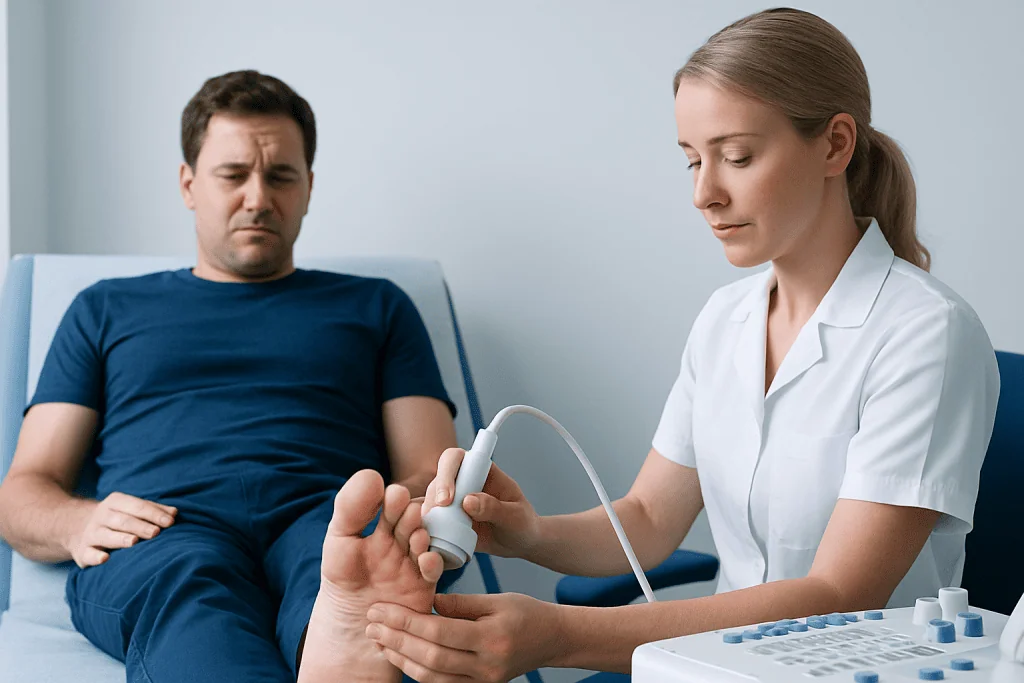
A physical examination focuses on the feet, toes, muscles, joints, pulses, sensation, and walking pattern. The clinician may check for tenderness, deformities, tight tendons, muscle weakness, or signs of nerve compression. Shoe wear patterns and the structure of the foot can provide useful clues, particularly when repetitive strain is the main problem.
Tests are not always needed for occasional cramps. However, blood tests may be recommended if there is concern about dehydration, mineral imbalance, thyroid disease, kidney problems, or diabetes. When symptoms suggest a nerve or spine-related cause, doctors may consider imaging or specialized nerve testing. In some cases, evaluation of circulation is appropriate if cramps are linked to exertion or the feet feel cold, pale, or painful.
Treatment and Relief Options
Immediate relief usually begins with gentle stretching and repositioning of the toes. Straightening the cramping toe, pulling it back carefully, massaging the muscle, and resting the foot can help the spasm release. Applying warmth may relax tight muscles, while some people prefer a cool pack afterward if the area feels sore. If cramping followed exercise, pausing the activity and rehydrating may be enough.
Longer-term treatment depends on the cause. Supportive, well-fitting shoes with enough toe room are often an important part of care. Foot and calf stretching, strengthening exercises, and changes in training intensity can reduce strain on the small muscles of the foot. When mechanical overload or gait issues are involved, a doctor may recommend physical therapy and rehabilitation to improve flexibility, muscle balance, and walking mechanics.
If an underlying condition is identified, treatment is directed at that problem. For example, people with nerve-related symptoms may need further evaluation and care, and those with diabetes benefit from careful glucose management and regular foot checks. If a structural foot problem, persistent pain, or severe deformity contributes to recurrent symptoms, a specialist may discuss options ranging from conservative care to selected orthopedic treatment approaches.
Medicines or supplements should not be started routinely without medical advice, because the best approach depends on the reason for the cramps and a person’s overall health. For many patients, the most effective plan is practical and individualized: better footwear, hydration, stretching, and treatment of the root cause rather than only addressing the spasm itself.
Prevention and Daily Self-Care
Preventing toe cramps often starts with reducing avoidable stress on the feet. Shoes should fit well, support the foot, and leave enough space in the toe box so the toes are not compressed. People who exercise regularly may benefit from replacing worn shoes and avoiding sudden increases in distance, speed, or training intensity.
Daily stretching can help, especially for the toes, arches, and calf muscles. Warming up before activity and cooling down afterward may reduce muscle fatigue. Gentle foot exercises such as toe spreads, towel curls, and ankle movements can improve control and endurance of the foot muscles over time.
Good hydration is also important, particularly in hot weather, during illness, or around exercise. Balanced nutrition supports normal muscle function. People who notice cramps after specific habits, such as wearing certain shoes or standing for long periods, can keep a simple symptom diary to identify patterns and adjust routines accordingly.
For people living with chronic conditions that affect the feet, regular monitoring matters. Foot care is especially important in diabetes and in disorders that affect nerves or circulation. If cramps occur together with persistent numbness, burning, or foot weakness, further assessment may be needed, sometimes including neurology care when a nerve-related cause is suspected.
When to Seek Medical Care
Occasional toe cramps that improve quickly are usually not an emergency. However, medical care is appropriate if cramps happen often, become more painful, interfere with sleep or walking, or keep returning despite stretching, hydration, and better footwear. A healthcare professional can help determine whether the problem is muscular, orthopedic, neurological, or related to circulation.
Prompt evaluation is especially important if toe cramps occur with numbness, tingling, weakness, swelling, redness, fever, skin sores, or changes in foot color or temperature. These features suggest that something more than simple muscle fatigue may be involved. Ongoing cramps in a person with diabetes, nerve disease, or vascular disease should also not be ignored.
If cramps start suddenly after a new medicine, after an injury, or along with severe calf pain, chest symptoms, or major weakness, urgent assessment may be needed. Near the end of the care pathway, some patients may benefit from multidisciplinary evaluation. Acibadem International’s specialists in JCI-accredited hospitals diagnose and treat foot, nerve, and circulation-related causes of symptoms for international patients.
Frequently asked questions
What causes toe cramps most often?
The most common causes are muscle fatigue, tight shoes, overuse, dehydration, and prolonged standing or exercise. In some people, recurring cramps are related to nerve irritation, circulation problems, or conditions such as diabetes.
How can toe cramps be relieved quickly at home?
Gently straighten and stretch the affected toe, massage the cramped muscle, and rest the foot. Warmth can help relax the muscle, and drinking fluids may be useful if dehydration is a trigger.
Are toe cramps a sign of poor circulation?
Sometimes they can be, but not always. Circulation problems are more likely if cramps happen with walking and improve with rest, or if the feet are cold, pale, numb, or have color changes.
Can diabetes cause toe cramps?
Yes. Diabetes can affect nerves and blood vessels over time, and both of these changes may contribute to cramps or other foot symptoms. Anyone with diabetes and frequent toe cramps should mention it to a doctor and continue regular foot care.
When should someone worry about toe cramps?
Concern is reasonable if cramps are frequent, severe, or interfere with sleep, walking, or exercise. Medical advice is also important when cramps occur with numbness, weakness, swelling, foot wounds, or changes in skin color.
Can vitamin or mineral deficiencies cause toe cramps?
In some cases, low levels of certain minerals or poor overall nutrition may contribute to muscle cramping. However, cramps are not always caused by a deficiency, so supplements should not be taken routinely without medical guidance.
This article is for general information only and is not a substitute for professional medical advice. Please consult a qualified doctor about your individual situation.
Explore treatments in Turkey — costs, top hospitals & a free quote
JCI-accredited · board-certified surgeons · reply within 24h
Add us as a Preferred Source to see more of our trusted health content across Google Search, AI Overviews and Discover.

More from the Health Library

Infants and Nasal Congestion: An Evidence-Based Guide for Patients

Narcotics: An Evidence-Based Guide for Patients

Rales: A Complete Medical Overview

Fourchette Piercing: A Complete Medical Overview

Kennedy Ulcer: An Evidence-Based Guide for Patients