Toe Splint: What Patients Need to Know

Toe splints may protect an injured toe, limit uncomfortable movement, or help separate overlapping toes. Buddy taping is a common form of toe support for some uncomplicated lesser-toe injuries, but it is not suitable for every injury.
Key Takeaways
- Toe splints may protect an injured toe, limit uncomfortable movement, or help separate overlapping toes.
- Buddy taping is a common form of toe support for some uncomplicated lesser-toe injuries, but it is not suitable for every injury.
- A splint should feel supportive rather than tight; numbness, color changes, increasing pain, or skin irritation require prompt adjustment and medical advice.
- The big toe, open injuries, visible deformity, diabetes-related foot problems, and circulation concerns need professional assessment.
- Splints can ease symptoms, but they do not correct every structural toe deformity or replace treatment for a fracture that is displaced or unstable.
A toe splint is a device or taping method used to support, align, or separate a toe while it heals or to reduce pressure from certain toe deformities. The right type depends on the problem, and a clinician should assess significant pain, deformity, circulation changes, or a possible fracture before self-treatment.
Toe Splint Overview: What It Is and When It May Help
A toe splint is a simple support designed to keep one or more toes in a more comfortable or protected position. It may be made of soft foam, fabric, silicone, plastic, or medical tape. Depending on its design, it can cushion a painful area, separate toes that rub together, reduce movement after an injury, or help maintain alignment while swelling settles.
For a minor injury to one of the smaller toes, a healthcare professional may recommend “buddy taping.” This means gently securing the injured toe to the neighboring toe with padding between them. The uninjured toe acts as a natural support. Other products, such as toe separators or rigid splints, may be used for rubbing, crowding, or selected deformities, but their benefit varies according to the underlying cause.
A toe splint is not a universal treatment. It does not reliably straighten a longstanding deformity, heal every fracture, or make it safe to walk on a serious injury. The most appropriate choice depends on which toe is affected, whether the skin is intact, how the injury occurred, and whether there are symptoms such as severe pain, numbness, or an inability to bear weight.
Common Reasons for Using a Toe Splint
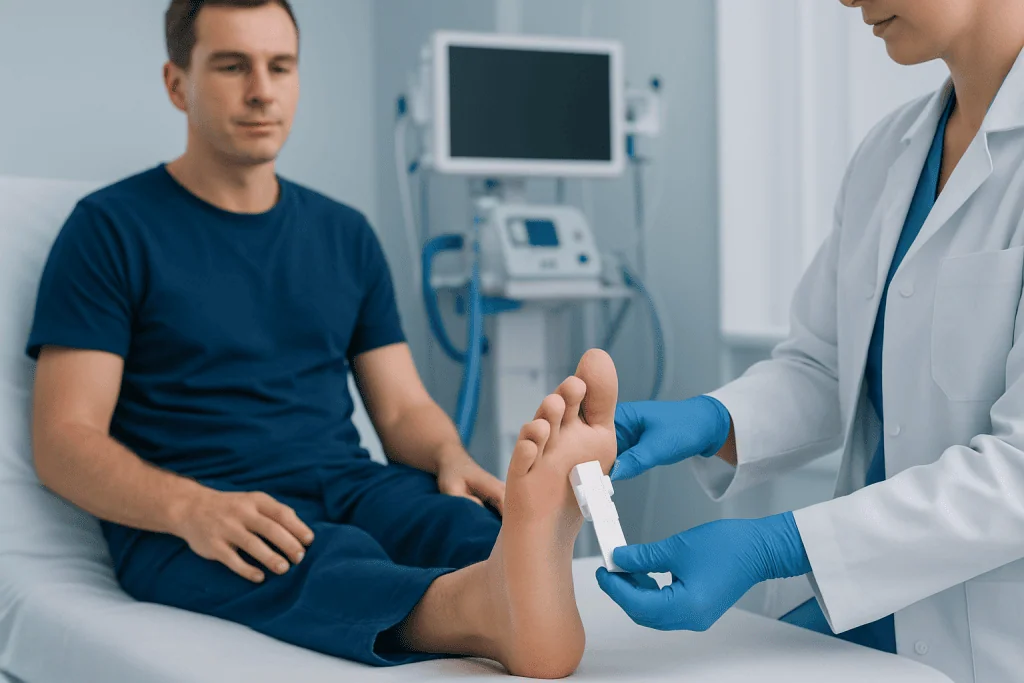
Toe splints are most often used after a mild sprain, bruise, or stable fracture of a lesser toe. They can limit painful side-to-side movement and protect the toe from being bumped during everyday activity. Even when a fracture is uncomplicated, the toe may remain sore and swollen for several weeks, so supportive footwear and activity adjustment are often as important as the splint itself.
Some splints and separators are also used to manage symptoms caused by toe crowding or deformities. For example, soft separators may reduce friction between toes, while cushions may protect pressure points caused by a curled toe or an overlapping toe. These devices may improve comfort in shoes, but they generally do not permanently reverse a structural change in the joints, tendons, or bones.
Clinicians may also use temporary splinting after a toe has been repositioned following a dislocation or after certain procedures. These circumstances require individual instructions. A person should not attempt to pull, straighten forcefully, or splint a toe that looks displaced without first receiving medical assessment.
Types of Toe Splints and How They Differ

Buddy taping is among the simplest forms of toe splinting. It is commonly considered for a minor injury involving the second through fifth toes when there is no open wound, major deformity, or circulation concern. A small piece of gauze or soft padding is placed between the toes to reduce moisture and friction, then medical tape is applied snugly but not tightly around both toes.
Commercial toe splints include foam wraps, semi-rigid supports, toe sleeves, gel separators, and devices that gently hold a toe in a particular position. A separator is primarily intended to reduce rubbing, whereas a rigid or semi-rigid support is more focused on movement control. Reading the product instructions is useful, but a product label cannot determine whether an injury is suitable for self-care.
The big toe deserves special attention because it plays a major role in balance and walking. Pain or injury in this toe may need a stiff-soled shoe, walking boot, imaging, or other management rather than simple buddy taping. A clinician can advise whether a toe splint is appropriate after evaluating tenderness, alignment, swelling, and the ability to move and bear weight on the foot.
Using a Toe Splint Safely at Home
Before applying a toe splint, the skin should be clean and dry. Rings or tight footwear should be avoided, particularly while swelling is present. If buddy taping has been recommended, soft padding between the toes can help prevent skin breakdown. The tape should hold the toes together without squeezing them; it should never cause throbbing, tingling, numbness, coldness, or a pale, blue, or darkened appearance.
The splint and the skin should be checked daily. Tape may need changing if it becomes wet, loose, dirty, or irritating. People should also look for blisters, redness, macerated skin, or sores between the toes. A wide, supportive shoe with a roomy toe box can reduce pressure, while high heels, narrow shoes, and activities that repeatedly strike the toe may worsen discomfort.
Resting from painful activity, elevating the foot, and using a wrapped cold pack for short periods may help with early swelling after a minor injury. Over-the-counter pain relief may be appropriate for some people, but choice of medicine should take into account other health conditions, allergies, pregnancy, and current medicines. A pharmacist or clinician can provide individualized guidance when needed.
What a Toe Splint Can and Cannot Do
A well-fitted toe splint can make movement more comfortable and may protect a toe during the early healing period. It may also reduce rubbing between toes and improve tolerance of shoes. However, comfort alone does not confirm that an injury is minor. Some fractures, ligament injuries, and joint dislocations require imaging or more specific treatment to heal in a good position.
For deformities such as hammertoe, claw toe, or an overlapping toe, splints, pads, and shoe changes are often conservative measures aimed at reducing pain and skin pressure. They may be particularly helpful when the deformity is flexible. If the toe is stiff, increasingly painful, repeatedly develops corns or wounds, or interferes with walking, assessment by a foot and ankle specialist is important. Management may include footwear advice, orthoses, treatment of associated conditions, or, in selected cases, surgery.
A splint should not be used to delay care for a suspected serious injury. In particular, a toe that is visibly angled, rotated, shortened, or unable to move normally may need prompt examination. The same applies when pain is worsening rather than gradually improving, or when the person cannot walk comfortably even in a supportive shoe.
When to Seek Medical Care
Medical care should be sought promptly after a crush injury, a high-impact injury, or any event that causes an open wound, uncontrolled bleeding, or a toenail that is severely damaged or lifted. Urgent evaluation is also appropriate if the toe looks crooked, points in an unusual direction, has severe swelling, or appears pale, blue, cold, numb, or weakly perfused. These signs can indicate an injury that should not be managed with a home splint alone.
A person should contact a doctor if pain remains significant, walking is difficult, symptoms are not improving after several days of careful self-care, or there is concern for a fracture. The big toe should be assessed more readily than the smaller toes because of its importance in walking. An examination and, when indicated, an X-ray can clarify whether the bone and joint alignment are satisfactory.
People with diabetes, reduced sensation in the feet, peripheral artery disease, immune suppression, or a history of foot ulcers should avoid self-splinting without medical advice. Small areas of pressure or skin damage can become more serious in these groups. Acibadem International’s multidisciplinary specialists and JCI-accredited hospitals can assess toe injuries and foot concerns for international patients when specialist care is needed.
Recovery, Footwear, and Preventing Further Toe Problems
Recovery time depends on the type of injury and the affected toe. A mild soft-tissue injury may improve relatively quickly, while a fracture can remain tender for several weeks. During recovery, activities can usually be increased gradually according to pain and medical guidance. Returning too quickly to running, jumping, or tight shoes can prolong symptoms or lead to reinjury.
Supportive shoes are central to prevention and comfort. A shoe with enough length, width, and depth for the toes helps reduce crowding and pressure. The front of the shoe should not press against the painful toe, and the sole should provide stable support. For sports or work activities, footwear should match the activity and protect the toes from repeated impact.
Regular foot checks are useful, especially for people who have reduced feeling in their feet. Early attention to corns, calluses, changes in toe shape, and recurring rubbing can prevent skin complications. If a toe splint is repeatedly needed to manage the same pain, a medical review can help identify the cause and guide longer-term care.
Frequently asked questions
Can a toe splint heal a broken toe?
A toe splint can support some uncomplicated fractures of the smaller toes while the bone heals, often alongside protective footwear and reduced activity. It does not treat every fracture, especially if the toe is displaced, the injury involves the big toe, or there is a wound. A clinician may recommend an examination or X-ray to determine the appropriate care.
How tight should buddy tape for a toe be?
Buddy tape should feel secure but comfortable, with soft padding placed between the toes. It should not cause tingling, numbness, increased pain, or changes in toe color or temperature. If any of these occur, the tape should be removed and medical advice sought if symptoms do not quickly resolve.
Can a toe splint straighten a hammertoe?
A toe splint or separator may reduce rubbing and improve comfort, particularly when a hammertoe is still flexible. It usually cannot permanently straighten a longstanding or rigid deformity. A clinician can discuss footwear, padding, exercises, orthoses, and other options based on the toe’s structure and symptoms.
Should the big toe be buddy taped?
The big toe is usually not managed in the same way as the smaller toes because it carries more force during walking. Injuries to the big toe often need professional assessment and may require a stiff-soled shoe, boot, or other support. It is best not to buddy tape a painful or injured big toe without clinical advice.
How long should a toe splint be worn?
The duration depends on the diagnosis, severity of symptoms, and the type of splint used. Some minor injuries may need support for a limited period, while separators for shoe friction may be used only during activities or while wearing shoes. A healthcare professional can provide the safest timeline for an individual injury.
When should a toe splint be removed?
A splint should be removed if it becomes wet, causes skin irritation, or produces numbness, coldness, swelling beyond the splint, or color changes in the toe. It should also be removed for regular skin inspection and hygiene unless a clinician has provided different instructions. Persistent pain or concerning symptoms should be medically assessed.
This article is for general information only and is not a substitute for professional medical advice. Please consult a qualified doctor about your individual situation.
Explore treatments in Turkey — costs, top hospitals & a free quote
JCI-accredited · board-certified surgeons · reply within 24h
Add us as a Preferred Source to see more of our trusted health content across Google Search, AI Overviews and Discover.

More from the Health Library
Praying Mantis — Explained by Medical Evidence, Not Myths

Oximetry: An Evidence-Based Guide for Patients

ADHD Meds: What Patients Need to Know

Breztri Cost — Explained by Medical Evidence, Not Myths

Dimenhydrinate: An Evidence-Based Guide for Patients