Total Protein Blood Test: What Low and High Levels Mean — and What to Do Next

A total protein blood test measures the combined amount of albumin and globulins in the blood. Low total protein may be linked to poor nutrition, liver disease, kidney protein loss, digestive malabsorption, or fluid overload.
Key Takeaways
- A total protein blood test measures the combined amount of albumin and globulins in the blood.
- Low total protein may be linked to poor nutrition, liver disease, kidney protein loss, digestive malabsorption, or fluid overload.
- High total protein is commonly related to dehydration, chronic inflammation, infection, or certain blood and immune disorders.
- Results should be interpreted alongside albumin, globulin, liver and kidney tests, and the person's symptoms.
- Abnormal results do not always mean serious disease, but they should be reviewed by a qualified doctor.
Total protein low high levels often reflect changes in hydration, nutrition, liver function, kidney function, or immune activity rather than a diagnosis by themselves. A total protein blood test is most useful when interpreted together with albumin, globulin, symptoms, medical history, and other lab results.
Overview: what total protein low and high levels usually mean
Total protein low high levels usually mean the body’s protein balance has shifted because of hydration status, liver function, kidney loss of protein, nutrition, inflammation, or immune system activity. The result does not identify one disease on its own, so doctors read it together with albumin, globulin, other blood tests, and the person’s symptoms.
A total protein blood test measures the amount of two main groups of proteins circulating in serum: albumin and globulins. Albumin helps keep fluid in the bloodstream and carries substances such as hormones and medicines, while globulins include many proteins involved in immunity, transport, and clotting.
This test is often ordered as part of a routine chemistry panel or when a doctor is checking for liver disease, kidney disease, nutritional problems, chronic inflammation, or unexplained swelling, fatigue, or weight change. In many cases, a mildly abnormal result turns out to be temporary or related to dehydration, but follow-up may be needed to find the reason.
What the marker measures
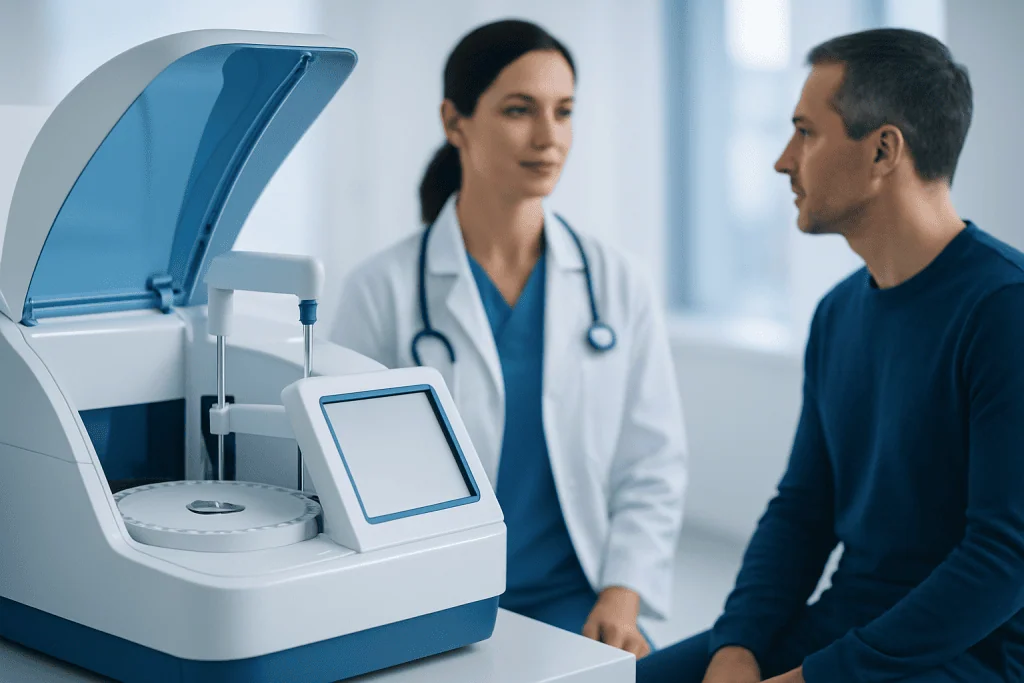
Total protein is the sum of albumin and globulins in the liquid part of the blood. Albumin is made mainly by the liver and is essential for maintaining fluid balance between blood vessels and tissues. Globulins are a broader group that includes antibodies and other proteins made by the liver and immune system.
Because these protein groups can change in different ways, total protein is only the starting point. Doctors may also look at the albumin-to-globulin ratio, often called the A/G ratio, to understand whether the change is mostly due to low albumin, high globulins, or both.
For example, a person can have a normal total protein level but still have an abnormal albumin level if globulins are elevated and balance the total number. That is why a doctor may request a more detailed review of liver tests, kidney tests, inflammation markers, or protein electrophoresis when the result does not fit the clinical picture.
Reference range and how to read the result

Laboratories may use slightly different reference ranges, so the report’s own range should always be used first. In many labs, the normal total protein range for adults is about 6.0 to 8.3 grams per deciliter (g/dL), or 60 to 83 grams per liter (g/L).
The interpretation depends on how far the result is from the range, whether it changed from prior tests, and whether albumin, globulin, liver enzymes, creatinine, or urine protein are also abnormal. A small shift above or below normal may be less important than a clear upward or downward trend over time.
- Typical adult reference range: about 6.0-8.3 g/dL
- Low total protein: below the lab’s lower limit
- High total protein: above the lab’s upper limit
- Useful companion tests: albumin, globulin, A/G ratio, liver panel, kidney function, urinalysis
Normal ranges can vary with age, lab method, and clinical setting. If a clinician is reviewing broader age-related lab patterns, a related reference hub such as normal values by age may help put the number in context, but the treating doctor’s interpretation remains most important.
Low total protein: causes, symptoms, and next steps
Low total protein often reflects low albumin, though low globulins can also contribute. Common causes include poor nutritional intake, malabsorption in the digestive tract, chronic liver disease that reduces protein production, kidney conditions that allow protein to leak into urine, and fluid overload that dilutes the blood sample.
Symptoms depend on the underlying cause rather than the number itself. Some people have no symptoms at all. Others may notice swelling in the legs or around the eyes, fatigue, muscle loss, unintentional weight loss, weakness, or digestive symptoms if malabsorption is present. When low protein is related to kidney loss, doctors may evaluate for kidney failure or earlier stages of kidney disease. If liver production is impaired, they may also assess for liver failure or other liver disorders.
Next steps usually include repeating the test if the result is unexpected, checking albumin and globulin separately, reviewing liver enzymes, bilirubin, creatinine, and a urine protein test, and asking about diet, alcohol use, diarrhea, swelling, and recent illness. Depending on the results, imaging or specialist referral may be advised.
Treatment focuses on the cause. It may involve improving nutrition, treating intestinal disease, managing liver or kidney problems, or adjusting medicines if they are contributing. If a doctor suspects a digestive cause for poor absorption, further evaluation and supportive care may include input from a gastroenterology specialist.
High total protein: causes, symptoms, and next steps
High total protein is often caused by dehydration, which concentrates the blood and raises measured protein levels. It can also occur with chronic inflammation, long-standing infections, autoimmune conditions, and some disorders in which the body makes excess immunoglobulins or other blood proteins.
Many people with mildly high total protein have no symptoms, especially if dehydration is the reason. When symptoms are present, they usually come from the underlying condition and may include thirst, dark urine, fatigue, fever, night sweats, bone pain, recurring infections, or unexplained weight loss. If globulin is elevated, doctors may consider additional tests to rule out blood-related conditions and, in selected cases, referral to hematology.
Follow-up often includes repeating the test after hydration, checking albumin and globulin levels, reviewing the A/G ratio, and ordering serum protein electrophoresis if abnormal immune proteins are suspected. Other useful tests may include inflammatory markers, liver and kidney function tests, and infection-related studies depending on the history and physical examination.
Because many causes of high total protein are manageable, the key step is not to assume the worst from one result. A doctor will usually look for patterns across several tests before deciding whether the finding is temporary, inflammatory, or related to a more specific immune or blood disorder.
How the test is done
The total protein blood test is a standard blood draw, usually taken from a vein in the arm. It is commonly part of a comprehensive metabolic panel or liver-related blood work and is often done in outpatient clinics, hospitals, or health check settings.
Preparation is simple. Many people do not need special preparation, although fasting may be required if total protein is being measured alongside other tests in the same blood panel. The clinician or laboratory will explain whether food, drink, or medicines should be limited beforehand.
Risks are minimal and usually limited to brief discomfort, a small bruise, or lightheadedness after the blood draw. Results are then interpreted in the context of the person’s history, examination, and any related tests. If the reason for testing involves possible liver, digestive, or systemic disease, assessment may be coordinated across relevant specialties; Acibadem International’s multidisciplinary specialists in JCI-accredited hospitals also diagnose and treat such conditions for international patients.
Factors that can skew results
Total protein results can be affected by factors that change the concentration of blood or alter protein production and loss. Dehydration can make total protein appear high, while overhydration or receiving intravenous fluids can make it appear low. For this reason, doctors consider recent fluid intake, vomiting, diarrhea, fever, heavy sweating, and hospital treatments when reviewing results.
Body position during blood collection may have a small effect, as can prolonged use of a tourniquet. Pregnancy, severe burns, digestive disorders that impair absorption, and significant kidney protein loss can also change the result. Some medicines and medical conditions influence albumin and globulin levels differently, which can affect the total number.
Because one abnormal test may not show the full picture, repeat testing is sometimes the safest next step. If a result remains unclear, doctors may combine blood work with urine testing, liver assessment, or diagnostic services to find the cause accurately and avoid unnecessary worry.
When to seek medical care
A person should arrange medical review if total protein is repeatedly low or high, or if the result is accompanied by symptoms such as swelling, persistent fatigue, unexplained weight loss, ongoing diarrhea, fever, dark urine, decreased urination, or yellowing of the eyes or skin. These signs do not always indicate a serious condition, but they deserve professional evaluation.
More urgent care is appropriate for severe dehydration, confusion, chest pain, shortness of breath, fainting, marked weakness, or rapidly increasing swelling. It is also important to seek timely advice if there is known liver disease, kidney disease, cancer, or a weakened immune system.
People should avoid self-diagnosing from a single lab value. The most helpful next step is to discuss the result with a qualified doctor, who can decide whether the level is likely temporary, whether hydration or nutrition should be corrected, and which follow-up tests are appropriate.
Frequently asked questions
What does a total protein blood test show?
It shows the combined amount of albumin and globulins in the blood. These proteins help with fluid balance, transport of substances, immune function, and many other body processes. The test is useful as a broad screening marker, but it does not diagnose a condition by itself.
Is a low total protein level serious?
Not always. A low result can be mild and temporary, but it may also point to nutrition problems, liver disease, kidney protein loss, digestive malabsorption, or fluid overload. The meaning depends on symptoms, medical history, and related tests such as albumin, liver function, and urine protein.
What causes high total protein in blood?
Dehydration is one of the most common reasons. High total protein can also be related to chronic inflammation, infection, autoimmune disease, or conditions that increase certain blood proteins. Doctors often check the globulin level and may order more specific protein studies if needed.
Can dehydration affect total protein results?
Yes. Dehydration can make the blood more concentrated, which may raise the measured total protein level. On the other hand, excess fluid or recent intravenous fluids can lower the result by dilution.
Do abnormal total protein levels cause symptoms?
Usually, symptoms come from the underlying cause rather than the lab value itself. Low levels may be associated with swelling, weakness, or weight loss, while high levels may occur with thirst, fatigue, infection-related symptoms, or inflammatory conditions. Some people have no symptoms at all.
What tests may be ordered after an abnormal total protein result?
Doctors commonly review albumin, globulin, the A/G ratio, liver enzymes, creatinine, and urine protein. Depending on the situation, they may also order serum protein electrophoresis, inflammation markers, infection tests, or imaging. The goal is to identify whether the change is due to hydration, nutrition, liver disease, kidney disease, or immune activity.
References
- MedlinePlus
- Mayo Clinic Laboratories
- Cleveland Clinic
- Merck Manual Consumer Version
- National Institute of Diabetes and Digestive and Kidney Diseases
This article is for general information only and is not a substitute for professional medical advice. Please consult a qualified doctor about your individual situation.
Explore treatments in Turkey — costs, top hospitals & a free quote
JCI-accredited · board-certified surgeons · reply within 24h
Add us as a Preferred Source to see more of our trusted health content across Google Search, AI Overviews and Discover.