Treatment Option for Erectile Dysfunction: How It Works, Results and What to Expect

Erectile dysfunction is common and can be linked to blood vessel, nerve, hormone, medication or emotional factors. Oral PDE5 inhibitor medicines are often the first medical treatment, but they are not safe for everyone.
Key Takeaways
- Erectile dysfunction is common and can be linked to blood vessel, nerve, hormone, medication or emotional factors.
- Oral PDE5 inhibitor medicines are often the first medical treatment, but they are not safe for everyone.
- Vacuum erection devices, penile injections and urethral medicines can help when tablets are unsuitable or ineffective.
- Penile implant surgery is a durable option for selected people with ED that has not responded to less invasive treatments.
- New or persistent ED can be an early sign of cardiovascular disease, diabetes or another treatable health condition.
Treatment options for erectile dysfunction range from improving underlying health factors and using oral medicines to vacuum devices, injections and penile implants. The most suitable choice depends on the cause of ED, overall health, medication safety and personal preferences, and should be decided with a qualified clinician.
Overview: choosing a treatment option for erectile dysfunction
A treatment option for erectile dysfunction may involve lifestyle changes, counselling, oral medication, vacuum devices, self-administered medicines or surgery. Treatment is most effective when it addresses the likely cause of ED as well as the person’s medical history, relationship needs and expectations.
Erectile dysfunction (ED) means ongoing difficulty getting or keeping an erection firm enough for satisfactory sexual activity. It does not reflect masculinity or fertility, and occasional erection difficulty is common. When the problem lasts for several weeks or months, a medical assessment can identify contributing factors and guide safe treatment.
ED can occur alone, but it may also be associated with conditions such as high blood pressure, diabetes, high cholesterol, obesity, sleep problems, anxiety, depression or pelvic surgery. It can therefore be a useful reason to review general health, rather than a problem that should simply be managed in silence.
How erectile dysfunction treatments work
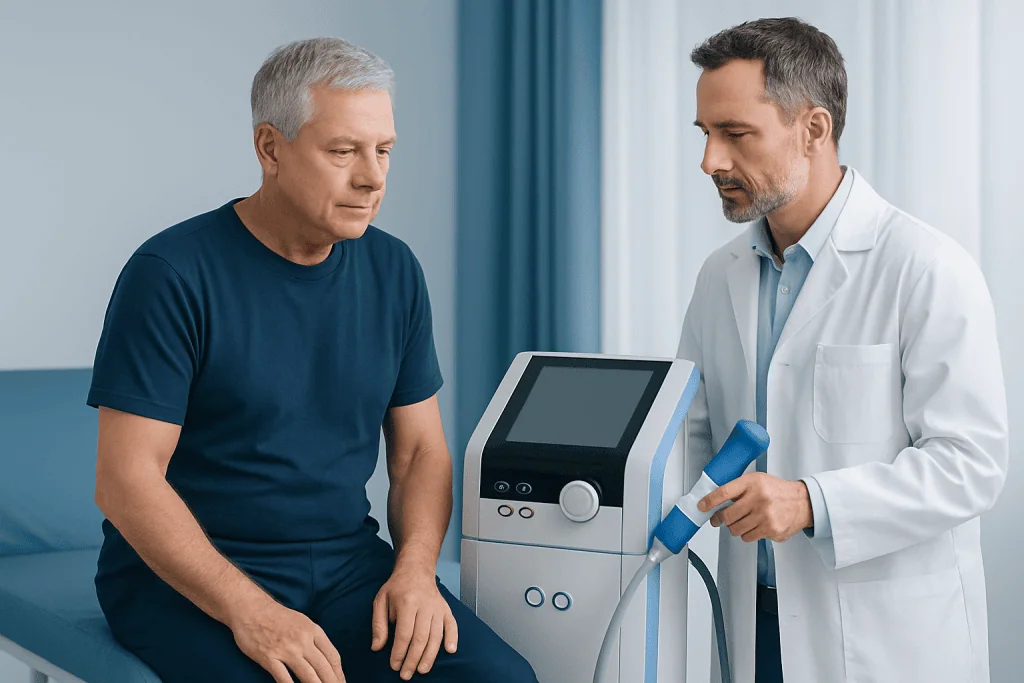
An erection depends on sexual stimulation, healthy blood flow, nerve signals and relaxation of smooth muscle in the penis. ED treatments work in different ways: some improve the conditions that support natural erections, while others temporarily increase penile blood flow or mechanically create rigidity for intercourse.
Oral phosphodiesterase type 5 (PDE5) inhibitors are commonly prescribed first. They enhance the body’s natural blood-flow response to sexual stimulation; they do not automatically cause an erection and usually require timing, stimulation and sometimes more than one supervised attempt to assess their effect.
Other options bypass or supplement this pathway. A vacuum erection device draws blood into the penis and a constriction ring helps retain it. Injectable medicines relax penile blood vessels directly, while a penile prosthesis creates reliable firmness through an implanted device. Psychological support may be an important part of care when stress, performance worries, low mood or relationship difficulties contribute.
Assessment and candidacy for treatment

A clinician will usually ask about erection changes, morning erections, sexual desire, health conditions, medicines, alcohol and tobacco use, mood, and relationship concerns. The discussion is confidential and helps distinguish physical, psychological and mixed causes, which are all common.
Assessment may include blood pressure measurement, a focused physical examination and blood tests when indicated. These may check glucose, cholesterol, testosterone or other factors. In selected cases, specialists may recommend further cardiovascular assessment, hormone evaluation, penile Doppler ultrasound or referral for mental health or relationship counselling.
Safe candidacy matters. PDE5 inhibitor medicines must not be used with nitrate medicines for chest pain because the combination can dangerously lower blood pressure. People with significant heart disease, recent cardiovascular events, severe liver or kidney disease, or certain eye conditions should receive individual medical advice before using ED medication.
- Review current prescription, over-the-counter and recreational substances.
- Discuss whether sexual activity is safe in the context of heart health.
- Identify potentially reversible causes, including medication side effects and untreated sleep apnea.
- Set realistic goals for erection quality, spontaneity, recovery and partner involvement.
Treatment pathways: from lifestyle support to procedures
Improving cardiovascular and metabolic health can support erections and may improve response to other treatments. Depending on the individual, this can include stopping smoking, limiting excess alcohol, being physically active, aiming for a healthy weight, improving sleep and managing diabetes, blood pressure and cholesterol. A clinician should review medicines that may affect erections before any medication is changed.
For many people, prescribed PDE5 inhibitors are an appropriate first medical option. If they do not work, the reason may be an incorrect dose or timing, insufficient sexual stimulation, medication interactions, severe underlying vascular disease, low testosterone in selected cases, or psychological factors. A doctor can help determine whether adjustment, a different medicine or another treatment pathway is appropriate.
Vacuum erection devices can be effective without systemic medication and may suit people who cannot take tablets. Penile injection therapy and intraurethral medication can offer stronger local effects, but require teaching and follow-up. These treatments should only be used as prescribed because prolonged erections and local tissue effects need prompt medical attention.
When less invasive options are ineffective, unacceptable or medically unsuitable, penile prosthesis surgery may be considered. A urologist can explain the device types, expected outcomes, permanence of the procedure and possible alternatives in an individualized consultation.
Penile implant procedure, recovery, benefits and risks
A penile implant, also called a penile prosthesis, is a surgical treatment for ED that is usually considered after other treatments have failed or cannot be used. The most commonly used device is inflatable: cylinders are placed in the penis, a pump is positioned in the scrotum and a fluid reservoir is placed inside the body. Squeezing the pump produces an erection; deflating the device returns the penis to a soft state.
Before surgery, the urology team reviews health conditions, previous pelvic or abdominal operations, infection risks and treatment expectations. The procedure is performed under anesthesia. During surgery, the surgeon places the device through a small incision, checks its function and closes the incision. The exact technique and hospital stay vary according to the device and the person’s health.
Recovery includes wound care, pain management and avoiding strenuous activity until the surgeon advises otherwise. Swelling and discomfort are expected early in recovery. The implant is generally not used for sexual activity until healing is complete and the person has been taught how to operate the device; this timing is individualized at follow-up appointments.
Benefits include a dependable, on-demand option that does not rely on oral medication response. Risks include infection, bleeding, pain, device malfunction, scarring and the possible need for revision or removal surgery. As tissue changes after implantation are permanent, a penile implant requires careful shared decision-making with an experienced urologist.
What is the most successful treatment of erectile dysfunction?
There is no single most successful treatment of erectile dysfunction for every person. Success depends on the cause of ED, safety considerations, comfort with the treatment and what the individual and partner consider a satisfactory result. Treating diabetes, vascular risk factors, medication effects or emotional concerns may be just as important as treating the erection itself.
PDE5 inhibitor medicines are often effective and are commonly used first when medically safe. Penile prostheses can provide high reliability for carefully selected people whose ED has not improved with other treatments, but surgery has permanent implications and possible complications. Therefore, the best treatment is the least invasive effective option that fits the person’s clinical situation and goals.
A combined approach may be helpful. For example, someone may use prescribed medication while improving cardiovascular health and addressing anxiety or relationship stress through counselling. Follow-up allows the treatment plan to be adjusted without pressure or blame.
How long does it take to correct erectile dysfunction?
The time needed to improve erectile dysfunction varies widely. Some people respond to correctly used oral medication on the first few attempts, while others need several weeks to optimize treatment, manage side effects or address contributing health conditions. Lifestyle changes and improved control of diabetes, blood pressure or sleep problems may take months to show their full effect.
When ED is related to stress, anxiety, low mood or relationship concerns, psychological therapy or sex therapy can be helpful, but improvement often develops gradually. If low testosterone is confirmed and treatment is appropriate, clinicians monitor response over time rather than expecting immediate change.
After penile implant surgery, healing and instruction in device use take time. The surgical team provides an individual recovery schedule. Persistent ED should not be assumed to be permanent, but it should be assessed rather than self-treated with unregulated products or medication obtained without medical guidance.
How does a wife deal with erectile dysfunction?
A partner can support someone with erectile dysfunction by approaching the subject calmly, privately and without criticism. ED is a health concern, not a sign of reduced attraction, lack of affection or personal failure. Pressure to perform can worsen anxiety and make erections more difficult.
Open communication about closeness, intimacy and expectations can reduce distress for both partners. Intimacy does not have to be limited to penetrative sex while assessment and treatment are underway. Couples may find it useful to agree on ways to maintain connection that feel comfortable and unhurried.
Encouraging a medical appointment can be constructive, especially if the problem is persistent or new. Couples counselling or certified sex therapy may help when communication difficulties, anxiety, past experiences or relationship strain are involved. The person with ED should remain central to decisions about assessment and treatment.
Why can't my husband get hard even with Viagra?
Viagra is a brand name for sildenafil, a PDE5 inhibitor. It may not work if it is taken incorrectly, taken too close to a heavy meal, used without enough time or sexual stimulation, or if the prescribed approach is not suitable for the individual. A clinician can explain correct use and whether another medically appropriate option should be considered.
Some men have ED that is less responsive to oral medication because of advanced diabetes, blood vessel disease, nerve injury, pelvic surgery, certain medicines, low testosterone or substantial anxiety. Alcohol, smoking, fatigue and relationship stress can also interfere with response. It is important not to increase the dose or combine ED medicines without medical advice.
Sildenafil is not safe with nitrates and may not be appropriate with some other medicines or health conditions. If erections remain difficult despite treatment, a urologist can reassess the cause and discuss alternatives such as a vacuum device, injection therapy, counselling or surgery.
When to seek medical care
Medical care is advisable when erection difficulty persists for several weeks, causes distress, begins suddenly, occurs with reduced sexual desire, or follows pelvic injury or surgery. A check-up is particularly important for people with diabetes, high blood pressure, high cholesterol, heart disease or symptoms of depression or anxiety, as ED may be connected to treatable health issues.
Urgent medical help is needed for an erection lasting more than four hours, severe penile pain, sudden curvature after injury, chest pain during sexual activity, or an allergic reaction after medication. These situations should not be managed at home.
Acibadem International’s multidisciplinary specialists and JCI-accredited hospitals assess and treat erectile dysfunction for international patients, with urology, cardiology, endocrinology and mental health input when appropriate. A qualified clinician can help create a safe, private and realistic plan based on the individual’s needs.
Frequently asked questions
Can erectile dysfunction be cured?
Erectile dysfunction can improve substantially when an underlying cause is identified and managed, such as diabetes, medication side effects, smoking, stress or low testosterone when clinically confirmed. Some causes are long-term, but effective treatments can still help a person achieve satisfactory sexual function. A clinician can clarify whether the goal is reversal of a contributing cause, ongoing symptom control, or both.
Are erectile dysfunction tablets safe for everyone?
No. PDE5 inhibitor medicines can be unsafe for people who use nitrates for chest pain and may require caution with some heart, blood pressure, liver, kidney and eye conditions. A doctor or pharmacist should review current medicines and health history before they are used. Medicines bought from unregulated sources may be counterfeit or contain unsafe ingredients.
Can stress cause erectile dysfunction?
Yes. Stress, performance anxiety, depression, relationship difficulties and fatigue can affect sexual desire and the brain-body signals needed for an erection. Psychological causes can occur alone or alongside physical health conditions. Counselling or sex therapy can be useful as part of a broader treatment plan.
Does erectile dysfunction always mean heart disease?
No, but ED can be associated with blood vessel disease and shared risk factors such as diabetes, high blood pressure, high cholesterol and smoking. Because penile blood vessels are small, erection changes may sometimes appear before other cardiovascular symptoms. A medical review can help assess individual risk.
Can a vacuum erection device be used long term?
Many people use a vacuum erection device as a long-term non-surgical option when it is comfortable and effective for them. Correct fitting and instruction are important to reduce bruising, numbness or discomfort. A clinician can advise whether it is appropriate for someone taking blood-thinning medicine or with a bleeding disorder.
Will a penile implant affect sensation or orgasm?
A penile implant is designed to provide rigidity and does not directly change penile sensation, orgasm or ejaculation for most people. However, these functions can already be affected by the underlying cause of ED, nerve damage, prostate treatment or other health conditions. A urologist can discuss what is realistic in an individual situation before surgery.
References
- American Urological Association
- European Association of Urology
- National Institute of Diabetes and Digestive and Kidney Diseases
- Mayo Clinic
- World Health Organization
This article is for general information only and is not a substitute for professional medical advice. Please consult a qualified doctor about your individual situation.
Erectile Dysfunction in Turkey — costs, top hospitals & a free quote
JCI-accredited · board-certified surgeons · reply within 24h
Add us as a Preferred Source to see more of our trusted health content across Google Search, AI Overviews and Discover.
Check your numbers in seconds
BMI, calories, due date, blood pressure and 30+ more clinical calculators — free, instant, doctor-reviewed ranges.

Urology
Treatment of the urinary system and male reproductive health, including robotic and laser procedures.
60 specialists in this unit