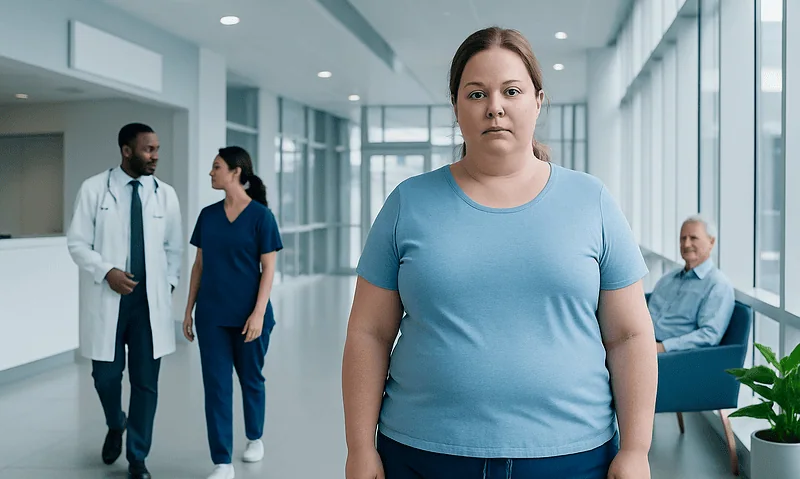
Trending News Anxiety: Why Viral Headlines Trigger Worry and What Helps

Viral headlines can trigger worry because the brain is wired to notice threats and uncertainty. Repeated exposure to distressing news may contribute to stress, poor sleep, irritability, and difficulty concentrating.
Key Takeaways
- Viral headlines can trigger worry because the brain is wired to notice threats and uncertainty.
- Repeated exposure to distressing news may contribute to stress, poor sleep, irritability, and difficulty concentrating.
- Healthy media habits, such as limiting screen time and choosing reliable sources, can reduce news-related stress.
- Grounding techniques, movement, rest, and social support often help people feel calmer and more in control.
- Professional support may be helpful if anxiety becomes persistent, intense, or starts affecting daily life.
Trending news anxiety describes the stress, worry, or sense of overwhelm that can arise when alarming stories spread quickly online and across broadcast media. While staying informed matters, balanced media habits and practical coping strategies can help protect mental well-being.
Overview
Trending news anxiety is a term used to describe worry, tension, or emotional overload linked to fast-moving news stories, especially when they are dramatic, negative, or highly repeated. Viral headlines can spread across social media, television, news apps, and group chats within minutes, making it hard for a person to step back and process what they are seeing. For some people, this creates a steady sense of unease rather than simple curiosity or concern.
This response is understandable. Human attention is naturally drawn to possible threats, uncertainty, and emotionally charged information. When the news cycle emphasizes crisis, conflict, health scares, economic fears, or shocking events, the body and mind may respond as if danger is immediate and personal, even when the event is far away or still developing.
News itself is not the problem. Reliable reporting helps people make informed decisions and understand the world around them. The difficulty often comes from overexposure, constant alerts, conflicting updates, and emotionally intense content presented without enough time for reflection. In that setting, staying informed can begin to feel exhausting rather than useful.
Most people experience some degree of concern during major news events. However, when distress becomes frequent, affects sleep or mood, or leads to compulsive checking, it may be helpful to approach it as a mental well-being issue and build healthier ways to engage with information.
Symptoms of News-Related Anxiety
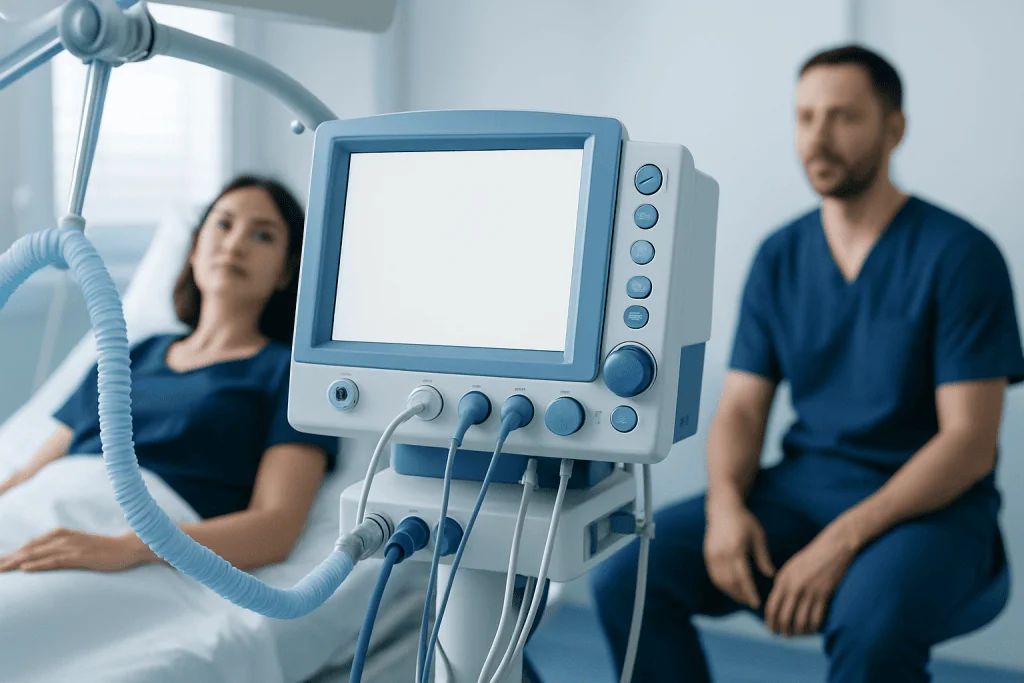
Trending news anxiety can affect emotions, thoughts, the body, and daily behavior. Emotional symptoms often include nervousness, dread, irritability, sadness, or feeling constantly on edge. A person may notice that even a short glance at headlines changes their mood for hours.
Physical symptoms may resemble other forms of stress or anxiety. These can include a racing heart, muscle tension, restlessness, headaches, stomach discomfort, fatigue, or trouble sleeping. Some people feel a burst of stress as soon as their phone lights up with breaking news alerts.
Thinking patterns may also shift. A person may find it hard to stop imagining worst-case scenarios, may repeatedly check for updates, or may struggle to focus on work, study, or family life. In some cases, a headline is remembered long after it is read, even when the details were incomplete or misleading.
Common signs include:
- Checking news or social media compulsively
- Feeling overwhelmed after reading headlines
- Difficulty sleeping because of current events
- Trouble concentrating on everyday tasks
- Avoiding conversations because they feel too upsetting
- Feeling hopeless or emotionally drained after media exposure
Why Viral Headlines Trigger Worry
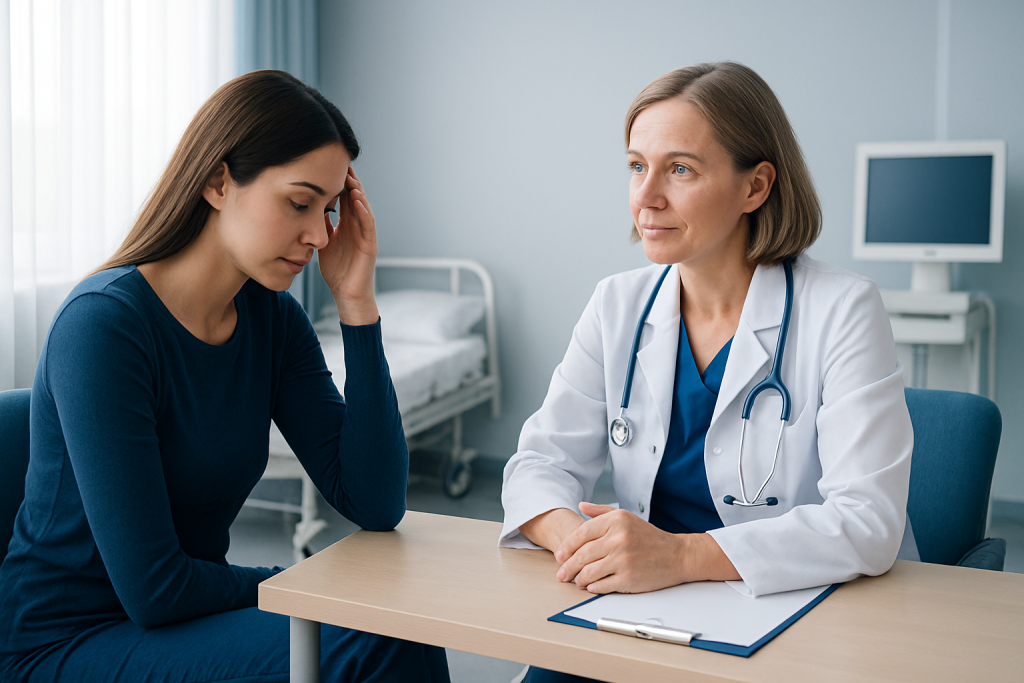
Viral headlines are designed to capture attention quickly. They often use urgency, novelty, fear, conflict, or surprise to encourage clicks and shares. Even when the underlying report is balanced, the headline alone may sound dramatic. This can activate the brain’s threat-detection systems before a person has had time to evaluate the information calmly.
Social media can amplify the effect. Repetition makes stories feel larger, closer, and more personally relevant. When similar posts appear across multiple platforms, the brain may interpret this as a sign that the threat is immediate or unavoidable. Strong emotional reactions from friends, influencers, or comment sections can increase that sense of alarm.
Uncertainty is another important factor. Early reporting is often incomplete, and developing stories may change rapidly. Gaps in information can make people fill in the blanks with imagined outcomes. This is especially difficult for those who already tend toward worry, perfectionism, or a need for certainty.
Doomscrolling also plays a role. Continuously consuming distressing information without a clear stopping point keeps the stress response activated. Over time, this pattern may contribute to broader anxiety symptoms or worsen low mood. In some individuals, repeated exposure to traumatic or frightening reports may also intensify features seen in depression or stress-related conditions.
Risk Factors and Who May Be More Affected
Anyone can develop stress from news overload, but some people may be more vulnerable. Those with a history of anxiety disorders, panic symptoms, depression, trauma, or sleep difficulties may react more strongly to intense media coverage. People going through major life stress, such as illness, caregiving, financial strain, or grief, may also have less emotional reserve to manage upsetting headlines.
Young adults and teenagers may be especially affected because social media is deeply woven into daily life and because algorithm-driven feeds often reward high-emotion content. At the same time, adults who rely on constant notifications for work or who follow global events closely may also find it hard to disconnect.
Personality and habits matter as well. People who feel responsible for staying informed at all times, who struggle with uncertainty, or who frequently compare sources in search of reassurance can become trapped in a cycle of checking and distress. Isolation may worsen the effect, while supportive relationships can buffer it.
Certain types of stories tend to be more triggering, such as reports about health threats, disasters, violence, children, or events that feel personally relevant. If a headline connects with a person’s own experiences or fears, the emotional response may be stronger and longer-lasting.
How It Is Recognized
Trending news anxiety is not a separate formal diagnosis on its own. Instead, it is usually understood as a pattern of stress or anxiety linked to media exposure. Recognition begins with noticing the connection between consuming news and changes in mood, body symptoms, or behavior. A simple question can be helpful: does following the news leave the person informed, or mainly distressed and unable to function well?
A doctor or mental health professional may ask about sleep, concentration, mood, panic symptoms, screen habits, and whether the person feels compelled to keep checking updates. They may also explore whether the stress is temporary and situation-based or part of a broader anxiety problem that deserves fuller evaluation.
It is important to consider other possibilities too. Physical symptoms such as palpitations, breathlessness, dizziness, or stomach upset can have many causes. If symptoms are new, severe, or persistent, a medical assessment may be useful to rule out other health concerns and to guide the right support.
When symptoms are significant, a clinician may discuss anxiety management, counseling, or treatments commonly used for ongoing stress disorders. In some cases, structured support such as psychotherapy can help a person understand triggers, challenge unhelpful thought patterns, and develop healthier boundaries around media use.
What Helps: Treatment Options and Practical Coping Strategies
The goal is usually not to avoid news completely, but to engage with it in a way that is informed, intentional, and emotionally sustainable. One of the most effective steps is to reduce unplanned exposure. Turning off breaking-news notifications, checking the news at set times, and choosing one or two reliable sources can lower the sense of constant threat. Reading a full article rather than reacting to a headline alone may also reduce misunderstanding and fear.
Calming the body’s stress response is equally important. Slow breathing, stretching, walking, time outdoors, prayer or meditation, and regular sleep habits can help the nervous system settle. People often benefit from replacing doomscrolling with a clear transition activity, such as making tea, listening to music, or speaking with a trusted friend after reading difficult news.
Cognitive strategies may help too. It can be useful to ask: Is this headline giving complete information? Is this event directly affecting the person right now? Is repeated checking making the situation clearer or simply increasing distress? For some people, keeping a journal or discussing worries in counseling can make these patterns easier to see and change.
If distress is persistent or interferes with daily life, professional care can be valuable. Options may include stress management support, counseling, and, when appropriate, cognitive behavioral therapy to reduce anxious thinking and compulsive checking. In people with more severe or ongoing symptoms, clinicians may also evaluate whether psychiatric care or additional mental health treatment would be helpful.
Prevention, Self-Care, and When to Seek Professional Help
Preventing news-related anxiety often starts with intentional media habits. Many people do well with a daily limit, such as checking updates once in the morning and once later in the day instead of continuously. Avoiding distressing content close to bedtime can improve sleep and reduce nighttime worry. Curating social media feeds, muting triggering terms, and unfollowing unreliable accounts may also make a noticeable difference.
Self-care works best when it is simple and regular. Helpful routines may include exercise, balanced meals, enough sleep, time with supportive people, and activities unrelated to screens. A person does not have to ignore world events to protect mental health; it is possible to stay informed while also taking breaks and preserving emotional energy.
Professional help should be considered if anxiety feels intense, lasts for weeks, causes panic symptoms, affects work or relationships, or leads to avoidance, hopelessness, or persistent insomnia. Urgent support is needed if a person feels unsafe, severely overwhelmed, or has thoughts of self-harm. Reaching out early is a sign of care, not weakness.
For people seeking evaluation and support, Acibadem International’s multidisciplinary specialists in JCI-accredited hospitals diagnose and treat mental health concerns for international patients. The most helpful plan depends on the individual and may combine practical lifestyle steps with structured clinical support.
Frequently asked questions
Is trending news anxiety a real mental health issue?
Yes. Although it is not usually considered a separate formal diagnosis, distress linked to repeated exposure to alarming news is a recognized mental well-being concern. If it starts affecting sleep, mood, concentration, or daily functioning, it deserves attention and support.
Why do headlines make some people feel anxious so quickly?
Headlines are often written to capture attention through urgency, fear, or surprise. Because the brain naturally scans for threats, this style of messaging can trigger a stress response before the full story is understood.
Can doomscrolling make anxiety worse?
Yes. Constantly consuming upsetting updates can keep the mind focused on danger and uncertainty. This may increase physical tension, sleep problems, and compulsive checking rather than helping a person feel informed.
Should a person stop following the news completely?
Usually not. Many people feel better when they follow the news in a structured way rather than avoiding it entirely. Limiting exposure, choosing reliable sources, and checking updates at set times often creates a healthier balance.
How can someone calm down after upsetting news?
Simple grounding steps can help, such as stepping away from the screen, taking slow breaths, going for a short walk, or talking with someone trusted. It may also help to read beyond the headline and confirm the information through a reliable source before reacting.
When should someone seek professional help for news anxiety?
A person should consider professional support if anxiety is persistent, intense, or interferes with sleep, work, relationships, or everyday activities. Help is especially important if there are panic symptoms, hopelessness, or thoughts of self-harm.
References
- World Health Organization
- American Psychiatric Association
- National Institute of Mental Health
- Centers for Disease Control and Prevention
- American Psychological Association
This article is for general information only and is not a substitute for professional medical advice. Please consult a qualified doctor about your individual situation.
Explore treatments in Turkey — costs, top hospitals & a free quote
JCI-accredited · board-certified surgeons · reply within 24h
Add us as a Preferred Source to see more of our trusted health content across Google Search, AI Overviews and Discover.