Turp Procedure — Explained by Medical Evidence, Not Myths

The turp procedure treats urinary blockage from an enlarged prostate, usually when symptoms persist despite medication. TURP is performed through the urethra, so there is typically no cut on the outside of the body.
Key Takeaways
- The turp procedure treats urinary blockage from an enlarged prostate, usually when symptoms persist despite medication.
- TURP is performed through the urethra, so there is typically no cut on the outside of the body.
- Most people notice stronger urine flow and less trouble emptying the bladder after recovery.
- Like any surgery, TURP has risks, including bleeding, infection, temporary urinary symptoms, and sexual side effects.
- Evaluation before surgery helps confirm that the prostate is the main cause of symptoms and guides the safest treatment choice.
The turp procedure is a common operation used to relieve urinary symptoms caused by an enlarged prostate, most often benign prostatic hyperplasia (BPH). It works by removing part of the prostate through the urethra, without an external incision, to improve urine flow and reduce bladder obstruction.
What Is the TURP Procedure?
The turp procedure, short for transurethral resection of the prostate, is a surgical treatment for urinary problems caused by an enlarged prostate. It is most often recommended for benign prostatic hyperplasia, or benign prostatic hyperplasia, when symptoms are moderate to severe or when medicines no longer provide enough relief. The aim is to remove the part of the prostate that is blocking urine flow.
During TURP, the surgeon passes a thin instrument through the urethra, the tube that carries urine out of the body. Because the procedure is done internally, there is usually no external incision. Small pieces of prostate tissue are carefully removed to widen the urinary channel and reduce pressure on the bladder.
TURP has been used for many years and remains one of the standard surgical options for men with bothersome urinary symptoms from prostate enlargement. It is not a treatment for prostate cancer itself, although tissue removed during the procedure may be examined in the laboratory if needed. For many patients, TURP can improve urine flow, reduce repeated urinary retention, and lower the risk of complications related to long-term obstruction.
Why It Is Done and Which Symptoms It Can Help
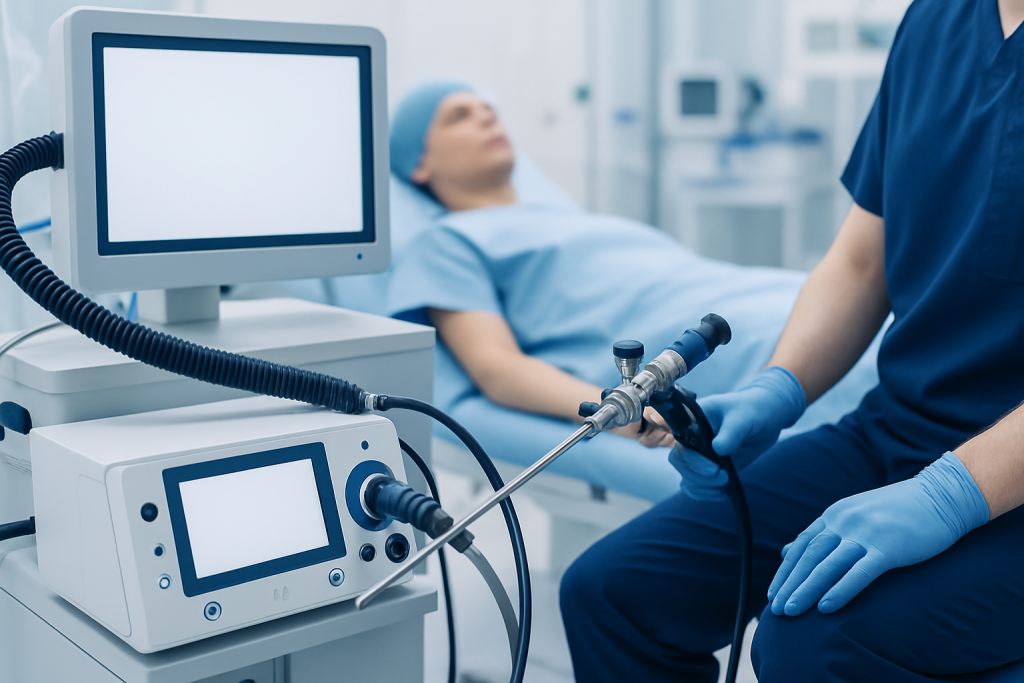
The prostate sits below the bladder and surrounds part of the urethra. As the prostate enlarges with age, it can narrow the urethra and make urination difficult. This may lead to a weak stream, trouble starting urination, stopping and starting, straining, dribbling, or the feeling that the bladder has not emptied fully.
The turp procedure may also help with symptoms such as frequent urination, urgency, waking at night to urinate, or repeated episodes of sudden urinary retention. In some cases, doctors consider surgery when prostate enlargement causes bladder stones, recurrent urinary tract infections, blood in the urine related to the prostate, or kidney problems from ongoing obstruction.
Not every man with an enlarged prostate needs surgery. Many start with lifestyle measures or medication. TURP is generally considered when symptoms begin to interfere with sleep, work, travel, or quality of life, or when complications suggest that waiting may no longer be the best option.
How Doctors Decide If TURP Is the Right Choice

Before recommending surgery, a doctor will confirm that the prostate is truly the main cause of the symptoms. Other conditions can mimic prostate obstruction, including infection, overactive bladder, urethral narrowing, bladder stones, certain medicines, and neurological disorders. A careful evaluation helps avoid unnecessary procedures and supports better outcomes.
Assessment often begins with a detailed medical history and symptom review. The doctor may ask how often the patient urinates, whether there is urgency, leakage, weak flow, difficulty starting, or episodes of retention. A physical examination, including a digital rectal exam, may be performed to assess prostate size and feel.
Tests may include urine analysis, blood tests such as kidney function and prostate-specific antigen when appropriate, ultrasound to check the bladder and prostate, and measurement of urine flow or residual urine left after voiding. In selected cases, cystoscopy or more detailed urodynamic testing may be used. This diagnostic work-up is part of comprehensive urology care and helps determine whether TURP or another approach is more suitable.
How the TURP Procedure Is Performed
TURP is usually carried out in a hospital under spinal or general anesthesia. A resectoscope, which is a slender instrument with a camera and surgical loop, is inserted through the urethra to reach the prostate. Using this device, the surgeon removes small pieces of the enlarged inner part of the prostate that are causing blockage.
The procedure typically takes less than a few hours, depending on the size of the prostate and the complexity of the case. Removed tissue is flushed into the bladder and then taken out. At the end of surgery, a urinary catheter is usually placed to drain urine and help wash out blood or small clots while the area begins to heal.
Hospital stay varies, but many patients stay for a short period so the team can monitor urination, bleeding, pain control, and recovery from anesthesia. Some people may benefit from related minimally invasive or laser-based approaches instead of standard TURP. In appropriate cases, specialists may discuss alternatives such as holmium laser prostate surgery or other methods depending on prostate size, overall health, and surgical goals.
Benefits, Risks, and What Recovery Is Like
The main benefit of the turp procedure is relief of urinary obstruction. Many men experience a stronger urinary stream, less straining, improved bladder emptying, and fewer episodes of retention. Symptom improvement may continue over weeks as swelling settles and the bladder adapts to easier urine flow.
As with any operation, TURP carries risks. These can include bleeding, infection, temporary difficulty urinating after catheter removal, irritation during urination, and the need for additional treatment if symptoms return over time. Less common but important risks include narrowing of the urethra, bladder neck scarring, or problems related to anesthesia. Doctors also explain a specific fluid-related complication called TUR syndrome, which is much less common with modern techniques but still recognized.
Sexual side effects are an important part of informed decision-making. Many men can still have erections after TURP, but retrograde ejaculation, in which semen travels backward into the bladder instead of exiting through the penis, is common after the procedure. This is not usually harmful, but it can affect fertility. Recovery commonly includes a catheter for a short time, temporary urinary urgency or mild burning, and a gradual return to usual activities as advised by the surgical team.
During recovery, patients are often advised to drink enough fluids, avoid heavy lifting for a period, prevent constipation, and follow instructions about restarting exercise, work, and sexual activity. Persistent heavy bleeding, fever, inability to pass urine, worsening pain, or large clots should be reported promptly.
What Happens if TURP Is Not Suitable?
TURP is highly effective, but it is not the only option. Some men do well with medication, especially if symptoms are mild or only moderately bothersome. Others may need a different procedure because of very large prostate size, bleeding risk, use of blood thinners, previous surgery, or coexisting bladder problems.
Alternative treatments may include laser therapies, vaporization techniques, simple prostatectomy for very large glands, or procedures designed to preserve ejaculation in selected patients. The best choice depends on symptom severity, prostate anatomy, general health, and personal priorities such as recovery time or fertility considerations. In some cases, further investigation is needed if there is concern for conditions beyond BPH, including prostate cancer, although TURP itself is not considered curative cancer treatment.
If bladder or kidney issues are already present, the doctor may recommend treatment without delay to protect urinary function. A personalized discussion is especially important for older adults and for patients with heart, lung, or neurological conditions that can influence both symptoms and surgical planning.
Self-care Before and After Surgery
Good preparation can make recovery smoother. Before TURP, patients should give their doctor a full list of medicines, vitamins, and supplements, especially blood thinners or drugs that may increase bleeding risk. The medical team may advise temporary changes to some medicines, but these decisions should always be supervised by the prescribing doctor.
After surgery, simple self-care measures are often helpful. These may include resting, staying hydrated, eating fiber-rich foods to avoid straining with bowel movements, and taking prescribed medicines exactly as directed. It is also wise to avoid heavy lifting, long periods of sitting without movement, and strenuous exercise until the doctor says these are safe.
- Attend follow-up visits and discuss any ongoing urinary symptoms.
- Ask when driving, work, exercise, and sexual activity can be resumed.
- Report fever, worsening burning, foul-smelling urine, or inability to urinate.
- Seek advice if blood in the urine becomes heavier rather than gradually improving.
Near the end of the care pathway, some international patients choose treatment in specialized centers. Acibadem International’s multidisciplinary specialists and JCI-accredited hospitals provide diagnosis and treatment for prostate conditions, including surgical management within advanced urology care.
When to Seek Medical Care
Medical advice should be sought if urinary symptoms become frequent, disruptive, or painful, or if there is difficulty starting urination, a weak stream, or a sensation of incomplete bladder emptying that does not improve. These symptoms do not always mean surgery is needed, but they deserve proper assessment to find the cause and prevent complications.
Urgent medical attention is important if a person cannot pass urine at all, has fever with urinary symptoms, sees significant or persistent blood in the urine, develops severe lower abdominal pain, or feels unwell with chills or vomiting. These signs may point to urinary retention, infection, or another problem that needs prompt treatment.
After a turp procedure, follow-up is part of routine care. Patients should contact their doctor if they have heavy bleeding, passing large clots, increasing pain, inability to urinate after catheter removal, or symptoms that are worsening instead of slowly improving.
Frequently asked questions
Is the TURP procedure major surgery?
The TURP procedure is a hospital-based operation, but it is usually less invasive than open surgery because it is performed through the urethra without an external cut. It is still a significant medical procedure and requires anesthesia, monitoring, and recovery time.
How long does it take to recover from TURP?
Initial recovery often takes days to a few weeks, but full healing and settling of urinary symptoms can take longer. Recovery time varies depending on age, general health, prostate size, and whether there were any complications.
Will TURP cure an enlarged prostate permanently?
TURP removes the tissue causing blockage and often provides long-lasting symptom relief. However, it does not stop the prostate from continuing to change with age, so some men may need further treatment in the future.
Can a man still have sex after TURP?
Many men are able to resume sexual activity after healing and can still have erections. A common effect is retrograde ejaculation, which changes the way semen is released and may affect fertility, so this should be discussed before surgery.
Is TURP painful?
The procedure itself is done under anesthesia, so the patient should not feel pain during surgery. Afterward, there may be temporary discomfort, burning with urination, bladder spasms, or irritation, but these symptoms usually improve as healing progresses.
What are the alternatives to the TURP procedure?
Alternatives can include medication, watchful waiting for mild symptoms, laser procedures, and other minimally invasive treatments for BPH. The most appropriate option depends on prostate size, symptom severity, general health, and the patient's treatment goals.
This article is for general information only and is not a substitute for professional medical advice. Please consult a qualified doctor about your individual situation.
TURP in Turkey — costs, top hospitals & a free quote
JCI-accredited · board-certified surgeons · reply within 24h
Add us as a Preferred Source to see more of our trusted health content across Google Search, AI Overviews and Discover.

More from the Health Library

Cats Claw: An Evidence-Based Guide for Patients

What Is Popcorn Lung? Causes, Symptoms, and How It Is Treated
Adrenal Cortex: What Patients Need to Know

Eye Test Chart — Explained by Medical Evidence, Not Myths

Dorzolamide: An Evidence-Based Guide for Patients