Ulcer Ticulitis: Symptoms, Causes, and Treatment Options
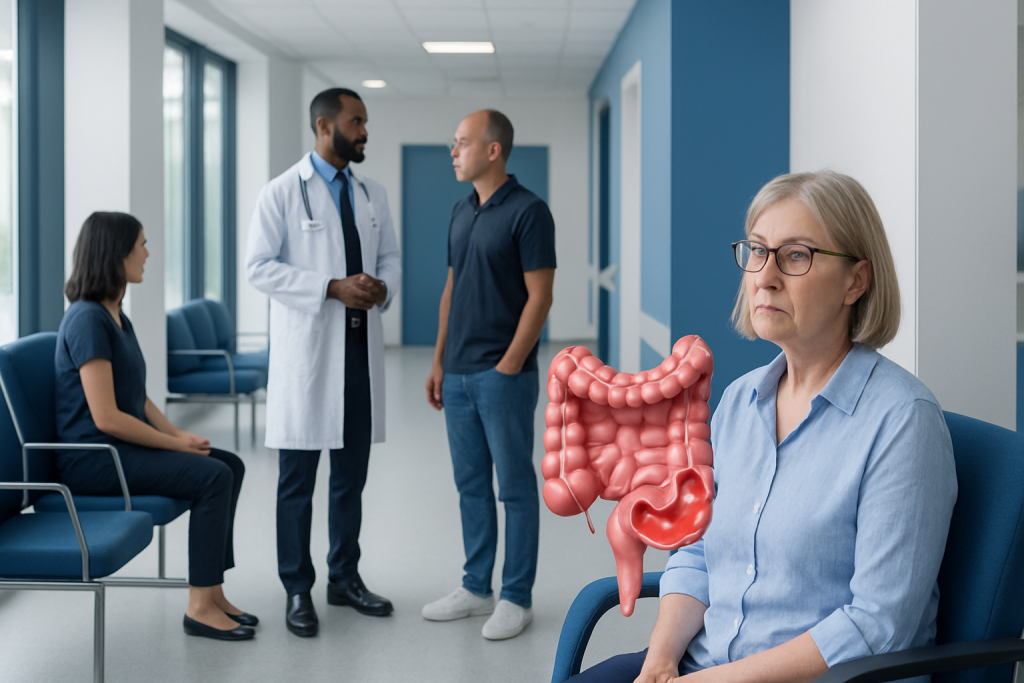
Ulcer ticulitis most often refers to diverticulitis rather than an ulcer. Common symptoms include lower abdominal pain, fever, nausea, bloating, and constipation or diarrhea.
Key Takeaways
- Ulcer ticulitis most often refers to diverticulitis rather than an ulcer.
- Common symptoms include lower abdominal pain, fever, nausea, bloating, and constipation or diarrhea.
- Mild cases may improve with bowel rest, fluids, pain relief, and close medical follow-up.
- Complicated diverticulitis can cause abscess, perforation, obstruction, or fistula and may require hospital care or surgery.
- A doctor can confirm the diagnosis with history, examination, blood tests, and imaging such as CT scanning.
- A high-fiber long-term eating pattern and regular physical activity may help lower future risk.
Ulcer ticulitis is not a standard medical term, but people often use it to describe diverticulitis, a condition in which small pouches in the colon become inflamed or infected. Symptoms can include abdominal pain, fever, bloating, and changes in bowel habits, and treatment ranges from rest and antibiotics in selected cases to procedures or surgery for complications.
What ulcer ticulitis usually means
Ulcer ticulitis is not a formal medical diagnosis. In many online searches, it appears to be a misspelling or shorthand for diverticulitis, a condition affecting the large intestine. Diverticulitis develops when small pouches in the wall of the colon, called diverticula, become inflamed or infected.
This distinction matters because ulcers and diverticulitis are different problems. Ulcers usually refer to sores in the lining of the stomach or the first part of the small intestine, while diverticulitis involves pouches in the colon. A person looking for information on ulcer ticulitis is therefore usually seeking guidance about diverticulitis symptoms, causes, diagnosis, and treatment.
Diverticula themselves are common, especially with age, and their presence is called diverticulosis. Many people with diverticulosis have no symptoms at all. Diverticulitis happens when one or more of these pouches become irritated, inflamed, or infected, leading to pain and other digestive symptoms.
Symptoms and how they may feel
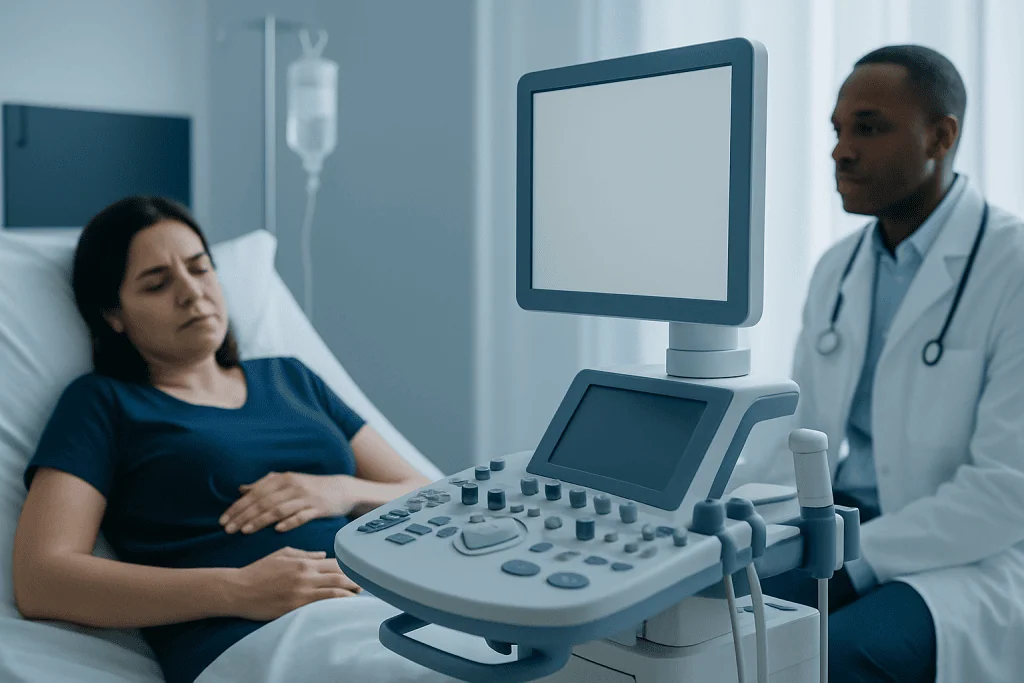
The most typical symptom of diverticulitis is abdominal pain, often on the lower left side, though pain location can vary. The discomfort may begin gradually or come on more suddenly, and it may be steady rather than cramp-like. Some people also notice tenderness when the abdomen is pressed.
Other common symptoms include fever, nausea, bloating, loss of appetite, constipation, or diarrhea. Some people feel generally unwell or unusually tired. If the inflammation is mild, symptoms may be subtle at first and can resemble other digestive conditions such as irritable bowel syndrome or colitis.
Symptoms that suggest a more serious problem include severe or worsening pain, high fever, vomiting, inability to pass stool or gas, or signs of dehydration. Blood in the stool is less typical of uncomplicated diverticulitis and should always be assessed by a doctor because it may point to another cause or a complication.
- Lower abdominal pain, often left-sided
- Fever or chills
- Bloating and abdominal tenderness
- Nausea or reduced appetite
- Constipation, diarrhea, or both at different times
Why diverticulitis happens
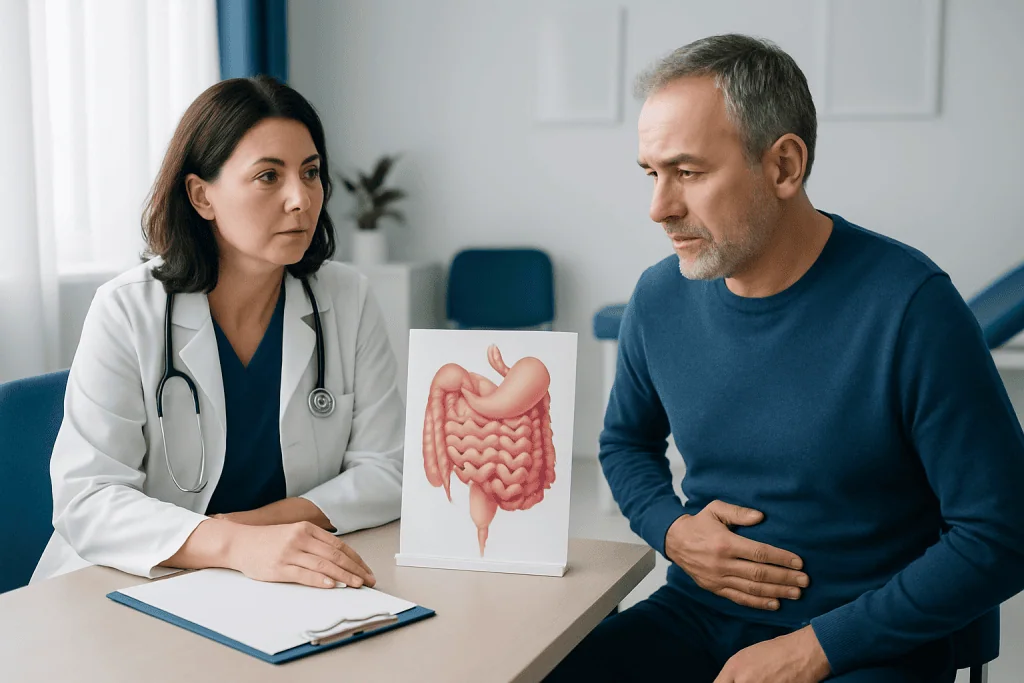
Doctors do not always identify a single cause for diverticulitis, but it generally begins in people who already have diverticulosis. Diverticula can form over time where the colon wall is weaker and pressure inside the bowel pushes outward. In some cases, stool material or changes in the gut environment may contribute to local irritation, inflammation, or infection inside a pouch.
Several factors appear to raise risk. Growing older is one of the strongest associations because diverticulosis becomes more common with age. Low fiber intake, obesity, smoking, limited physical activity, and certain medicines such as some anti-inflammatory drugs may also increase the chance of diverticulitis or its complications in some people.
A previous episode of diverticulitis can increase the chance of another flare, although recurrence does not happen to everyone. Conditions that affect immunity may make infection more severe. Doctors also consider other causes of left lower abdominal pain, including kidney stones, urinary infections, gynecologic conditions, and inflammatory bowel disease.
How doctors diagnose it
Diagnosis starts with a medical history and physical examination. A doctor will ask about the location and timing of pain, bowel changes, fever, nausea, and any past episodes. The examination often includes checking for abdominal tenderness and signs that the abdomen is irritated or rigid, which can suggest a complication.
Blood tests may show signs of inflammation or infection, and urine tests can help rule out urinary causes of pain. The imaging test used most often is a CT scan of the abdomen and pelvis because it can show inflamed diverticula and detect problems such as an abscess, perforation, fistula, or obstruction. In selected situations, an ultrasound or MRI may also be used.
Colonoscopy is usually not done during an acute attack because the inflamed colon can be more vulnerable. However, a doctor may recommend a later colonoscopy after recovery to confirm the diagnosis, assess the colon more fully, or exclude other conditions such as cancer, depending on the person’s age, symptoms, and screening history.
Treatment options and recovery
Treatment depends on whether diverticulitis is uncomplicated or complicated. Uncomplicated cases are limited to localized inflammation and may sometimes be managed at home with rest, fluids, temporary dietary adjustments, pain control, and close follow-up. Antibiotics are not needed for every mild case, but they may be used when symptoms are more pronounced, when infection is likely, or when the person has other medical risks.
If symptoms are severe, if the person cannot keep fluids down, or if complications are suspected, hospital treatment may be needed. This can include intravenous fluids, antibiotics when appropriate, and monitoring. If an abscess forms, doctors may recommend image-guided drainage. Some patients may also need specialist gastroenterology care to guide diagnosis, recovery, and prevention planning.
Surgery is reserved for specific situations, such as perforation, widespread infection in the abdomen, bowel obstruction, certain fistulas, or repeated episodes that significantly affect quality of life. In these cases, the diseased segment of colon may need to be removed through colon surgery. Treatment decisions are individualized and depend on symptoms, complications, overall health, and previous episodes.
Recovery time varies. Mild attacks may improve within days, while complicated cases can take longer and may require follow-up imaging or clinic visits. After the acute phase settles, some people continue to have intermittent bowel symptoms, and their doctor may look for overlapping issues such as irritable bowel syndrome.
Prevention and self-care after an episode
After recovery, long-term self-care focuses on supporting colon health and lowering the chance of future attacks. Many doctors recommend a balanced, fiber-rich eating pattern with fruits, vegetables, legumes, and whole grains unless another condition limits fiber intake. Fiber helps stool move more smoothly through the colon, though changes should be introduced gradually and with adequate fluid intake.
Regular physical activity, maintaining a healthy weight, and avoiding smoking may also help reduce risk. It is sensible to review medicines with a doctor, especially frequent use of nonsteroidal anti-inflammatory drugs, because these may increase the likelihood of complications in some people. There is no strong evidence that everyone with diverticulosis must avoid nuts, seeds, or popcorn.
During recovery from an acute flare, doctors may suggest a temporary lower-fiber or easier-to-digest diet before returning to a normal pattern. Self-treatment should be cautious: persistent pain, fever, or inability to eat and drink normally should not be managed at home without medical advice. In some cases, a doctor may advise follow-up with general surgery or gastroenterology if episodes recur or imaging shows ongoing concerns.
When to seek medical care
A person should contact a doctor promptly if they develop new lower abdominal pain with fever, nausea, or a clear change in bowel habits that does not settle. Medical assessment is especially important if there is a history of diverticulosis, a previous attack of diverticulitis, or conditions that weaken the immune system.
Urgent or emergency care is needed for severe abdominal pain, a hard or swollen abdomen, persistent vomiting, fainting, inability to pass stool or gas, heavy rectal bleeding, or signs of dehydration. These symptoms can suggest a complication that needs fast treatment.
For international patients needing assessment or treatment, Acibadem International’s multidisciplinary specialists in JCI-accredited hospitals diagnose and treat diverticular disease using medical, endoscopic, and surgical approaches when needed. The safest next step is always an evaluation by a qualified clinician who can confirm whether symptoms are due to diverticulitis or another condition.
Frequently asked questions
Is ulcer ticulitis the same as diverticulitis?
Ulcer ticulitis is not a standard medical term. In most cases, people use it to mean diverticulitis, which is inflammation or infection of small pouches in the colon. A doctor can confirm the correct diagnosis because abdominal pain can have several causes.
What is the first sign of diverticulitis?
The first noticeable sign is often pain in the lower abdomen, commonly on the left side. It may be accompanied by tenderness, bloating, fever, or a change in bowel habits. Early symptoms can be mild, so medical advice is helpful if the pain persists.
Can diverticulitis go away on its own?
Some mild cases can improve with rest, fluids, and close monitoring, but symptoms should not be ignored. Because diverticulitis can lead to complications, a clinician should guide treatment decisions. Worsening pain, fever, or vomiting needs prompt assessment.
Do all people with diverticulitis need antibiotics?
No. Recent practice has shifted away from routine antibiotics for every mild, uncomplicated case. Doctors decide based on symptom severity, overall health, signs of infection, and whether complications are suspected.
What foods should be eaten during recovery?
During an acute flare, a doctor may advise temporary dietary changes such as clear liquids or easy-to-digest foods, depending on symptoms. As recovery continues, most people are encouraged to return gradually to a balanced, higher-fiber eating pattern. Specific advice should be tailored to the individual.
Can diverticulitis come back?
Yes, some people have recurrent episodes, but many do not. The risk varies from person to person and depends on factors such as age, lifestyle, severity of previous attacks, and overall health. Follow-up care can help reduce risk and identify complications early.
References
- National Institute of Diabetes and Digestive and Kidney Diseases
- American College of Gastroenterology
- National Health Service
- Mayo Clinic
- American Society of Colon and Rectal Surgeons
This article is for general information only and is not a substitute for professional medical advice. Please consult a qualified doctor about your individual situation.
Persistent digestive symptoms? Get evaluated in Turkey
JCI-accredited · board-certified surgeons · reply within 24h
Add us as a Preferred Source to see more of our trusted health content across Google Search, AI Overviews and Discover.