Ulcer Treatment: Diagnosis, Outlook, and Modern Treatment Approaches

Most peptic ulcers can be treated successfully once the cause is identified. Testing for Helicobacter pylori and reviewing painkiller use are central parts of care.
Key Takeaways
- Most peptic ulcers can be treated successfully once the cause is identified.
- Testing for Helicobacter pylori and reviewing painkiller use are central parts of care.
- Treatment often includes acid-suppressing medicine, antibiotics when needed, and stopping irritating medicines when possible.
- Black stools, vomiting blood, sudden severe abdominal pain, or dizziness need urgent medical assessment.
- Follow-up may be needed to confirm healing, especially for stomach ulcers or ongoing symptoms.
Ulcer treatment depends on the cause, but most peptic ulcers improve with medicines that reduce stomach acid, treatment for Helicobacter pylori when present, and changes that protect the stomach lining. Modern care also focuses on identifying warning signs early, confirming the diagnosis, and preventing the ulcer from coming back.
Overview: What ulcer treatment usually involves
Ulcer treatment usually means treating a peptic ulcer, which is a sore in the lining of the stomach or the first part of the small intestine. In most cases, treatment includes medicine to reduce acid, finding and treating Helicobacter pylori infection if it is present, and avoiding factors that slow healing such as certain pain relievers, smoking, and heavy alcohol use.
Modern treatment is not only about easing pain. It also aims to confirm the cause, check for complications such as bleeding, and lower the chance of the ulcer returning. This is why a doctor may recommend testing, a review of current medicines, and follow-up after treatment rather than relying only on symptom relief.
People often use the word “ulcer” broadly, but this article focuses on peptic ulcers. These are different from canker sores, skin ulcers, or pressure sores. If symptoms suggest a digestive ulcer, evaluation by a qualified clinician helps guide the safest and most effective plan.
Symptoms and how ulcers can feel
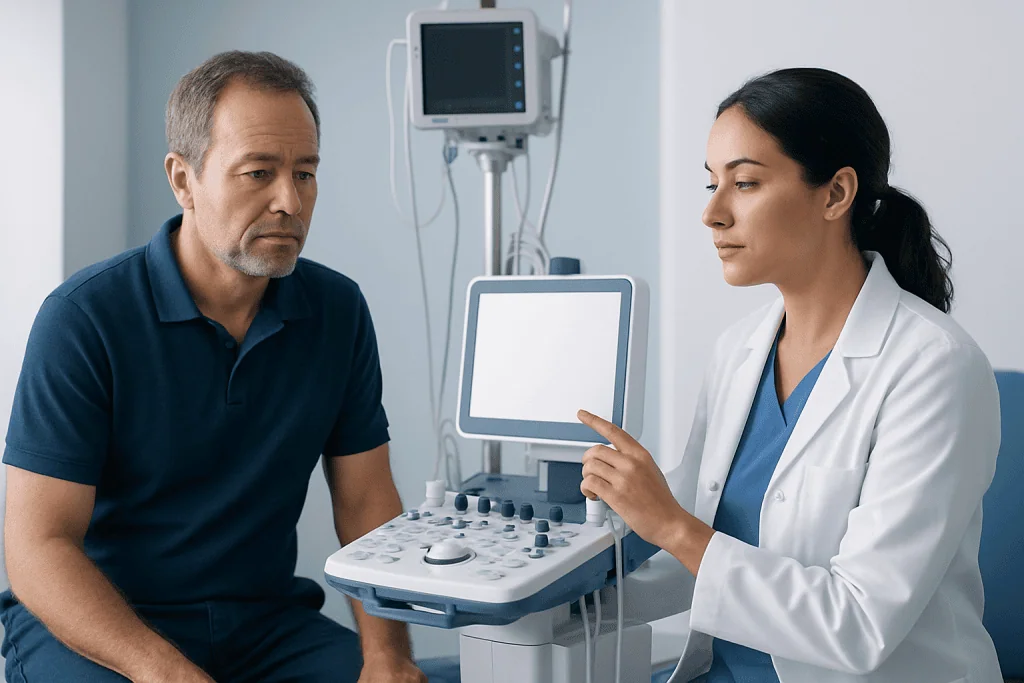
The most common symptom of a peptic ulcer is a burning or gnawing pain in the upper abdomen. Some people notice discomfort between meals, at night, or after eating. Others have bloating, early fullness, nausea, or a feeling of indigestion. Symptoms can come and go, which sometimes delays diagnosis.
Not everyone has clear symptoms. Some ulcers are found only after anemia, unexplained fatigue, or bleeding develops. In older adults and in people taking anti-inflammatory medicines, symptoms may be mild even when the ulcer is more serious.
Warning signs suggest possible complications and should not be ignored. These include:
- Black, tarry stools
- Vomiting blood or material that looks like coffee grounds
- Sudden, severe abdominal pain
- Fainting, dizziness, or unusual weakness
- Persistent vomiting or trouble keeping food down
- Unintentional weight loss or difficulty swallowing
Ulcer symptoms can overlap with other digestive conditions, including reflux, gastritis, gallbladder problems, and gastritis. Because of this, a symptom pattern alone is not enough to choose the right treatment.
Why ulcers happen: causes and risk factors

Two major causes account for most peptic ulcers. The first is infection with H. pylori, a bacterium that can weaken the stomach’s protective lining. The second is regular use of nonsteroidal anti-inflammatory drugs, or NSAIDs, such as ibuprofen, naproxen, and similar pain relievers. These medicines can reduce the stomach’s natural defenses and make ulcers more likely.
Other factors can increase risk or make healing slower. These include smoking, heavy alcohol use, older age, previous ulcer disease, serious illness, and taking medicines that increase bleeding risk, such as blood thinners or some steroid treatments. Stress and spicy foods do not usually cause ulcers by themselves, but they may worsen discomfort in some people.
Less commonly, ulcers are linked to rare conditions that cause too much stomach acid, or to severe medical illness. In a minority of cases, a stomach ulcer may need careful evaluation to make sure it is not related to another underlying disease. This is one reason doctors may advise endoscopy and follow-up testing instead of self-treatment alone.
People who have symptoms along with frequent indigestion or reflux may also need assessment for related upper digestive disorders, including reflux disease. Understanding the cause is what allows ulcer treatment to be targeted rather than temporary.
How ulcer diagnosis is confirmed
Diagnosis begins with a medical history and physical examination. A doctor will ask about the pattern of pain, use of NSAIDs, smoking, alcohol, and symptoms that suggest bleeding. Blood tests may be used to check for anemia or signs of blood loss, and stool tests may help detect hidden bleeding.
Testing for H. pylori is a key part of modern ulcer care. This may be done with a breath test, stool antigen test, or biopsy during endoscopy. The choice depends on symptoms, age, medication use, and whether alarm features such as bleeding or weight loss are present.
Upper endoscopy is one of the most useful tests when symptoms are persistent, severe, or concerning. During this procedure, a thin flexible camera is passed through the mouth to examine the esophagus, stomach, and duodenum. It can confirm whether an ulcer is present, look for bleeding, and allow tissue samples to be taken if needed. In some settings, this may be performed as part of endoscopic evaluation.
Imaging tests are not the main way to diagnose a peptic ulcer, but they may be used if complications are suspected. The goal of diagnosis is not simply to label symptoms, but to identify the exact cause and decide whether urgent treatment or follow-up is required.
Modern ulcer treatment approaches
Treatment is guided by the cause. If H. pylori is found, doctors usually prescribe a combination of antibiotics together with a medicine that strongly lowers stomach acid. If NSAIDs are contributing to the ulcer, stopping them when possible is often an important part of healing. When these medicines cannot be stopped, a doctor may suggest alternatives or protective strategies.
Acid suppression is central to ulcer treatment because it gives the stomach or duodenal lining time to heal. Proton pump inhibitors are commonly used for this purpose. Depending on the case, other medicines may also be considered to help protect the stomach lining or reduce acid. The exact choice and duration should be determined by a qualified clinician.
If an ulcer is bleeding, active treatment may be needed urgently. Doctors may use therapeutic endoscopy to find the bleeding source and treat it directly. Rarely, surgery or interventional treatment is needed if bleeding cannot be controlled or if there is a perforation or obstruction.
Follow-up matters. After treatment for H. pylori, testing may be recommended to confirm that the infection is gone. Stomach ulcers in particular may need repeat assessment to confirm healing, especially if the ulcer looked unusual, symptoms continue, or the person has risk factors that require closer monitoring.
Outlook, recovery, and preventing recurrence
The outlook for most people is good when the cause is identified and treated properly. Many ulcers heal with medicine and trigger management, and symptoms often improve well before the lining has fully healed. This is why it is important to take treatment for the full recommended time, even if pain settles early.
Preventing recurrence usually means addressing the original cause. That may include confirming that H. pylori has been eradicated, avoiding unnecessary NSAID use, and reviewing long-term medicines with a doctor. For people who need anti-inflammatory medicines regularly, clinicians may discuss strategies to lower risk.
Simple habits can also support recovery. These include not smoking, limiting alcohol, eating regular meals if helpful for comfort, and avoiding foods that clearly aggravate symptoms. Lifestyle changes do not replace medical treatment, but they can reduce irritation and support healing.
People with repeated symptoms may need reassessment rather than repeated self-medication. Sometimes what seems like a returning ulcer is another condition, and sometimes a previously treated ulcer needs a fresh look. In complex cases, care may involve gastroenterology care from specialists experienced in upper digestive disorders.
When to seek medical care
Medical advice is appropriate if upper abdominal pain keeps coming back, indigestion does not improve, or over-the-counter remedies are needed often. A doctor should also assess nausea, early fullness, unexplained fatigue, or symptoms that interfere with eating and daily life. Early evaluation can help identify an ulcer before complications develop.
Urgent medical care is needed for vomiting blood, black stools, fainting, severe weakness, chest-like discomfort with sweating, or sudden intense abdominal pain. These symptoms can signal bleeding, perforation, or another serious condition that should be evaluated without delay.
Some people should be especially cautious, including older adults, people with a history of ulcers, and anyone taking NSAIDs, steroids, blood thinners, or multiple medications. If symptoms develop in these situations, prompt review is safer than waiting to see if they pass.
For international patients who need evaluation or treatment, Acibadem International’s multidisciplinary specialists and JCI-accredited hospitals diagnose and treat digestive conditions using evidence-based approaches and coordinated follow-up.
Frequently asked questions
What is the best ulcer treatment?
The best ulcer treatment depends on the cause. Many people need strong acid-lowering medicine, and those with H. pylori infection usually need antibiotics as well. If NSAIDs are contributing, reducing or stopping them under medical guidance is often part of treatment.
Can an ulcer heal on its own?
Some symptoms may come and go, but the ulcer itself may not heal fully without addressing the cause. If H. pylori infection or NSAID use is involved, the problem often returns or worsens unless it is treated properly. Medical evaluation is the safest way to confirm healing.
How long does ulcer treatment take?
Symptom relief may begin within days, but full healing usually takes longer. The exact timeline depends on the ulcer location, severity, cause, and whether complications are present. A doctor may also recommend follow-up testing after treatment, especially for H. pylori or stomach ulcers.
Do all ulcers need endoscopy?
No, not every person with possible ulcer symptoms needs endoscopy right away. However, endoscopy is often recommended if there are alarm symptoms, bleeding, anemia, weight loss, persistent vomiting, older age, or symptoms that do not improve as expected. It helps confirm the diagnosis and guide treatment.
What foods should be avoided with an ulcer?
There is no single ulcer diet that works for everyone. In general, it helps to avoid foods or drinks that clearly worsen symptoms, and many doctors advise limiting alcohol while the ulcer heals. Food choices alone do not treat an ulcer, so medical therapy is still important.
Is ulcer treatment different from gastritis treatment?
They can overlap, but they are not exactly the same. Both may involve acid-lowering medicine and testing for H. pylori, yet an ulcer is a deeper sore in the lining, while gastritis refers to inflammation. The treatment plan depends on what testing shows and whether complications are present.
References
- National Institute of Diabetes and Digestive and Kidney Diseases
- American College of Gastroenterology
- National Health Service
- Merck Manual Consumer Version
- World Gastroenterology Organisation
This article is for general information only and is not a substitute for professional medical advice. Please consult a qualified doctor about your individual situation.
Persistent digestive symptoms? Get evaluated in Turkey
JCI-accredited · board-certified surgeons · reply within 24h
Add us as a Preferred Source to see more of our trusted health content across Google Search, AI Overviews and Discover.

More from the Health Library



Related Specialists

Dr. Orkun Cem Akyazı
Emergency Service
Asst. Prof. Dr. Kemal Ünal
Gastrointestinal Oncology Unit Clinical Service
Prof. Dr. S. Sami Kartı
Hematology
Dr. Perviz Paşaoğlu
Otorhinolaryngology